Introduction
Coloring pages for kids PDF downloads serve as foundational cognitive tools that systematically develop bilateral hand coordination, spatial awareness, and visual-motor integration in early childhood. According to the National Association for the Education of Young Children (NAEYC), engaging children in structured graphical media enhances fine-motor control, concentration spans, and visual literacy by encouraging intentional hand-eye coordination. Educators and parents frequently utilize high-resolution digital sheets to supplement traditional curricula, providing limitless access to targeted Coloring Pages that cater to diverse developmental milestones.
Visual Learning & Skill Snapshot:
- Core Focus: Digital PDF visual learning tools designed to foster fine-motor mastery and artistic confidence.
- Target Skill: Spatial reasoning, pencil grip pressure modulation, and visual discrimination.
- Key Recommendation: Select vector-based PDF files to maintain crisp lines across multiple scaling ratios and printing devices.
Core Principles and Learning Overview
Digital graphical frameworks provide immediate access to structured artistic challenges that scaffold developmental progress from basic scribbling to intricate geometric precision. Utilizing digital file formats guarantees consistent line weight and accurate proportions, eliminating the distortion often found in physical photocopying. When young learners interact with these sheets, cognitive processing regions associated with boundary recognition, color theory, and pattern identification are actively stimulated. Integrating these resources alongside Drawing Worksheets establishes a comprehensive visual arts curriculum that bridges unstructured creativity with targeted line-following exercises.
Key Specifications and Breakdown
| Age / Learning Stage | Visual Skill & Ratio | Pedagogical Application & Scaffolding |
|---|---|---|
| Ages 3-4 (Early Preschool) | Thick outlines, large forms, low visual complexity | Develops gross wrist control and basic grasp stability using large crayons. |
| Ages 5-6 (Kindergarten) | Medium line weights, recognizable shapes, balanced negative space | Builds boundary discipline and color isolation techniques using colored pencils. |
| Ages 7-9 (Early Elementary) | Fine lines, intricate patterns, detailed architectural elements | Enhances shading proficiency, patience, and sustained concentration using fine markers. |
Structured visual activities directly reinforce neural pathway myelination in the motor cortex, supporting lifelong writing fluency and spatial problem-solving capabilities. — National Art Education Association (NAEA)
Step-by-Step Practical Application and Guidelines
Implementing printable media effectively requires proper file preparation, high-grade paper selection, and thoughtful tool pairing to maximize developmental benefits. Begin by downloading vector PDF documents rather than compressed raster images to ensure clean, pixel-free boundaries that prevent visual confusion during tracing. Print each sheet onto heavy-weight cardstock (65lb to 110lb) to withstand aggressive coloring pressure, watercolor washes, or marker bleeding. Pair these printouts with ergonomic writing instruments that match the child’s grip development phase, transitioning smoothly into multi-disciplinary Printable Crafts once line-art competency is firmly established.
Common Challenges and How to Avoid Them
Children frequently experience frustration when digital files print at incorrect scales or when the selected line art exceeds their current cognitive-motor capacity. Educators and parents prevent frustration by previewing print scaling options to ensure standard letter-size alignment without edge clipping. Furthermore, avoiding overly complex designs during early developmental stages prevents cognitive overload, allowing learners to focus purely on stroke directionality, hand pressure control, and foundational confidence building.
💬 Frequently Asked Questions
Conclusion and Next Steps
Integrating digital visual resources into daily learning routines provides children with essential cognitive and motor foundations required for academic success. By utilizing high-quality, professionally designed printables, educators and caregivers unlock creative exploration while developing disciplined motor control. Explore the comprehensive collection at ColorLeaf Studio today to expand your classroom resources and download expertly crafted Coloring Pages for your young learners.
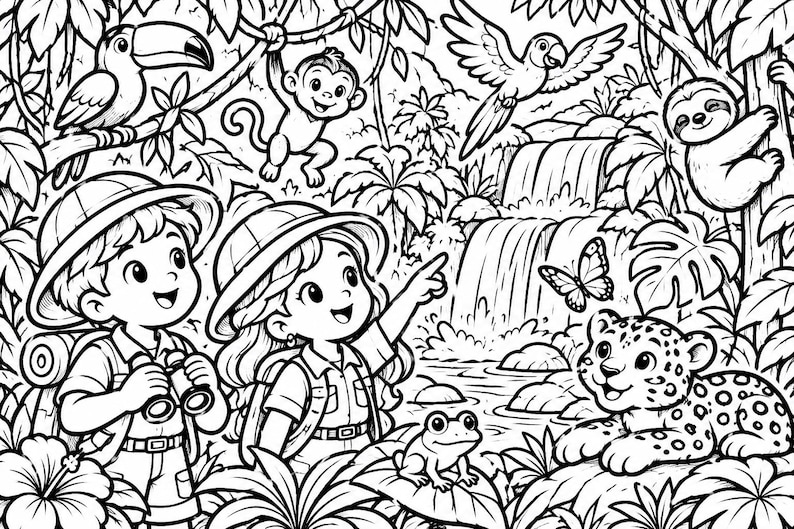
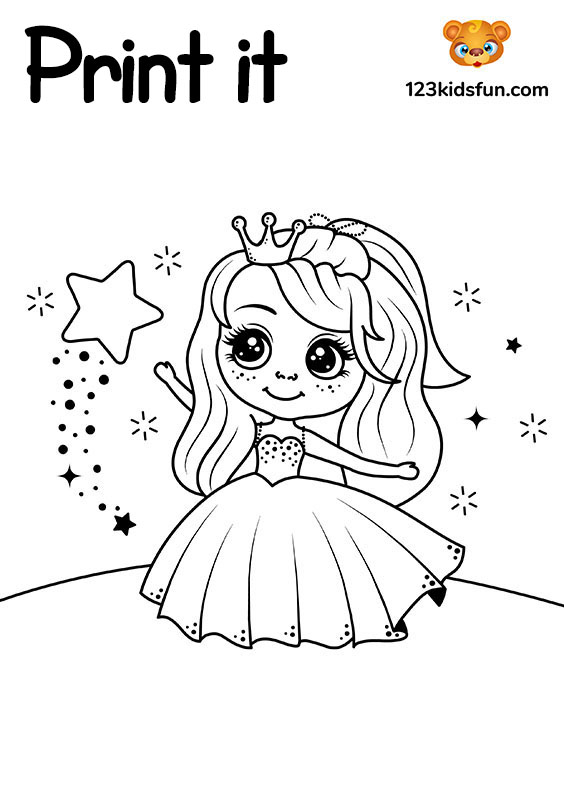
Printable Coloring Page Previews