Introduction
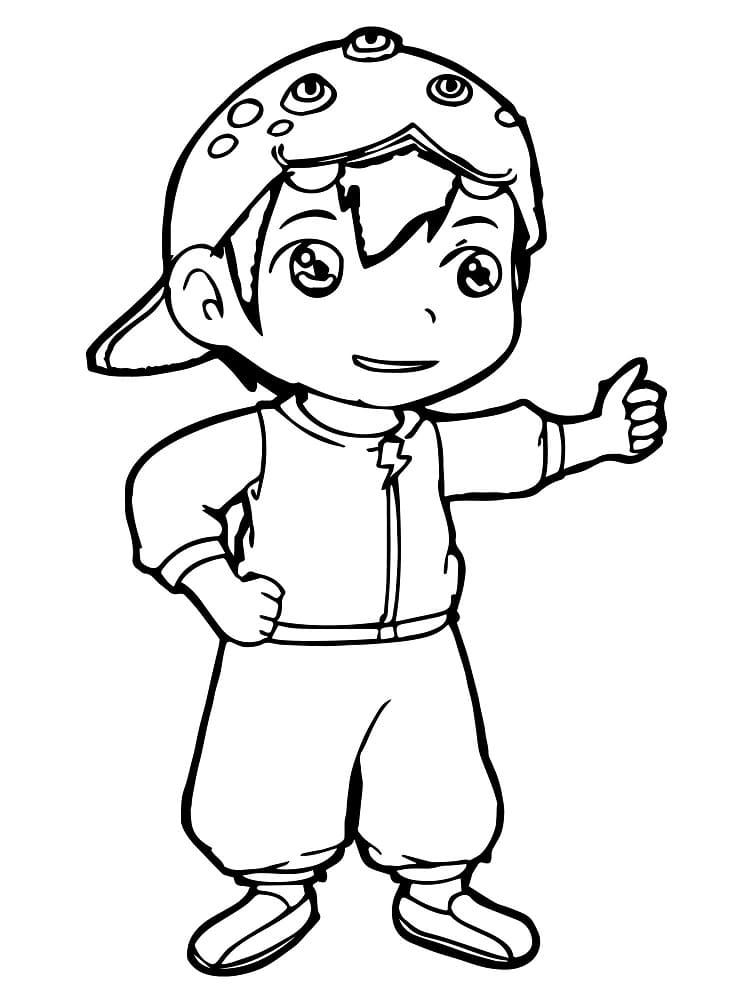
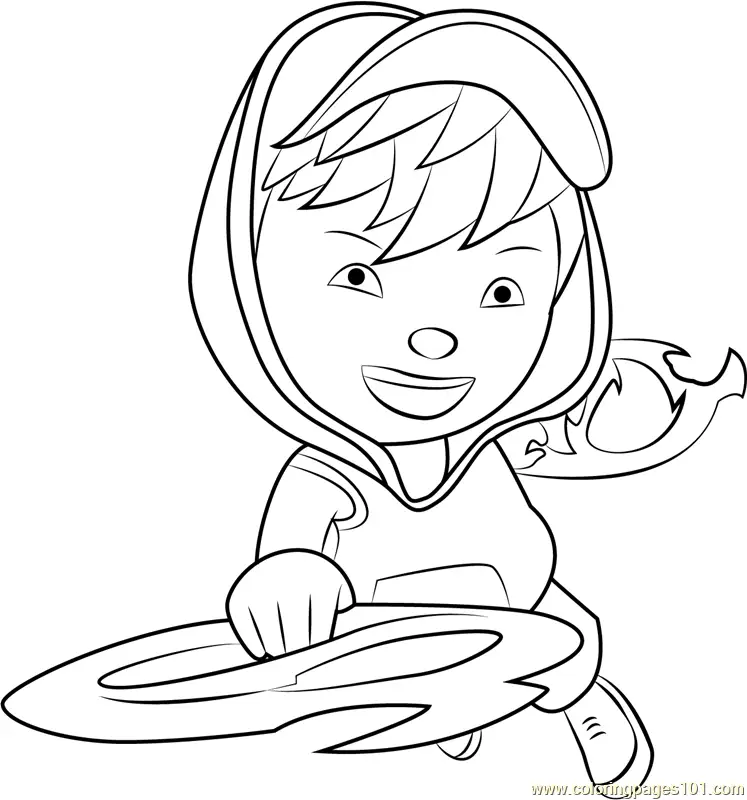
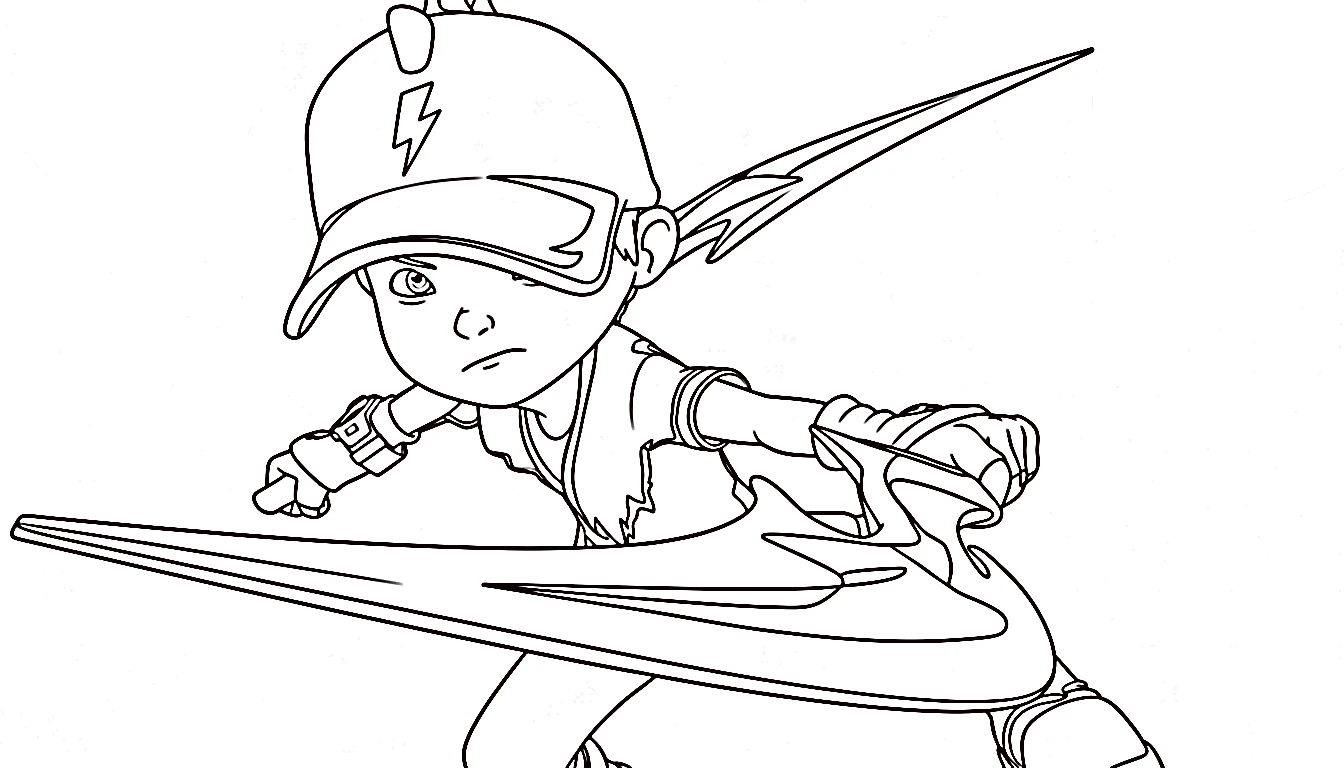
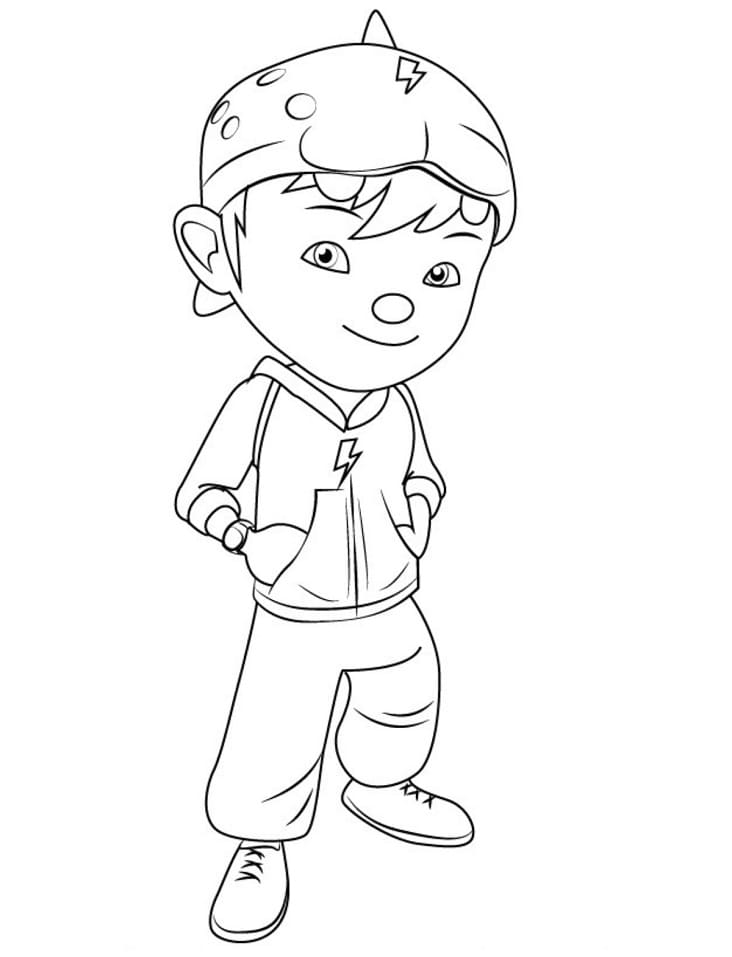
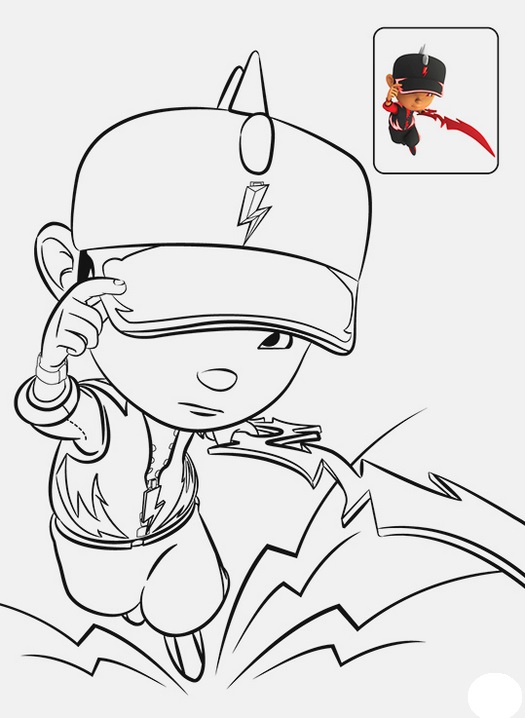
Coloring pages boboiboy provide structured graphical outlines of popular animated superhero characters that foster deliberate fine-motor practice, color theory comprehension, and narrative sequencing in early childhood education. According to the National Association for the Education of Young Children (NAEYC), purposeful manipulation of writing and coloring instruments strengthens the small hand muscles required for early writing readiness and spatial control. Integrating familiar character archetypes into artistic mediums leverages intrinsic motivation, helping children sustain attention during complex Art Activities.
Visual Learning & Skill Snapshot:
- Core Focus: Character-based line art designed to reinforce color boundary tracking and dynamic line comprehension.
- Target Skill: Fine-motor precision, color palette memory, and eye-hand coordination through superhero motif tracing.
- Key Recommendation: Pair high-contrast printed sheets with varied medium thicknesses to challenge grip stamina safely.
Core Principles and Learning Overview
Coloring pages boboiboy function as dynamic visual stimuli that bridge imaginative play with structured graphic arts development. Direct answer: These specialized templates direct focus toward intricate shapes, elemental costume symbols, and kinetic postures that prompt children to analyze negative space and boundary precision. Utilizing recognized superhero illustrations helps reduce anxiety surrounding blank pages, encouraging hesitant learners to experiment with pressure modulation, blending techniques, and diverse Drawing Worksheets. By engaging with distinct character traits and color hierarchies, learners map visual symbols to cognitive categories, thereby reinforcing memory retrieval and aesthetic discernment.
Key Specifications and Breakdown
| Age / Learning Stage | Visual Skill & Ratio | Pedagogical Application & Scaffolding |
|---|---|---|
| Ages 4-5 (Early Years) | Thick outlines, low detail density (1:4 ratio) | Focuses on gross grip strength and basic color-to-area containment within elemental costume sections. |
| Ages 6-7 (Transition Stage) | Moderate line weight, medium complexity (1:8 ratio) | Encourages edge control, directional hatching, and the introduction of secondary color combinations. |
| Ages 8-9 (Early Elementary) | Fine line details, high complexity (1:15+ ratio) | Builds advanced shadow mapping, gradient blending, and multi-layered texture representation. |
Structured drawing and coloring exercises directly support the neurological integration of visual-spatial processing and executive function in developing minds. — National Art Education Association (NAEA)
Step-by-Step Practical Application and Guidelines
Effective implementation of coloring pages boboiboy requires proper preparation of workspace ergonomics, tool selection, and cognitive scaffolding. Direct answer: Educators and caregivers must first select high-resolution print assets scaled to the motor capabilities of the specific learner group, followed by the arrangement of flat lighting and stable seating. Begin by discussing the character’s elemental powers and signature color scheme before handing over any coloring instruments. Encourage systematic progression from background elements to focal foreground figures to teach spatial hierarchy. Transition completed sheets into tactile Printable Crafts or multi-panel storytelling projects to extend the educational value beyond simple coloring execution.
Common Challenges and How to Avoid Them
Young learners frequently encounter hurdles such as grip fatigue, over-saturation of pigment, and frustration with complex costume lines. Direct answer: These obstacles are successfully mitigated by substituting standard wax crayons with triangular grip pencils, limiting color palette choices to three primary shades per session, and providing pre-segmented Coloring Pages that reduce cognitive overload. Instructors should emphasize process over perfection, reframing accidental boundary overflows as opportunities for artistic embellishment or pattern integration rather than errors requiring correction.
💬 Frequently Asked Questions
Conclusion and Next Steps
Integrating thematic character art into educational routines transforms passive screen exposure into active, skill-building tactile engagement. Educators and parents can expand creative possibilities by combining these downloadable assets with complementary Art Activities designed to inspire lifelong artistic confidence and cognitive dexterity.
Printable Coloring Page Previews