Introduction
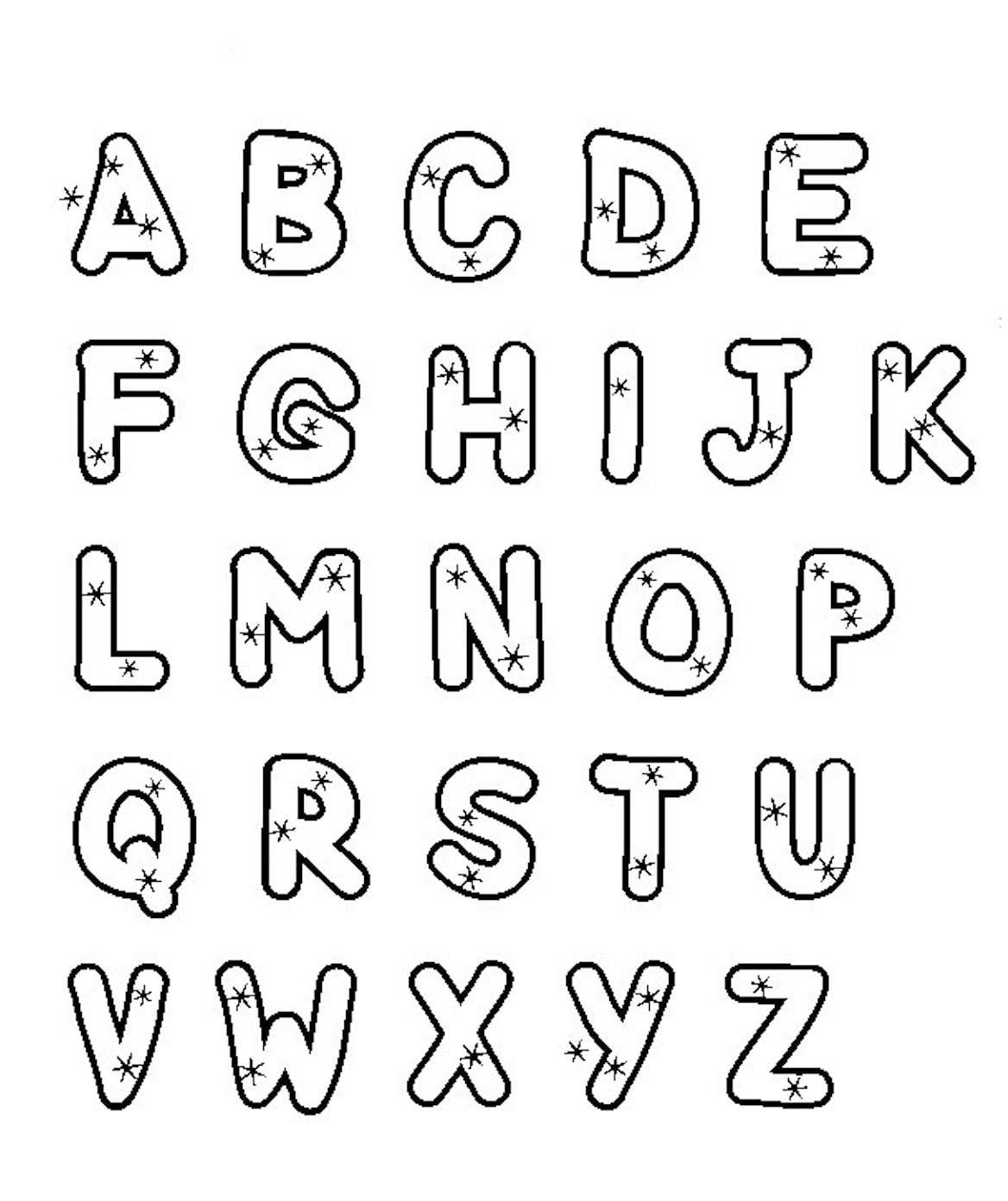
Alphabet coloring pages serve as foundational educational assets that bridge fine-motor skill development and letter recognition through structured visual-spatial engagement. According to the National Association for the Education of Young Children (NAEYC), intentional manipulation of writing tools and bounded coloring exercises directly reinforces the neural pathways required for early literacy and handwriting readiness. Integrating specialized printables into daily curricula provides children with an accessible entry point into the mechanics of typography and pictorial representation. To expand beyond basic letters, educators frequently pair these exercises with comprehensive Coloring Pages collections that reinforce thematic vocabulary.
Visual Learning & Skill Snapshot:
- Core Focus: Alphabet coloring pages merge letterform topology with controlled artistic application.
- Target Skill: Fine-motor control, visual discrimination, letter-sound association, and spatial awareness.
- Key Recommendation: Utilize progressive line-weight worksheets to match the developmental grip strength of learners.
Core Principles and Learning Overview
Alphabet coloring pages function by combining explicit graphic symbols with iconic imagery, anchoring abstract linguistic concepts into concrete visual memories. Young learners decode the structural differences between ascenders, descenders, and closed loops while maintaining pencil control within defined boundaries. This dual-processing model engages both the analytical and creative hemispheres of the brain, accelerating cognitive retention. Curators of early education programs often supplement these graphic tools with hands-on Art Activities to cement the physical memory of letterforms.
Key Specifications and Breakdown
| Age / Learning Stage | Visual Skill & Ratio | Pedagogical Application & Scaffolding |
|---|---|---|
| Ages 3-4 (Early Explorer) | Thick outlines (2.5mm+), minimal internal details, large 4-inch letter forms. | Focuses on gross motor control, palette exploration, and basic vocabulary association. |
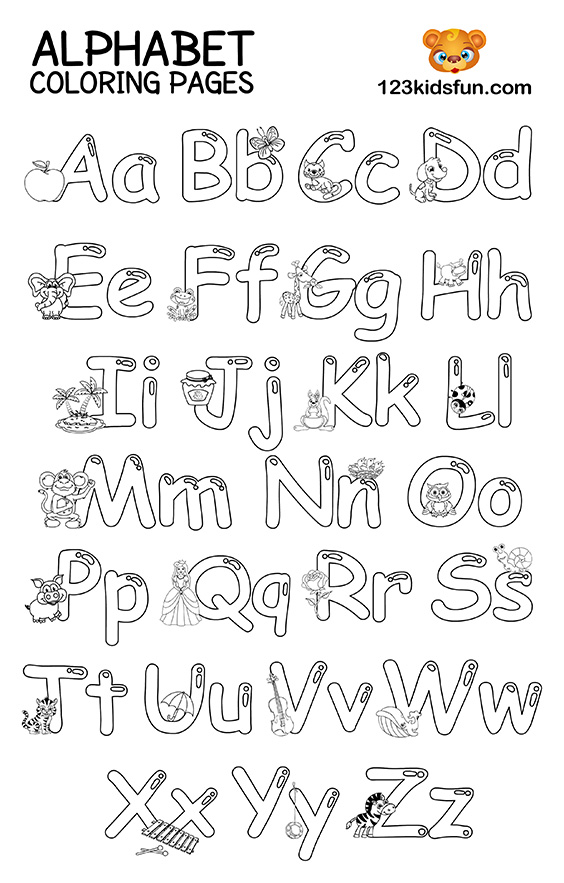
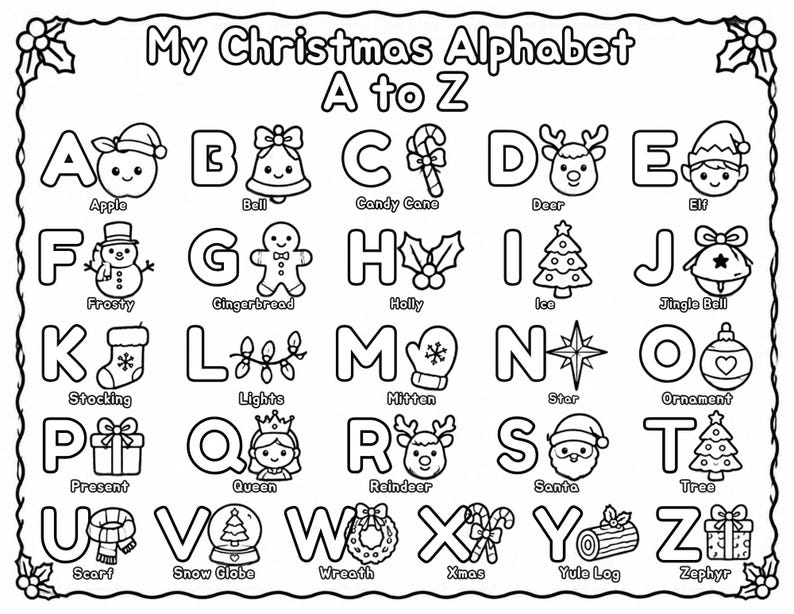
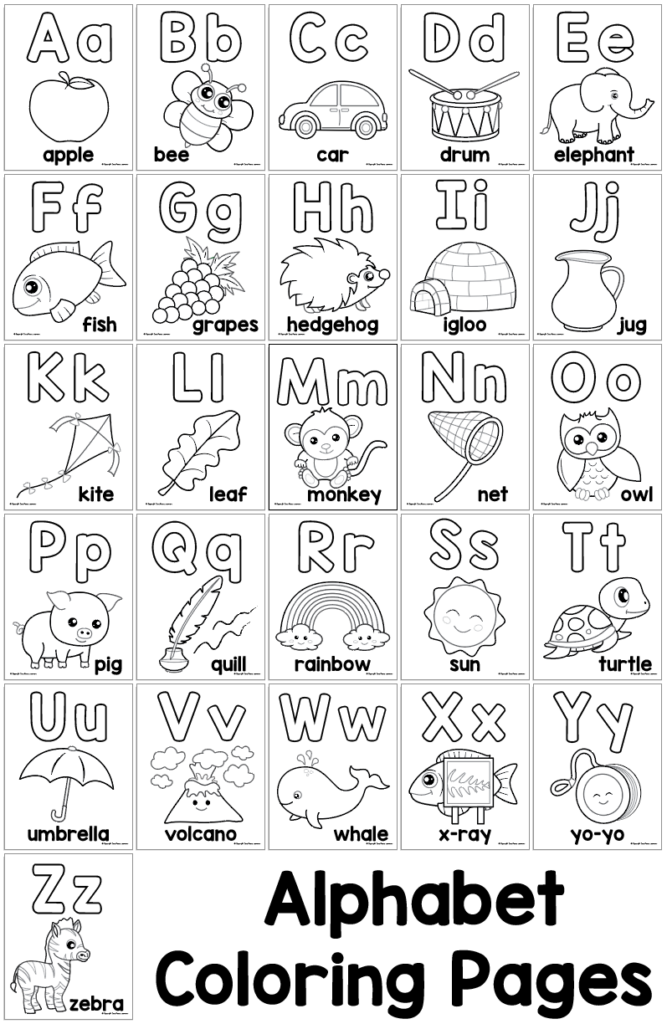
| Ages 5-6 (Emergent Reader) | Standard letter proportions with associated object motifs (e.g., A for Apple). | Emphasizes directional stroke awareness, phonemic mapping, and boundary containment. |
| Ages 7+ (Fluent Beginner) | Complex typography, patterned backgrounds, and multi-word contextual scenes. | Refines pencil grip endurance, shading gradients, and advanced spatial planning. |
Visual-motor integration activities directly correlate with enhanced letter retention and orthographic processing speed during primary school transition years. — National Art Education Association (NAEA)
Step-by-Step Practical Application and Guidelines
Implementing alphabet coloring pages successfully requires structured progression from large tactile tracing to detailed chromatic shading. Begin by introducing a single letter sheet, prompting learners to trace the outline with a finger before applying pigment. Provide diverse medium options, such as broad-tip markers for early boundary exploration and colored pencils for controlled pressure application. Once the alphabet sheets are completed, educators can transition students into precise Drawing Worksheets to encourage independent line generation.
Common Challenges and How to Avoid Them
Frustration during coloring sessions typically stems from overly intricate line work or inadequate grip preparation, which can be mitigated through deliberate material selection. Young children attempting complex typographic sheets often experience hand fatigue or struggle with boundary adherence, resulting in disengagement. Educators should prevent this by matching worksheet complexity to current physical dexterity levels and utilizing tactile warm-up exercises prior to formal coloring sessions. For projects requiring tactile cutting and assembly alongside typography, pairing resources with Printable Crafts maintains high engagement.
💬 Frequently Asked Questions
Conclusion and Next Steps
Incorporating alphabet coloring pages into foundational learning schedules offers a balanced approach to literacy development, fine-motor refinement, and creative expression. Educators and caregivers can seamlessly blend structural academic standards with joyful artistic exploration by utilizing reliable print-ready resources. To explore a comprehensive library of complementary educational printables designed for young minds, visit the primary Coloring Pages collection at ColorLeaf Studio.
Printable Coloring Page Previews