Introduction
Drawing worksheets for kids pdf resources provide structured, printable templates designed to develop foundational hand-eye coordination, spatial awareness, and fine motor precision in early learners. According to the National Association for the Education of Young Children (NAEYC), purposeful mark-making and guided visual exercises significantly accelerate bilateral coordination and cognitive mapping in early childhood. Utilizing digital formats allows educators and families to instantly access, scale, and print targeted instructional materials tailored to specific developmental stages. Integrating these resources alongside Coloring Pages creates a robust visual arts foundation.
Visual Learning & Skill Snapshot:
- Core Focus: Printable digital templates providing step-by-step guidance for line control and geometric shape formation.
- Target Skill: Spatial reasoning, visual discrimination, fine-motor proportion, and concept mastery.
- Key Recommendation: Select digital templates that balance structured tracing with open-ended creative expansion to prevent rigid copying habits.
Core Principles and Learning Overview
Structured drawing worksheets for kids pdf formats serve as critical scaffolding tools that bridge abstract visual concepts and concrete motor execution. Direct answer: These printables systematically break down complex visual stimuli into manageable geometric components, allowing young minds to process scale, proportion, and contour mapping without cognitive overload. Pedagogical frameworks emphasize that sequential tracing, grid-based replication, and directed-line activities stimulate parietal lobe development, which governs spatial attention and tactile manipulation. Pair these foundational templates with Drawing Worksheets to ensure continuous skill progression across multiple difficulty tiers.
Key Specifications and Breakdown
| Age / Learning Stage | Visual Skill & Ratio | Pedagogical Application & Scaffolding |
|---|---|---|
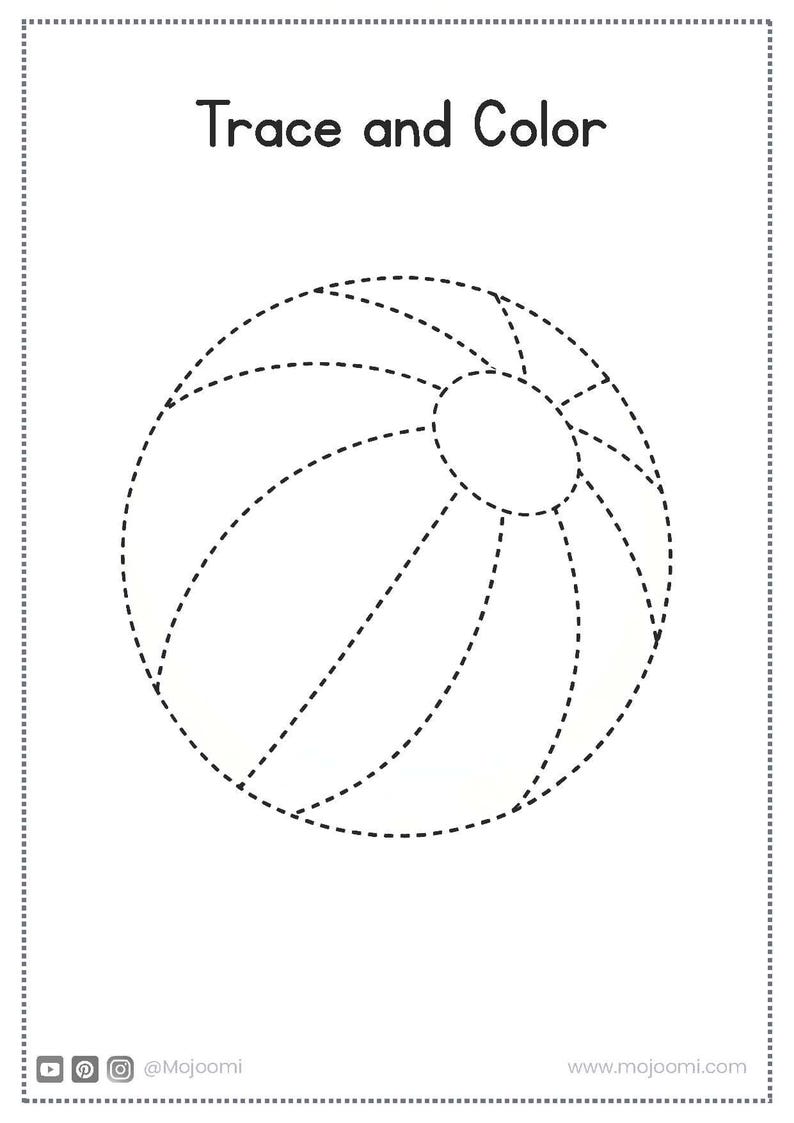
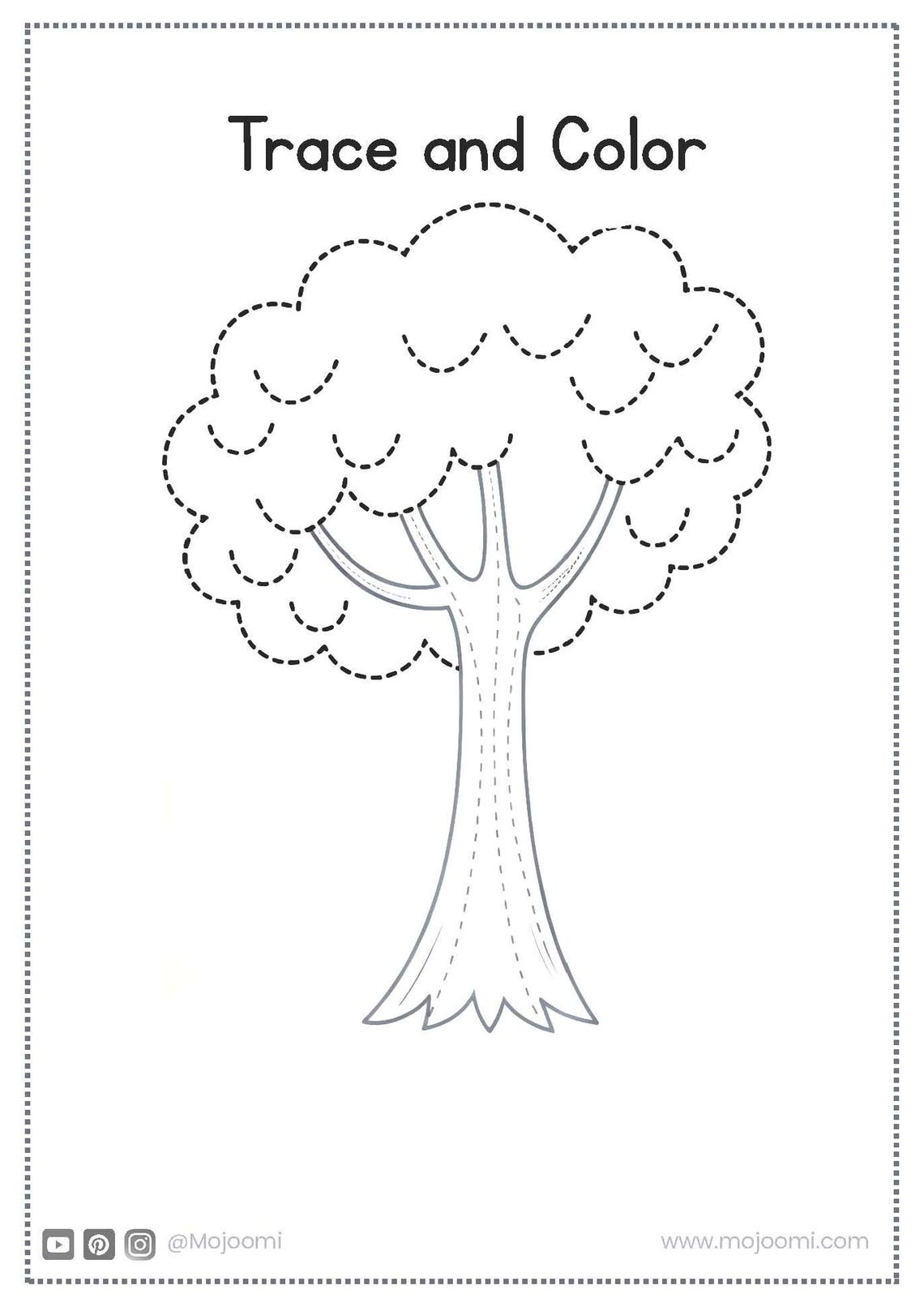
| Ages 3-4 (Preschool) | Gross motor lines, basic curves, and directional strokes | Utilize thick outlines and dotted paths to build wrist flexibility. |
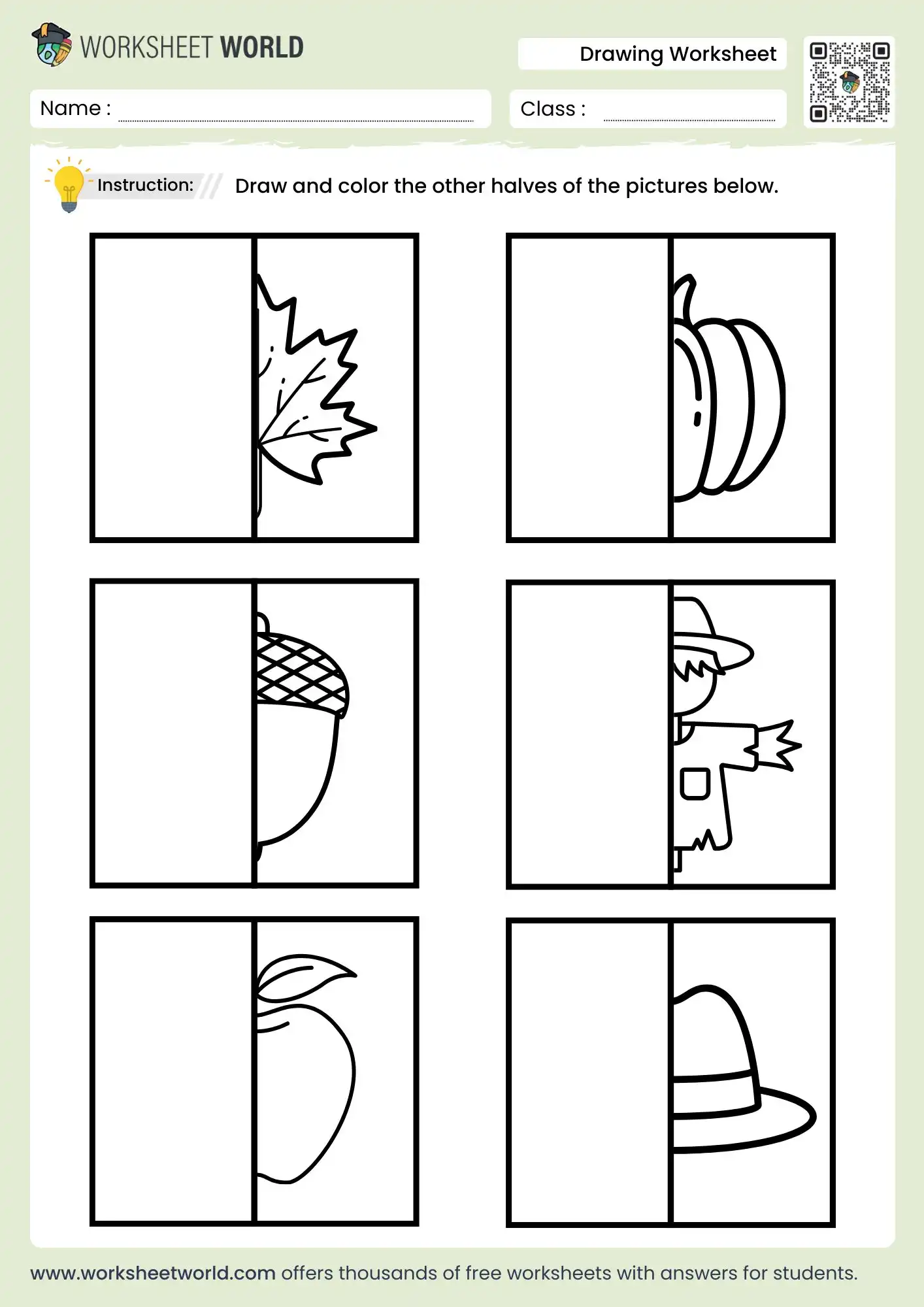
| Ages 5-6 (Kindergarten) | Geometric integration, grid replication, and relative sizing | Introduce symmetrical shapes and simple object reconstruction tasks. |
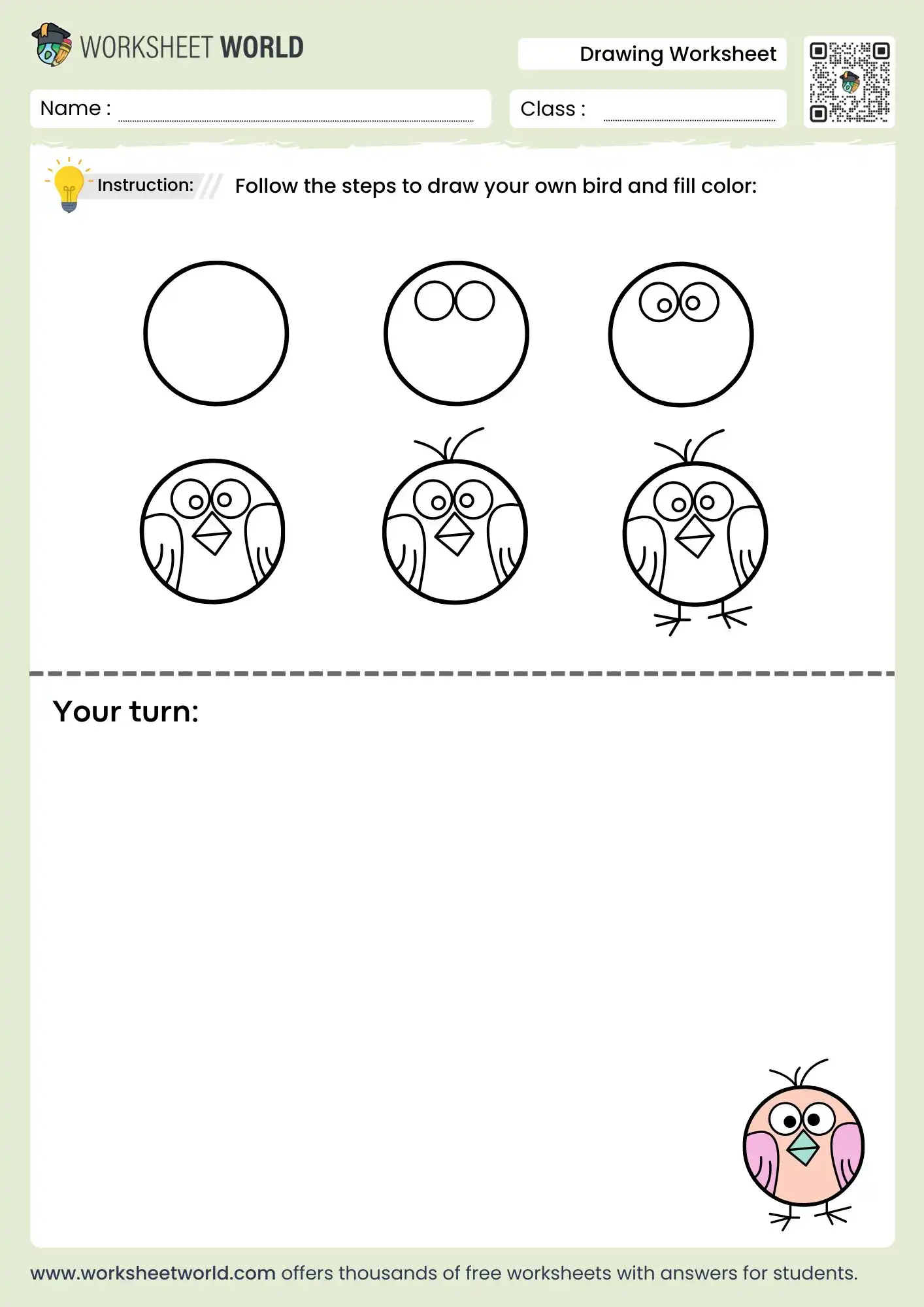
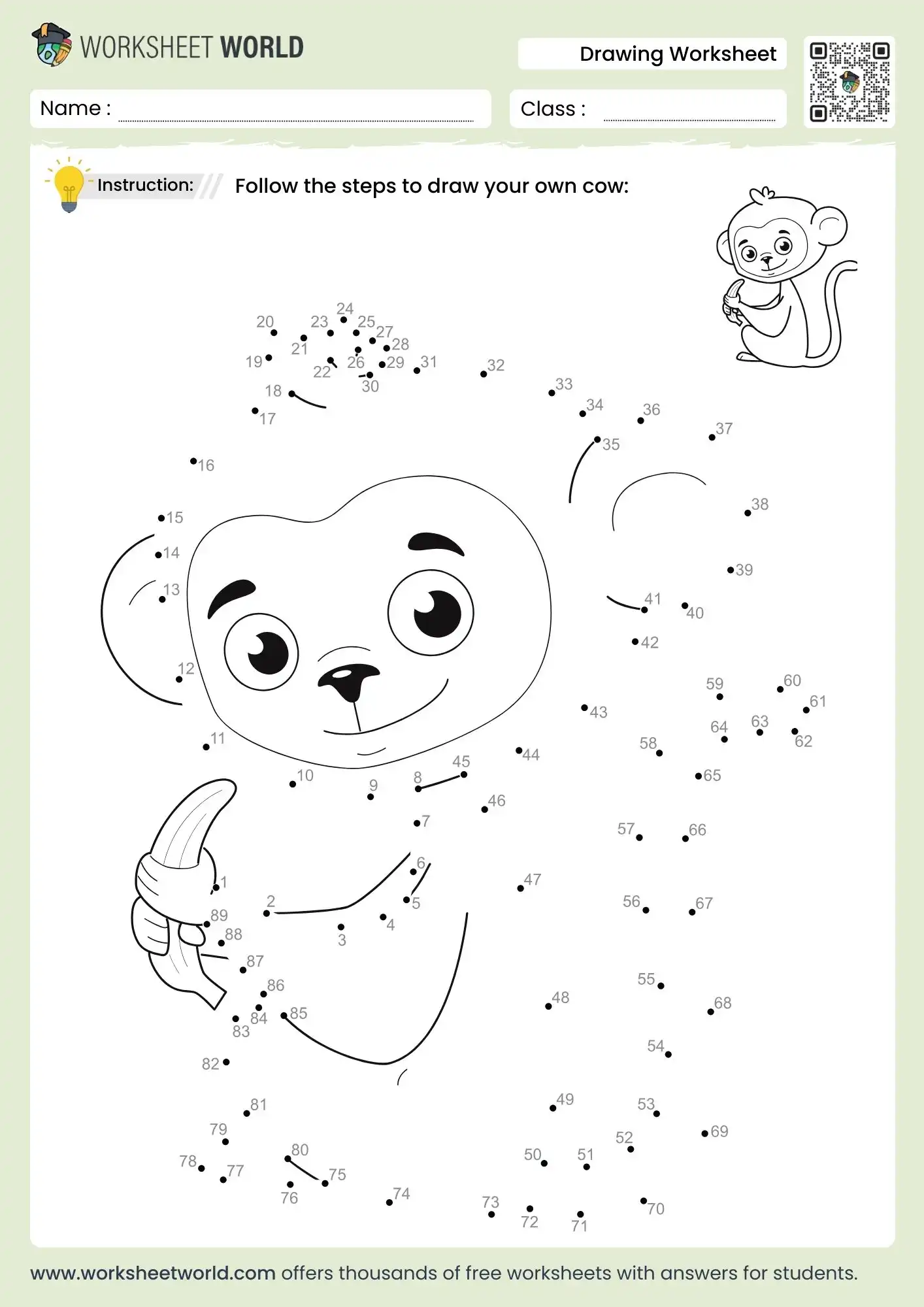
| Ages 7-8 (Early Elementary) | Perspective hints, contour continuity, and proportion scaling | Deploy multi-step progressive drawing sheets requiring independent execution. |
Structured visual art activities directly enhance cognitive mapping, bilateral integration, and spatial problem-solving capabilities in early childhood development. — National Art Education Association (NAEA). Related guide: Art Work Xl.
Step-by-Step Practical Application and Guidelines
Effective deployment of downloadable drawing exercises requires a structured printing, preparation, and supervision methodology to maximize educational impact. Direct answer: Instructors should print materials on heavyweight, matte cardstock using high-resolution settings to prevent pencil tearing, then introduce each worksheet through a brief modeling demonstration before independent practice begins. Educators must establish a distraction-free workspace with ergonomic seating, ensuring proper pencil grips are maintained during execution. Complementing structured line practice with tactile Printable Crafts reinforces the connection between 2D representation and 3D spatial awareness.
Common Challenges and How to Avoid Them
Young learners frequently encounter hurdles such as hand fatigue, spatial distortion, or frustration when attempting complex proportions prematurely. Direct answer: Preventing these roadblocks requires replacing rigid performance expectations with scaffolded, low-stakes tracing exercises that emphasize fluid wrist movement over flawless replication. When children rush through templates, educators should introduce visual checkpoints or dividing grids to slow down the perceptual analysis process. Diversifying the daily routine by incorporating engaging Art Activities maintains enthusiasm and reduces fine-motor burnout.
💬 Frequently Asked Questions
Conclusion and Next Steps
Implementing high-quality drawing worksheets for kids pdf resources empowers young learners to build essential cognitive, spatial, and motor competencies through structured creative engagement. Educators and parents can foster lifelong artistic confidence by carefully selecting age-appropriate instructional printables that balance guided practice with open-ended expression. Explore the complete collection of educational resources to support childhood development through ColorLeaf Studio.
Worksheet Previews & Reference Materials