Introduction
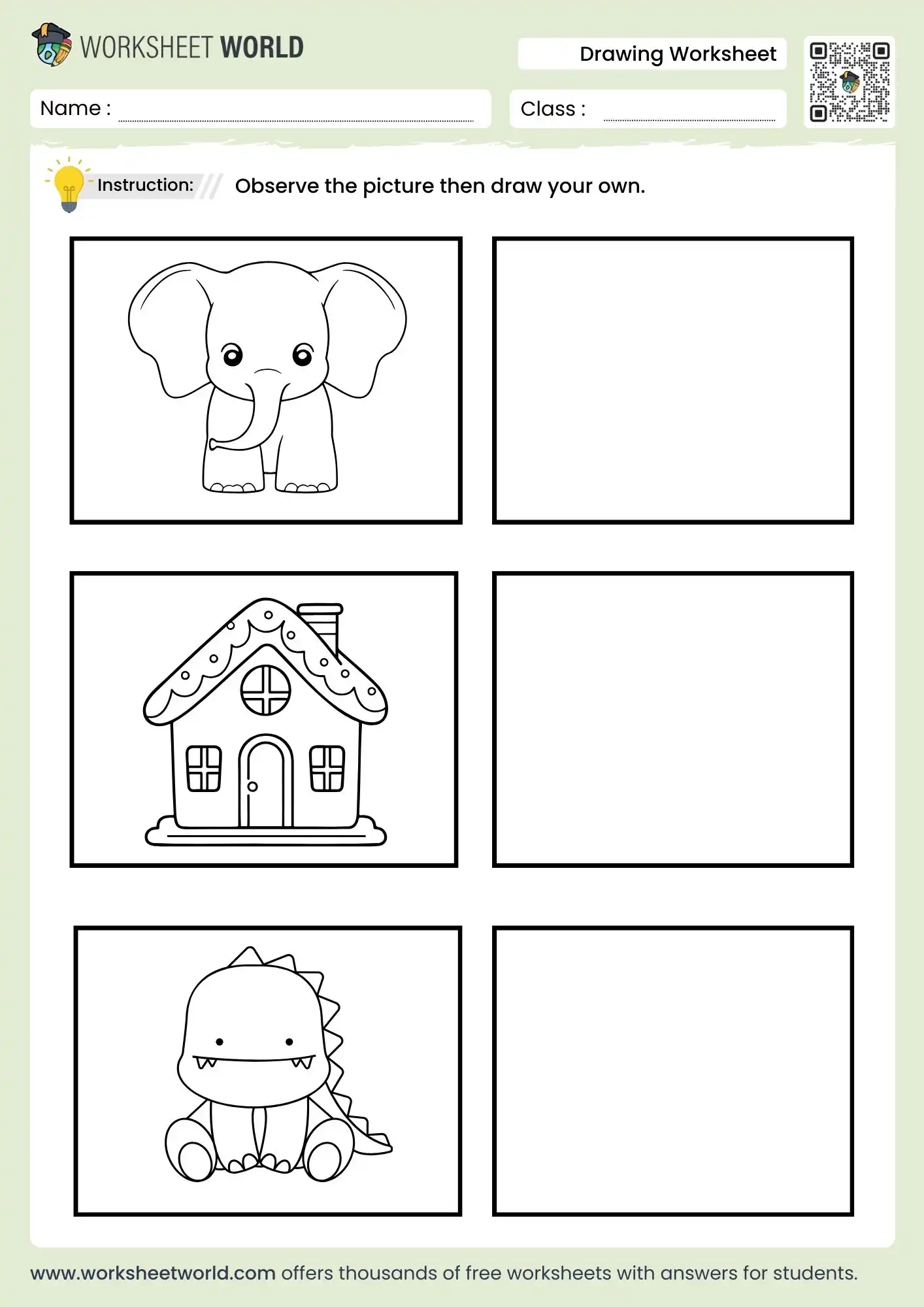
Drawing worksheets for kindergarten provide structured visual prompts and scaffolding exercises that systematically develop foundational fine-motor control, spatial reasoning, and pre-writing pencil skills in five- and six-year-old learners. According to the National Association for the Education of Young Children (NAEYC), intentional graphical representation tasks enhance cognitive mapping and support early literacy development through targeted hand-eye coordination drills. Utilizing printables from curated collections such as Drawing Worksheets establishes an accessible baseline for educators, art teachers, and parents seeking to foster creative confidence in early elementary settings.
Visual Learning & Skill Snapshot:
- Core Focus: Structured tracing, shape replication, and guided graphical composition for young children.
- Target Skill: Spatial reasoning, visual discrimination, fine-motor proportion, and pencil pressure regulation.
- Key Recommendation: Pair structured graphical practice with unstructured creative sessions to balance technical precision with open expression.
Core Principles and Learning Overview
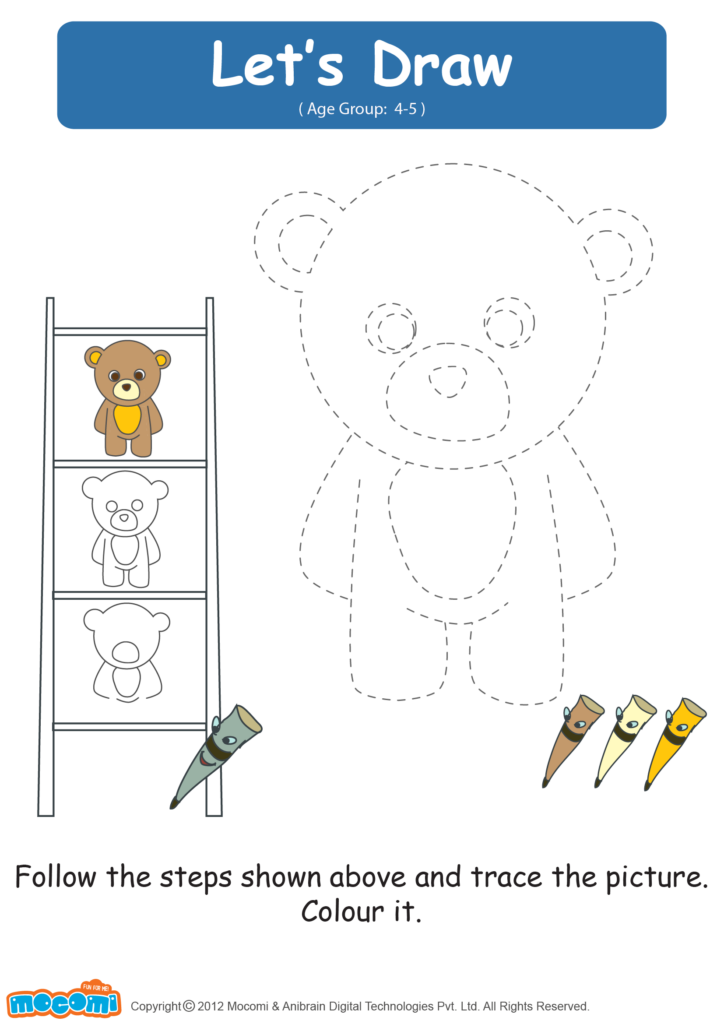
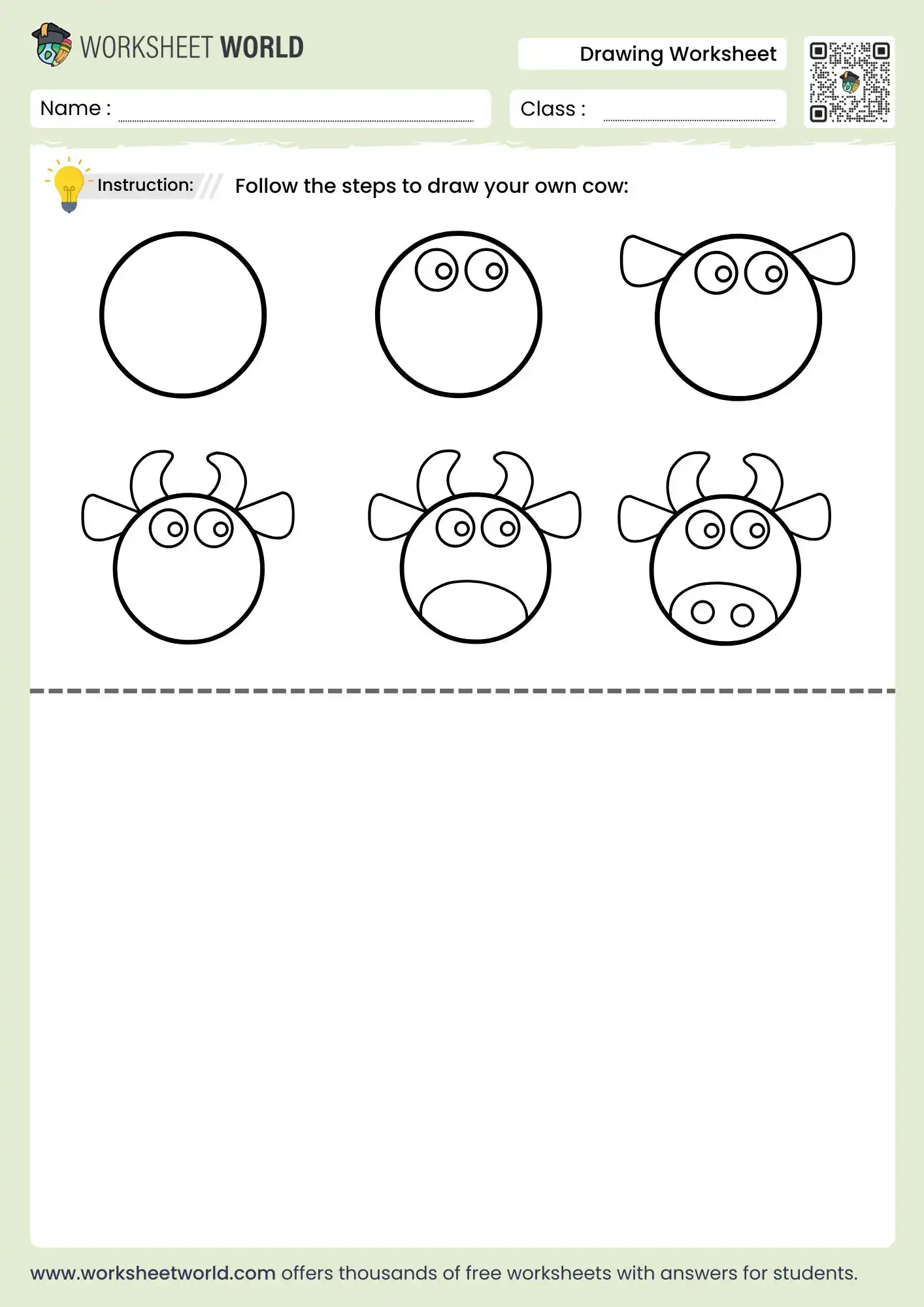
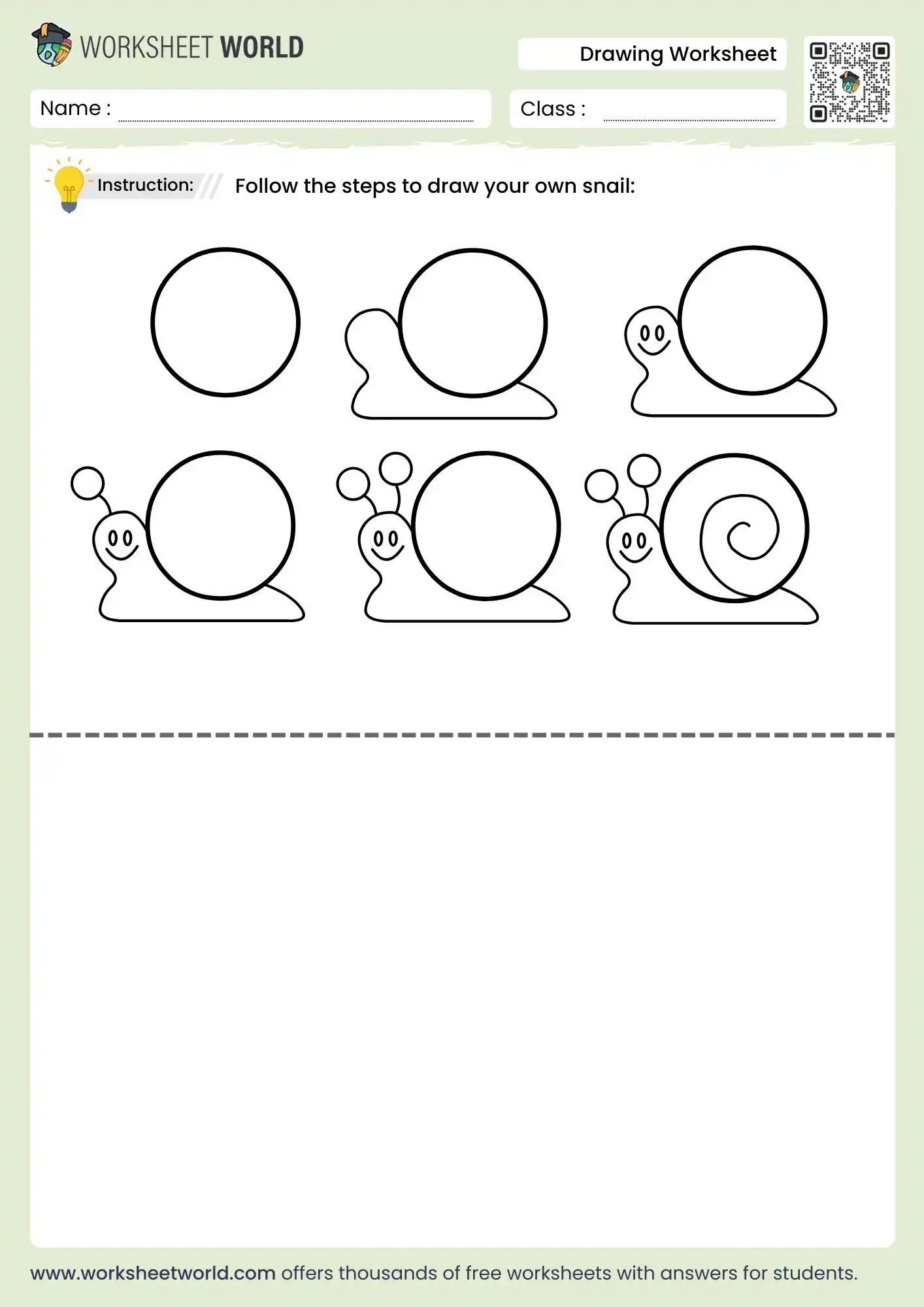
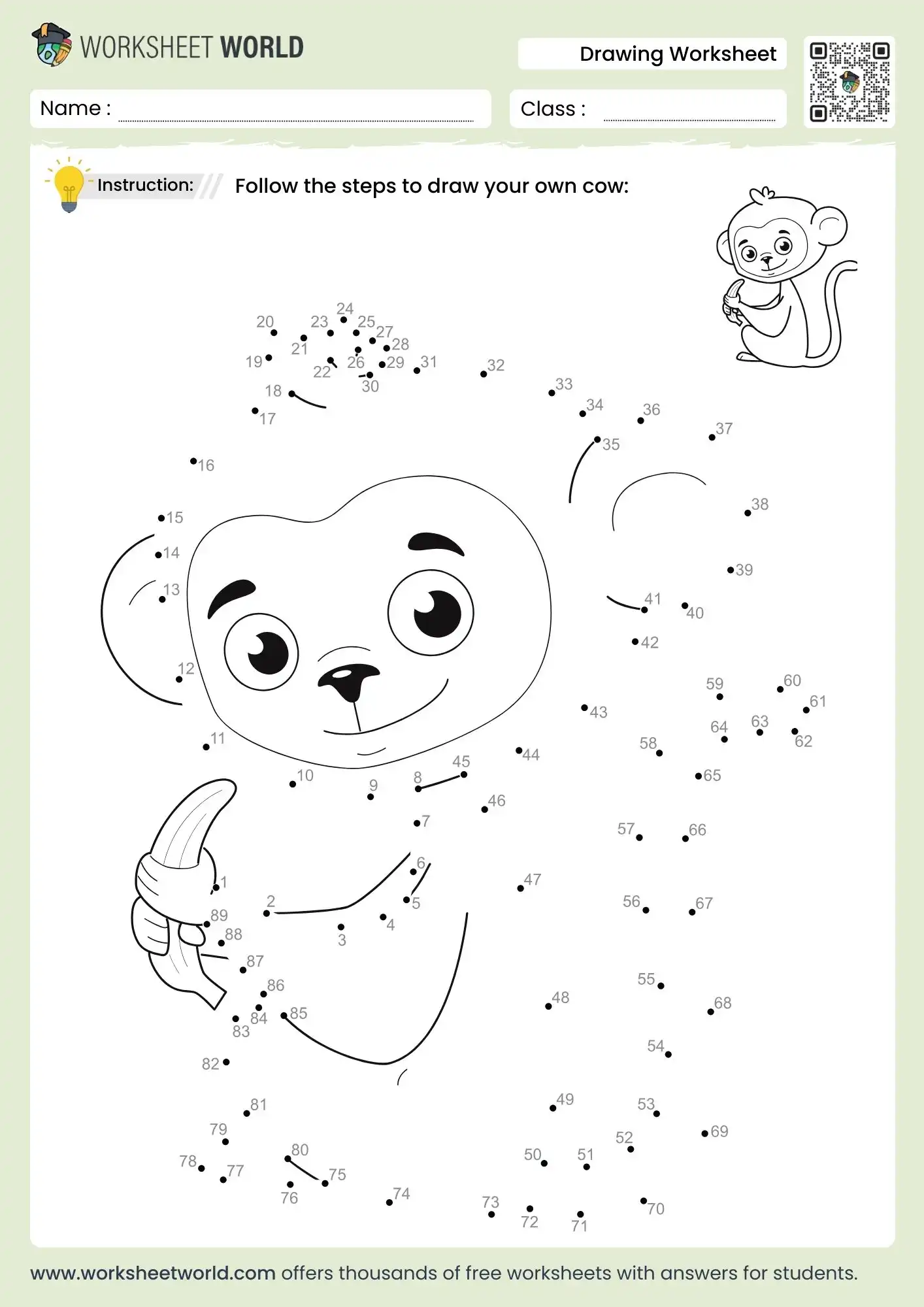
Drawing worksheets for kindergarten serve as a vital bridge between abstract geometric concepts and physical mark-making capabilities by translating complex visual stimuli into manageable sequential steps. These educational printables incorporate directional arrows, dotted tracking lines, and shape-recognition blocks that train young minds to break complex objects into simpler constituent forms like circles, triangles, and intersecting lines. Integrating these structured exercises alongside complementary resources such as Coloring Pages allows children to refine boundary awareness while exploring color theory and spatial density in a low-pressure format.
Key Specifications and Breakdown
| Age / Learning Stage | Visual Skill & Ratio | Pedagogical Application & Scaffolding |
|---|---|---|
| Early Kindergarten (Ages 5.0 – 5.5) | Basic stroke replication and directional tracking (vertical, horizontal, diagonal). | Utilize dotted tracing lines and oversized shape outlines to build muscle memory without hand fatigue. |
| Mid Kindergarten (Ages 5.5 – 6.0) | Proportional scaling, grid copying, and simple symmetry recognition. | Introduce step-by-step grid-based drawing templates to reinforce spatial awareness and visual-motor integration. |
| Late Kindergarten (Ages 6.0 – 6.5) | Complex compositional planning and narrative illustration scaffolding. | Deploy open-ended prompt sheets that encourage imaginative completion and contextual storytelling. |
Graphical representation and structured visual exercises significantly accelerate the neural pathways responsible for bilateral coordination and cognitive symbol formation in early childhood. — National Art Education Association (NAEA). Related guide: Drawing Worksheets Adults.
Step-by-Step Practical Application and Guidelines
Drawing worksheets for kindergarten yield maximum cognitive benefit when integrated through a structured routine that prioritizes correct ergonomic posture, proper pencil grip, and incremental skill progression. Educators and homeschoolers should begin by selecting appropriately scaled printables, ensuring the child sits with feet flat and shoulders relaxed before initiating any mark-making activity. Instructors must model the initial stroke sequence slowly, allowing learners to observe directional flow before attempting the template independently, and transition smoothly into tactile reinforcement exercises found within Printable Crafts to connect 2D drawing concepts with 3D physical construction.
Common Challenges and How to Avoid Them
Drawing worksheets for kindergarten can occasionally induce frustration when learners encounter overly complex geometric prompts or experience premature hand fatigue from rigid pacing. Adults can prevent grip tension and avoidance behaviors by limiting worksheet sessions to ten-minute intervals, utilizing thicker primary pencils or ergonomic grips, and reframing mistakes as natural drafting iterations rather than errors requiring erasure. Combining technical worksheet drills with expressive mixed-media explorations available via Art Activities ensures that children maintain intrinsic motivation and joy throughout their early visual arts education.
💬 Frequently Asked Questions
Conclusion and Next Steps
Drawing worksheets for kindergarten provide an invaluable structural foundation for early visual arts education, seamlessly uniting fine-motor skill acquisition with imaginative expression. Educators and parents can easily expand their curriculum by exploring the diverse selection of professional learning materials available across ColorLeaf Studio, beginning with the dedicated collection of Drawing Worksheets to inspire the next generation of young creators.
Worksheet Previews & Reference Materials