Introduction
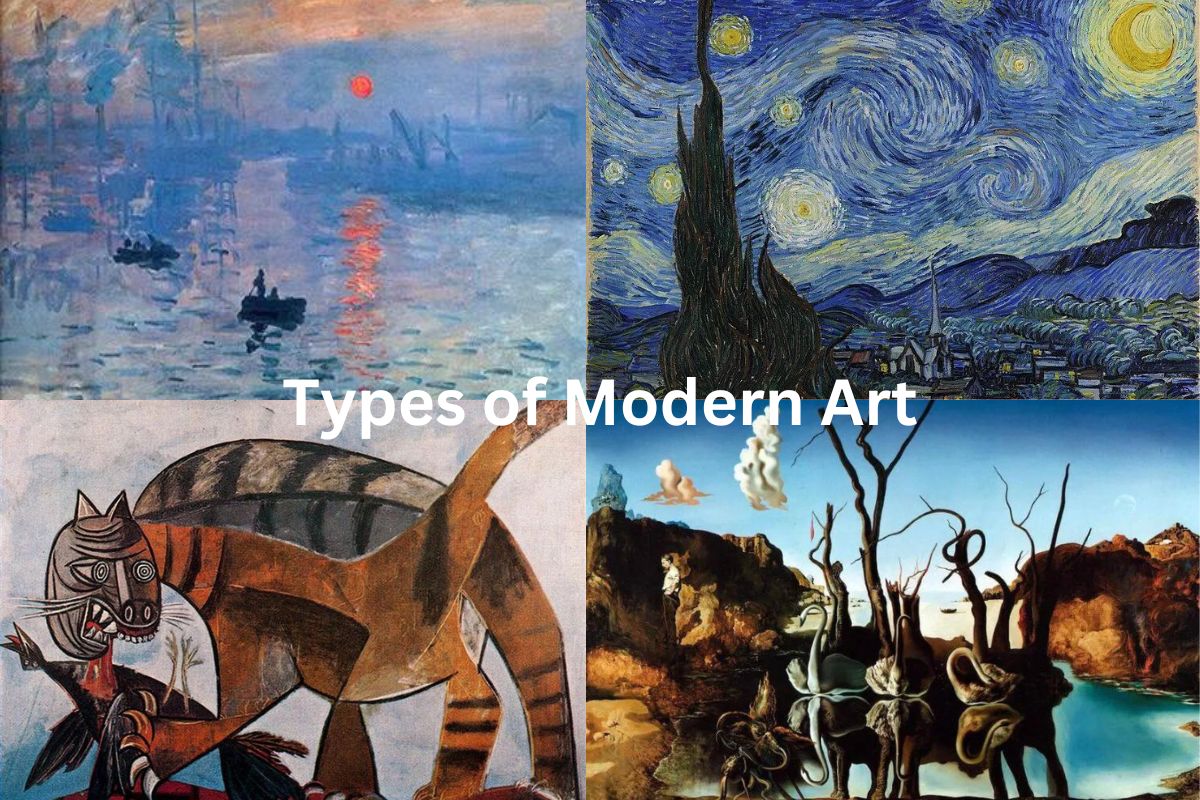
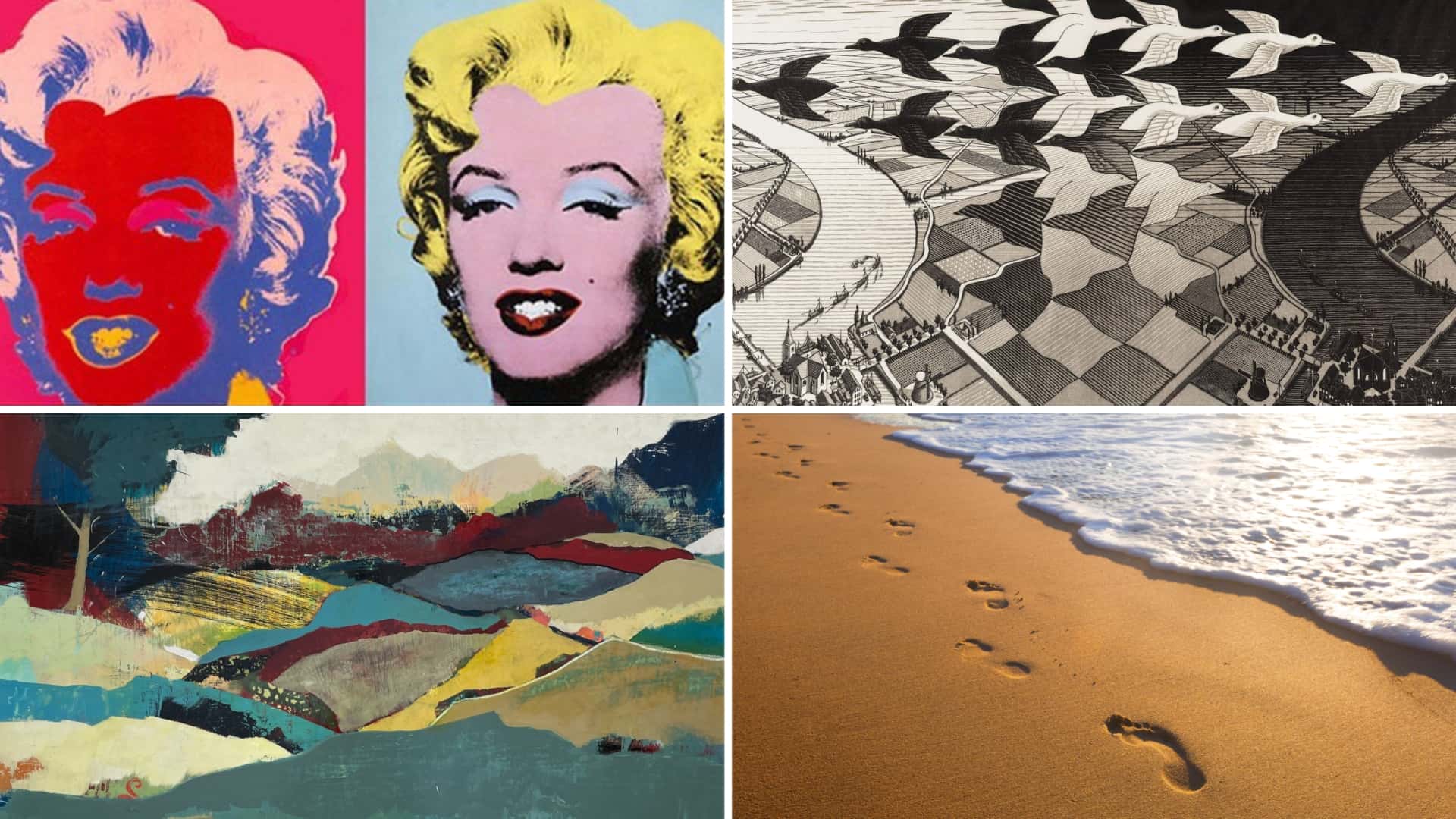
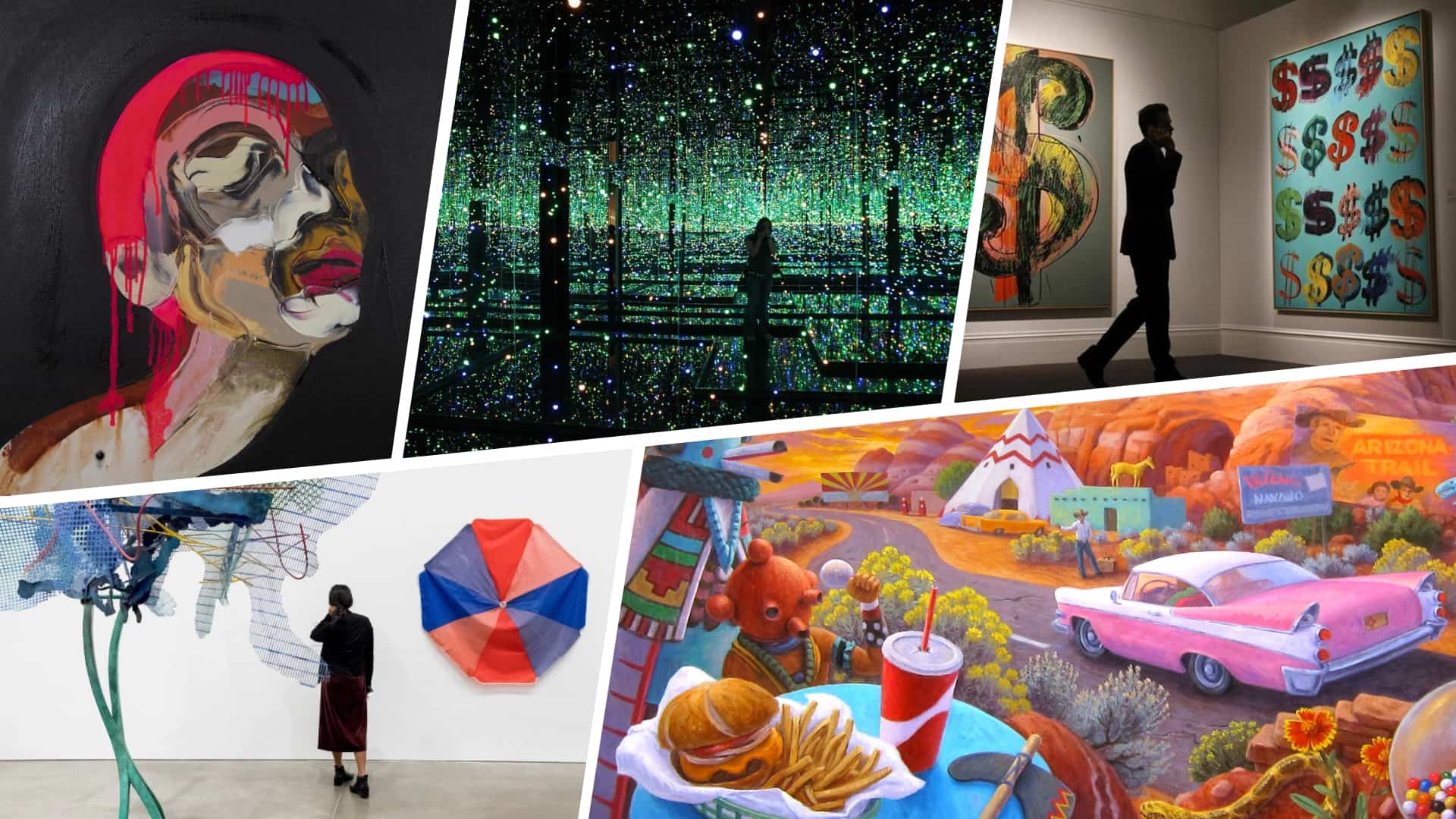
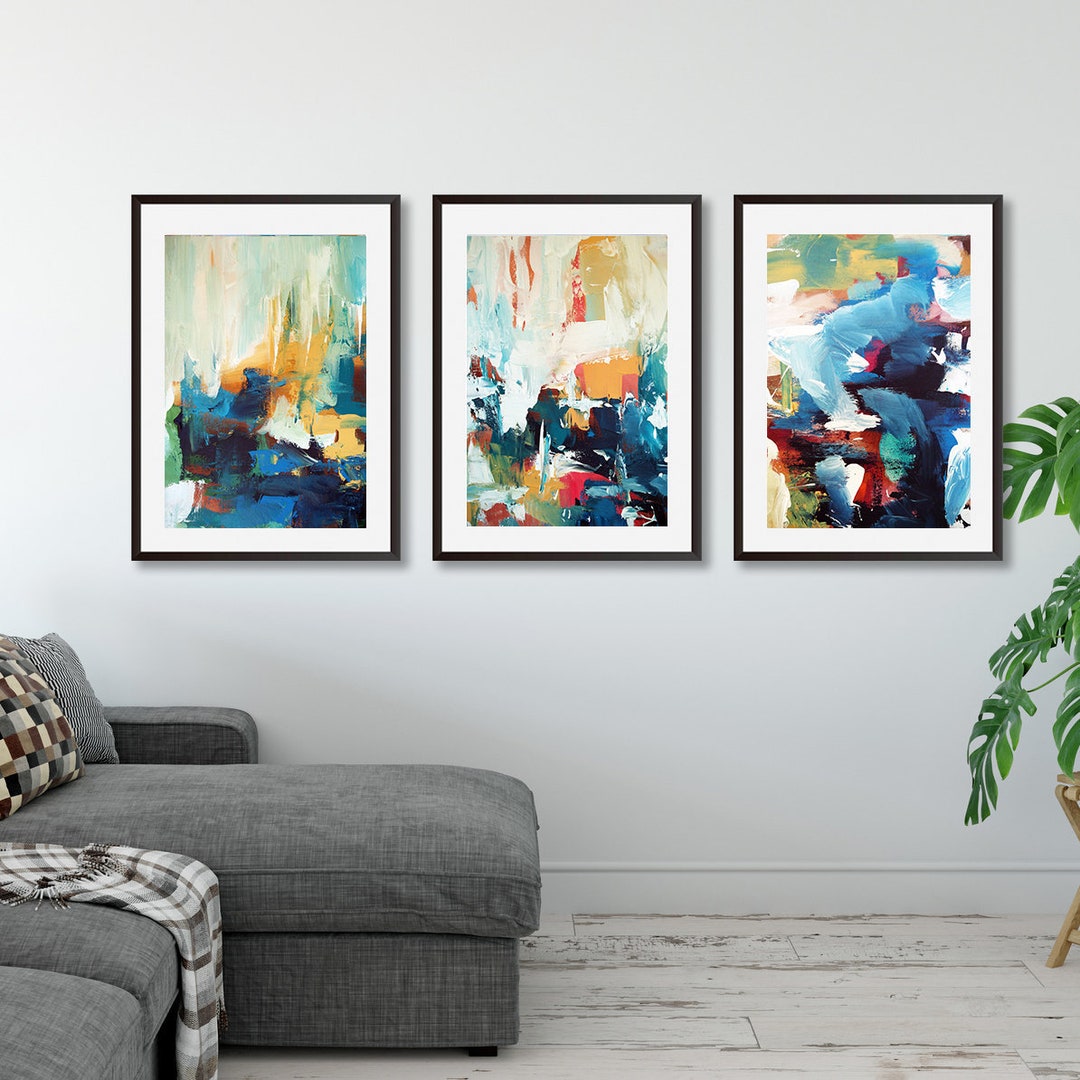
An art work example serves as a crucial visual benchmark that demonstrates expected techniques, spatial composition, and thematic execution for young learners. According to the National Art Education Association (NAEA), structured visual references significantly enhance a child’s ability to interpret symbolic representations, decode complex visual information, and bridge the gap between imagination and physical execution. Providing clear, developmentally appropriate visual samples allows educators and parents to establish accessible expectations for early elementary art experiences, encouraging children to experiment with Coloring Pages and foundational design principles without performance anxiety.
Visual Learning & Skill Snapshot:
- Core Focus: Providing clear visual benchmarks to guide children through creative execution.
- Target Skill: Spatial reasoning, visual discrimination, fine-motor proportion, and concept mastery.
- Key Recommendation: Present multiple variations of a single project to demonstrate that creativity allows for diverse valid outcomes.
Core Principles and Learning Overview
Visual modeling acts as an essential bridge in cognitive development, translating abstract instructions into concrete spatial targets that young children can easily comprehend. When utilizing structured Drawing Worksheets alongside completed visual references, children rapidly develop visual-motor integration, bilateral coordination, and proportion assessment skills. The primary objective of displaying a completed visual sample is not to enforce strict conformity, but rather to illustrate technical possibilities, such as blending gradients, clean line control, and intentional color placement across various mediums.
Key Specifications and Breakdown
| Age / Learning Stage | Visual Skill & Ratio | Pedagogical Application & Scaffolding |
|---|---|---|
| Ages 3-5 (Early Preschool) | Gross motor control; basic boundary recognition | Utilize thick-lined Coloring Pages paired with high-contrast, brightly colored visual references to demonstrate simple containment. |
| Ages 6-7 (Kindergarten / Grade 1) | Bilateral coordination; spatial proportion | Introduce step-by-step sequential layouts alongside Drawing Worksheets to build confidence in shape construction. |
| Ages 8-10 (Early Elementary) | Advanced perspective; layered depth | Incorporate complex structural challenges through Printable Crafts that require independent spatial planning and assembly. |
Visual reference models must serve as exploratory guides rather than rigid replication templates to foster authentic creative problem-solving and intrinsic motivation. — National Art Education Association (NAEA). Related guide: Drawing Worksheets Adults.
Step-by-Step Practical Application and Guidelines
Implementing effective visual demonstrations requires a balanced presentation method that inspires experimentation rather than exact imitation. Educators and homeschooling parents should begin by displaying a finished piece alongside uncompleted printable templates, drawing attention to specific techniques like shading direction or symmetry. Next, guide children through the initial steps of the Art Activities by breaking down complex shapes into manageable components. Allow learners to reference the model frequently while encouraging them to substitute colors or alter decorative elements to reflect personal expression and individual creative choices.
Common Challenges and How to Avoid Them
Children frequently experience frustration when their independent output fails to mirror a pristine visual reference model precisely. To prevent this performance anxiety, adults should explicitly frame the sample as a single possible interpretation among many valid creative solutions. Emphasizing process over perfection ensures that learners focus on skill acquisition, line control, and material exploration rather than unrealistic perfectionism. Providing varied examples featuring different skill tiers also helps adjust expectations for younger or neurodivergent learners.
💬 Frequently Asked Questions
Conclusion and Next Steps
Integrating reliable visual models into daily creative routines transforms abstract learning concepts into engaging, confidence-building experiences for growing children. By framing finished samples as sources of inspiration rather than strict boundaries, educators cultivate lifelong artistic confidence and critical spatial awareness. Explore the extensive collection of educational materials to elevate your curriculum by visiting Art Activities today.
Visual Reference Gallery