Introduction
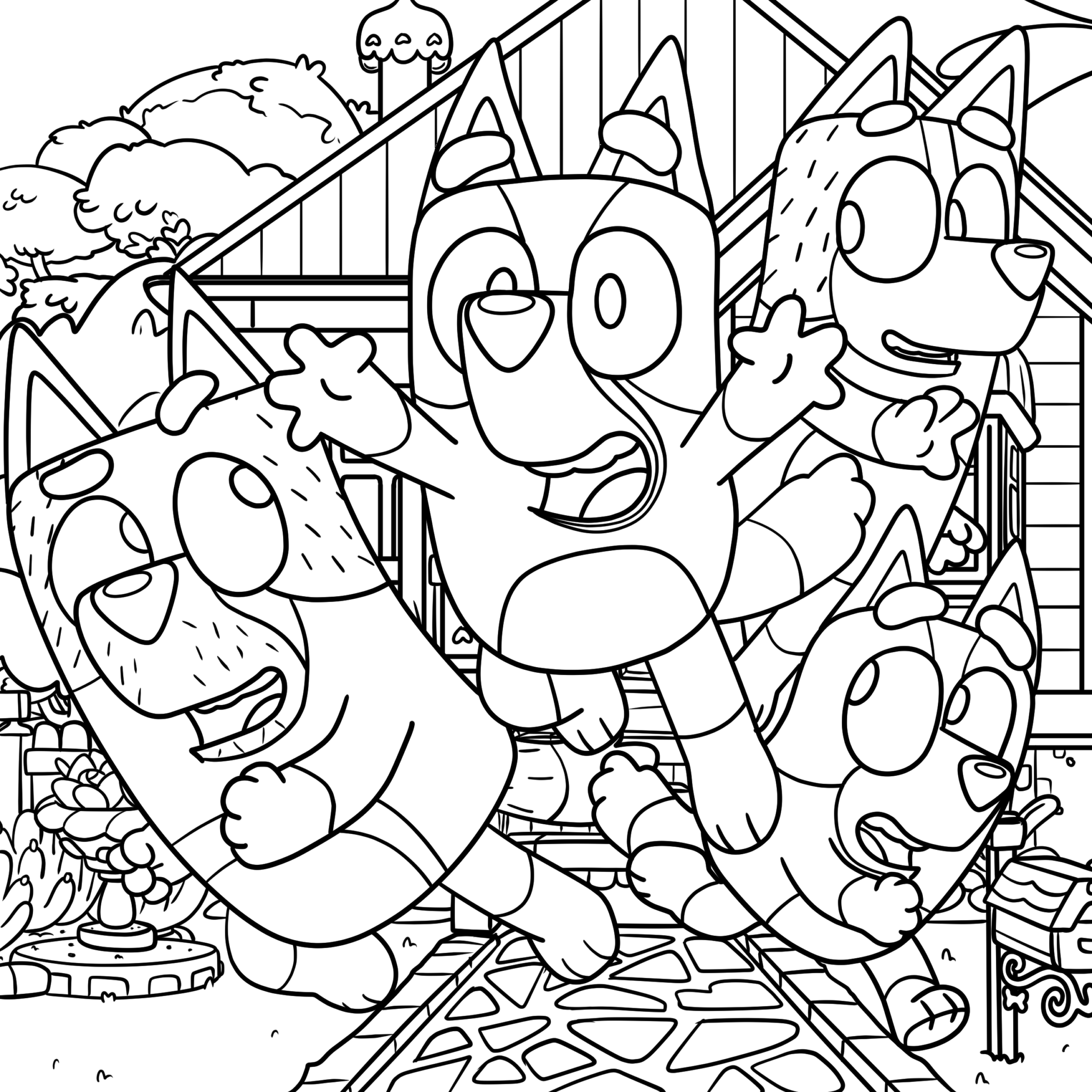
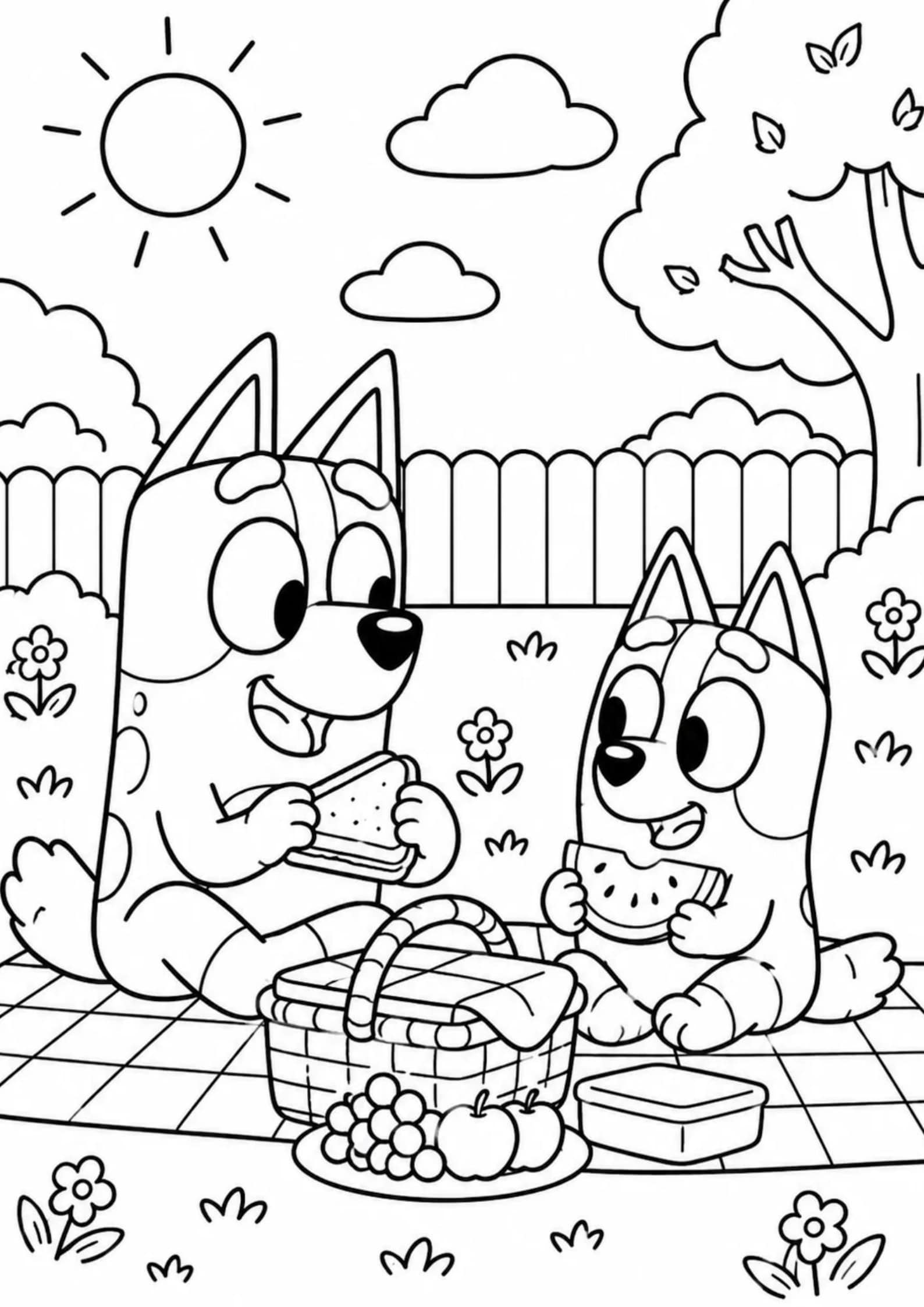
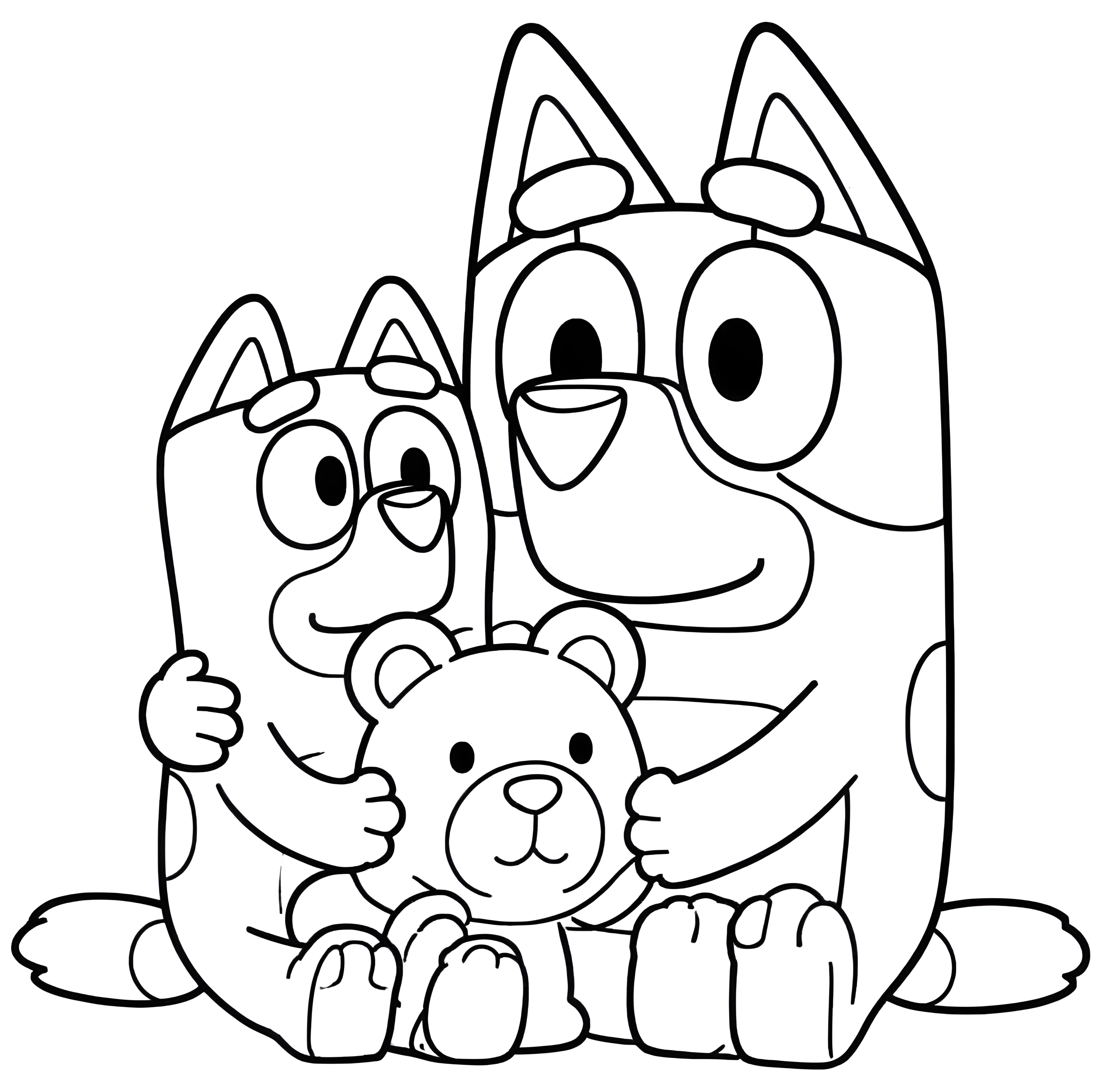
Coloring pages bluey function as targeted visual motor tools that translate popular animated media characters into structured canvases for fine-motor development, color theory practice, and narrative comprehension. According to the National Association for the Education of Young Children (NAEYC), purposeful manipulation of graphic outlines and crayons significantly strengthens pencil grip, hand-eye coordination, and bilateral coordination in early childhood. Educators, homeschoolers, and parents utilize these printable resources to bridge informal character engagement with foundational aesthetic competencies. Grounding childhood fascination with recognizable television figures into intentional studio practice transforms passive screen time into active, tactile learning.
Visual Learning & Skill Snapshot:
- Core Focus: Utilizing character-driven templates to scaffold fine-motor precision and visual-spatial processing.
- Target Skill: Line boundary control, spatial reasoning, and thematic color vocabulary application.
- Key Recommendation: Pair structured character templates with unstructured Drawing Worksheets to balance guided learning with creative expression.
Core Principles and Learning Overview
Structured coloring pages bluey provide predictable geometric boundaries that allow young learners to practice pressure modulation, wrist stabilization, and contour tracking without the cognitive fatigue of generating original forms from scratch. Visual arts pedagogy demonstrates that limiting compositional variables enables children to focus entirely on tactile execution, texture application, and color blending. When learners navigate thick black outlines and distinct modular shapes, ocular-motor control improves through deliberate visual scanning and spatial orientation. Furthermore, engaging with familiar emotional storylines embedded in these character sheets fosters socio-emotional literacy, as children project narrative contexts onto their completed visual artwork. Complementing these exercises with broader Art Activities reinforces multi-sensory engagement across diverse creative mediums.
Key Specifications and Breakdown
| Age / Learning Stage | Visual Skill & Ratio | Pedagogical Application & Scaffolding |
|---|---|---|
| Ages 3-4 (Early Preschool) | Thick outer outlines with exaggerated geometric shapes and expansive fill zones. | Focuses on palm-grasp adaptation, primary color naming, and gross boundary awareness. |
| Ages 5-6 (Kindergarten) | Medium line-weight divisions separating dynamic character poses from background elements. | Develops pincer grip refinement, shading differentiation, and intermediate pattern recognition. |
| Ages 7-8 (Early Elementary) | Complex multi-character compositions requiring precise micro-motor dexterity and overlapping layers. | Encourages narrative sequencing, color value graduation, and cross-media Printable Crafts extension. |
Structured artistic practice with recognizable visual templates directly correlates with enhanced bilateral integration, sustained attentional focus, and accelerated pencil control in early elementary cohorts. — National Art Education Association (NAEA)
Step-by-Step Practical Application and Guidelines
Implementing coloring pages bluey effectively requires intentional material preparation, appropriate workspace ergonomics, and deliberate scaffolding of artistic techniques. Educators and parents should first secure heavy-weight cardstock or premium matte paper to prevent bleeding when young artists transition from wax crayons to water-based markers or colored pencils. Setting up an upright slanted surface or an ergonomic table promotes proper wrist extension and upright posture during execution. Instructors ought to introduce color mixing discussions before the activity begins, encouraging learners to identify subtle shade variations present in the source animation rather than defaulting to generic fills. Educators seeking a comprehensive library of foundational templates can explore curated resources found under Coloring Pages to build an organized, progressive portfolio.
Common Challenges and How to Avoid Them
Children frequently experience frustration with coloring pages bluey when outlines are overly intricate or when inappropriate drawing utensils compromise the paper integrity. Overcoming grip fatigue and boundary overflow involves scaling down session durations and substituting standard wax crayons with triangular grip pencils that naturally encourage correct finger placement. When learners rush through complex background details, instructors should use visual chunking techniques, covering sections of the sheet with a blank index card to help children focus on isolated micro-areas. Preventing visual overload ensures that artistic engagement remains an enjoyable, confidence-building exercise rather than a frustrating test of endurance.
💬 Frequently Asked Questions
Conclusion and Next Steps
Integrating thematic character resources into daily educational routines provides an effective intersection of cognitive development, emotional expression, and fine-motor mastery. By selecting high-quality printable assets, educators and parents can systematically cultivate essential hand-eye coordination while honoring children’s natural affinity for beloved media figures. To expand creative learning opportunities further, explore the wide selection of educational tools available at Coloring Pages and design an engaging, multifaceted curriculum today.
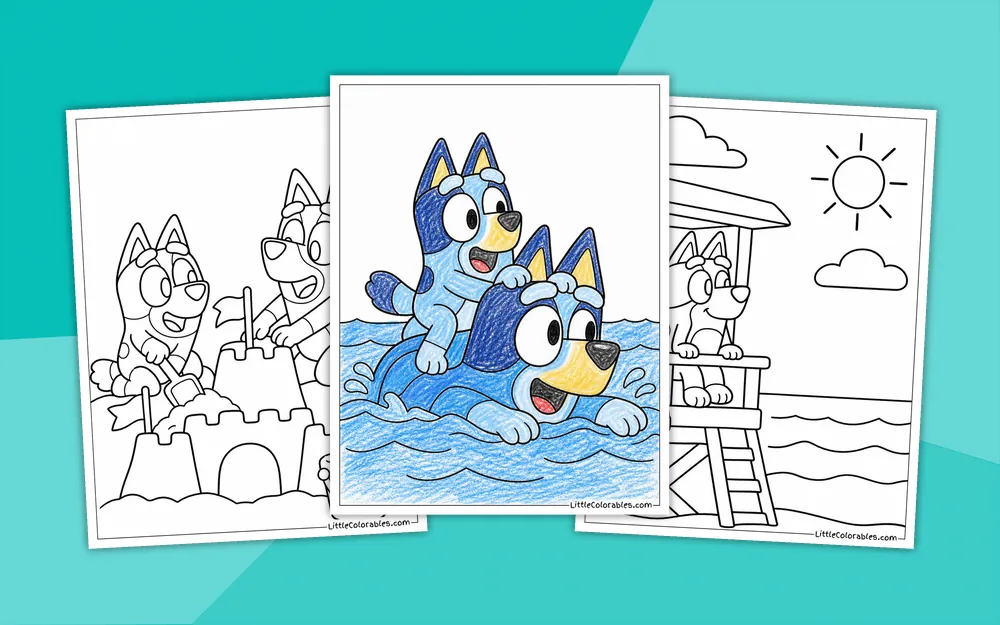
Printable Coloring Page Previews