Introduction
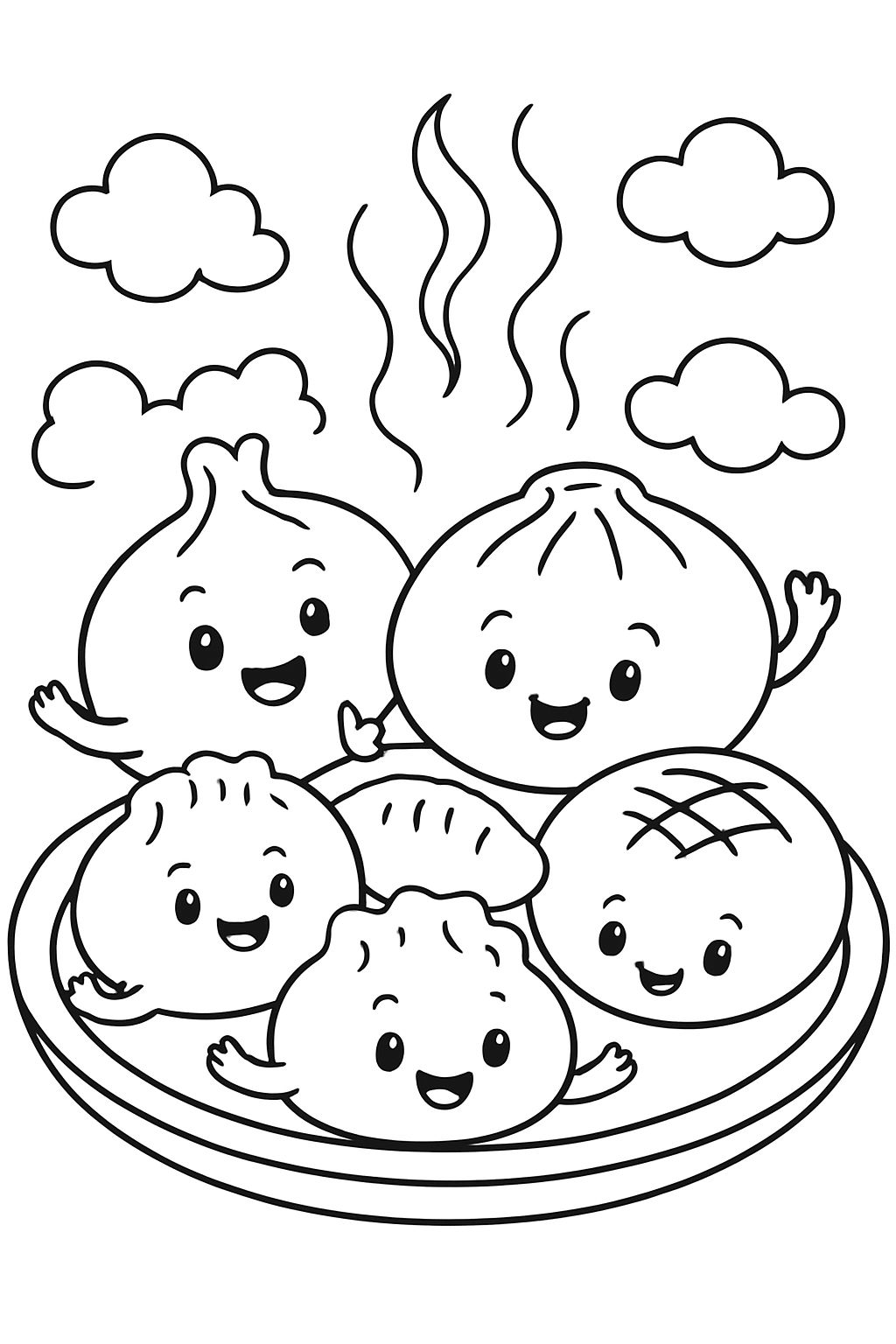
Coloring pages dumplings serve as an engaging cross-cultural visual arts tool that bridges fine motor skill refinement with cultural appreciation in early childhood education. According to the National Association for the Education of Young Children (NAEYC), hands-on creative tasks involving familiar, everyday objects help young learners build cognitive schemata, enhance visual-spatial awareness, and strengthen fine motor control through intentional hand-eye coordination. By focusing intricate lines on beloved culinary forms, students naturally transition from basic coloring to advanced pattern recognition and creative shading. Educators can easily expand these lessons into broader Art Activities that integrate global traditions into daily classroom routines.
Visual Learning & Skill Snapshot:
- Core Focus: Detailed culinary-themed linework designed to improve precision, line control, and cultural literacy.
- Target Skill: Spatial reasoning, rhythmic pattern repetition, and fine-motor proportion.
- Key Recommendation: Pair large-format linework with diverse medium exploration, such as watercolor pencils, to deepen tactile engagement.
Core Principles and Learning Overview
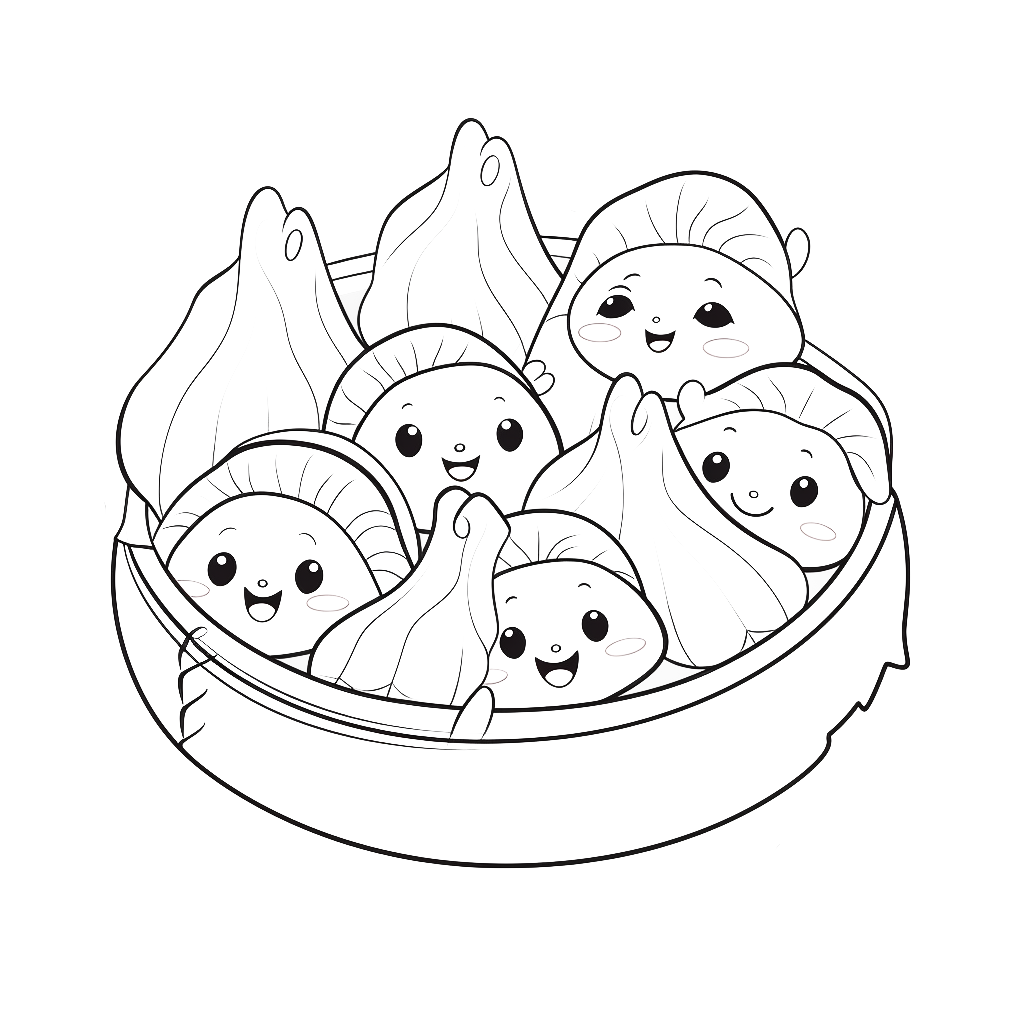
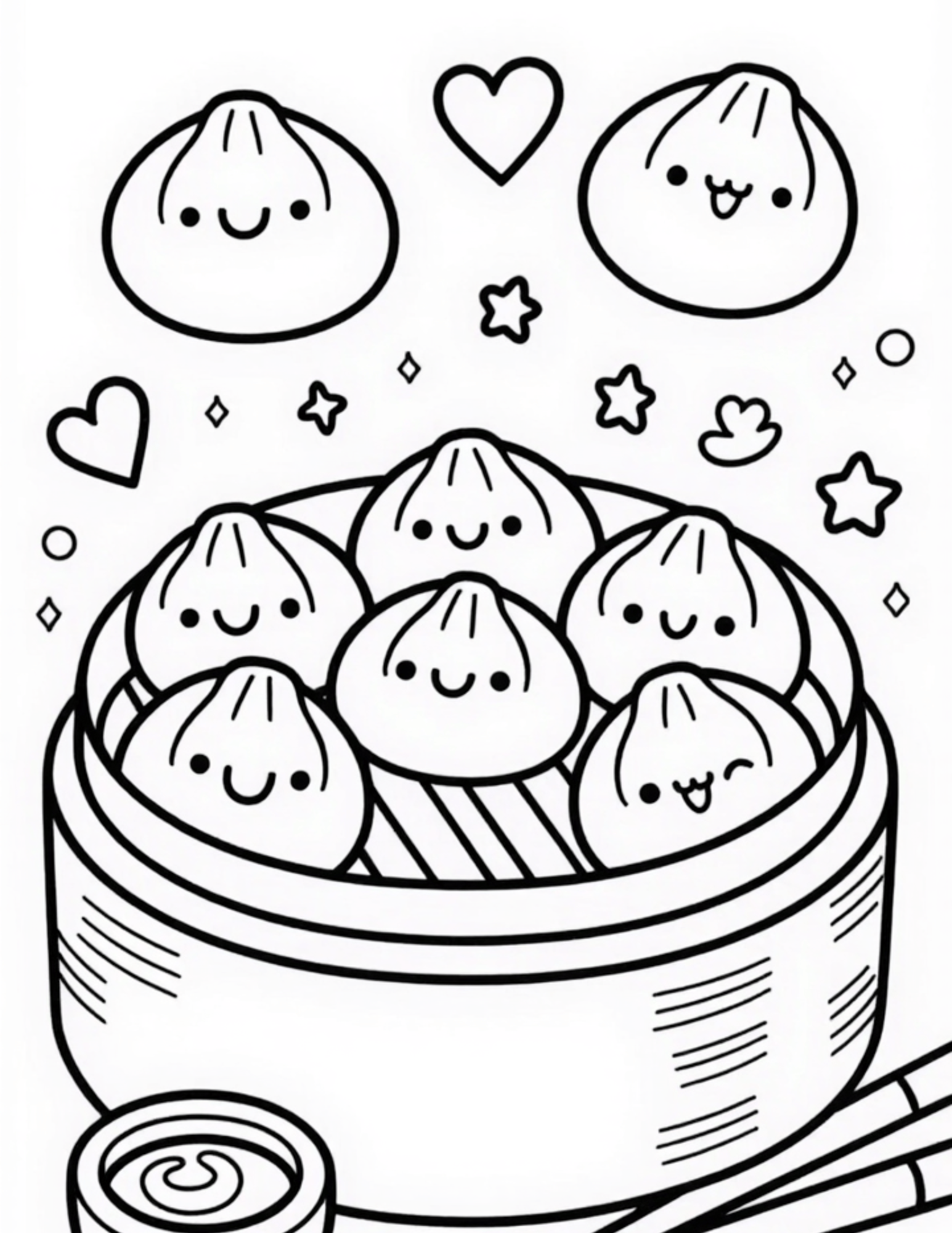
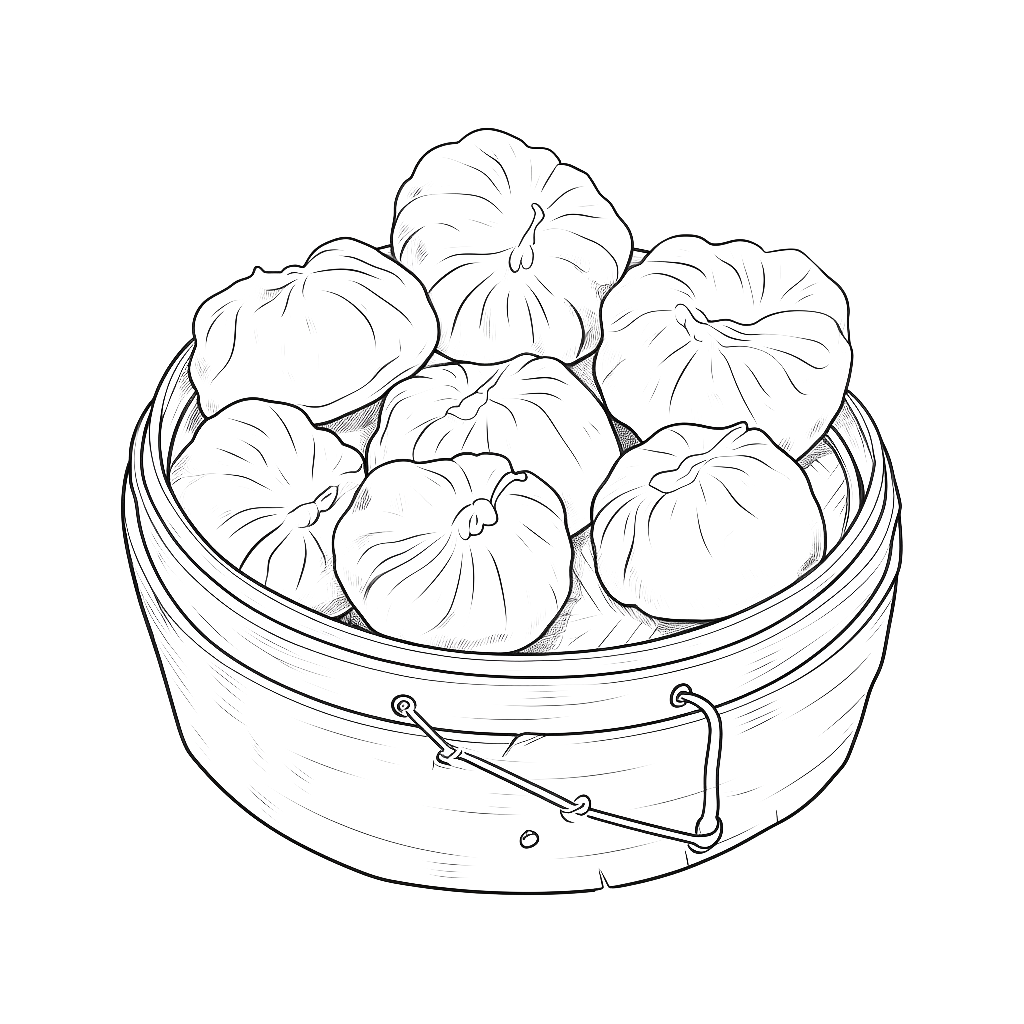
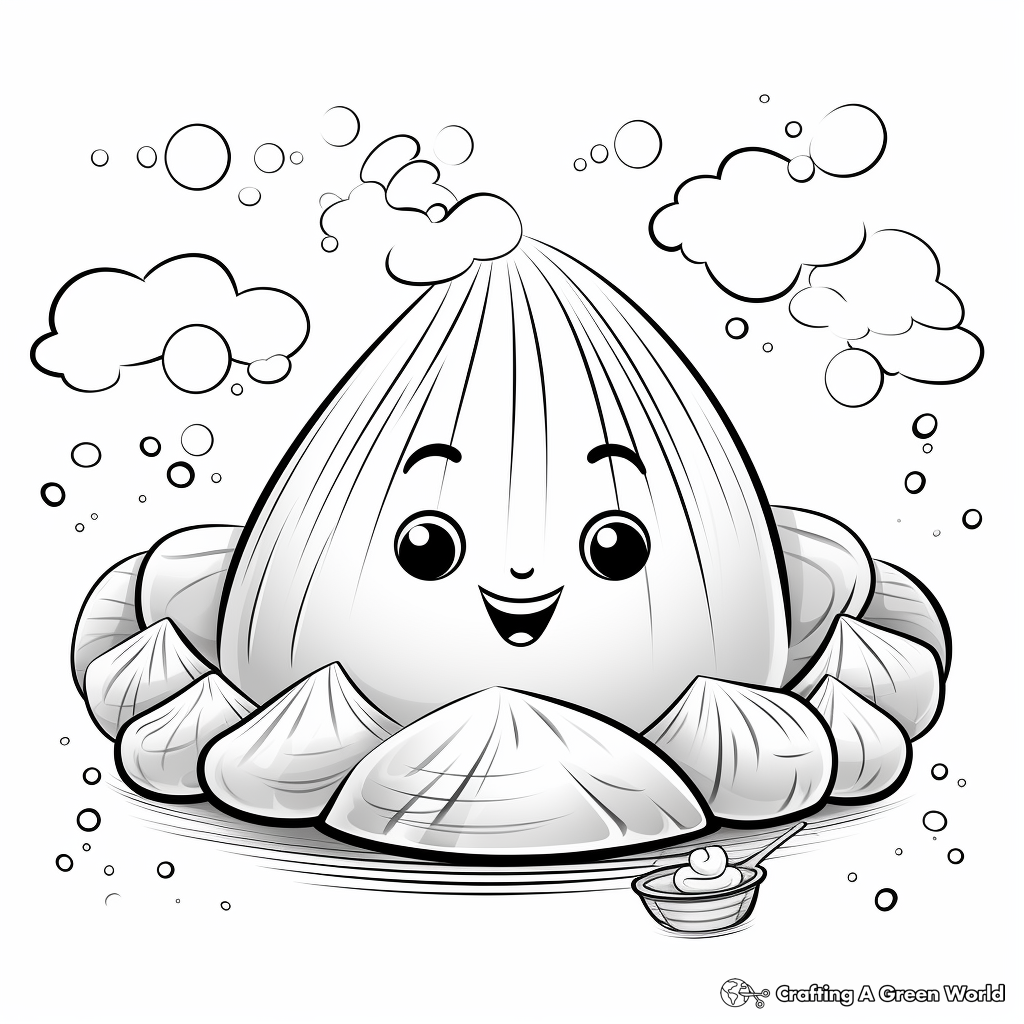
Coloring pages dumplings provide structured opportunities for children to explore radial symmetry, overlapping shapes, and textures through controlled pencil strokes. The distinct curved creases, pleated edges, and steaming bamboo baskets present unique visual challenges that require children to grade pressure and plan color schemes carefully. Working through these distinct geometric patterns encourages spatial orientation and supports early mathematics concepts like symmetry, division, and grouping. For classrooms looking to diversify their creative repository, these sheets complement structured Drawing Worksheets designed to build foundational contour line mastery.
Key Specifications and Breakdown
| Age / Learning Stage | Visual Skill & Ratio | Pedagogical Application & Scaffolding |
|---|---|---|
| Ages 3-4 (Preschool) | Thick contour lines with low detail density | Focus on gross motor grip, filling large enclosed shapes, and basic color identification. |
| Ages 5-6 (Kindergarten) | Moderate detail density with distinct pleated folds | Encourage pattern repetition, contrasting colors for fillings versus wrappers, and edge control. |
| Ages 7+ (Early Elementary) | High-complexity scenes featuring bamboo steamers and dipping sauces | Introduce shading gradients, texture representation, and narrative scene building. |
Intentional engagement with culturally diverse visual motifs supports fine motor development while fostering global awareness and cognitive flexibility in early childhood. — National Art Education Association (NAEA)
Step-by-Step Practical Application and Guidelines
Implementing these creative printables successfully requires thoughtful material selection and sequential scaffolding that meets diverse developmental needs. Educators should begin by presenting high-resolution prints that feature clear, bold outlines suitable for the target age group. Introduce the subject by discussing the real-world object, allowing tactile observation of shape and form before any coloring instrument touches the page. Encourage learners to outline the curved pleats first using a fine-tip marker before filling larger negative spaces with softer mediums like crayons or pastels. To extend this creative momentum into three dimensions, teachers can seamlessly integrate complementary Printable Crafts that translate flat paper art into interactive models.
Common Challenges and How to Avoid Them
Over-saturation and hand fatigue represent the most frequent hurdles when young children tackle highly detailed food-based linework. Prevent frustration by selecting simplified designs for younger cohorts and reserving intricate multi-dumpling baskets for older students with established hand stamina. When learners rush through the delicate pleated folds, guide them to slow down by breaking the coloring process into small, manageable sections, treating each individual fold as a distinct artistic puzzle. Providing ergonomic drawing tools and stable, glare-free workspace lighting further mitigates visual strain and ensures an enjoyable, frustration-free artistic experience.
💬 Frequently Asked Questions
Conclusion and Next Steps
Integrating creative culinary themes into everyday learning routines enriches both artistic capability and cultural literacy in developing minds. Educators and parents seeking to expand their creative libraries can explore a vast array of high-quality educational templates by visiting the main catalog of Coloring Pages.
Printable Coloring Page Previews