Introduction
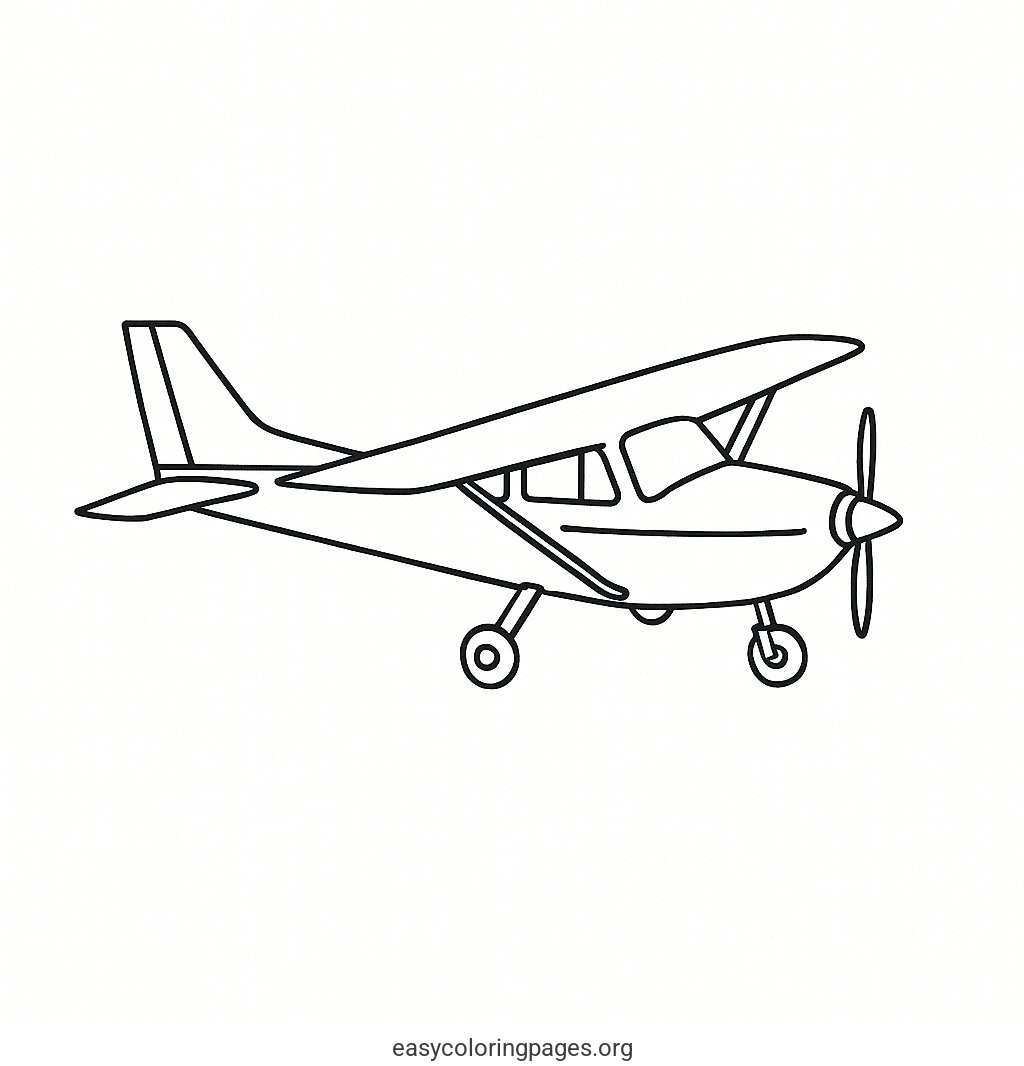
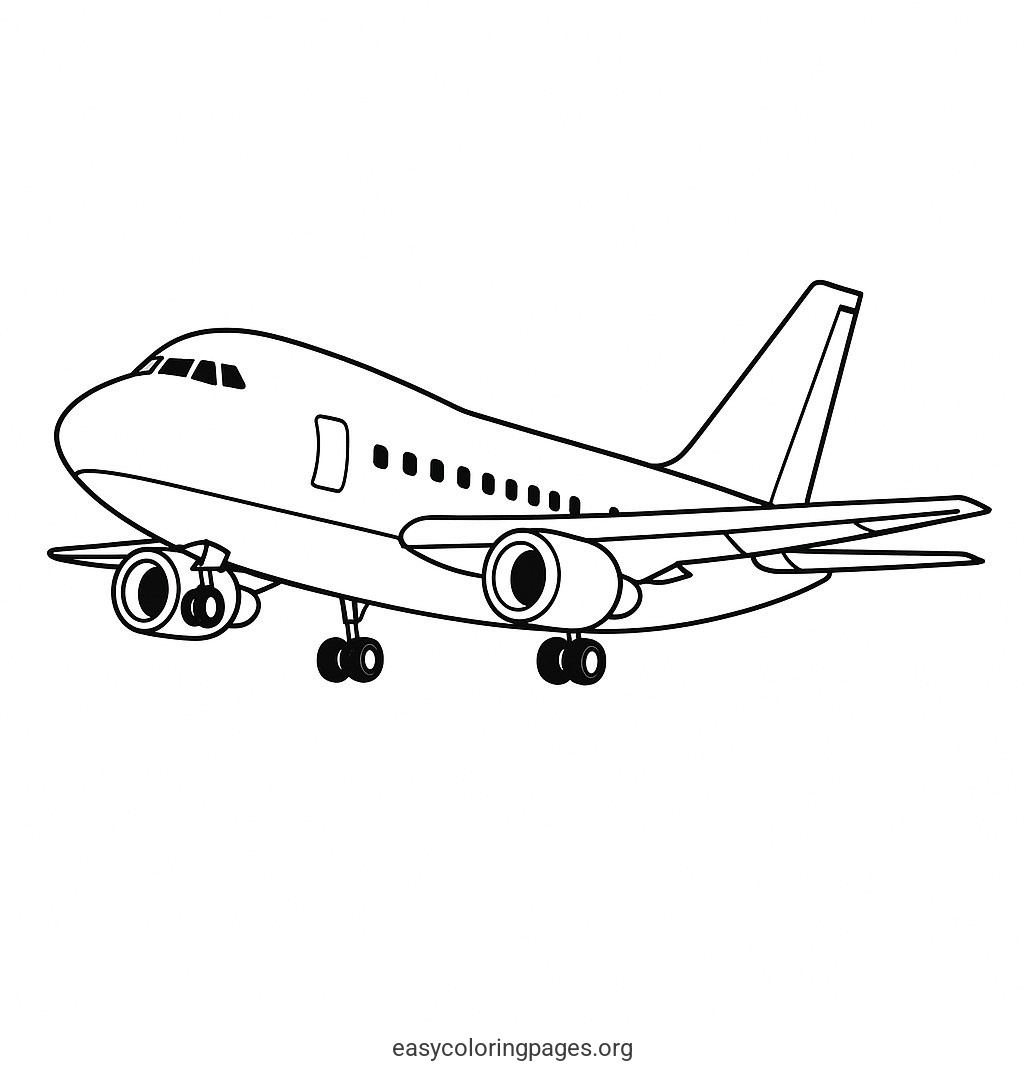
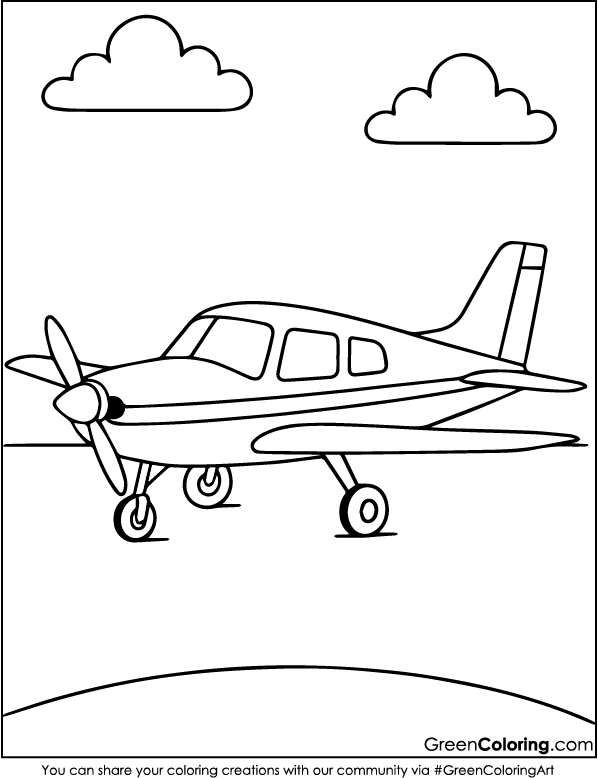
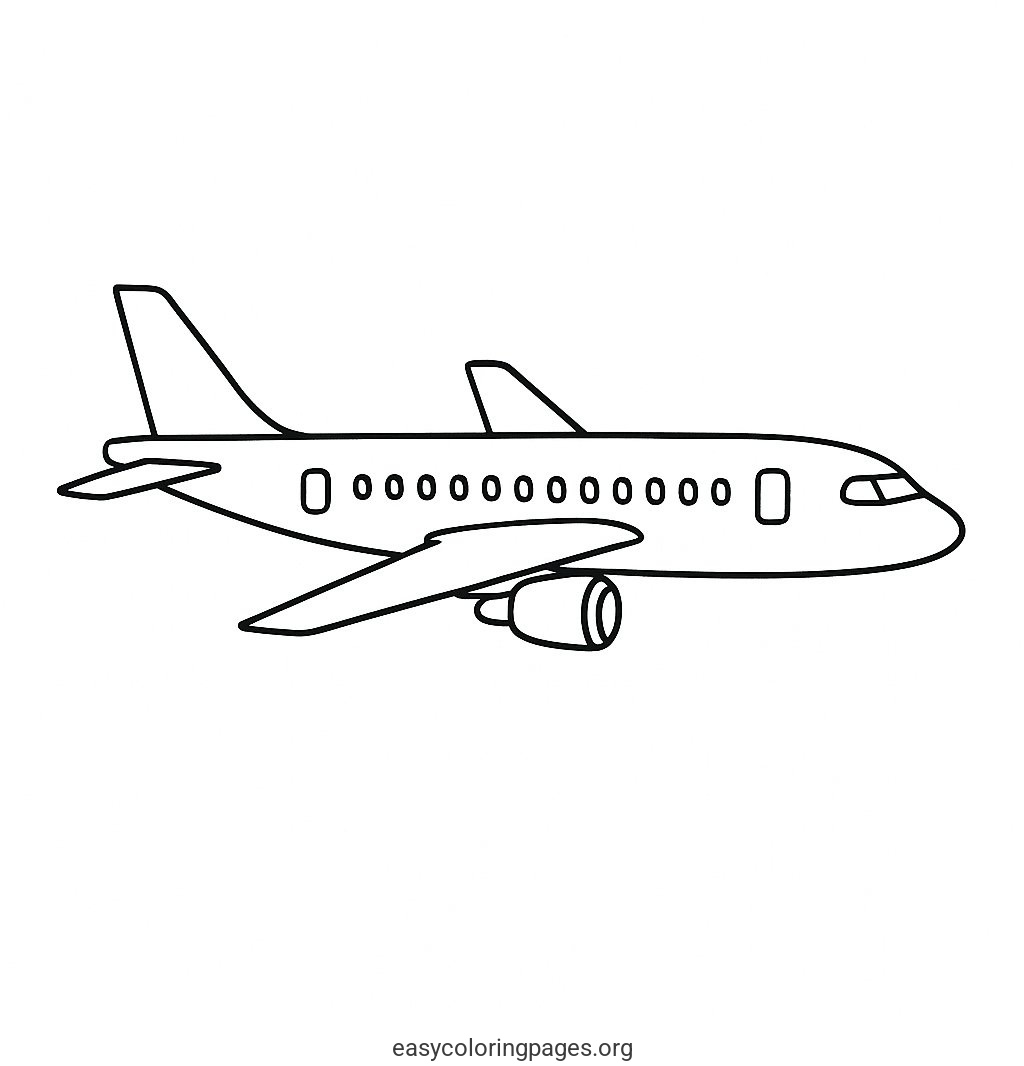
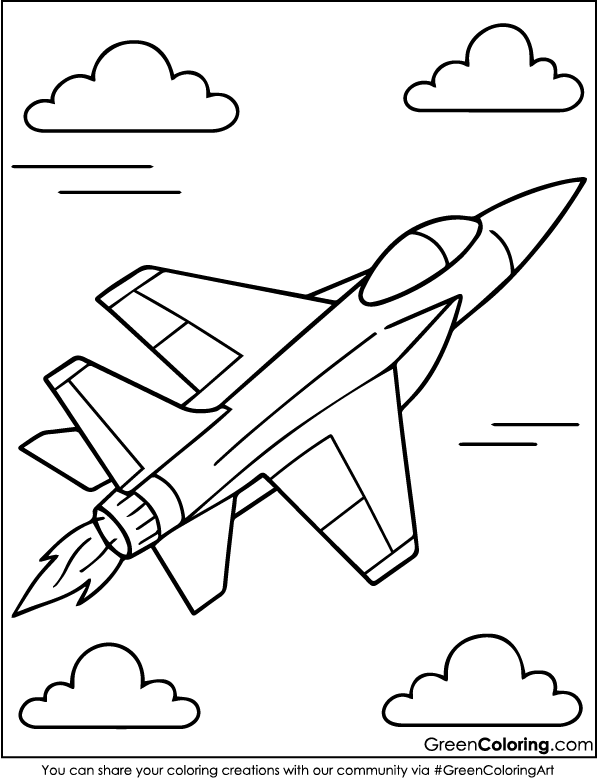
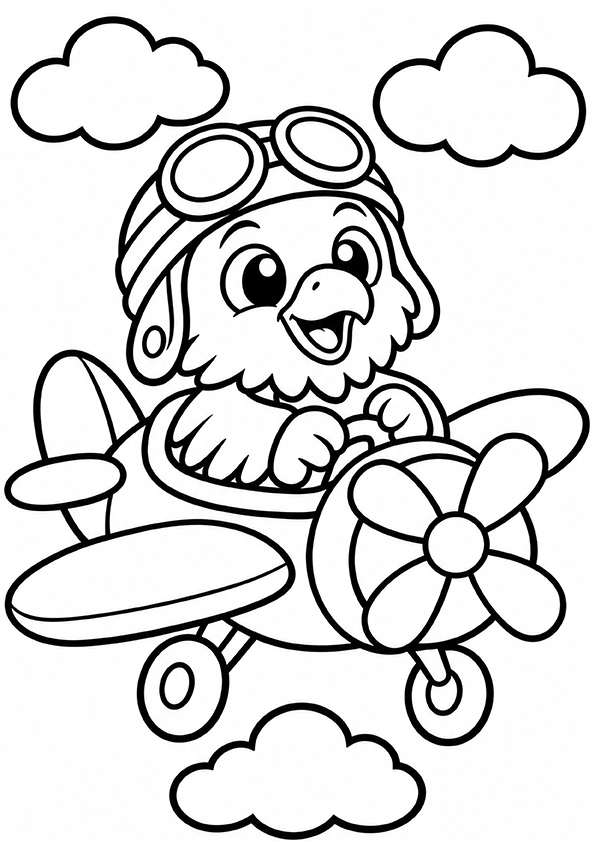
Coloring pages airplane sheets serve as targeted visual-spatial instruments designed to bridge mechanical concepts with early childhood fine-motor development. According to the National Association for the Education of Young Children (NAEYC), structured drawing and coloring worksheets significantly enhance hand-eye coordination, spatial orientation, and visual discrimination in young learners. Integrating aviation-themed graphics into early childhood curricula provides children with engaging geometric references, such as wings, fuselages, and propellers, which cultivate both artistic expression and foundational STEM awareness.
Visual Learning & Skill Snapshot:
- Core Focus: Aviation-themed printable sheets fostering visual-motor integration and engineering curiosity.
- Target Skill: Spatial reasoning, visual discrimination, fine-motor control, and geometric proportion.
- Key Recommendation: Pair structured coloring worksheets with open-ended drawing exercises to build confidence.
Core Principles and Learning Overview
Coloring pages airplane selections establish rigorous visual scaffolding by translating complex machinery into approachable outlines that promote controlled pencil grip and line boundary adherence. Educators utilize these assets to bridge creative art sessions with physical science discussions regarding flight, gravity, and symmetry. By exploring detailed Coloring Pages, students encounter varying line weights and complex perspective angles that challenge visual processing systems. Furthermore, integrating specialized Drawing Worksheets alongside these prints helps transition children from passive color filling to active line reproduction and spatial mapping.
Key Specifications and Breakdown
| Age / Learning Stage | Visual Skill & Ratio | Pedagogical Application & Scaffolding |
|---|---|---|
| Ages 3-4 (Early Explorer) | Thick outlines, low-detail vectors, simple commercial jets. | Focuses on gross motor control, large muscle movement, and basic color identification within broad boundaries. |
| Ages 5-7 (Developing Artist) | Moderate detail, biplanes, propeller planes, and directional paths. | Encourages precise wrist movement, pattern repetition, and discussions on mechanical symmetry and directional motion. |
| Ages 8-10 (Advanced Student) | Complex schematic designs, historical aircraft, and technical cutaways. | Supports advanced spatial reasoning, shading techniques, and cross-curricular links to geography and history. |
Structured visual art activities directly stimulate neural pathways responsible for spatial reasoning, bilateral coordination, and visual-motor integration. — National Art Education Association (NAEA)
Step-by-Step Practical Application and Guidelines
Executing an aviation art session requires deliberate material selection and environmental setup to maximize cognitive engagement. Instructors should begin by presenting high-contrast airplane printables alongside diverse media, including watercolor pencils, crayons, and fine-tip markers. Educators must guide students to observe directional lines, wing spans, and cockpit placements before applying color. Following the coloring phase, introducing complementary Printable Crafts allows learners to cut, fold, and assemble three-dimensional models, reinforcing the two-dimensional concepts previously explored.
Common Challenges and How to Avoid Them
Children frequently experience frustration when fine motor fatigue sets in during detailed propeller or cockpit shading tasks. To mitigate this challenge, educators should alternate between broad, sweeping coloring sessions and precise line-work tasks while ensuring workstations feature ergonomic seating and proper lighting. Discouraging the urge to rush through complex aircraft outlines helps students develop patience and analytical observation skills. Providing scaffolded options with varying levels of graphic complexity ensures every learner remains challenged without feeling overwhelmed by dense visual stimuli.
💬 Frequently Asked Questions
Conclusion and Next Steps
Incorporating aviation themes into creative learning routines unlocks valuable developmental milestones across spatial reasoning and fine-motor precision. Educators and parents seeking to expand their creative inventory can explore dynamic Art Activities designed to inspire imagination and build lasting technical skills in young learners.
Printable Coloring Page Previews