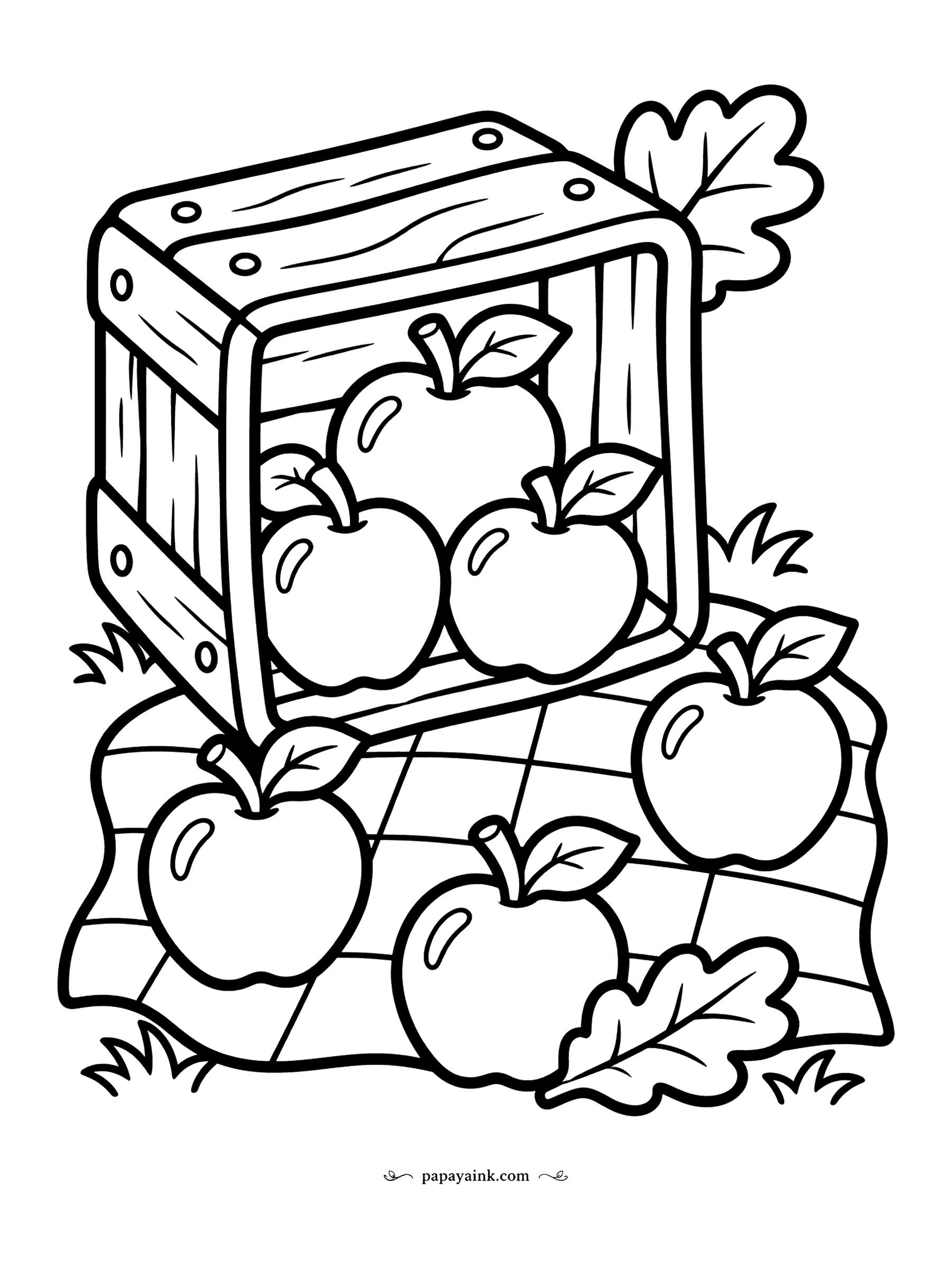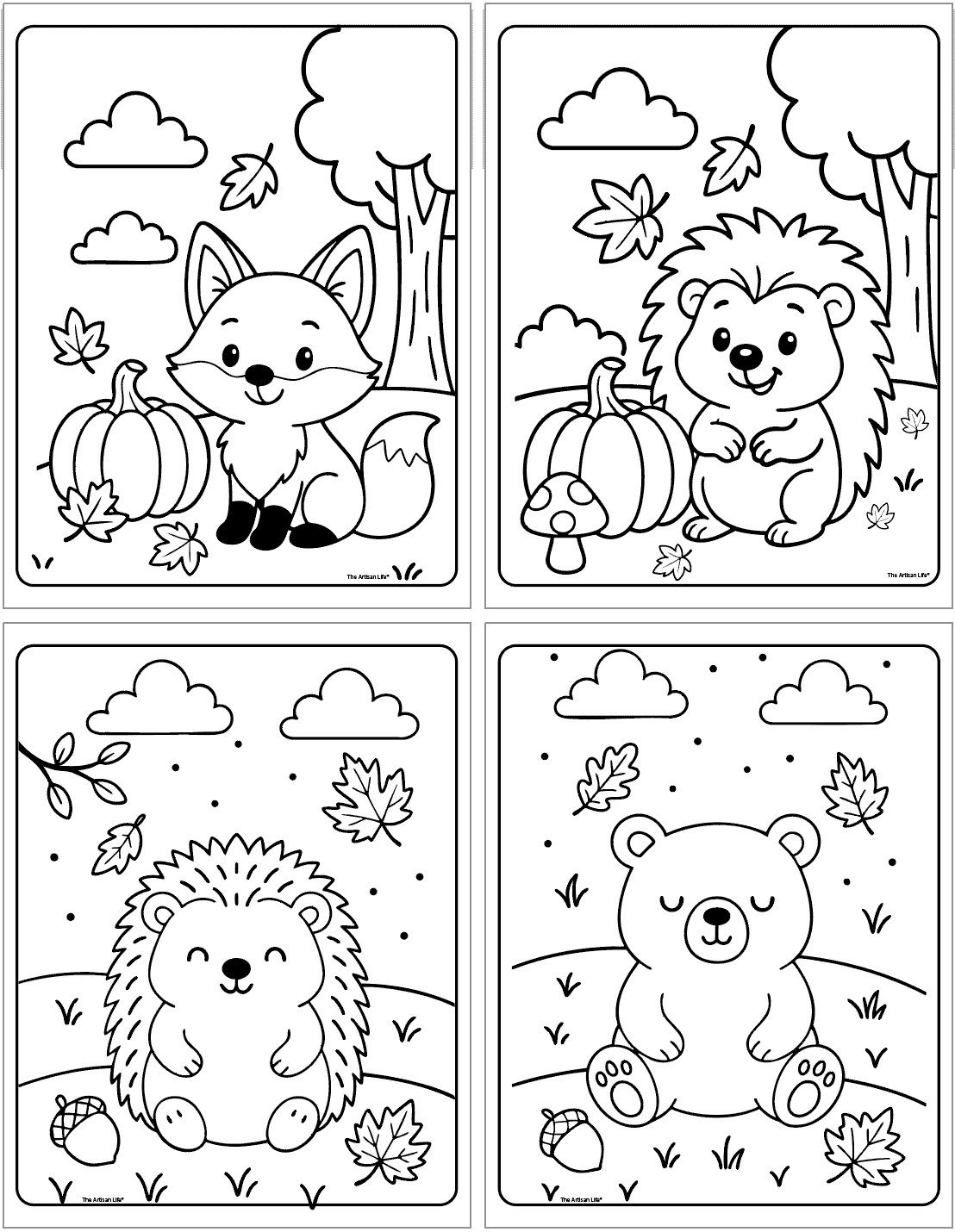
Introduction
Coloring pages autumn serve as structured visual media that promote fine-motor precision, color theory understanding, and seasonal cognitive recognition in early childhood development. According to the National Association for the Education of Young Children (NAEYC), purposeful manipulation of tactile learning materials builds foundational neural pathways required for advanced spatial reasoning and early writing mechanics. Utilizing Coloring Pages during seasonal transitions bridges the gap between abstract nature concepts and concrete artistic expression for young learners.
Visual Learning & Skill Snapshot:
- Core Focus: Application of seasonal foliage forms, warm chromatic palettes, and structured botanical line art.
- Target Skill: Fine-motor control, visual discrimination, and foundational color blending.
- Key Recommendation: Pair static line art with multi-media tools like watercolor washes and textured pastels.
Core Principles and Learning Overview
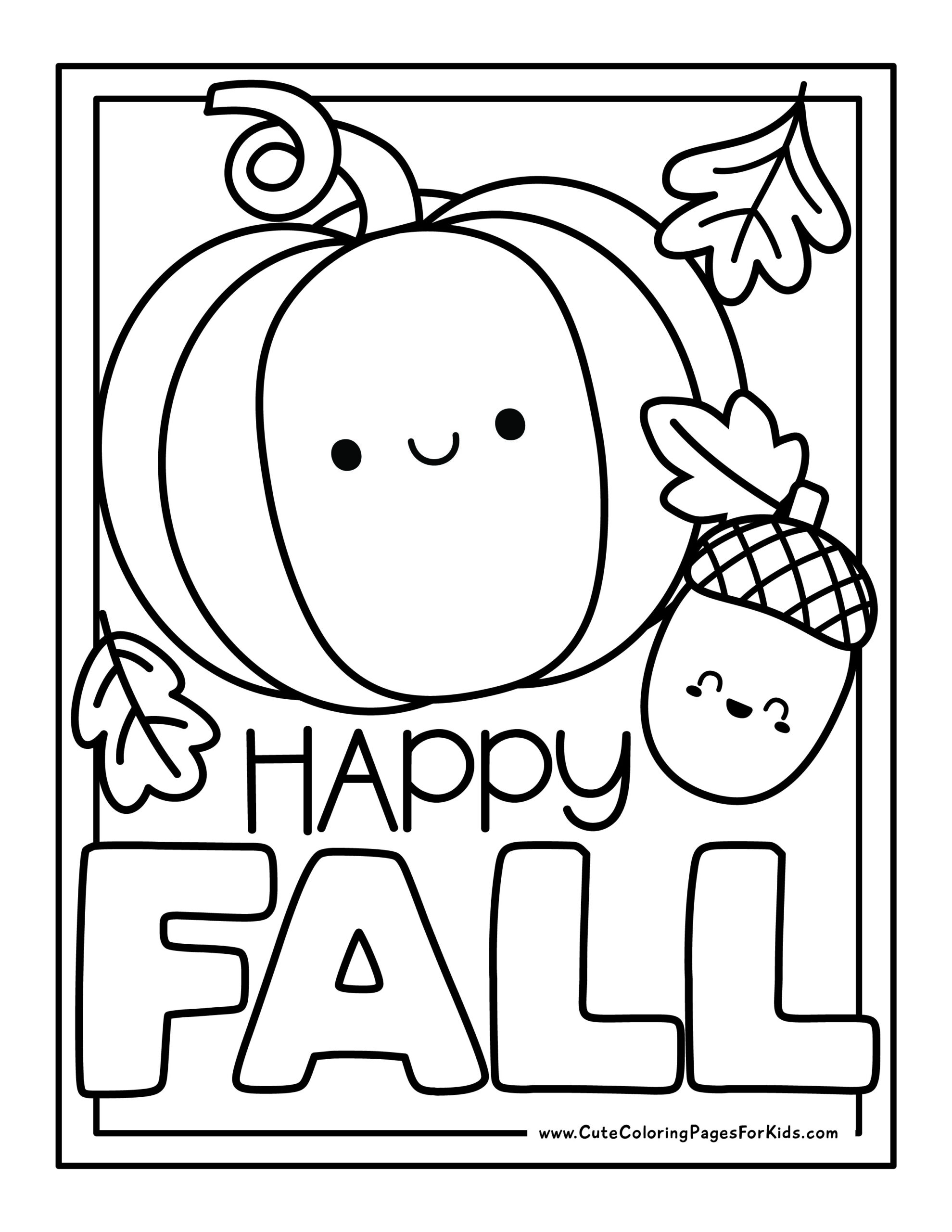
Autumn-themed visual resources leverage familiar environmental motifs—such as changing leaf veins, overlapping pumpkins, and asymmetrical acorns—to teach scale, line weight, and spatial balance. Educators and developmental specialists utilize these printable assets to transition children from loose scribble stages to intentional edge-to-edge control. By integrating Drawing Worksheets alongside standard printables, instructors provide children with guided practice in rendering organic contours, mirroring the natural complexity of the autumn harvest.
Key Specifications and Breakdown
| Age / Learning Stage | Visual Skill & Ratio | Pedagogical Application & Scaffolding |
|---|---|---|
| Ages 3-4 (Preschool) | Thick outlines, large forms (1:1 scale) | Encourages gross wrist movements and basic color-to-area containment within bold leaf shapes. |
| Ages 5-6 (Kindergarten) | Intermediate patterns, asymmetrical veins | Promotes detailed pencil grip, boundary precision, and warm-to-cool chromatic sorting. |
| Ages 7-8 (Early Elementary) | Complex botanical grids, layered overlap | Supports advanced shading techniques, texture replication, and cross-curricular autumn science links. |
Visual-spatial art experiences during early childhood directly correlate with enhanced mathematical proportion recognition and neurological development. — National Art Education Association (NAEA)
Step-by-Step Practical Application and Guidelines
Implementing seasonal printables effectively requires a structured progression from observational discussion to physical mark-making and final presentation. Instructors should begin by displaying real autumn foliage to prompt tactile exploration before distributing printed sheets. Following this initial sensory phase, students apply Art Activities to experiment with layering autumn hues, such as blending crimson, amber, and gold wax crayons. Finally, completed sheets can be transformed into physical classroom displays or combined with Printable Crafts to build dimensional autumn dioramas.
Common Challenges and How to Avoid Them
Young learners frequently encounter frustration when attempting to color complex botanical patterns without adequate hand fatigue management or visual tracking strategies. To mitigate hand cramping, educators should limit single-sitting coloring durations and introduce varied media like soft chalks or broad-tipped markers. Furthermore, addressing rushing tendencies involves encouraging children to outline outer boundaries slowly before filling interior spaces, ensuring sustainable progress in fine-motor patience and visual-motor integration.
💬 Frequently Asked Questions
Conclusion and Next Steps
Integrating purposeful seasonal visual resources into early learning environments fosters critical fine-motor proficiency, spatial awareness, and deep engagement with nature. Educators and parents can expand seasonal lesson plans by exploring additional high-quality resources available through Coloring Pages to inspire ongoing creativity and cognitive growth throughout the entire academic year.
Printable Coloring Page Previews