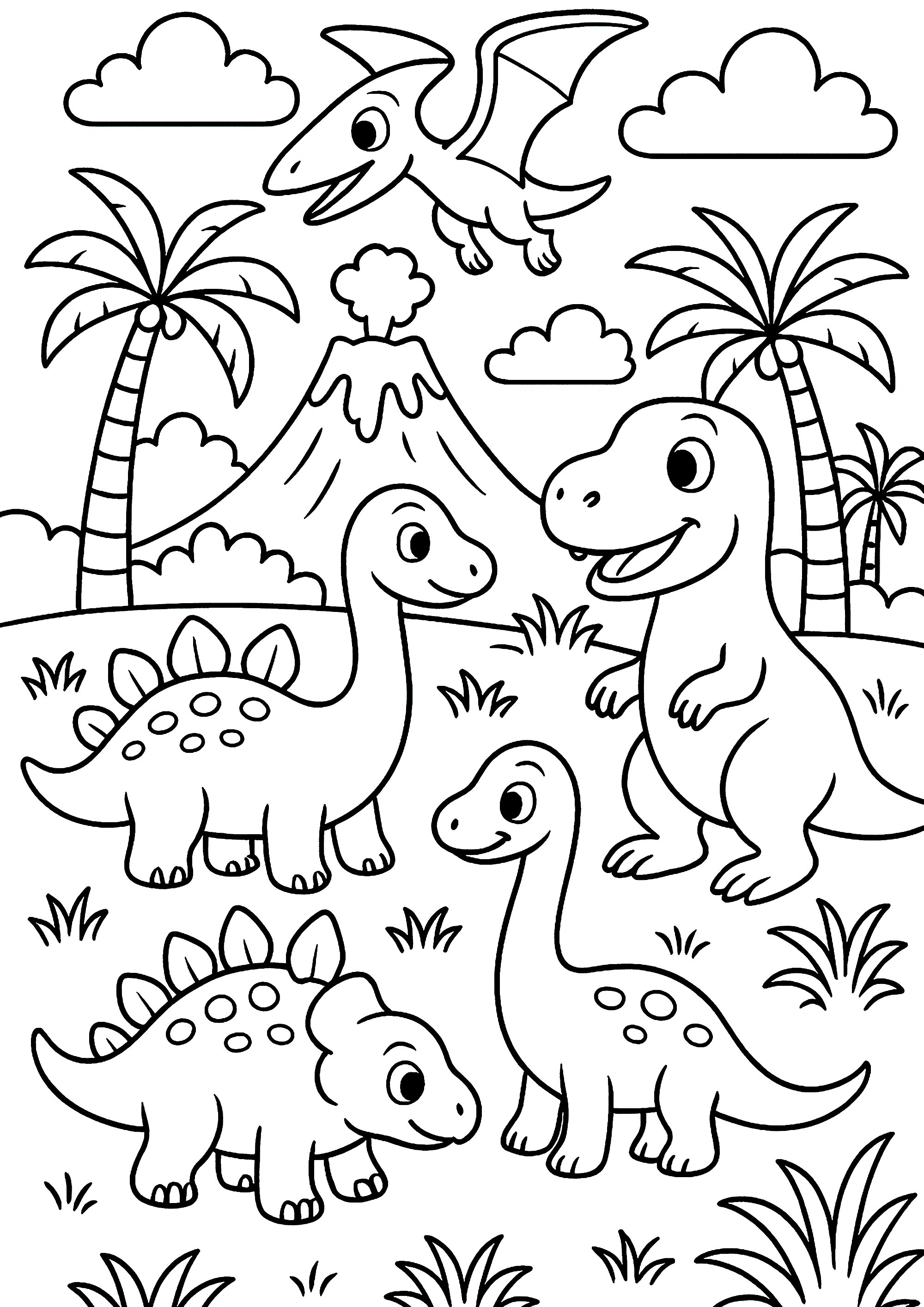
Introduction
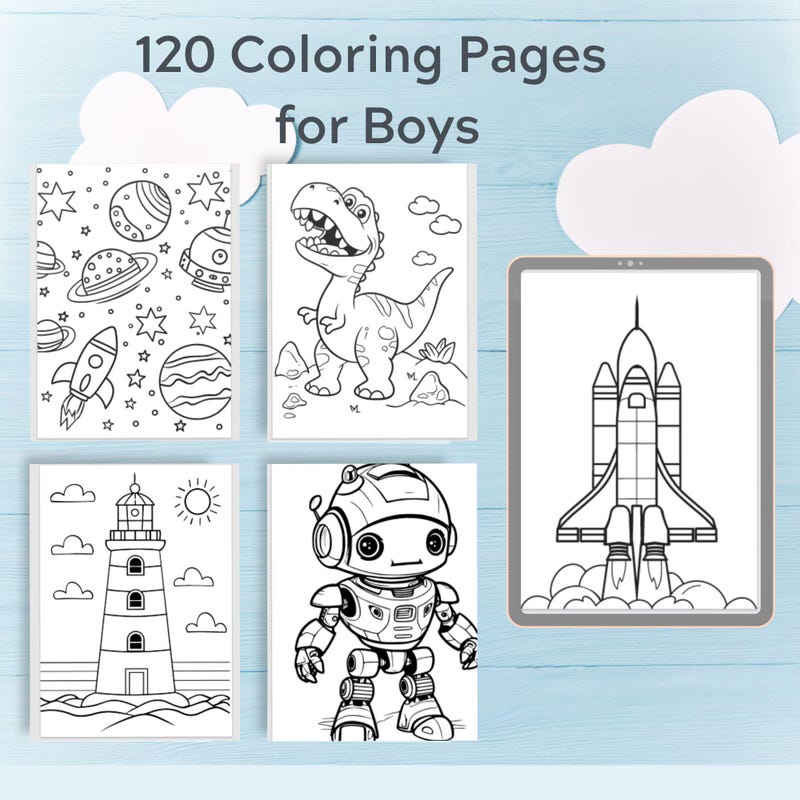
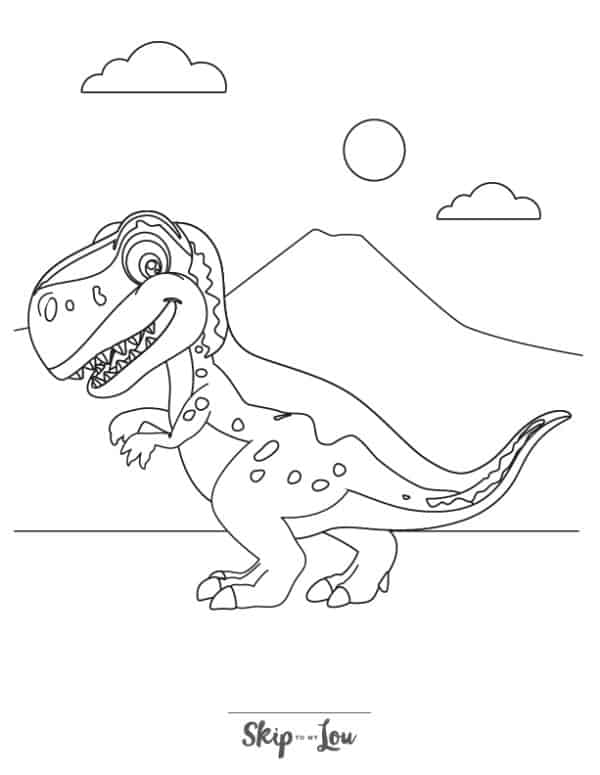
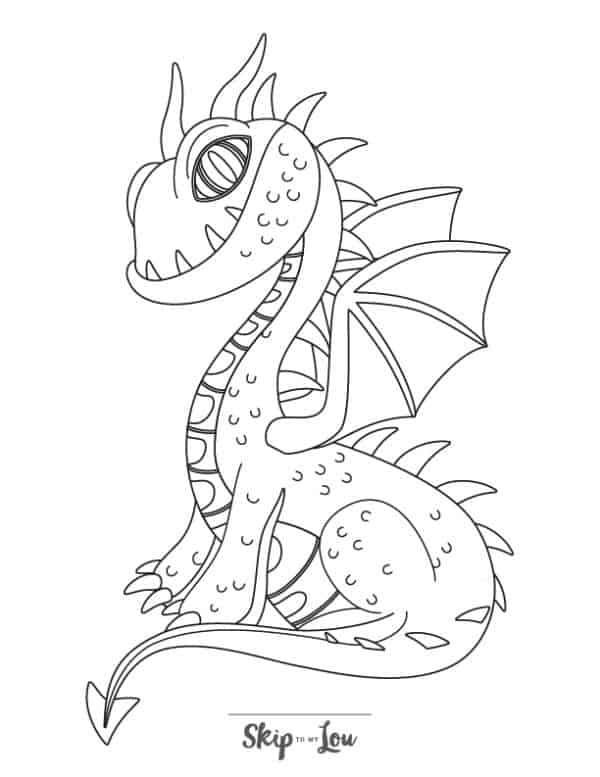
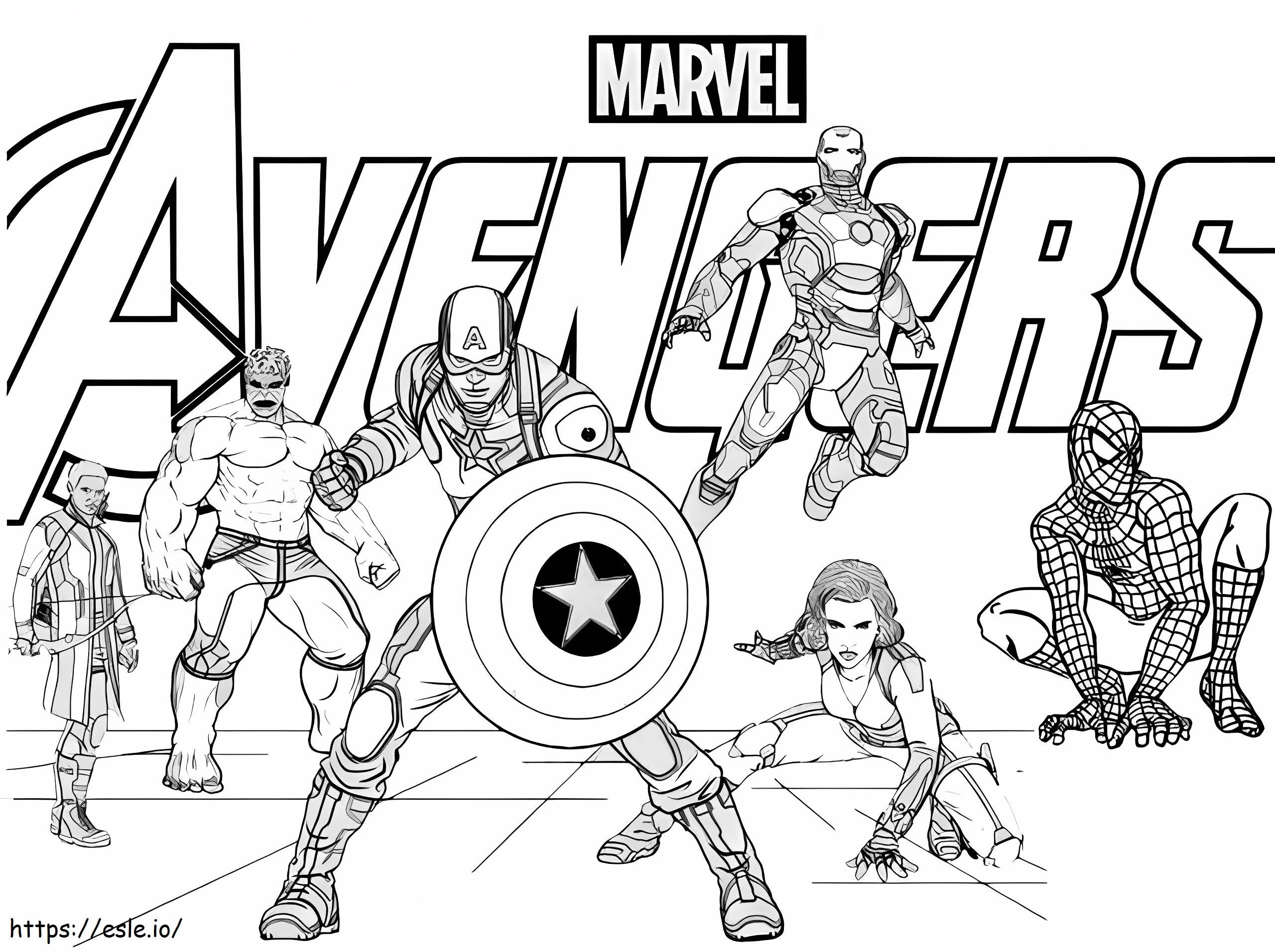
Coloring pages for boys serve as structured foundational tools that enhance fine-motor coordination, spatial awareness, and visual-spatial reasoning through targeted graphic engagement. According to the National Association for the Education of Young Children (NAEYC), developmentally appropriate creative exercises foster cognitive growth and sustained attention spans in early childhood. Utilizing specialized Coloring Pages allows educators and parents to channel high-energy interests into deliberate, skill-building visual arts experiences.
Visual Learning & Skill Snapshot:
- Core Focus: Targeted thematic sheets designed to engage boys in structured graphic practice.
- Target Skill: Fine-motor control, hand-eye coordination, and spatial boundary adherence.
- Key Recommendation: Select designs featuring dynamic subjects combined with clear, thick outlines to support visual tracking.
Core Principles and Learning Overview
Deliberate graphic practice requires balancing engaging subject matter with structured visual boundaries to maintain focus and build manual dexterity. Structured illustration sheets bridge the gap between free play and academic discipline by training hands to maneuver writing utensils within defined perimeters. Incorporating Drawing Worksheets alongside standard coloring tasks reinforces contour recognition and pencil grip stability. Early learners benefit immensely from thematic variety that connects graphic arts to real-world mechanisms, animals, and architectural concepts, thereby strengthening cognitive categorization and analytical observation.
Key Specifications and Breakdown
| Age / Learning Stage | Visual Skill & Ratio | Pedagogical Application & Scaffolding |
|---|---|---|
| Ages 3-4 (Early Explorer) | Thick outlines, large scale ratio (1:1), minimal detail. | Focuses on gross motor control and basic hand-eye coordination. |
| Ages 5-6 (Developing Artist) | Moderate linework, medium detail, balanced negative space. | Encourages precision, boundary awareness, and pressure control. |
| Ages 7-8+ (Advanced Student) | Complex geometric or mechanical themes, high detail density. | Builds sustained concentration, shading techniques, and perspective mapping. |
Structured visual motor activities significantly enhance graphomotor control and spatial orientation when integrated consistently into early educational routines — National Art Education Association (NAEA)
Step-by-Step Practical Application and Guidelines
Successful implementation of graphic learning materials depends on proper material preparation, environmental staging, and progressive task difficulty. Begin by selecting high-contrast printouts that match the developmental stage of the child, ensuring lines are bold enough to guide erratic hand movements. Pair these sheets with appropriate media such as triangular crayons, thick colored pencils, or washable markers to promote proper tripod grasp mechanics. Educators should establish brief, focused sessions rather than prolonged periods to prevent hand fatigue and maintain high engagement levels, periodically introducing Art Activities to expand creative versatility.
Common Challenges and How to Avoid Them
Frustration and rushing frequently occur when children encounter overly intricate designs or improper writing tools that compromise hand stability. Adults can mitigate these issues by scaling down complexity, offering larger printing formats, and modeling slow, deliberate stroke techniques on a separate sheet. Introducing complementary Printable Crafts helps bridge the gap between two-dimensional coloring and three-dimensional spatial understanding, keeping reluctant learners motivated through tactile variety.
💬 Frequently Asked Questions
Conclusion and Next Steps
Integrating purposeful graphic resources into daily routines lays a robust foundation for lifelong artistic appreciation and academic readiness. Caregivers and educators can explore a vast collection of high-quality educational materials designed to support early childhood development by visiting the curated Coloring Pages archive at ColorLeaf Studio.
Printable Coloring Page Previews