Introduction
A drawing sheets bundle is an organized collection of printable graphic templates engineered to systematically develop fine-motor control, spatial orientation, and visual-artistic fluency in young learners. According to the National Association for the Education of Young Children (NAEYC), purposeful manipulation of structured drawing and writing media directly enhances bilateral coordination, visual-motor integration, and foundational cognitive architecture in early childhood. By utilizing themed Drawing Worksheets, educators and parents provide structured scaffolding that transforms abstract creative concepts into tangible, incremental skill-building steps. Every carefully curated bundle bridges the gap between unstructured play and focused artistic execution, establishing a reliable framework for progressive visual learning across home and classroom environments.
Visual Learning & Skill Snapshot:
- Core Focus: Systematic, theme-based printable drawing collections designed for early cognitive and motor development.
- Target Skill: Fine-motor control, bilateral integration, visual discrimination, and spatial proportion.
- Key Recommendation: Print on high-weight matte paper and pair with varied tactile drawing tools to optimize resistance and grip strength.
Core Principles and Learning Overview
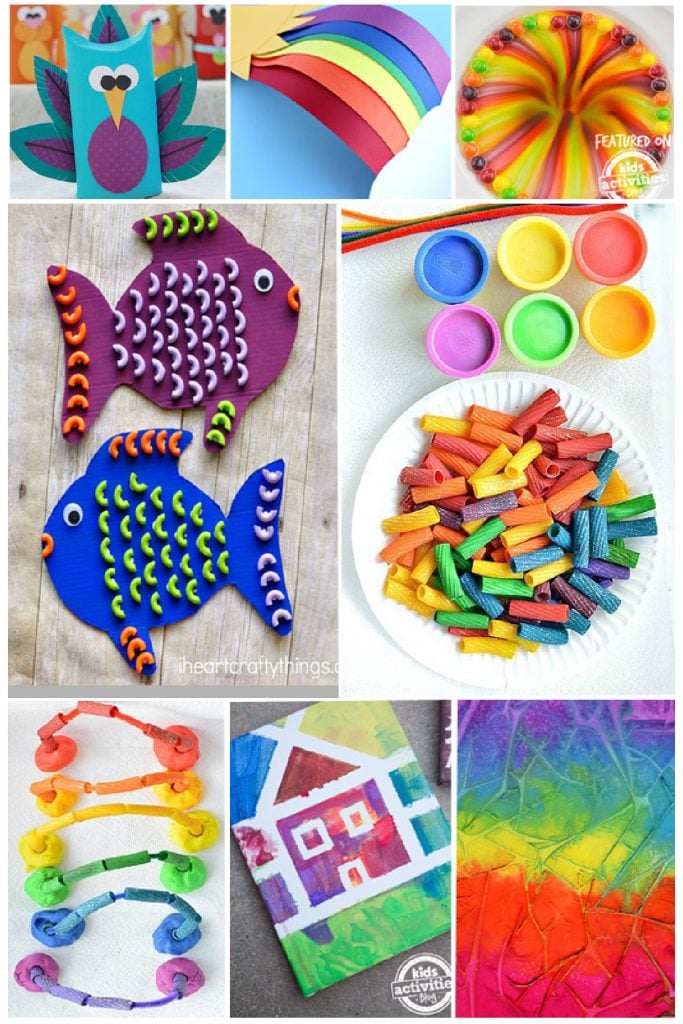
Structured drawing sheet collections function by breaking complex visual forms down into manageable geometric components that match the developmental milestones of young learners. Direct engagement with these printable assets stimulates the parietal lobes, which govern spatial awareness and sensory processing while refining the intrinsic hand muscles necessary for writing and advanced design. When children trace, replicate, and expand upon guided line work, neural pathways connecting visual input to manual output become significantly reinforced. Educators frequently integrate these materials alongside complementary Art Activities to foster multi-sensory comprehension, encouraging learners to transition from two-dimensional sheet exercises to expressive, self-directed creations.
Key Specifications and Breakdown
| Age / Learning Stage | Visual Skill & Ratio | Pedagogical Application & Scaffolding |
|---|---|---|
| Ages 3-4 (Early Explorer) | Gross motor control, horizontal/vertical stroke recognition, primary shape matching (1:1 scale). | Use thick boundary lines and tactile finger-tracing prompts before introducing writing utensils. |
| Ages 5-6 (Emerging Artist) | Proportional scaling, directional line control, pattern completion, and spatial symmetry (2:1 ratio). | Incorporate grid-based drawing sheets and guided step-by-step sequential breakdown boxes. |
| Ages 7-9 (Independent Creator) | Perspective basics, observational sketching, negative space awareness, and thematic storytelling. | Provide open-ended prompts combined with intricate design sheets to encourage individual artistic expression. |
Structured visual practice using sequential drawing sheets supports cognitive maturation by reinforcing executive function, focused attention span, and fine-motor precision. — National Art Education Association (NAEA)
Step-by-Step Practical Application and Guidelines
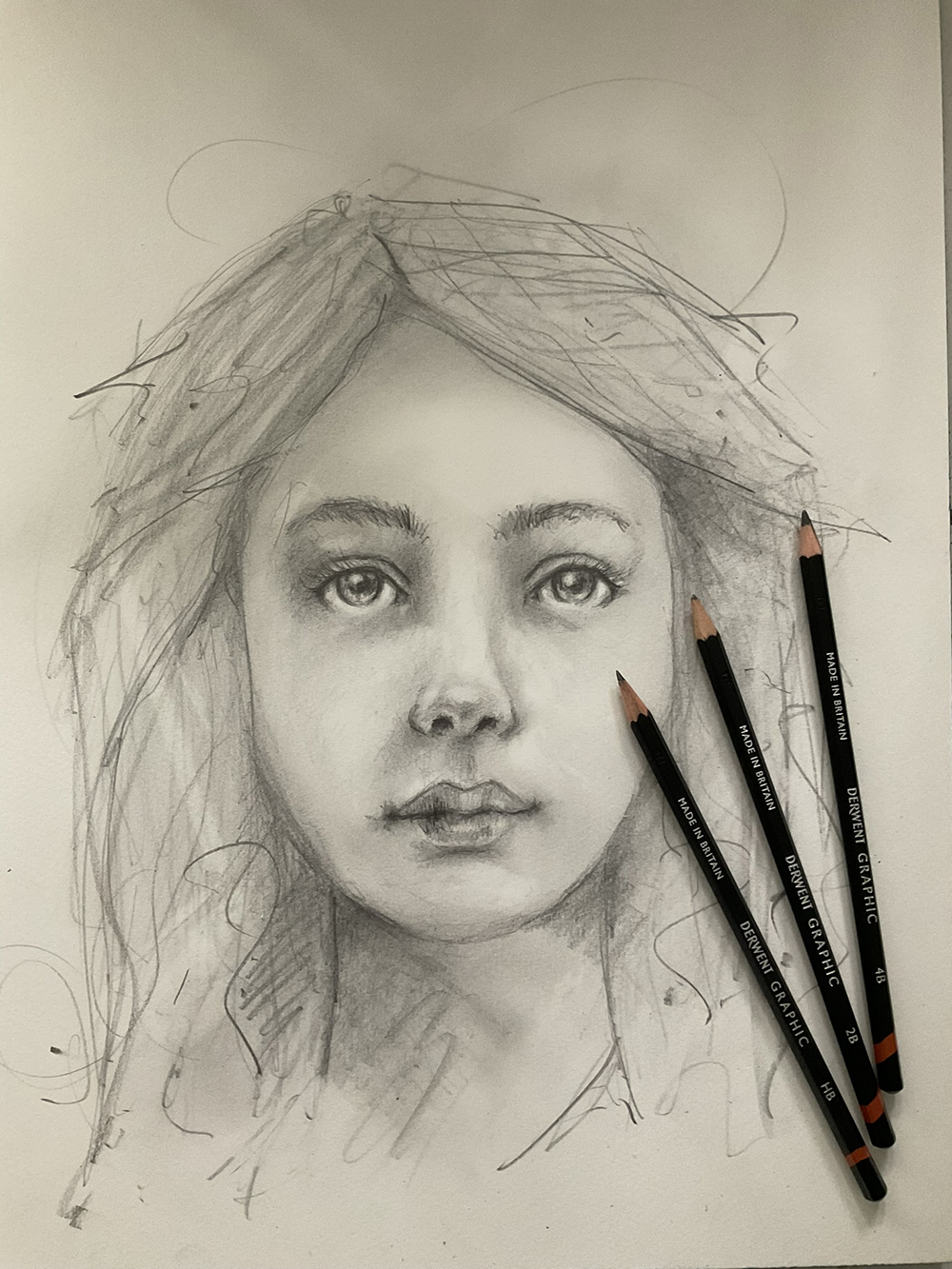
Successful implementation of a drawing sheets bundle requires an intentional setup that prioritizes workspace ergonomics, appropriate writing tools, and unhurried pacing. Begin by selecting a quiet, well-lit workspace and securing the printed sheet with low-tack tape to prevent frustrating slips during fine-motor execution. Instructors should guide learners to observe the entire sheet before picking up a pencil, encouraging verbal identification of shapes, lines, and directional flows. Pair these sheets with appropriately weighted colored pencils, soft graphite leads, or water-based markers to provide optimal tactile feedback. For children transitioning into multi-step projects, supplement the drawing session with hands-on Printable Crafts that echo the thematic elements present on the activity pages.
Common Challenges and How to Avoid Them
Young learners frequently encounter hurdles such as grip fatigue, frustration with complex proportions, and rushing through intricate line work when engaging with standalone drawing prompts. To mitigate hand cramping, ensure that pencils feature ergonomic triangular grips and verify that chair and table heights allow feet to rest flat on the floor. When children express overwhelm regarding detailed drawing tasks, utilize index cards or opaque paper to mask parts of the sheet, revealing only one instructional step at a time. Furthermore, celebrating intentional effort over flawless final lines helps cultivate a resilient growth mindset, transforming occasional mistakes into valuable learning moments.
💬 Frequently Asked Questions
Conclusion and Next Steps
Integrating structured drawing resources into daily learning routines provides children with the essential building blocks for artistic confidence and cognitive growth. Explore our complete collection of Coloring Pages to unlock boundless creative potential today.