Introduction
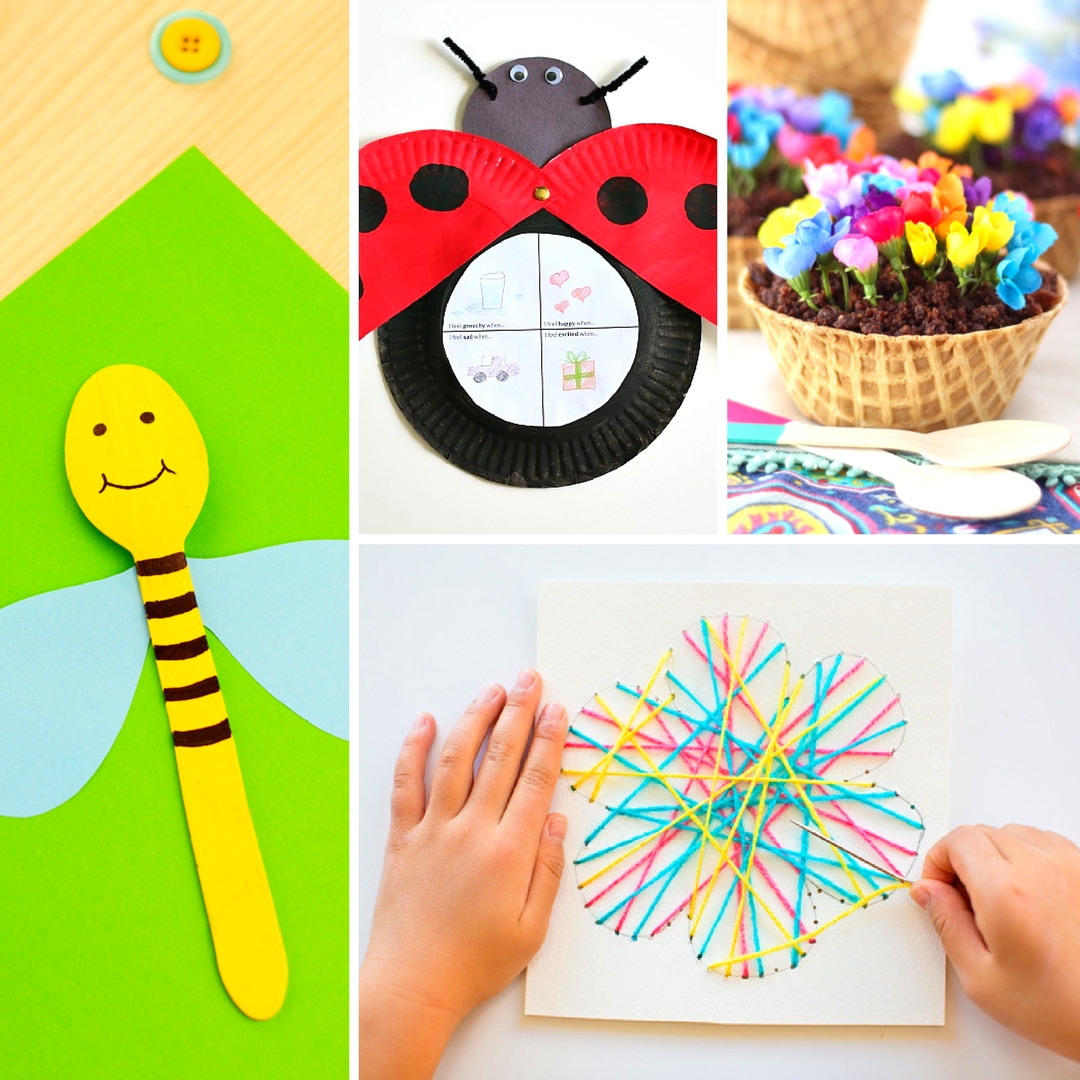
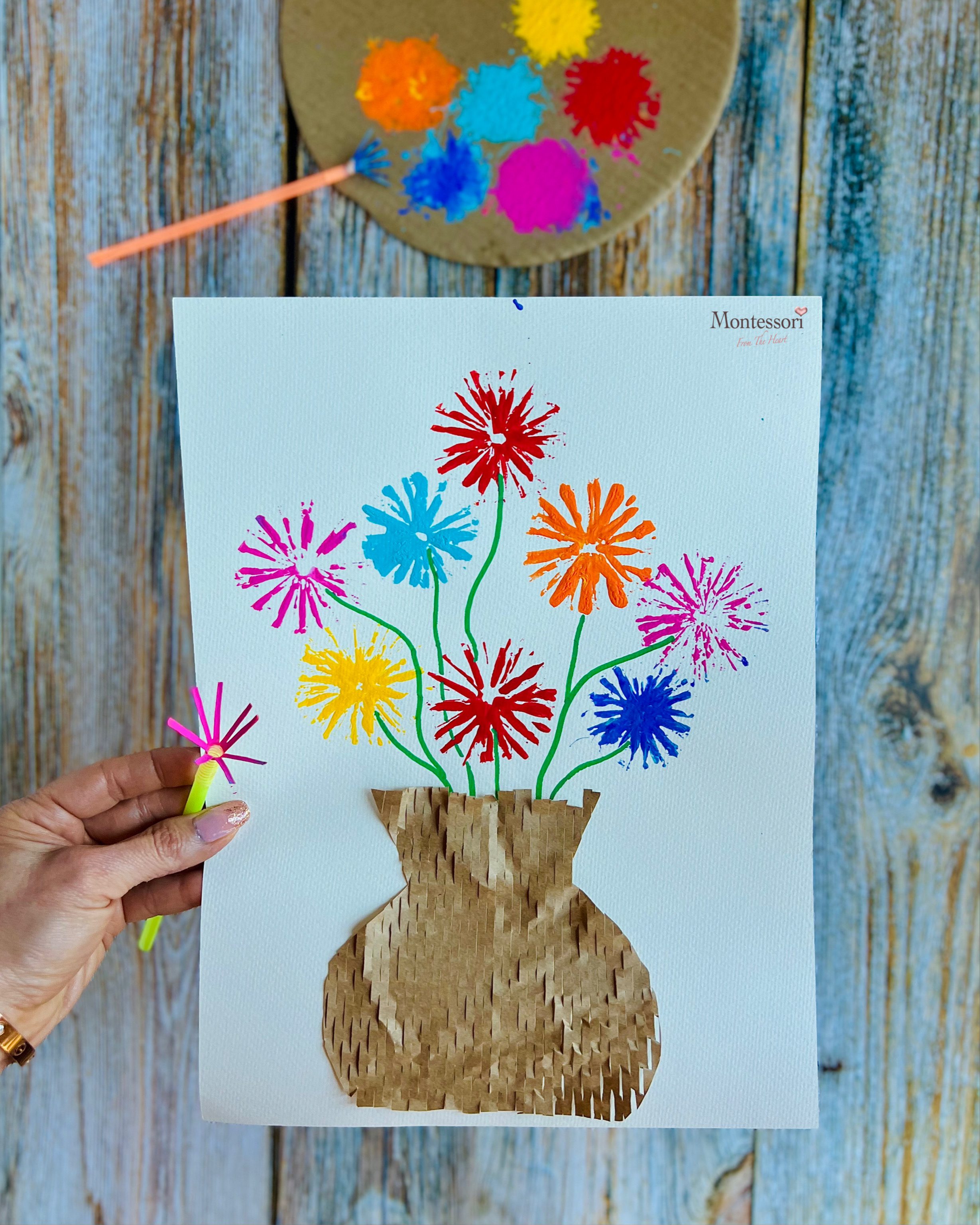
An art activity craft integrates structural fine-motor manipulation with imaginative graphic design to accelerate cognitive and spatial development in early childhood learners. According to the National Association for the Education of Young Children (NAEYC), purposeful manipulation of tactile media and structured visual templates builds essential hand-eye coordination and executive functioning skills in young children. Integrating structured visual resources into daily curricula transforms passive observation into active cognitive construction. Educators and caregivers can harness structured Art Activities to bridge the gap between abstract creative concepts and tangible physical execution.
Visual Learning & Skill Snapshot:
- Core Focus: Combining hands-on construction with foundational graphic representation for holistic early education.
- Target Skill: Bilateral coordination, spatial reasoning, and visual-motor integration.
- Key Recommendation: Pair sequential paper manipulation exercises with guided graphic tasks to maximize neurological retention.
Core Principles and Learning Overview
Tactile visual projects establish foundational neurological pathways by requiring simultaneous engagement of visual discrimination, manual dexterity, and spatial planning. When children cut, fold, assemble, and render printable assets, spatial working memory expands to accommodate complex geometric relationships. Structured pedagogical frameworks utilize scalable media to accommodate varying developmental stages without overwhelming the learner’s cognitive load. Utilizing targeted Printable Crafts ensures that geometric lines and assembly points provide clear boundaries, which reduces frustration and fosters independent problem-solving.
Key Specifications and Breakdown
| Age / Learning Stage | Visual Skill & Ratio | Pedagogical Application & Scaffolding |
|---|---|---|
| Ages 3-4 (Early Explorer) | Thick contour recognition, basic bilateral cutting | Use large-format sheets emphasizing broad motor movements and minimal intricate folding. |
| Ages 5-6 (Developing Creator) | Proportional scaling, multi-step sequential assembly | Incorporate detailed components requiring precise alignment and targeted coloring. |
| Ages 7-8 (Advanced Designer) | Perspective integration, complex spatial mapping | Deploy multi-layered templates that combine technical drawing with three-dimensional construction. |
Early art and crafting experiences directly correlate with enhanced visuospatial perception, improved fine-motor control, and accelerated symbolic communication abilities in early elementary learners. — National Art Education Association (NAEA)
Step-by-Step Practical Application and Guidelines
Executing a successful visual learning session requires a meticulously prepared environment, high-quality durable substrates, and a logical progression from 2D rendering to 3D construction. Begin by selecting appropriate reference materials from specialized Drawing Worksheets to build baseline muscle memory and contour familiarity. Next, guide learners through precise color application before initiating any cutting or folding phases to ensure optimal pigment saturation and neatness. Finally, supervise the assembly process to reinforce proper tool safety and structural integrity in the finished project.
Common Challenges and How to Avoid Them
Children frequently encounter frustration when fine-motor demands exceed their current hand strength or when printed templates lack clear structural boundaries. Educators can prevent these setbacks by utilizing heavier cardstock for structural components and pre-scoring complex fold lines prior to student deployment. Rushing the coloring or rendering phase before assembly often compromises the visual cohesion of the final product; establishing distinct, paced stages for rendering and cutting resolves this issue effectively. Providing scaffolding through simplified outlines and clear visual cues keeps motivation high and minimizes task abandonment.
💬 Frequently Asked Questions
Conclusion and Next Steps
Implementing structured visual projects equips young learners with indispensable spatial, motor, and cognitive abilities that support lifelong academic success. Thoughtfully designed creative materials transform ordinary learning environments into dynamic spaces of discovery and innovation. Explore curated collections of Coloring Pages today to expand creative curricula and inspire the next generation of visual thinkers.
Visual Reference Gallery