Introduction
Coloring pages for kids function as structured visual-motor catalysts that bridge foundational fine motor control with advanced spatial reasoning through purposeful line-art interaction. According to the National Association for the Education of Young Children (NAEYC), intentional manipulation of writing and coloring instruments strengthens the intrinsic hand muscles necessary for lifelong literacy and precise tool handling. Integrating these printable assets into daily learning routines offers an accessible bridge to comprehensive Art Activities that stimulate cognitive growth without requiring extensive material setups. Providing children with high-quality graphic layouts supports independent exploration, cognitive sequencing, and bilateral hand coordination.
Visual Learning & Skill Snapshot:
- Core Focus: Structured graphic worksheets designed to enhance bilateral coordination, pencil grasp, and spatial awareness.
- Target Skill: Fine-motor precision, color theory comprehension, and boundary retention.
- Key Recommendation: Pair thick-contour sheets with broad markers for early learners, transitioning to intricate designs and colored pencils as dexterity increases.
Core Principles and Learning Overview
Selecting appropriate graphical resources requires an understanding of how visual processing interacts with physical hand-eye coordination during early childhood development. When children engage with Coloring Pages, the cerebral cortex processes spatial relationships, shape differentiation, and visual boundaries simultaneously. Educators and parents maximize these developmental benefits by matching the complexity of the printed lines to the precise developmental stage of the learner. Furthermore, pairing these graphic tasks with complementary Drawing Worksheets allows children to transition smoothly from filling predetermined contours to generating original visual narratives and geometric forms.
Key Specifications and Breakdown
| Age / Learning Stage | Visual Skill & Ratio | Pedagogical Application & Scaffolding |
|---|---|---|
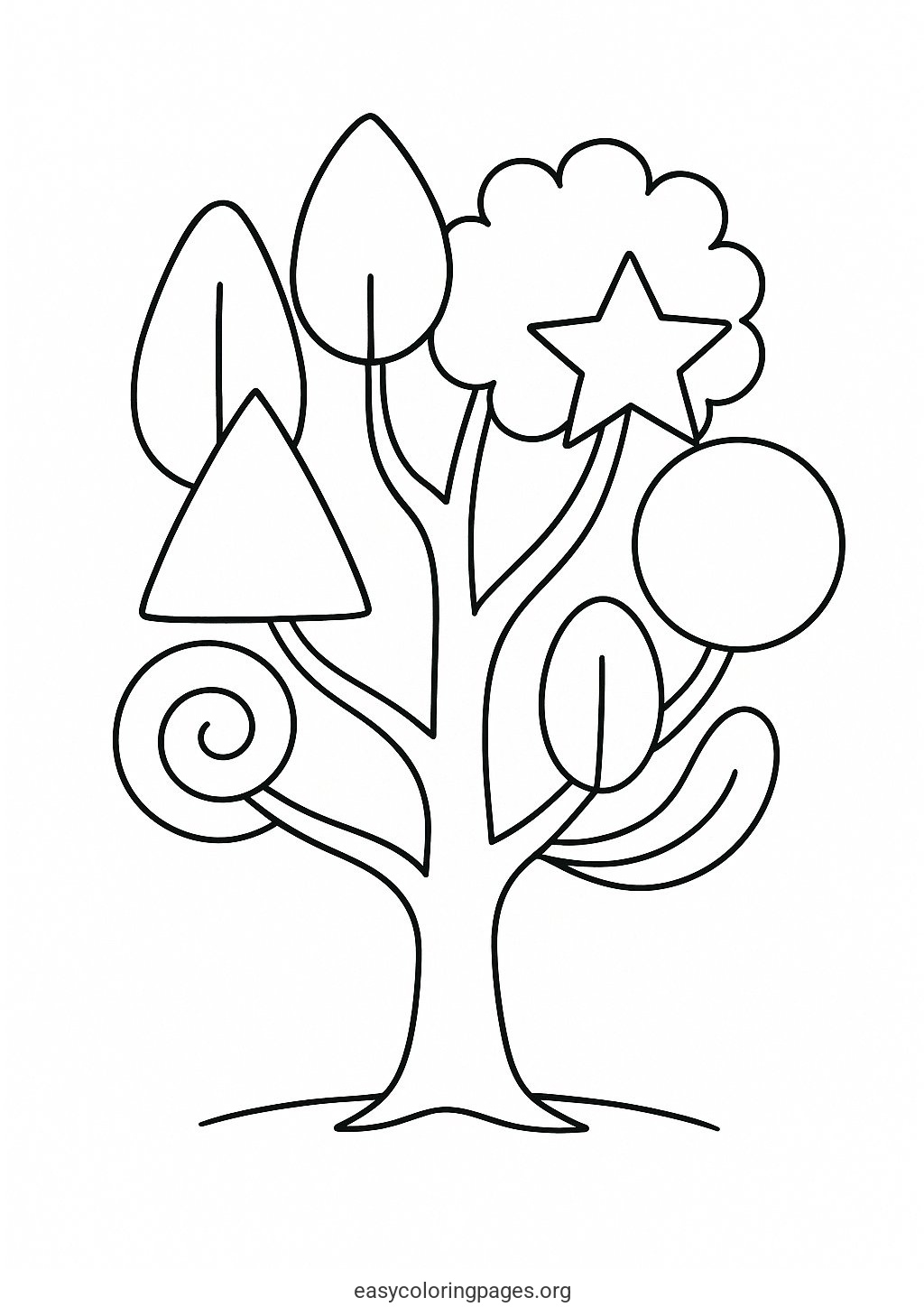
| Ages 3-4 (Early Explorer) | Thick outlines (8mm+), large geometric shapes, minimal clutter | Encourages gross wrist movements, palmar grasp transition, and primary color identification. |
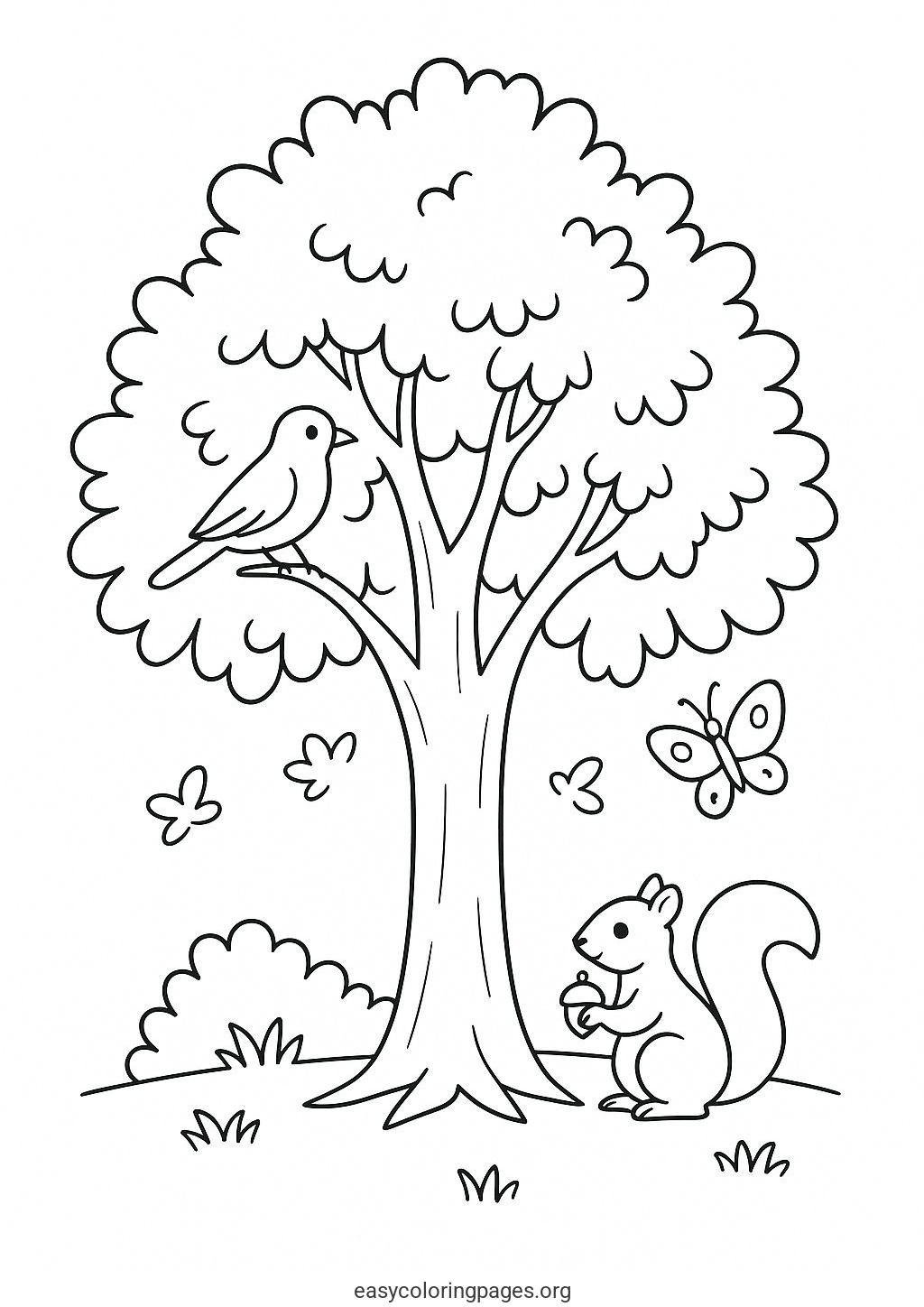
| Ages 5-6 (Developing Artist) | Moderate line width (4-6mm), recognizable objects, pattern repetition | Promotes pincer grasp refinement, directional stroke control, and basic color blending. |
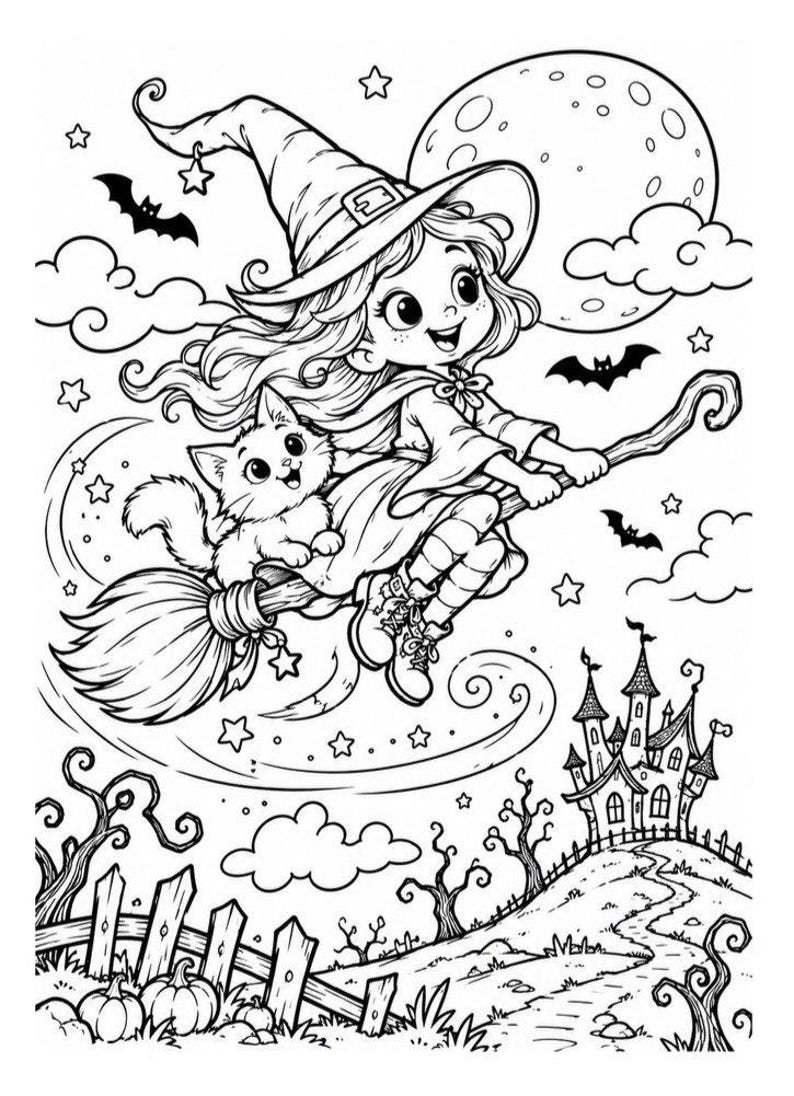
| Ages 7+ (Advanced Learner) | Fine line weights (1-3mm), intricate mandalas, complex thematic scenes | Supports sustained concentration, visual-spatial planning, cross-hatching, and stylistic expression. |
Structured art experiences directly correlate with enhanced sensorimotor integration, spatial problem-solving, and pre-writing proficiency in early childhood education. — National Art Education Association (NAEA)
Step-by-Step Practical Application and Guidelines
Implementing printable graphic assets effectively involves preparing an ergonomic workspace, selecting appropriate coloring mediums, and encouraging open-ended artistic choices rather than strict rule adherence. Begin by printing designs on heavy-weight cardstock to prevent bleed-through and withstand aggressive pressure from younger learners using markers or paint sticks. Establish a proper seating arrangement where feet rest flat on the floor and elbows form a comfortable ninety-degree angle relative to the table surface. Guide children to rotate the page dynamically while coloring to maintain ergonomic wrist posture rather than twisting the arm into awkward angles. Conclude the session by displaying the finished artwork at eye level, reinforcing self-efficacy and validating the child’s creative effort.
Common Challenges and How to Avoid Them
Children frequently experience hand fatigue, frustration with staying inside designated lines, or rapid loss of interest when presented with tasks that fail to match their current motor capabilities. Overcoming these hurdles requires shifting the primary objective away from rigid perfectionism and toward joyful engagement, physical stamina, and personal creative expression. When hand cramping occurs, pause the activity for bilateral stretching exercises, such as finger-tapping or hand-clasping, to relieve muscle tension before resuming. If a child expresses frustration over straying outside printed borders, reframe the boundary as a flexible guideline rather than a strict test, introducing bolder, simpler outlines that require less micro-coordination.
💬 Frequently Asked Questions
Conclusion and Next Steps
Intentional graphic activities provide an indispensable foundation for cognitive growth, fine-motor mastery, and creative confidence during formative childhood years. Educators, parents, and homeschoolers can easily expand their instructional toolkit by exploring additional hands-on projects, such as versatile Printable Crafts that seamlessly complement paper-based art lessons.
Printable Coloring Page Previews