Introduction
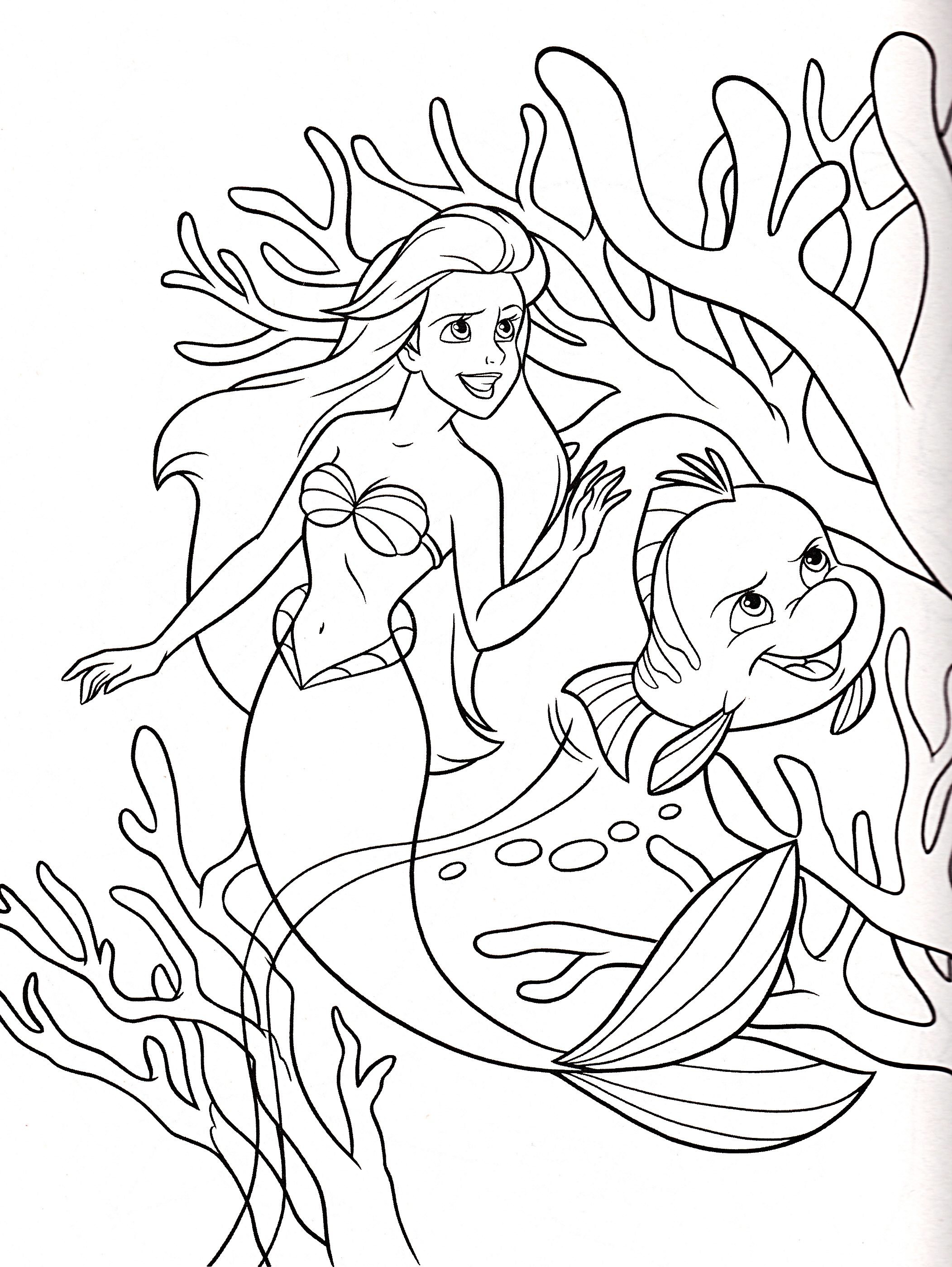
Coloring pages disney refer to structured printables featuring recognizable animated characters that serve as foundational tools for developing fine motor control, visual literacy, and narrative comprehension in early childhood education. According to the National Association for the Education of Young Children (NAEYC), purposeful engagement with familiar graphic representations strengthens young learners’ cognitive mapping and hand-eye coordination through structured visual exploration. Educators and parents leverage these themed resources to bridge popular media engagement with intentional artistic practice, providing a reliable bridge to broader Coloring Pages collections that foster concentration and patience.
Visual Learning & Skill Snapshot:
- Core Focus: Utilizing character-themed graphic outlines to enhance pencil grip, boundary control, and artistic confidence.
- Target Skill: Spatial reasoning, color theory application, and fine-motor precision.
- Key Recommendation: Pair iconic character outlines with open-ended background sketching to balance structured tracing with creative expression.
Core Principles and Learning Overview
Coloring pages disney function as accessible entry points for visual arts education by harnessing intrinsic student motivation toward beloved cinematic figures. When children encounter familiar character contours, cognitive anxiety surrounding artistic performance diminishes, allowing learners to focus entirely on pressure modulation, color blending, and stroke direction. This engagement directly supports the transition into independent Drawing Worksheets, where children begin constructing their own proportional boundaries without relying on pre-printed guides.
Key Specifications and Breakdown
| Age / Learning Stage | Visual Skill & Ratio | Pedagogical Application & Scaffolding |
|---|---|---|
| Ages 3-4 (Early Preschool) | Thick outlines, large forms (1:1 scale ratios) | Focuses on gross motor control and staying within wide border regions using jumbo crayons. |
| Ages 5-6 (Kindergarten) | Complex shapes, facial symmetry, and directional strokes | Encourages color consistency, light-to-dark pressure blending, and multi-tool exploration. |
| Ages 7-8 (Early Elementary) | Intricate background details and expressive shading | Integrates storytelling elements, pattern repetition, and foundational Printable Crafts extension projects. |
Early childhood graphic activities scaffold neurological pathways for visual-spatial processing and intentional motor planning — National Art Education Association (NAEA)
Step-by-Step Practical Application and Guidelines
Implementing coloring pages disney effectively requires thoughtful preparation of both physical materials and environmental conditions to maximize cognitive benefit. Educators begin by selecting high-resolution printouts scaled appropriately to the child’s developmental milestone, ensuring lines are neither too dense nor excessively sparse. Next, practitioners curate a diverse palette of medium-soft colored pencils, markers, or watercolor paints to encourage experimentation with opacity and texture. Finally, adults facilitate purposeful dialogue regarding light sources, shadow placement, and emotional expression within the character’s face, elevating simple tracing into active critical analysis often paired with creative Art Activities.
Common Challenges and How to Avoid Them
Children frequently experience frustration when attempting to color intricate character details with improper writing implements or incorrect hand postures. To prevent hand fatigue and discouragement, supervisors must ensure learners utilize triangular grip utensils and provide heavyweight cardstock that prevents ink bleed-through. Furthermore, adults should actively reframe perceived mistakes—such as coloring outside designated boundary lines—as opportunities for creative adaptation rather than errors requiring immediate correction.
💬 Frequently Asked Questions
Conclusion and Next Steps
Integrating character-driven graphic templates into daily educational routines provides a powerful mechanism for building foundational artistic competence and sustained focus. By combining familiar visual cues with intentional fine-motor exercises, educators empower children to approach complex creative challenges with enthusiasm and resilience. Explore the comprehensive collection of Coloring Pages to discover additional high-quality resources tailored for young learners.
Printable Coloring Page Previews