Introduction
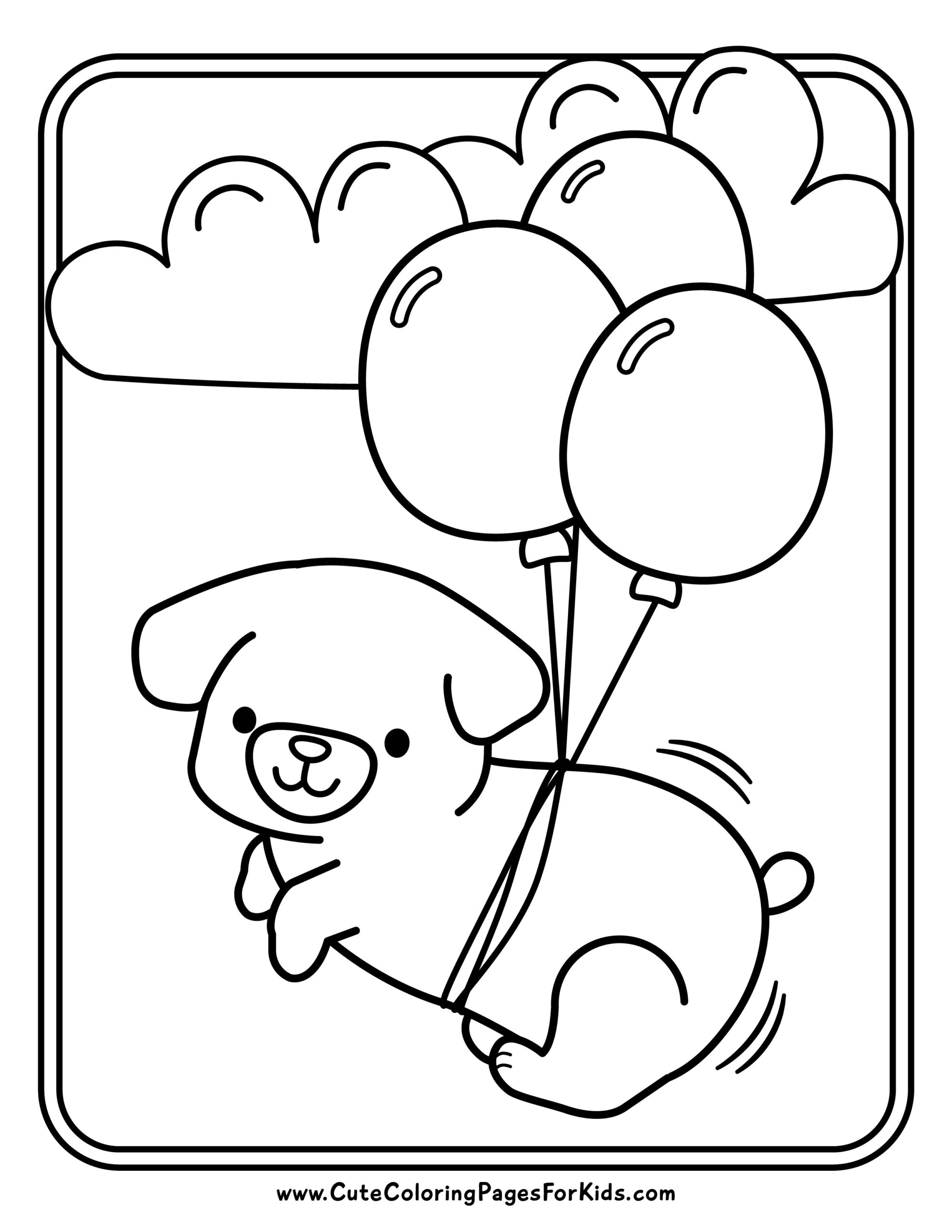
Coloring pages cool refer to modern, high-engagement printable sheets featuring dynamic geometric patterns, complex character layouts, and contemporary aesthetics designed to capture the sustained attention of developing learners. According to the National Association for the Education of Young Children (NAEYC), intentional visual arts resources significantly enhance fine motor control, bilateral coordination, and spatial awareness during early childhood. By merging contemporary visual culture with fundamental artistic principles, educators and parents can leverage these dynamic sheets to bridge recreational art time with structured cognitive development.
Visual Learning & Skill Snapshot:
- Core Focus: High-engagement contemporary printable assets designed to elevate traditional art education.
- Target Skill: Spatial reasoning, visual discrimination, and fine-motor endurance.
- Key Recommendation: Pair modern themed printables with open-ended Art Activities to encourage creative exploration.
Core Principles and Learning Overview
Coloring pages cool establish a bridge between structured graphic boundaries and independent creative expression by offering intricate visual structures that challenge young minds. Contemporary educational design prioritizes thick, defined linework paired with sophisticated thematic elements, preventing cognitive overload while maintaining high aesthetic appeal. When young learners engage with advanced visual worksheets, the brain processes line orientation, symmetrical balance, and color theory simultaneously. Integrating structured Drawing Worksheets alongside these printables reinforces pencil grip, wrist articulation, and intentional stroke execution necessary for foundational handwriting and advanced visual arts literacy.
Key Specifications and Breakdown
| Age / Learning Stage | Visual Skill & Ratio | Pedagogical Application & Scaffolding |
|---|---|---|
| Early Childhood (Ages 3-5) | Broad shape discrimination and basic boundary recognition. | Utilize thick borders and simplified motifs to build foundational hand-eye coordination. |
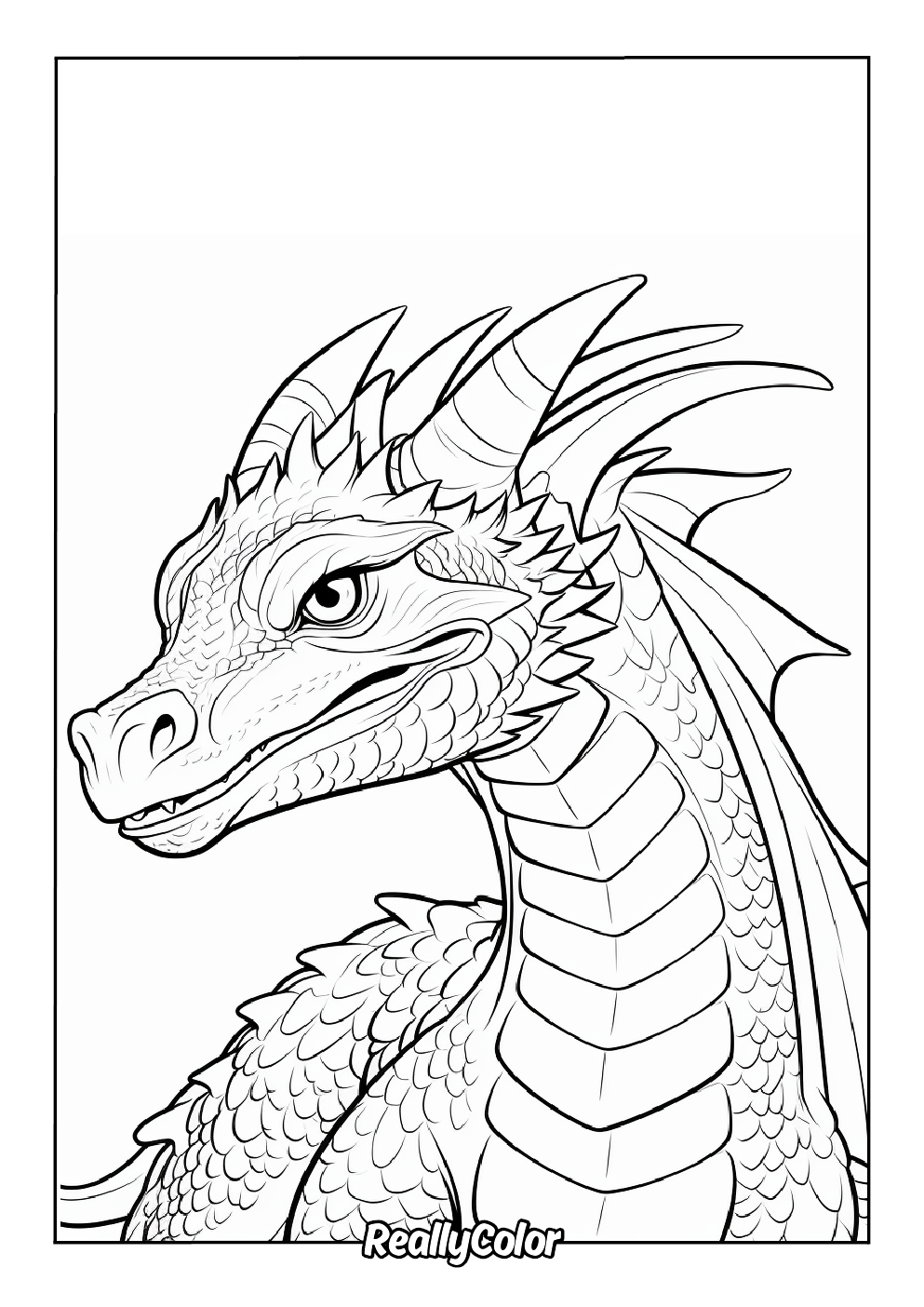
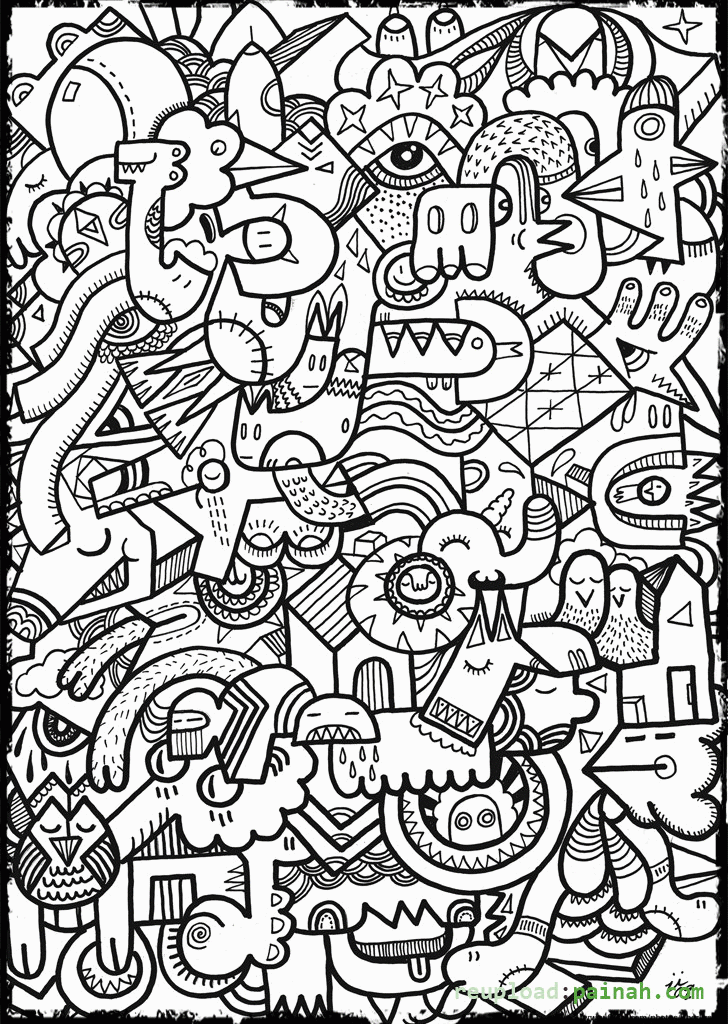
| Early Elementary (Ages 6-8) | Fine-motor precision and intricate pattern tracking. | Introduce complex geometric themes to develop sustained focus and spatial awareness. |
| Upper Elementary (Ages 9-11) | Shading depth, perspective, and color harmony. | Combine intricate coloring designs with open-ended Printable Crafts for tactile projects. |
Intentional engagement with structured visual arts materials supports executive function development and sensorimotor integration in early childhood learners — National Art Education Association (NAEA). For more related activities, check out our Coloring Pages Dragons.
Step-by-Step Practical Application and Guidelines
Implementing coloring pages cool effectively requires selecting high-resolution print assets and establishing a conducive environment for focused art sessions. Begin by choosing themes that align with the specific developmental level and current cognitive interests of the child, ensuring the complexity matches their fine-motor stamina. Prepare a dedicated workspace with varied media—such as colored pencils, dual-tip markers, or watercolor crayons—to encourage experimentation with texture and opacity. Guide learners to analyze the page layout before applying color, discussing light sources, primary versus secondary color choices, and directional stroke techniques. Finally, display completed pieces proudly to validate creative effort and reinforce intrinsic motivation.
Common Challenges and How to Avoid Them
Frustration during detailed art sessions typically stems from mismatched motor skill expectations or the selection of overly intricate designs that exceed current developmental thresholds. Educators and caregivers can prevent burnout by offering varied complexity levels, ensuring that younger children are not handed hyper-detailed assets that cause hand cramping or psychological fatigue. When learners rush through complex layouts, introduce boundary-fading challenges or storytelling prompts that encourage slower, more deliberate mark-making. Furthermore, providing ergonomic writing and coloring tools ensures proper finger placement and reduces physical strain during extended creative sessions.
💬 Frequently Asked Questions
Conclusion and Next Steps
Incorporating dynamic visual art resources into daily learning routines empowers children to develop crucial fine-motor abilities, spatial reasoning, and artistic confidence. Providing access to high-quality printables transforms ordinary practice time into an engaging, mindfulness-boosting exercise that nurtures lifelong creativity. Explore the curated collection of Coloring Pages to discover fresh, inspiring printables designed for every developmental stage.
Printable Coloring Page Previews