Introduction
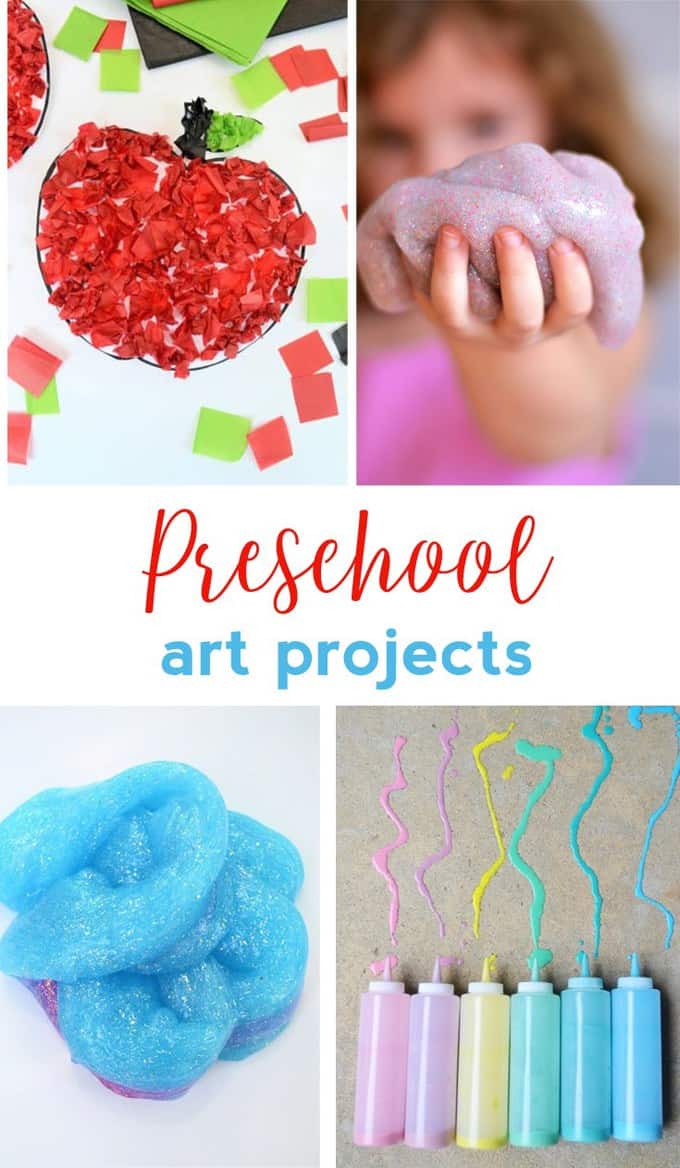
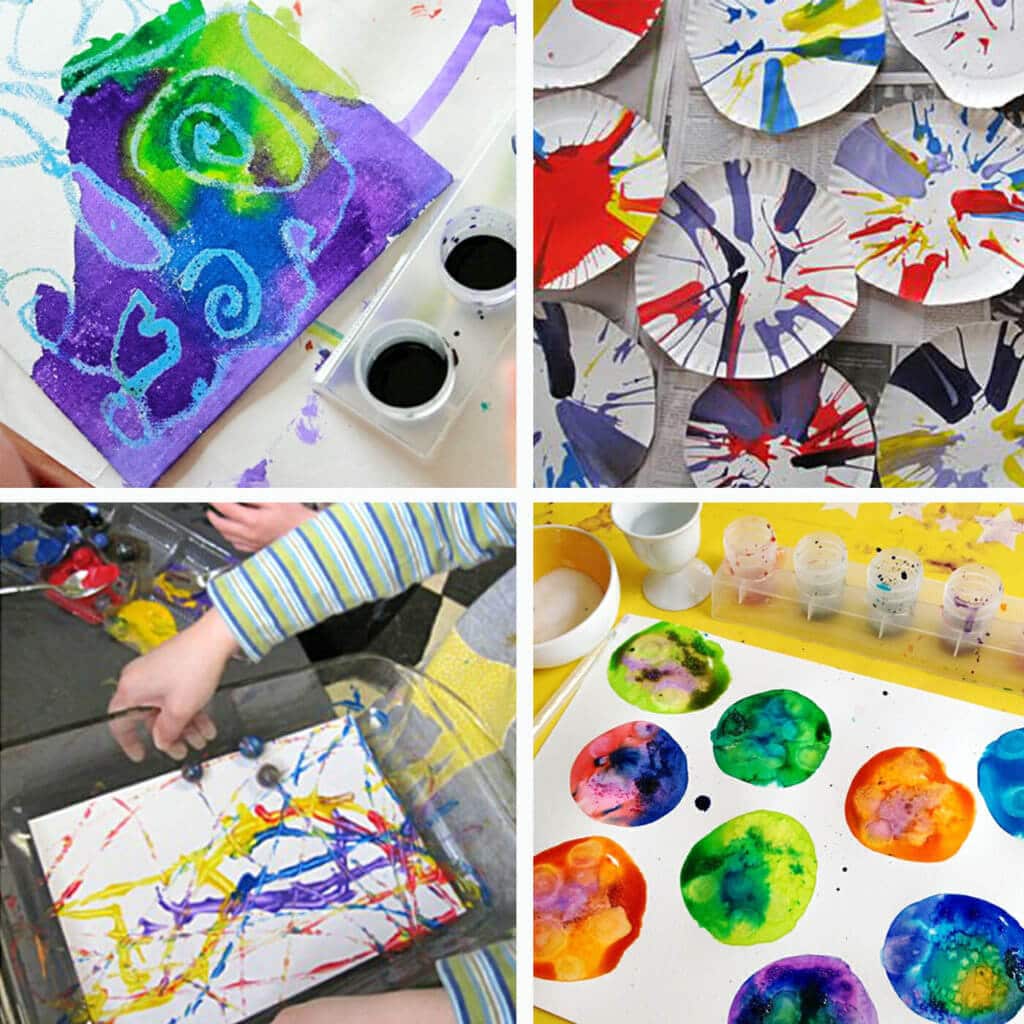
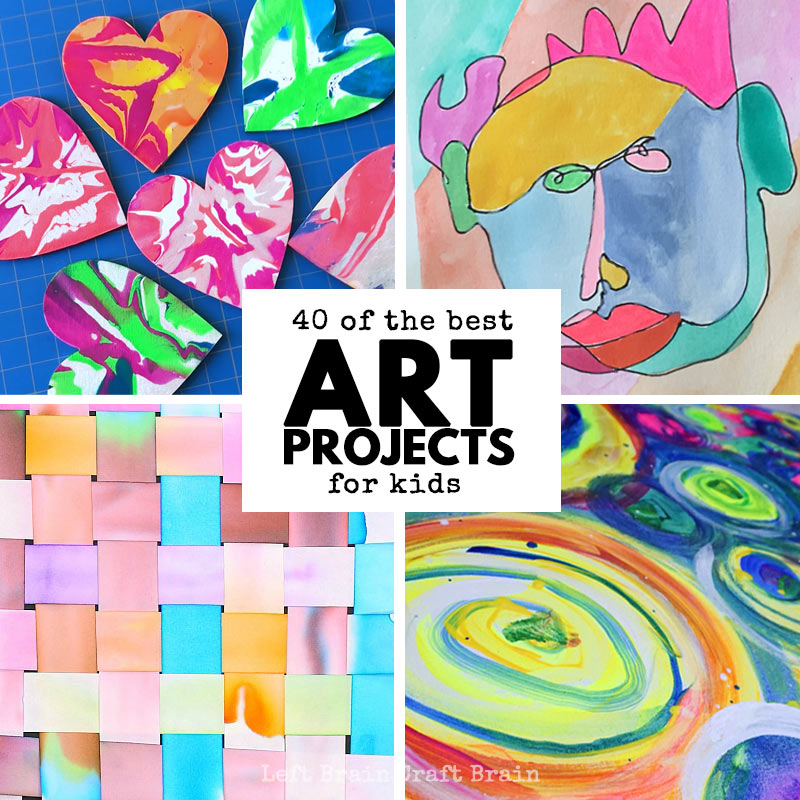
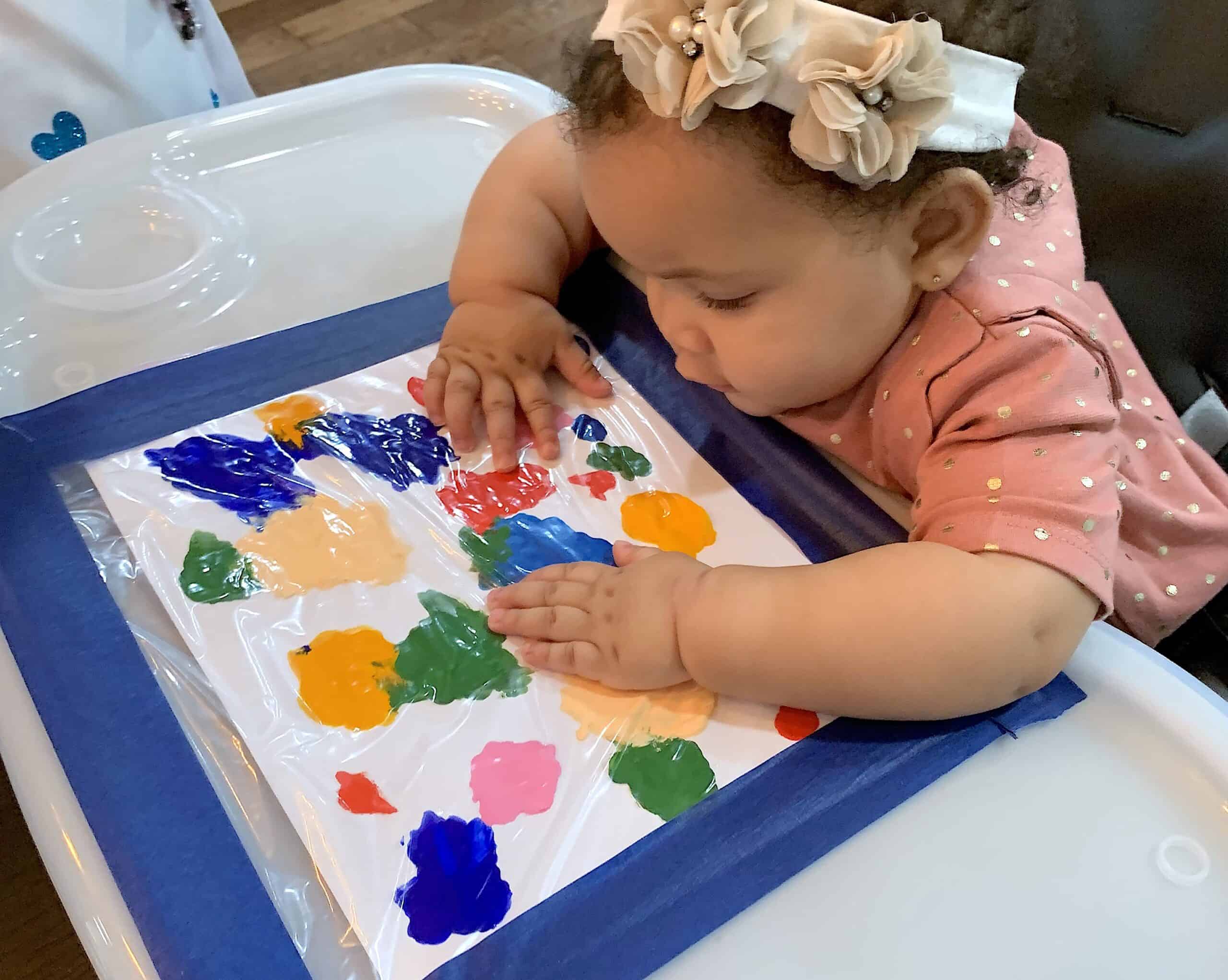
Art activities for preschoolers are foundational developmental exercises that build fine motor control, spatial awareness, and cognitive flexibility through sensory-rich creative exploration. According to the National Association for the Education of Young Children (NAEYC), open-ended visual art experiences foster essential neural pathways by allowing young children to solve problems, represent their environment, and express complex thoughts before acquiring advanced verbal literacy. Integrating structured Art Activities alongside dynamic Drawing Worksheets ensures that early childhood educators and parents provide a balanced curriculum supporting both imaginative freedom and precise motor coordination.
Visual Learning & Skill Snapshot:
- Core Focus: Art activities for preschoolers merge tactile manipulation with cognitive visual processing.
- Target Skill: Bilateral hand coordination, pencil grip stamina, and shape recognition.
- Key Recommendation: Combine structured printable templates with open-ended material exploration to maximize engagement and skill retention.
Core Principles and Learning Overview
Effective implementation of art activities for preschoolers requires aligning physical task difficulty with current developmental milestones in hand-eye coordination and visual-spatial reasoning. Early learners process abstract concepts most effectively when translating them into physical representations using targeted resources like Printable Crafts and guided templates. Educators must prioritize process-oriented making over finalized product perfection, ensuring children explore color theory, line variation, and texture without the pressure of rigid aesthetic expectations. Scaffolding creative tasks from simple scribbling to controlled geometric tracking builds the muscular endurance necessary for future writing and advanced academic performance.
Key Specifications and Breakdown
| Age / Learning Stage | Visual Skill & Ratio | Pedagogical Application & Scaffolding |
|---|---|---|
| Young Preschool (3 Years) | Gross motor sweeps, palmar grasp, basic color identification. | Utilize large-scale Coloring Pages with thick borders to encourage boundary awareness. |
| Mid Preschool (4 Years) | Pincer grasp development, shape matching, controlled strokes. | Introduce multi-step Printable Crafts that require cutting, folding, and gluing. |
| Advanced Preschool (5 Years) | Bilateral integration, detailed spatial representation, proportional balance. | Incorporate complex Drawing Worksheets focusing on grid alignment and symmetry. |
Engagement in early childhood creative arts supports the development of symbolic thinking, visual-spatial reasoning, and neurological connectivity across both cerebral hemispheres. — National Art Education Association (NAEA)
Step-by-Step Practical Application and Guidelines
Executing successful art activities for preschoolers involves preparing a distraction-free physical workspace, organizing age-appropriate media, and providing clear, non-restrictive modeling. Educators begin by selecting developmentally aligned templates, ensuring paper weight supports wet media like watercolors or markers without warping. Instructors demonstrate basic techniques—such as holding a chunky brush or pinching safety scissors—while allowing children to dictate their own color palettes and compositional choices. Concluding each session with a reflective dialogue helps young learners articulate their creative choices, strengthening vocabulary and emotional self-awareness.
Common Challenges and How to Avoid Them
Frustration during art activities for preschoolers typically arises from developmental mismatches, such as overly complex cutting lines or slippery writing utensils that cause hand fatigue. Adults prevent these setbacks by scaling activity complexity down to match individual fine motor stamina, substituting standard tools with ergonomic alternatives like triangular crayons or loop scissors. Maintaining a relaxed environment where mistakes are reframed as imaginative variations prevents perfectionism and sustains intrinsic motivation during challenging multi-step creative projects.
💬 Frequently Asked Questions
Conclusion and Next Steps
Implementing thoughtful visual art curricula transforms early childhood education into a rich, tactile journey of discovery and cognitive growth. Caregivers and educators are encouraged to explore the extensive collection of Art Activities available to support young learners in building lifelong creative confidence.
Visual Reference Gallery