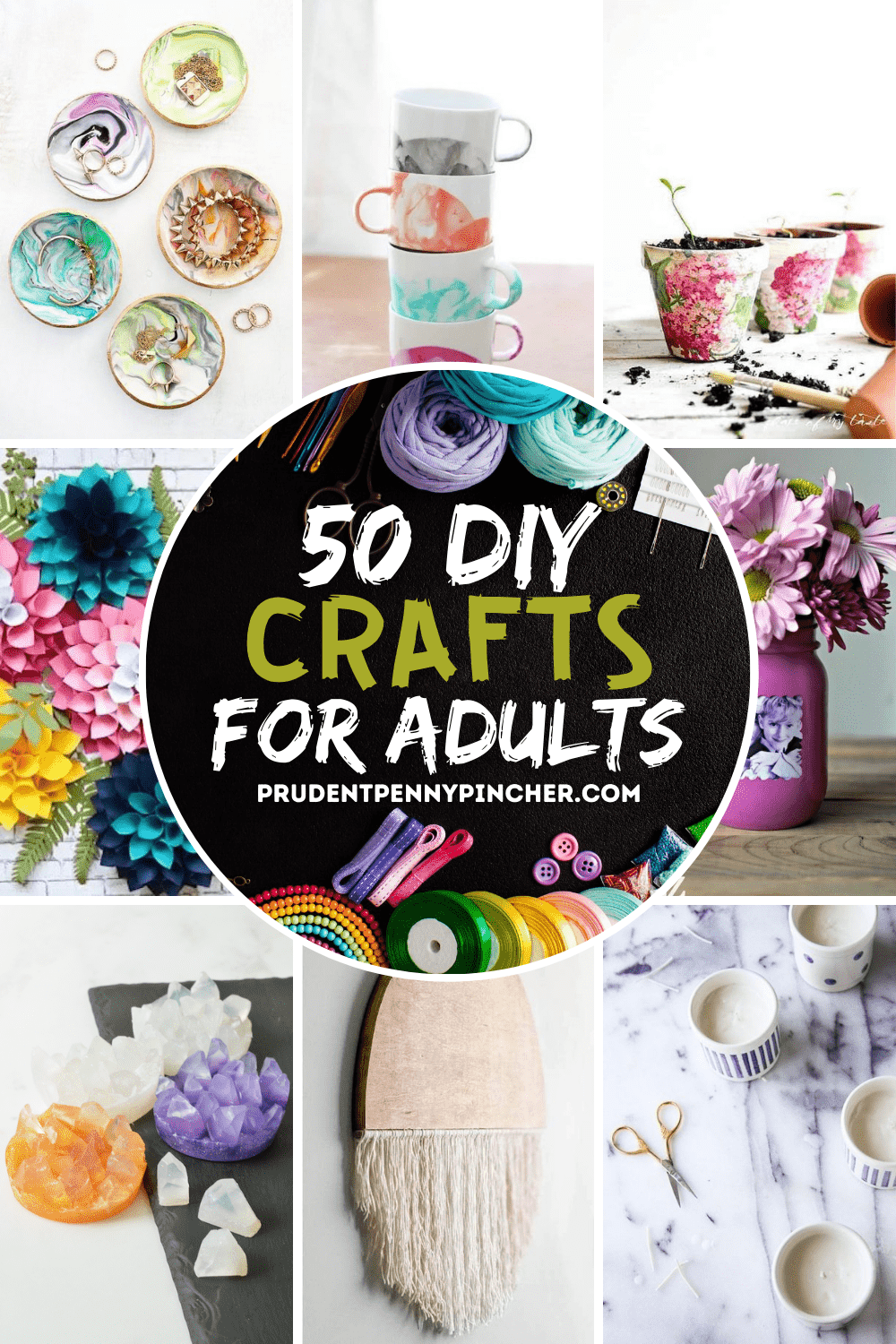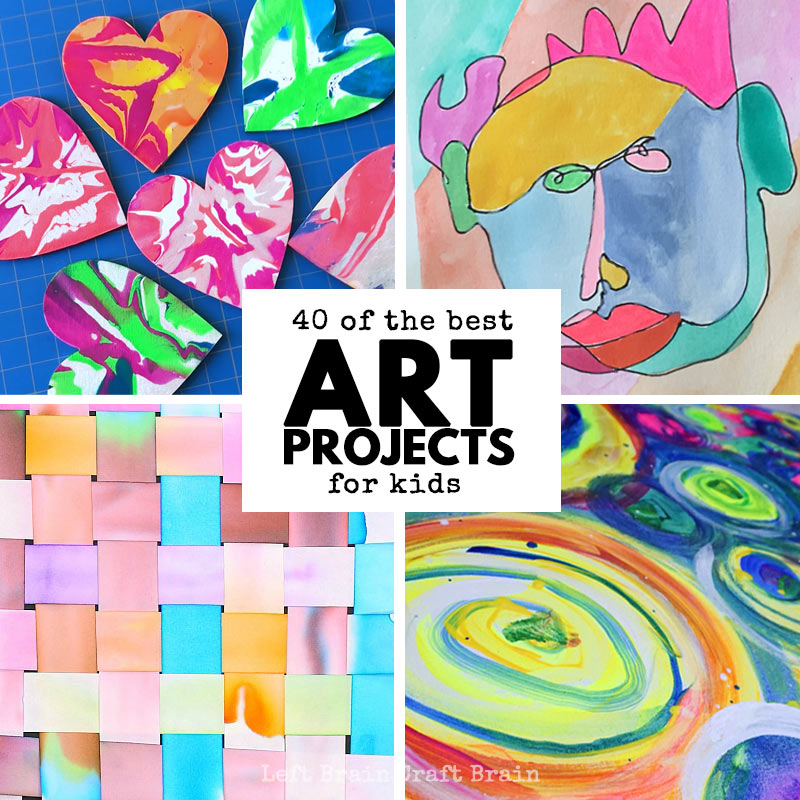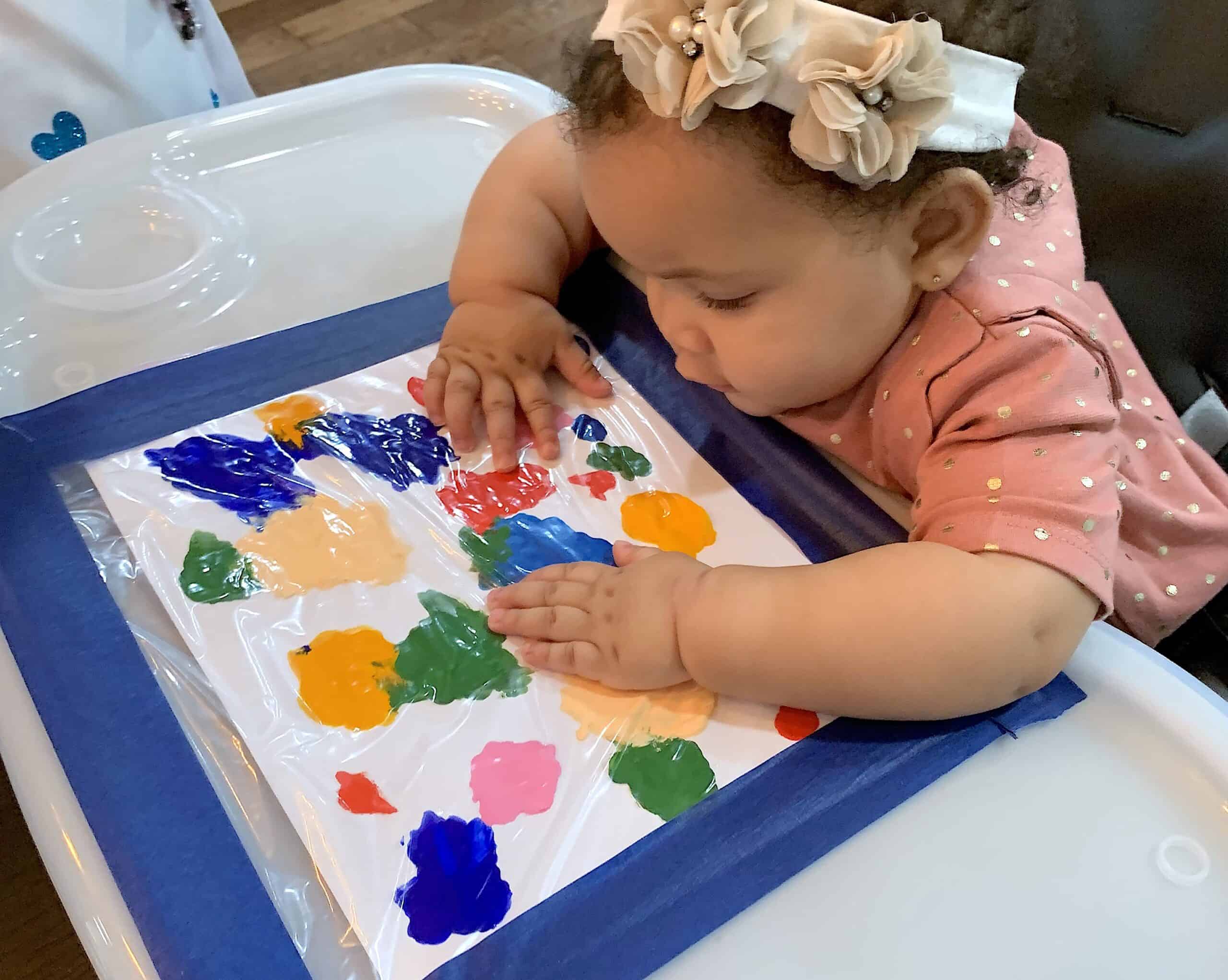
Introduction
Art activities for adults serve as structured, high-level creative exercises designed to foster neurological well-being, mindfulness, and advanced visual-spatial refinement through accessible print-at-home materials. According to the National Art Education Association (NAEA), intentional creative engagement in adulthood supports lifelong cognitive plasticity, stress reduction, and advanced problem-solving capabilities. Far from being mere leisure, participating in sophisticated visual arts tasks provides mature learners, educators, and homeschooling parents with necessary outlets for continuous skill development. Utilizing specialized resources such as printable Coloring Pages and structured Drawing Worksheets allows practitioners to easily access gallery-quality templates optimized for daily cognitive maintenance.
Visual Learning & Skill Snapshot:
- Core Focus: Advanced creative exercises structured to enhance adult neurological focus, fine-motor dexterity, and artistic confidence.
- Target Skill: Spatial reasoning, visual discrimination, complex proportion balancing, and mindful concentration.
- Key Recommendation: Integrate high-detail geometric or illustrative printables into daily routines to maximize cognitive restoration and manual control.
Core Principles and Learning Overview
Art activities for adults establish a reliable methodological framework for transitioning from digital fatigue into tactile, purposeful expression through standardized printed media. Directing adult learners toward intricate projects requires balancing technical precision with expressive freedom, utilizing assets like detailed Printable Crafts and complex Art Activities. These resources leverage cognitive ergonomics, ensuring that stroke weight, line variation, and geometric distribution challenge the visual cortex effectively without inducing frustration. Educators and independent practitioners alike benefit from maintaining a systematic progression from foundational line work to multi-layered rendering techniques.
Key Specifications and Breakdown
| Age / Learning Stage | Visual Skill & Ratio | Pedagogical Application & Scaffolding |
|---|---|---|
| Early Adult (18-35) | High-velocity line control and color harmony | Complex botanical illustrations and architectural perspective mapping |
| Middle Adult (36-60) | Fine-motor preservation and micro-detail focus | Mandala symmetry, advanced typography, and patterned mindfulness sheets |
| Senior Learner (60+) | Spatial memory retention and tactile dexterity | Large-scale geometric compositions and historic masterwork studies |
Engagement in structured adult visual arts tasks reliably reduces physiological stress markers while reinforcing fine-motor neural pathways. — National Art Education Association (NAEA)
Step-by-Step Practical Application and Guidelines
Executing art activities for adults begins with selecting high-resolution digital templates and printing them onto heavyweight cardstock or archival drawing paper to support mixed-medium applications. Practitioners must first prepare a dedicated, well-lit workspace equipped with precision tools such as fine-liner pens, brush markers, or professional-grade colored pencils. The operational workflow requires dedicating uninterrupted blocks of time—typically twenty to forty minutes—to immerse fully in the rendering process, prioritizing repetitive rhythmic movements that encourage psychological decompression. Storing completed works in a dedicated portfolio allows educators and self-directed learners to track technical improvements in shading accuracy, line weight consistency, and color theory mastery over time.
Common Challenges and How to Avoid Them
Adult learners frequently encounter perfectionism and performance anxiety when approaching detailed artistic templates, which can be successfully mitigated by reframing the creative session purely as an exercise in mindful exploration rather than final product creation. Another common obstacle involves selecting inappropriate paper weights for wet media, resulting in bleeding or page buckling; this is easily resolved by ensuring digital designs are printed on paper rated at 110gsm or higher. Furthermore, rushing intricate patterns often leads to hand cramping and diminished focus, necessitating deliberate ergonomic pacing and regular stretching breaks during longer creative sessions.
💬 Frequently Asked Questions
Conclusion and Next Steps
Embracing intentional creative practices offers profound neurological, psychological, and manual benefits for mature learners and educational facilitators. By intentionally selecting premium downloadable templates, adults unlock a sustainable pathway for continuous creative expression and relaxation. Explore the extensive library of professional resources available at Art Activities to begin elevating creative practice today.
Visual Reference Gallery