Introduction
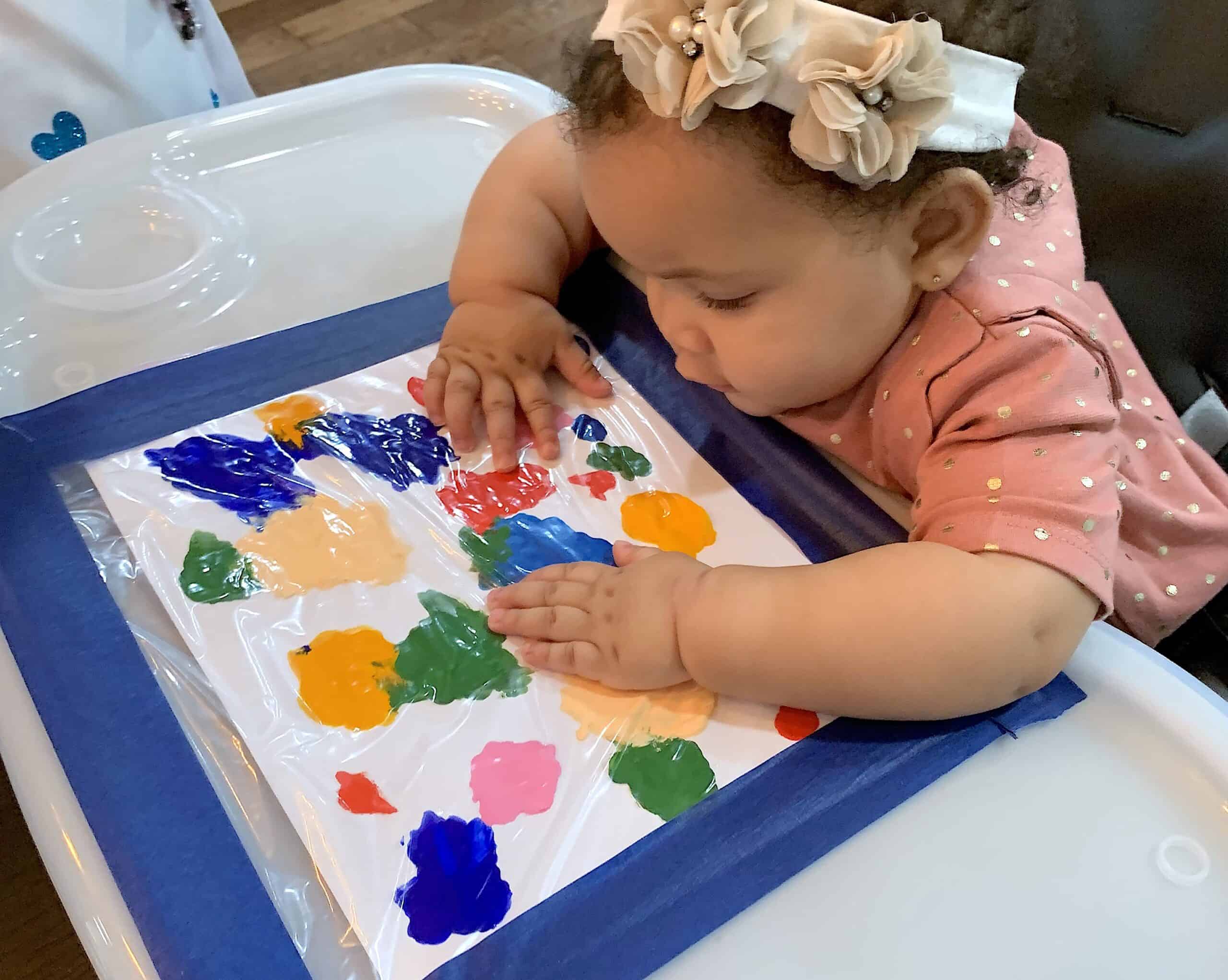
Art activities for toddlers represent structured sensory and creative processes designed to build fine motor control, spatial awareness, and cognitive flexibility during early childhood. According to the National Association for the Education of Young Children (NAEYC), open-ended artistic exploration fosters essential neural connections by allowing young children to manipulate physical materials and observe immediate cause-and-effect relationships. Utilizing curated Art Activities within a supportive learning environment establishes the foundational visual literacy required for future academic and creative achievement.
Visual Learning & Skill Snapshot:
- Core Focus: Hands-on tactile exploration combined with structured visual resources for toddlers.
- Target Skill: Bilateral coordination, spatial reasoning, and visual-motor integration.
- Key Recommendation: Combine tactile manipulation with printable templates to scaffold early artistic expression.
Core Principles and Learning Overview
Process-focused creation relies on emphasizing the act of making rather than producing a flawless finished product, which reduces performance anxiety in young learners. Toddlers benefit immensely from engaging with high-contrast Coloring Pages that feature thick, bold outlines to help develop hand-eye coordination and pencil grip stability. Integrating diverse mediums such as crayons, chunky markers, and specialized Drawing Worksheets ensures that children encounter varied tactile resistances, strengthening intrinsic hand muscles critical for writing.
Key Specifications and Breakdown
| Age / Learning Stage | Visual Skill & Ratio | Pedagogical Application & Scaffolding |
|---|---|---|
| 12–18 Months | Palmar grasp, gross motor sweeps, high-contrast visual tracking (1:1 ratio). | Provide thick crayons and simple geometric shapes to encourage initial mark-making. |
| 18–24 Months | Transitional grip, controlled scribbling, emerging boundary awareness (2:1 ratio). | Utilize bold-outline Printable Crafts that encourage tearing, pasting, and simple coloring. |
| 24–36 Months | Digital pronate grasp, intentional line direction, shape recognition (3:1 ratio). | Incorporate structured tracing paths and guided coloring tasks to refine fine motor control. |
Early childhood art experiences must prioritize exploratory tactile manipulation and open-ended sensory engagement over rigid instructional outcomes to support healthy neurological development. — National Art Education Association (NAEA)
Step-by-Step Practical Application and Guidelines
Implementing effective creative sessions requires preparing a predictable, accessible workspace equipped with non-toxic, age-appropriate materials tailored to toddler ergonomics. Educators and caregivers should begin by selecting high-contrast templates that match the child’s current fine-motor developmental stage, ensuring paper sheets are securely taped to flat surfaces to prevent frustrating sliding movements. Adults must model enthusiasm and descriptive language, commenting on colors, textures, and directional strokes rather than critiquing the aesthetic result, thereby validating the child’s autonomous creative agency.
Common Challenges and How to Avoid Them
Frustration during early creative exercises typically stems from using materials that exceed the child’s physical capacity or presenting overly complex templates with narrow boundaries. Prevent these obstacles by substituting standard thin paper with heavy cardstock and replacing fragile coloring utensils with thick, break-resistant wax blocks or triangular pencils that naturally encourage proper finger placement. Maintaining patience and allowing toddlers to explore materials through unstructured experimentation eliminates performance pressure and sustains genuine interest in visual arts.
💬 Frequently Asked Questions
Conclusion and Next Steps
Integrating purposeful visual exercises into daily routines lays a robust groundwork for lifelong creativity, cognitive agility, and emotional expression. Caregivers and educators can explore a comprehensive collection of developmental printables by visiting the Art Activities section to discover engaging resources tailored for young learners.
Visual Reference Gallery