Introduction
Drawing worksheets pdf resources provide structured, printable templates designed to systematically develop fine-motor coordination, visual-spatial reasoning, and foundational graphic literacy in early childhood education. According to the National Art Education Association (NAEA), structured visual exercises actively scaffold cognitive development by bridging tactile manipulation with abstract symbol creation. Utilizing these digital assets allows parents, homeschoolers, and early elementary educators to deliver immediate, cost-effective art instruction tailored to specific developmental milestones. Integrating these tools alongside dedicated Coloring Pages expands the visual learning curriculum seamlessly.
Visual Learning & Skill Snapshot:
- Core Focus: Printable PDF templates providing guided lines, grid copying, and step-by-step drawing prompts.
- Target Skill: Spatial reasoning, visual discrimination, fine-motor proportion, and hand-eye coordination.
- Key Recommendation: Print on heavy-weight cardstock and pair with varied media to maximize tactile and mechanical control.
Core Principles and Learning Overview
Drawing worksheets pdf modules function by breaking complex visual forms down into manageable geometric components that young learners can sequentially replicate. Direct answer in first sentence: cognitive load theory dictates that structured graphic scaffolding reduces visual overwhelm, allowing developing minds to focus entirely on pencil grip, pressure modulation, and proportional placement. These digital deliverables provide reliable consistency for educators seeking to establish daily practice routines. Beyond basic line tracking, structured templates encourage children to analyze negative space, symmetry, and overlapping planes. Educators frequently combine these sheets with engaging Art Activities to reinforce tactile exploration and creative confidence.
Key Specifications and Breakdown
| Age / Learning Stage | Visual Skill & Ratio | Pedagogical Application & Scaffolding |
|---|---|---|
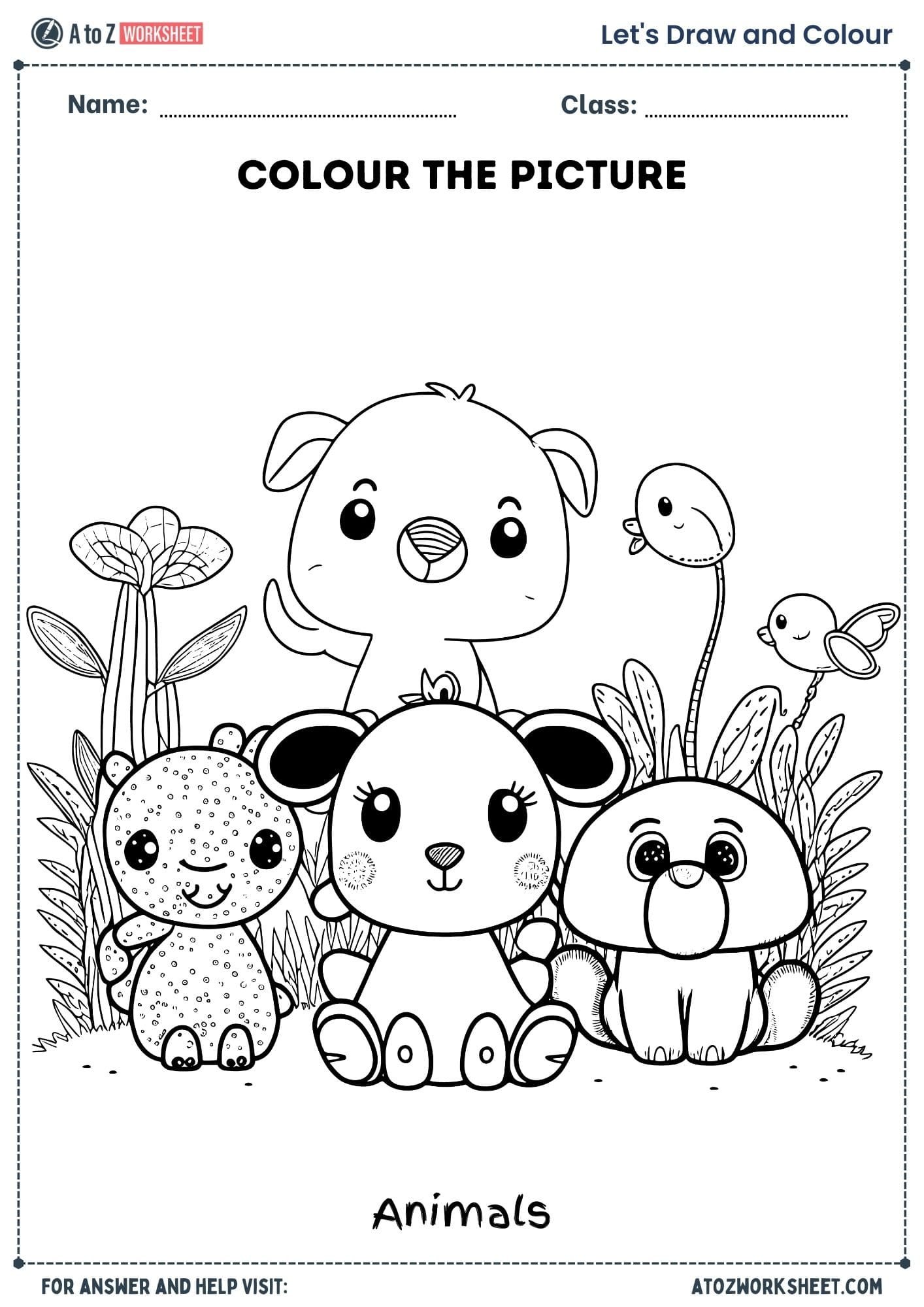
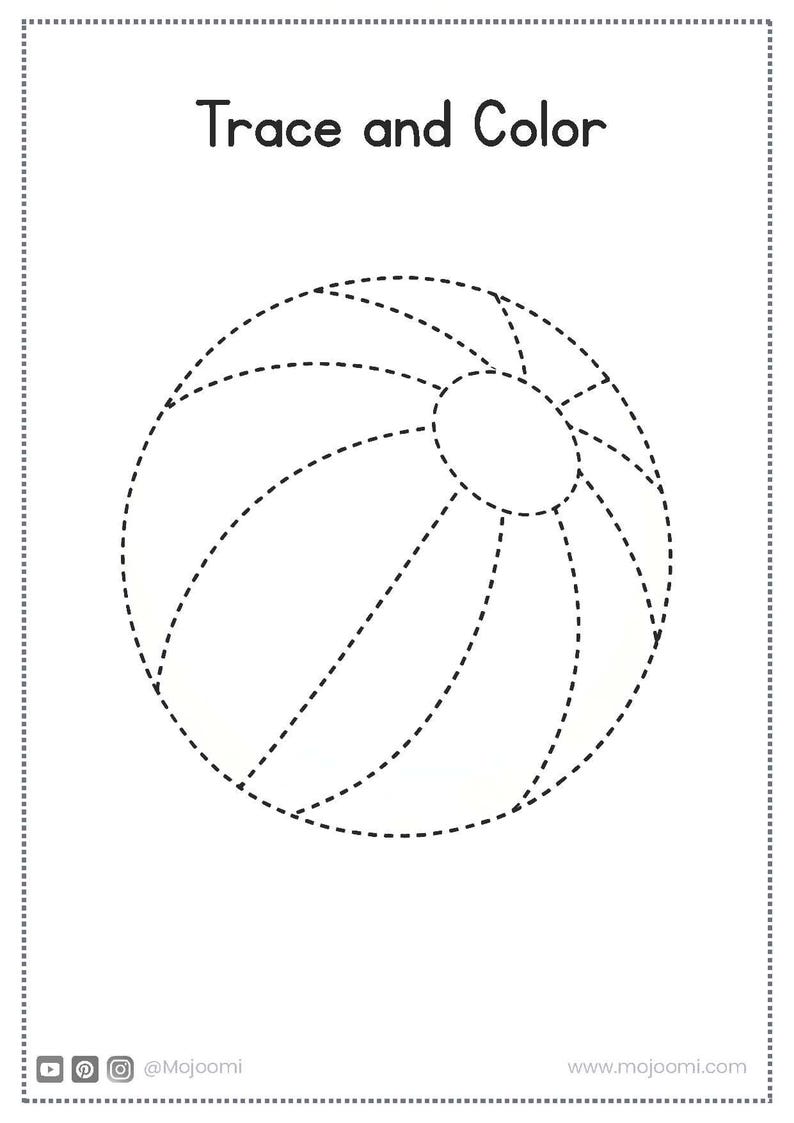
| Ages 3-4 (Early Years) | Gross motor control, continuous line tracking, basic shapes. | Utilize thick, high-contrast outline templates to build foundational wrist flexibility. |
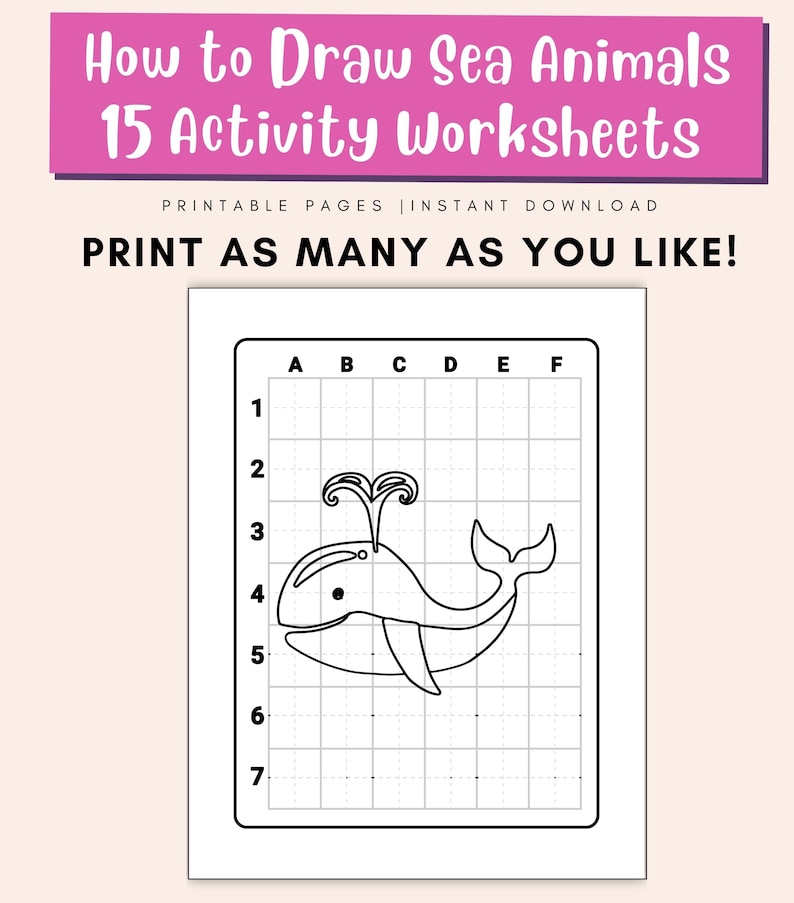
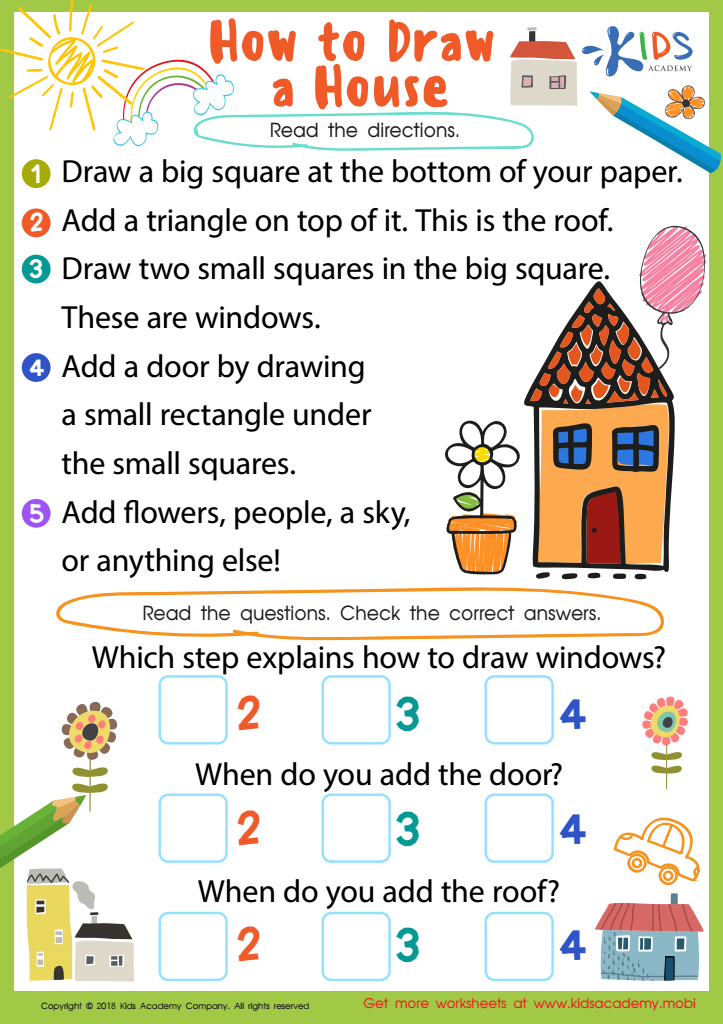
| Ages 5-7 (Kindergarten/Grade 1) | Proportional scaling, grid replication, directional awareness. | Implement step-by-step directional grids to teach spatial positioning and symmetry. |
| Ages 8-10 (Early Elementary) | Perspective basics, overlapping forms, detailed contouring. | Assign open-ended observational worksheets that bridge technical rendering with imagination. |
Structured graphic templates significantly enhance visual-spatial working memory by reducing extraneous cognitive load during early artistic expression — National Art Education Association (NAEA). Related guide: Drawing Sheets Bundle.
Step-by-Step Practical Application and Guidelines
Executing drawing worksheets pdf sessions effectively requires proper physical setup, high-resolution printing protocols, and a progressive difficulty curve. Direct answer in first sentence: successful implementation begins by selecting standardized 8.5×11 inch paper stocks of at least 80gsm weight to prevent bleed-through and tearing during aggressive erasing. Educators should introduce each worksheet through a brief modeling session, demonstrating how to look at component shapes rather than the whole object. Transitioning children from guided trace templates to blank grid boxes ensures gradual autonomy. Diversifying the physical workspace with complementary Printable Crafts further strengthens bilateral coordination.
Common Challenges and How to Avoid Them
Overcoming frustration with drawing worksheets pdf requires shifting the instructional focus away from rigid perfectionism and toward experimental process-oriented learning. Direct answer in first sentence: learners frequently experience pencil fatigue or anxiety when attempting complex proportional grids without adequate visual warm-ups. To mitigate this, supervisors should encourage light sketching with soft graphite before committing to heavy ink lines. Establishing a relaxed, non-punitive environment ensures that children view mistakes as natural iterations within the creative problem-solving cycle rather than failures.
💬 Frequently Asked Questions
Conclusion and Next Steps
Implementing targeted graphical exercises creates a durable foundation for spatial reasoning, visual literacy, and confident self-expression in early education. By combining structured printables with open-ended exploration, adults empower learners to master essential mechanics while enjoying the creative journey. Explore the complete library of professional resources, including specialized Drawing Worksheets, to elevate everyday artistic development.
Worksheet Previews & Reference Materials