Introduction
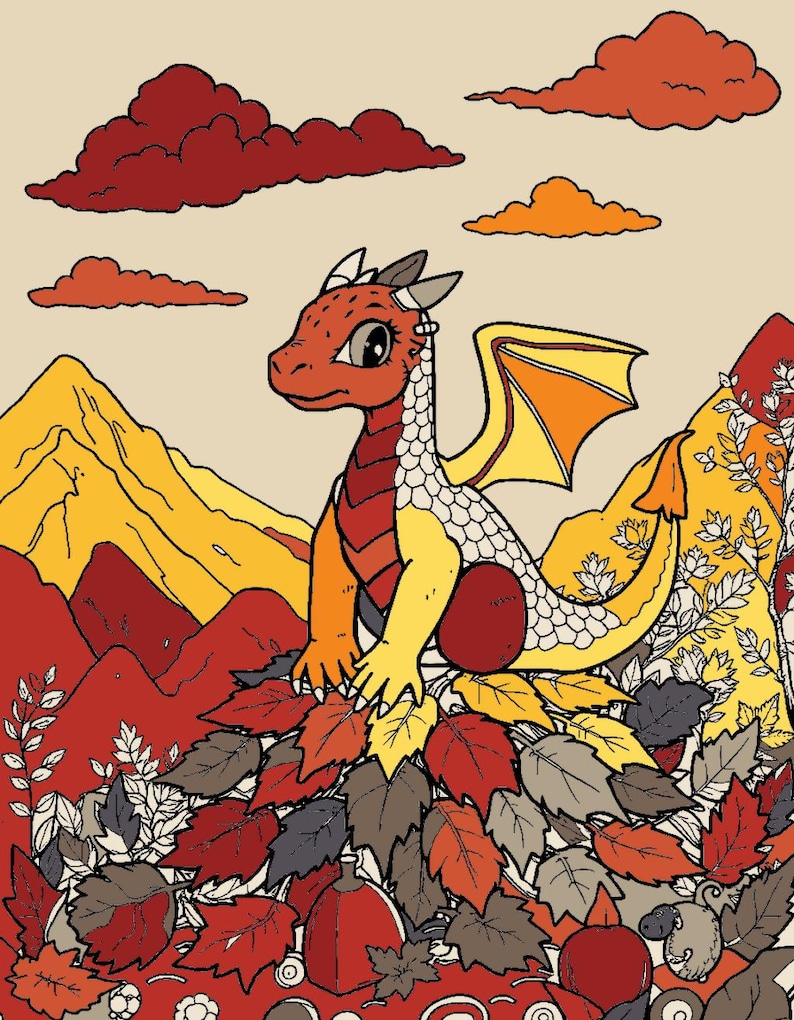
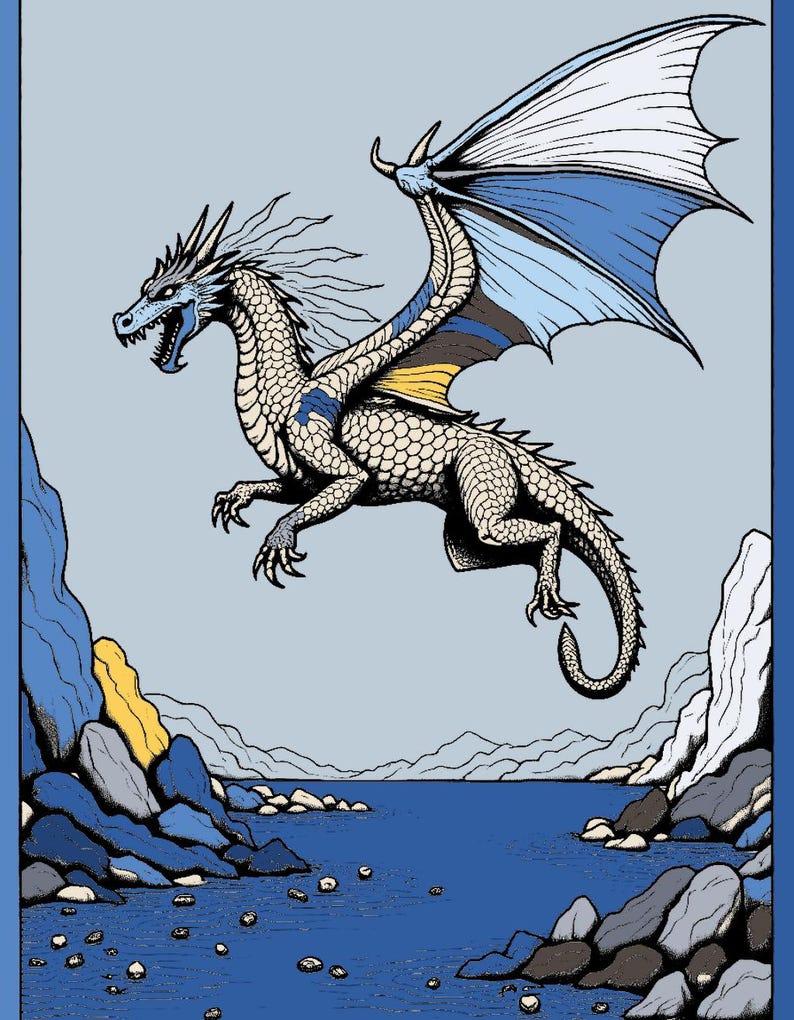
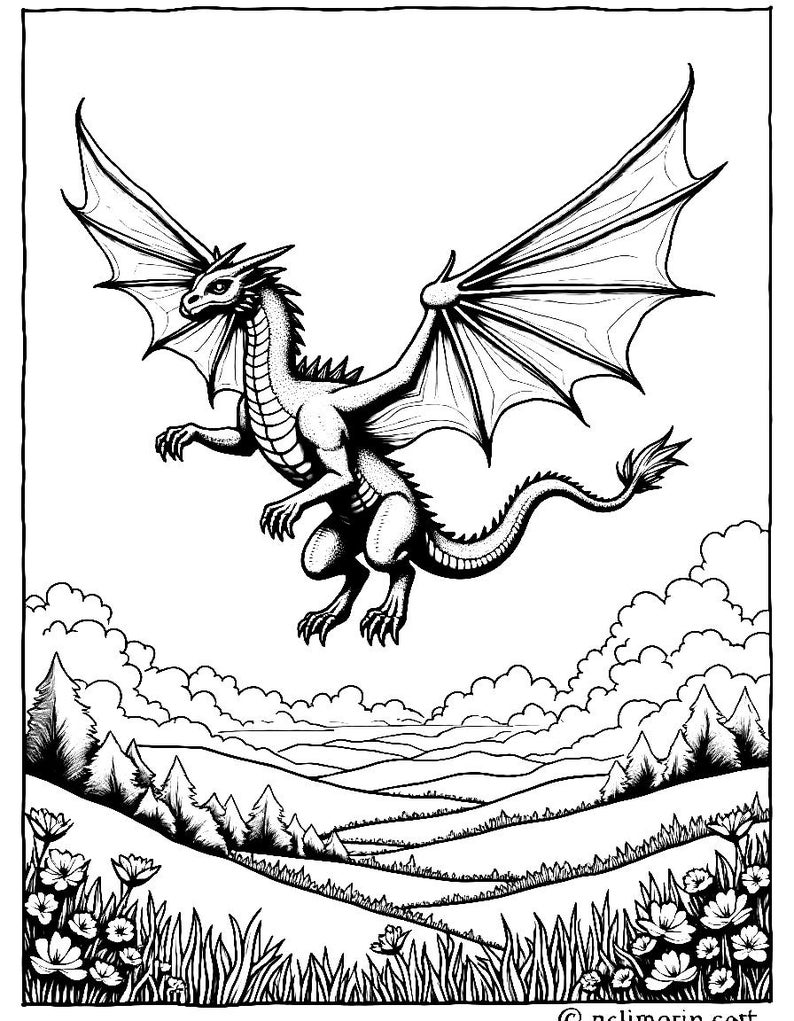
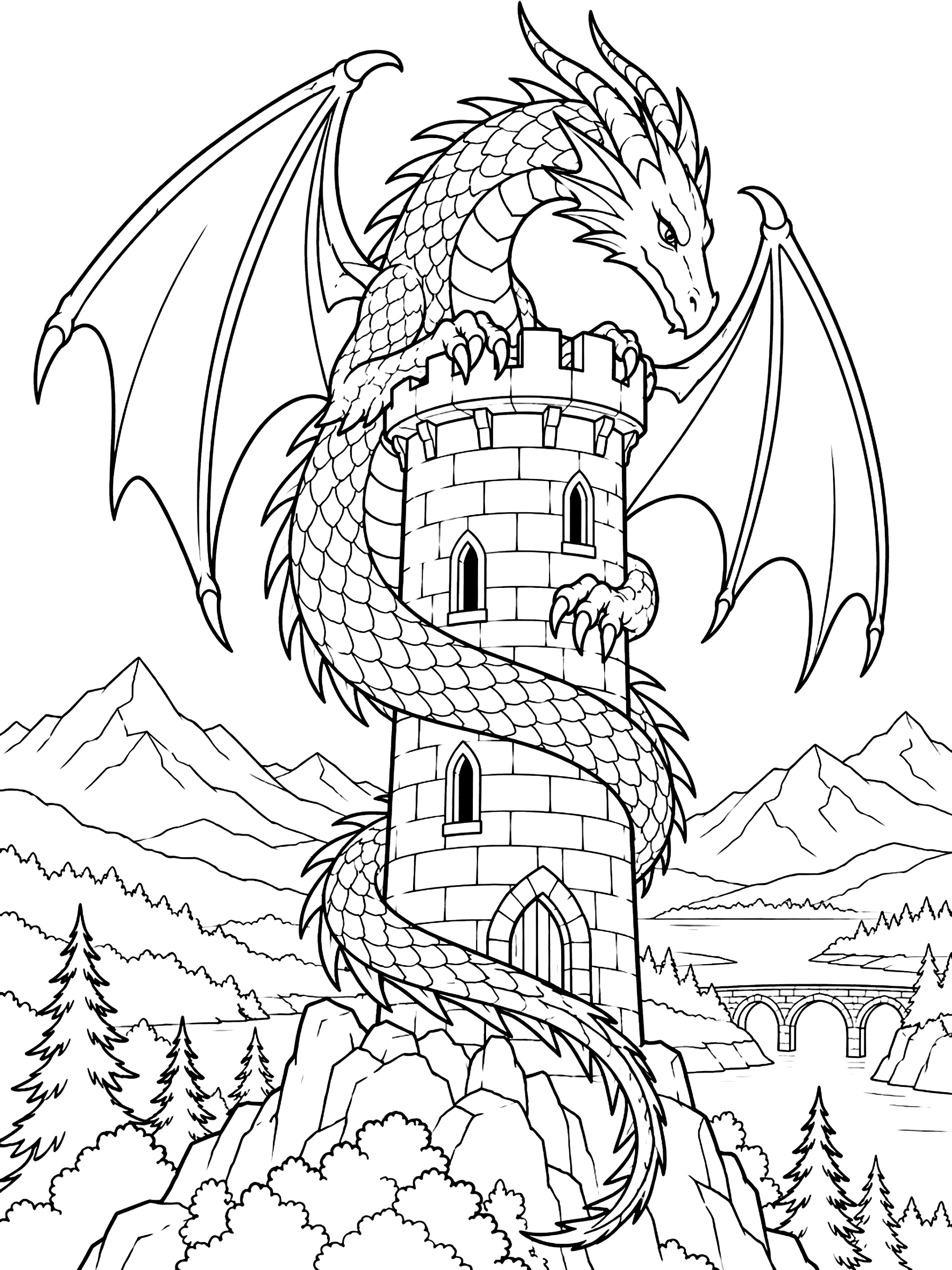
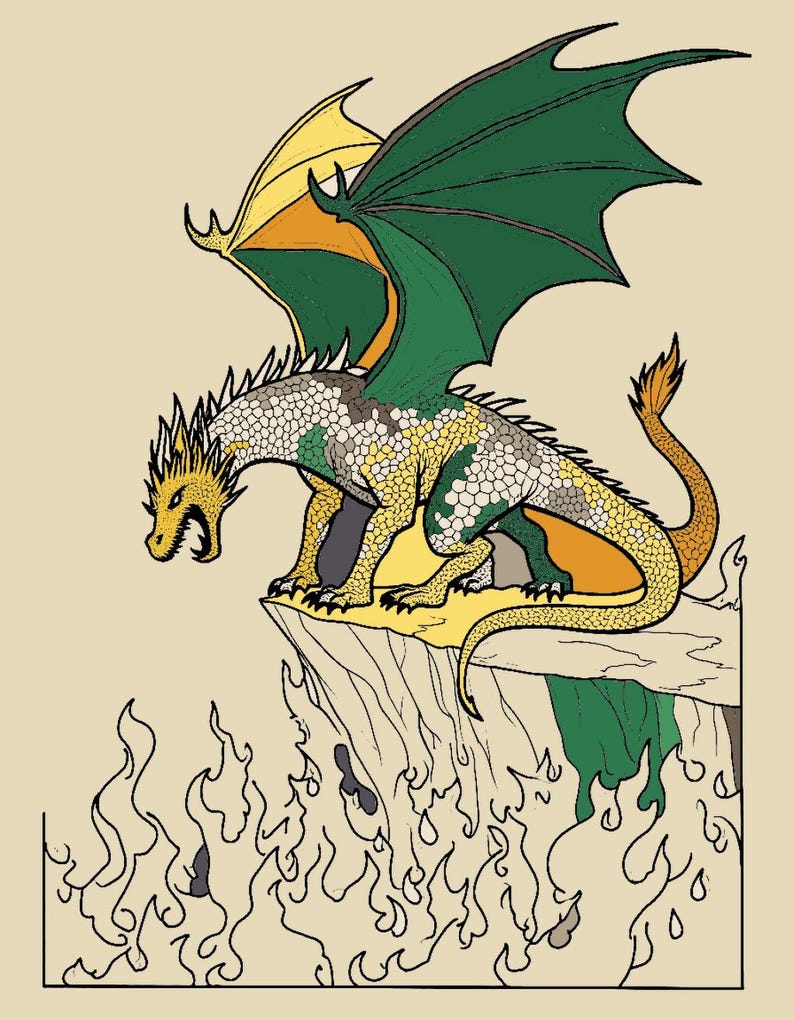
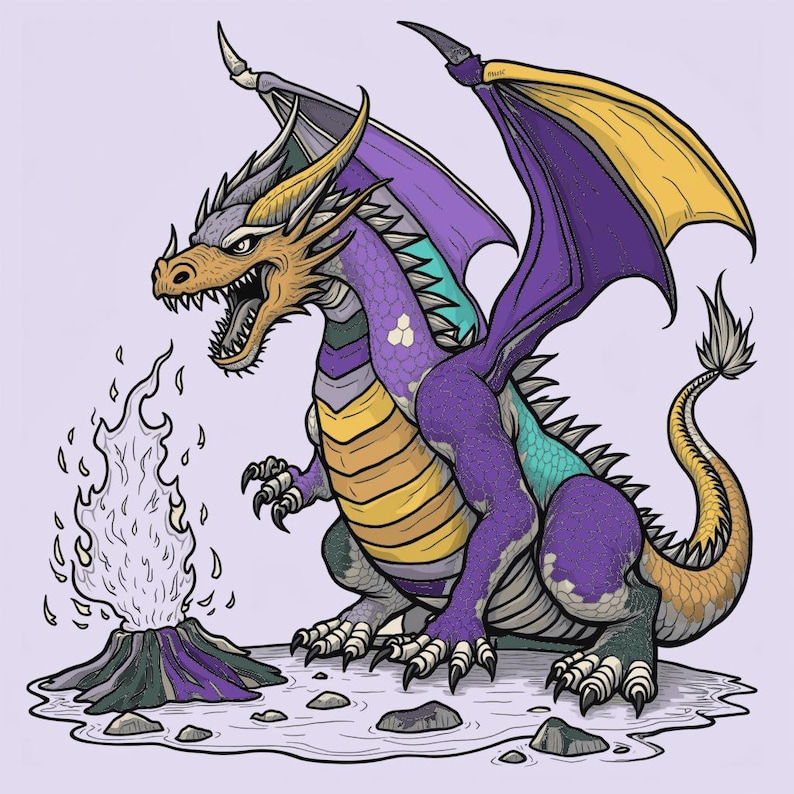
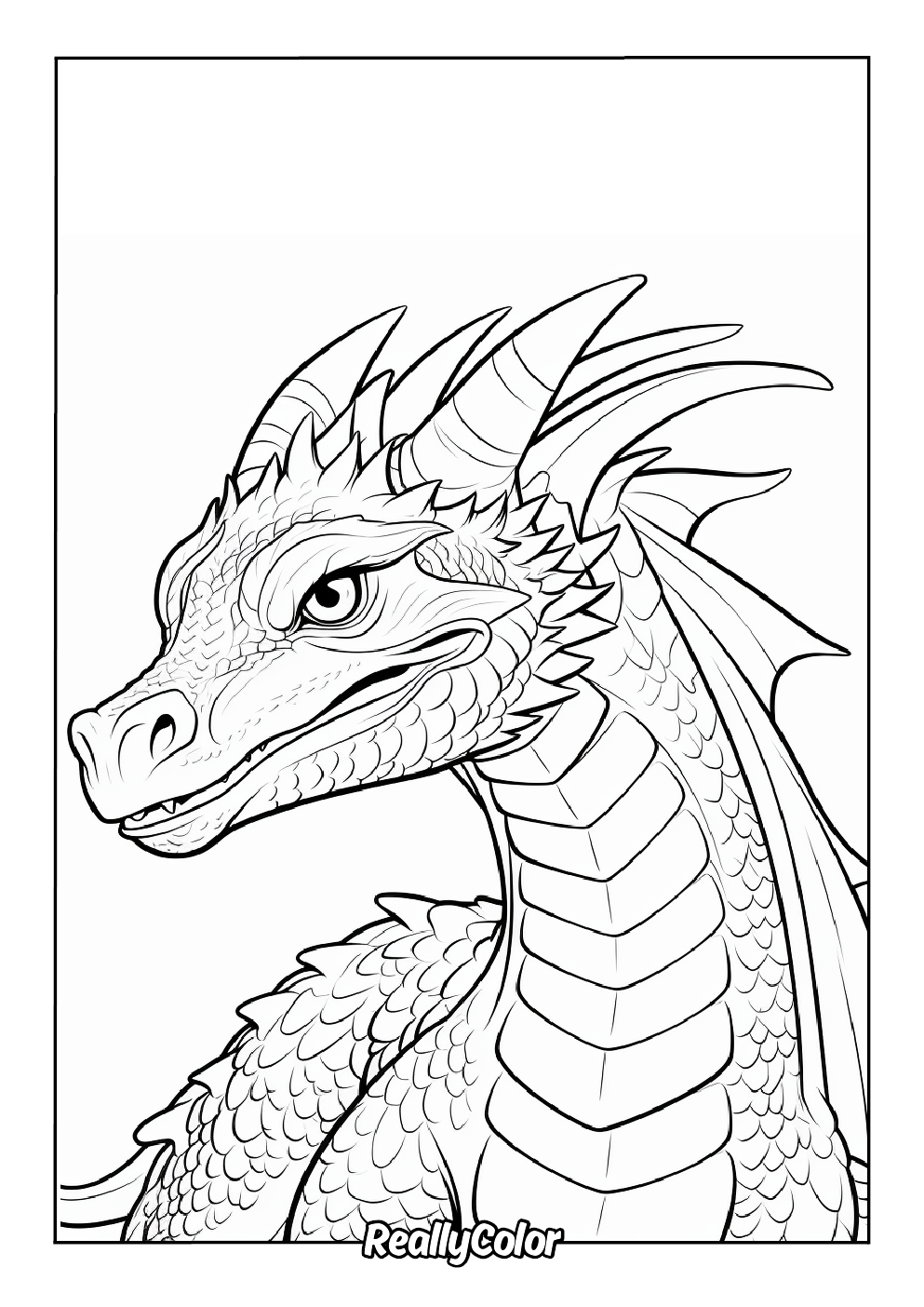
Coloring pages dragons provide structured visual templates that enhance fine motor control, spatial awareness, and narrative imagination in early childhood learners through engaging mythological imagery. According to the National Association for the Education of Young Children (NAEYC), purposeful manipulation of graphic media strengthens the hand-eye coordination and pre-writing grip required for academic foundations. By integrating these fantastical templates alongside structured Coloring Pages, educators and parents can systematically bridge imaginative play with cognitive skill development.
Visual Learning & Skill Snapshot:
- Core Focus: Utilizing dragon-themed graphic line art to foster artistic expression and dexterity.
- Target Skill: Fine-motor precision, scale recognition, and color-theory application.
- Key Recommendation: Pair high-contrast mythical line sheets with diverse mark-making tools to stimulate tactile exploration.
Core Principles and Learning Overview
Dragon-themed illustrative sheets leverage children’s innate fascination with mythical creatures to sustain extended focus during visual arts instruction. Direct engagement with complex shapes, scales, and sweeping wings forces learners to navigate varied spatial orientations, promoting visual discrimination and boundary control. When paired with complementary Drawing Worksheets, these resources help children transition from passive coloring to active compositional design, encouraging them to analyze line weight, proportion, and balance within structured artistic frameworks.
Key Specifications and Breakdown
| Age / Learning Stage | Visual Skill & Ratio | Pedagogical Application & Scaffolding |
|---|---|---|
| Early Preschool (Ages 3-4) | Thick outlines, large scale ratio (1:1), minimal internal details. | Focus on palmar grasp, large-muscle control, and basic color naming within open sections. |
| Kindergarten (Ages 5-6) | Medium line weight, segmented body parts, directional patterns. | Scaffolding pincer grasp, teaching pressure modulation, and introducing simple shading concepts. |
| Early Elementary (Ages 7-8) | Complex interlocking scales, dynamic poses, fine detail grids. | Fostering color harmony, perspective analysis, and independent narrative art creation. |
Art experiences structured around fantasy themes effectively support psychological resilience, symbolic representation, and creative problem-solving skills in young learners. — National Art Education Association (NAEA)
Step-by-Step Practical Application and Guidelines
Effective utilization of mythical art templates requires a deliberate sequence of preparation, execution, and reflective discussion. Educators should begin by selecting appropriate complexity levels matching the developmental stage of the learners, ensuring line weights accommodate current motor skills. Next, provide a diverse array of media—ranging from washable markers to textured colored pencils—to encourage experimental mark-making across distinct anatomical sections like wings and tails. Following completion, expand the cognitive value by introducing supplementary Printable Crafts or engaging students in descriptive storytelling based on their completed artwork.
Common Challenges and How to Avoid Them
Frustration during intricate coloring sessions typically stems from mismatched motor skill demands or improper tool selection that leads to hand fatigue and page tearing. Instructors can prevent these obstacles by matching younger children with simplified outlines featuring generous coloring regions while reserving high-density scale patterns for older, more dextrous students. Furthermore, utilizing heavy cardstock instead of standard copy paper prevents bleed-through and ensures that markers or watercolors maintain structural integrity during aggressive artistic application.
💬 Frequently Asked Questions
Conclusion and Next Steps
Integrating mythical art templates into daily curricula transforms standard motor exercises into vibrant journeys of imagination and cognitive growth. Providing structured access to diverse artistic resources ensures that children continuously refine their spatial reasoning, fine motor skills, and creative confidence. Explore the full library of Art Activities to discover more engaging, developmental worksheets designed for early learners and educators.
Printable Coloring Page Previews