Introduction
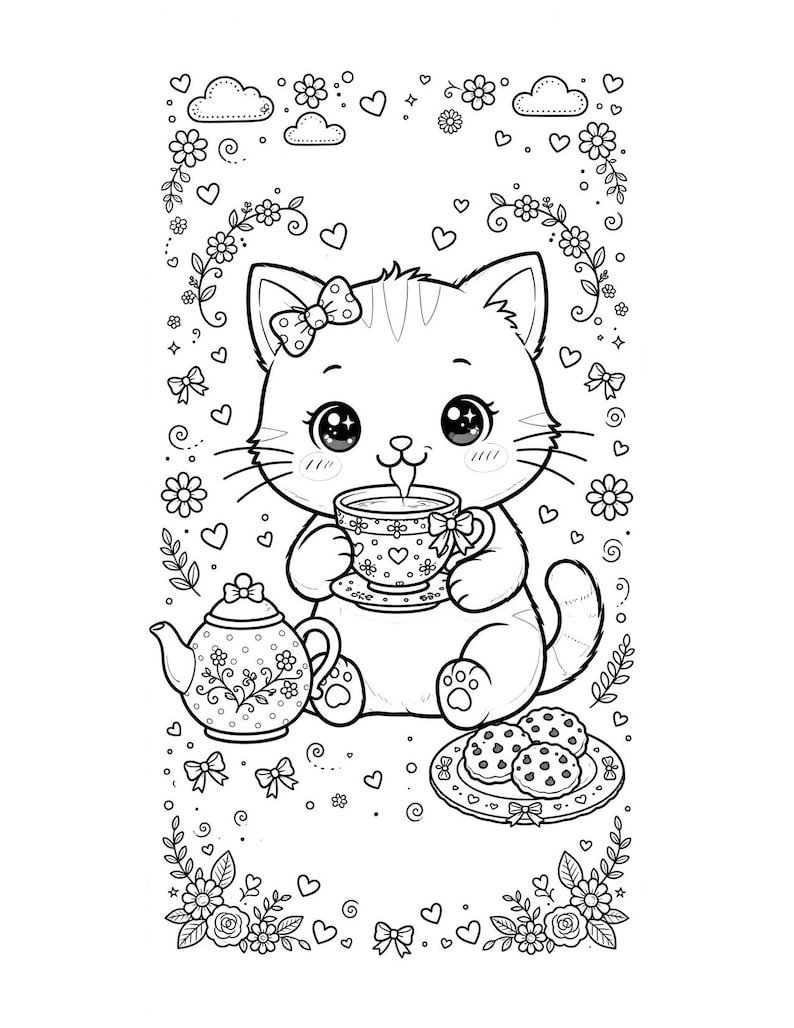
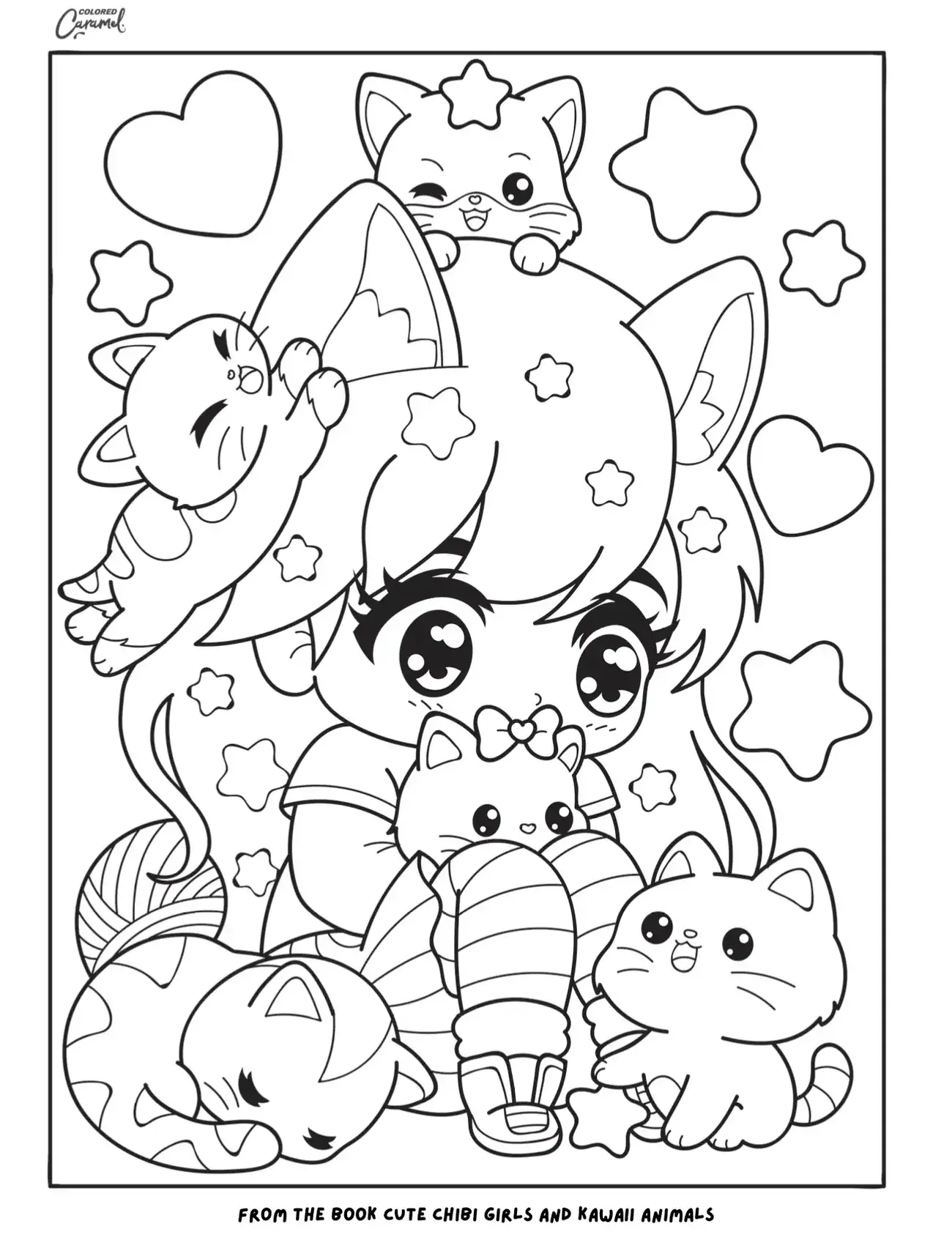
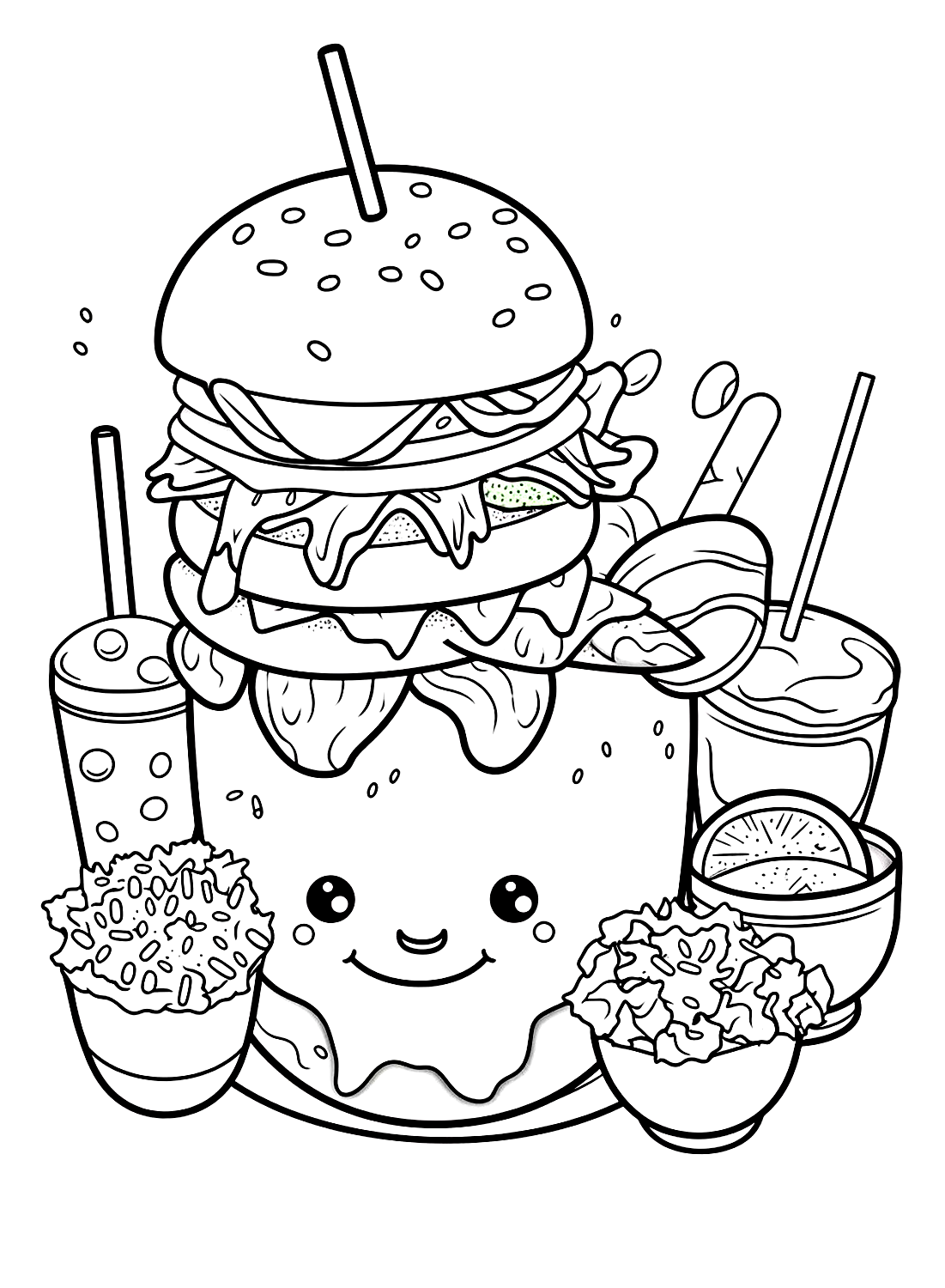
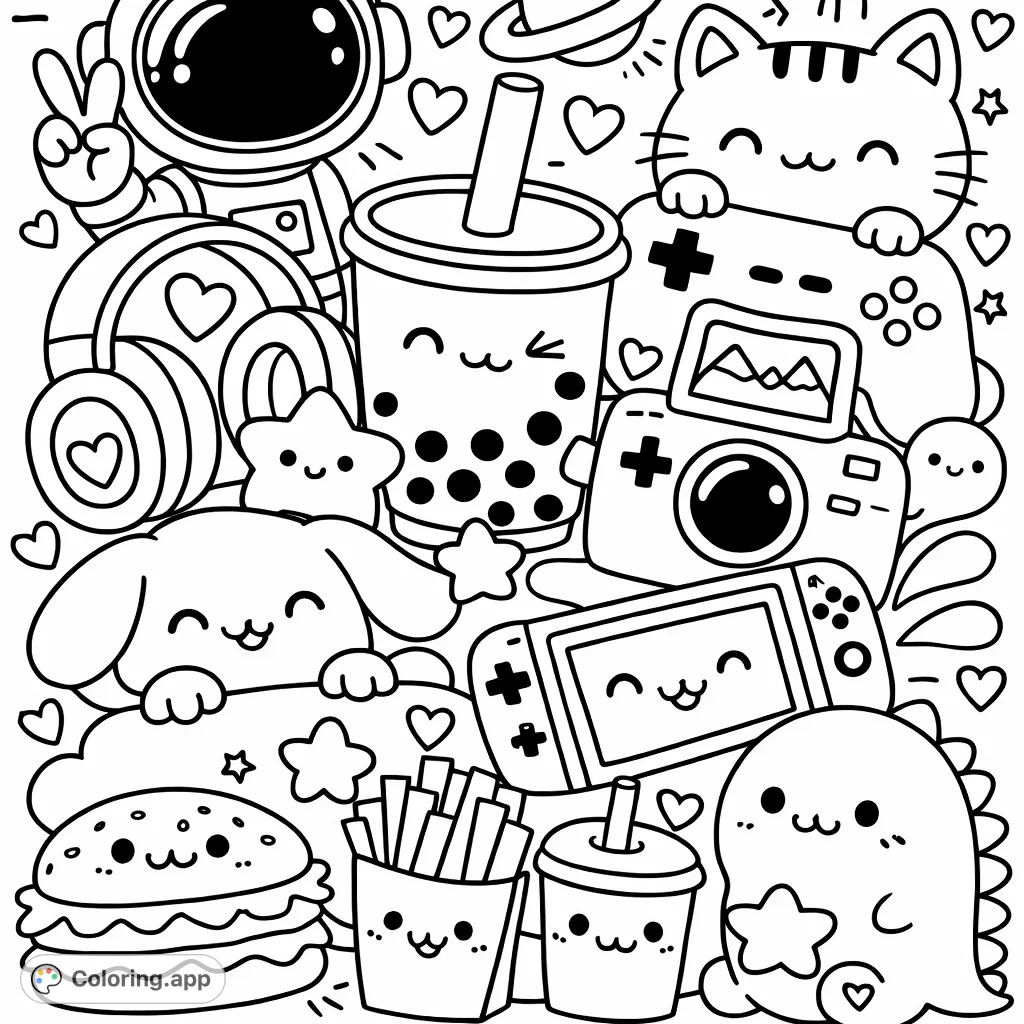
Coloring pages cute kawaii represent a specialized artistic subgenre defined by oversized facial features, simplified rounded geometry, and disarming emotional expressions that naturally capture early childhood interest. According to the National Association for the Education of Young Children (NAEYC), engaging children with simplified, emotionally appealing graphic styles supports visual tracking, emotional literacy, and fine-motor control development. Integrating these charming graphics into early childhood curricula provides an effective bridge between unstructured play and focused graphic execution, establishing foundational techniques required for advanced Drawing Worksheets and multi-step creative projects.
Visual Learning & Skill Snapshot:
- Core Focus: Utilizing kawaii-style illustrated characters to build confidence in coloring and stroke precision.
- Target Skill: Fine-motor proportion, boundary containment, and expressive visual communication.
- Key Recommendation: Provide thick-contoured sheets paired with diverse media options to enhance tactile engagement.
Core Principles and Learning Overview
The defining aesthetic of kawaii illustration utilizes high-contrast outlines and proportional exaggeration to reduce cognitive load while maximizing visual engagement. When children interact with Coloring Pages featuring friendly anthropomorphic objects and gentle creatures, the clean structural lines act as natural boundary markers. This structural clarity assists early learners in managing spatial constraints, planning color palettes, and developing sustained focus without experiencing frustration from overly complex backgrounds or intricate geometric patterns.
Key Specifications and Breakdown
| Age / Learning Stage | Visual Skill & Ratio | Pedagogical Application & Scaffolding |
|---|---|---|
| Ages 3-4 (Early Preschool) | Thick outer outlines with minimal internal detail to encourage gross-motor hand movements. | Pair with large crayons or washable markers to build hand strength and basic directional coloring habits. |
| Ages 5-6 (Kindergarten) | Balanced proportions with expressive facial features and small accessory elements. | Introduce colored pencils and watercolor paints to explore shading techniques and color blending inside defined shapes. |
| Ages 7-8 (Early Elementary) | Complex kawaii scenes featuring multiple characters and integrated backgrounds. | Combine graphic coloring with structured Printable Crafts to encourage narrative creation and cutting dexterity. |
Intentional graphic simplification in early art materials supports cognitive self-regulation by minimizing visual clutter and allowing young learners to focus exclusively on motor execution and color choice. — National Art Education Association (NAEA)
Step-by-Step Practical Application and Guidelines
Implementing kawaii-themed coloring tasks effectively requires a structured approach that moves from selecting high-resolution print assets to encouraging independent creative expression. Educators and parents should begin by printing designs on heavy-weight cardstock to withstand repeated friction from markers and water-based paints. Next, guide learners to identify the primary focal point of the artwork, discussing the character’s emotion and planning a harmonious color scheme before applying pigment. Transition these coloring sessions into broader Art Activities by prompting children to invent backstories or draw additional kawaii elements around the central figure.
Common Challenges and How to Avoid Them
Children frequently experience hand fatigue or loss of interest when encountering small internal details or thin boundary lines that lead to frequent over-coloring. To prevent frustration, educators should ensure that initial printable selections feature bold, clear contours and substantial fill areas that match the current developmental stage of the child’s grip strength. Furthermore, encouraging brief hand-stretching exercises prior to coloring helps maintain proper pencil posture and prevents muscle cramping during extended creative sessions.
💬 Frequently Asked Questions
Conclusion and Next Steps
Embracing the charm of approachable graphic art provides a reliable pathway to enhanced fine-motor control, emotional expression, and creative confidence in young learners. Caregivers and educators can expand these learning opportunities immediately by exploring the curated collection of Coloring Pages available on ColorLeaf Studio to support engaging, skill-building art sessions at home or in the classroom.
Printable Coloring Page Previews