Introduction
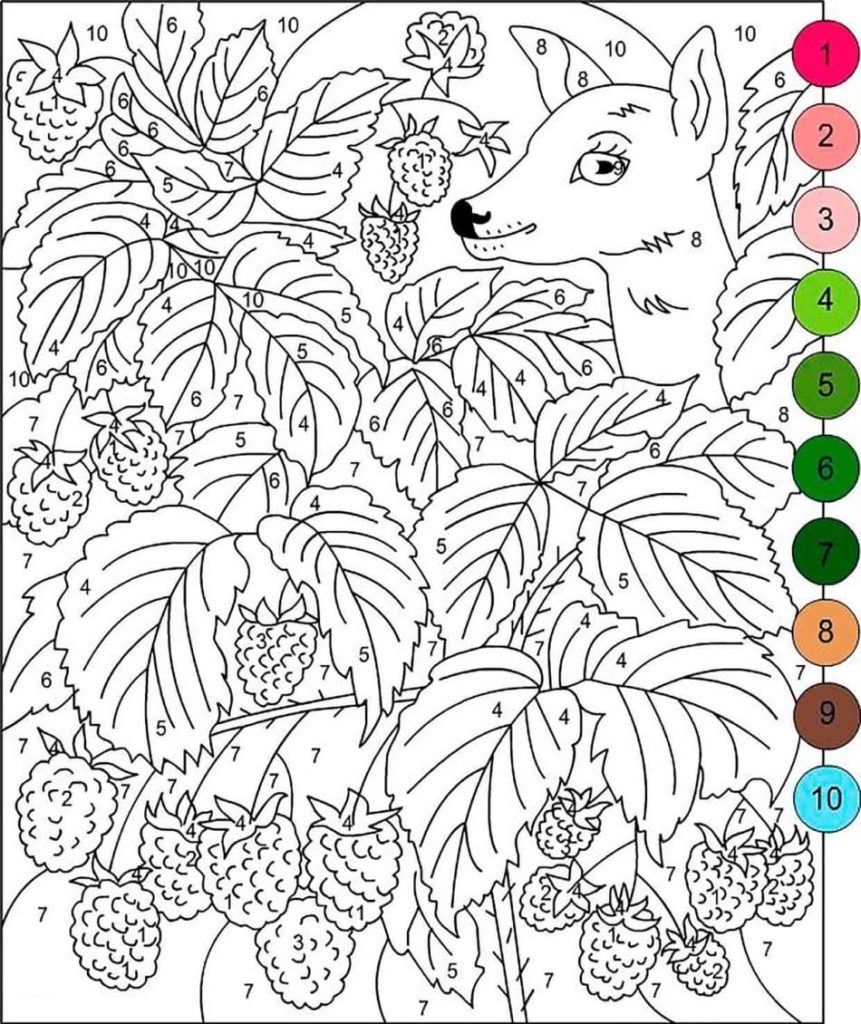
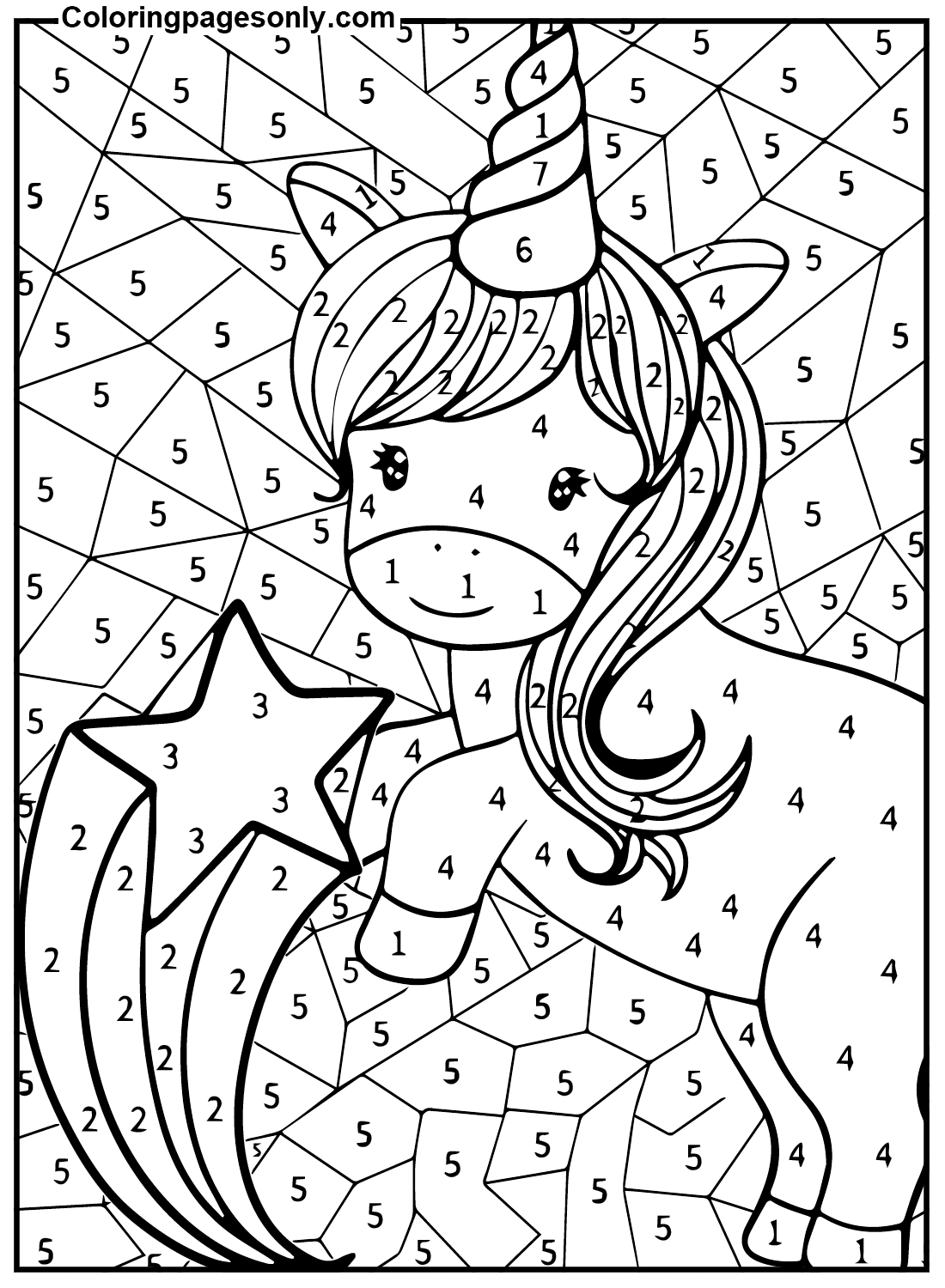
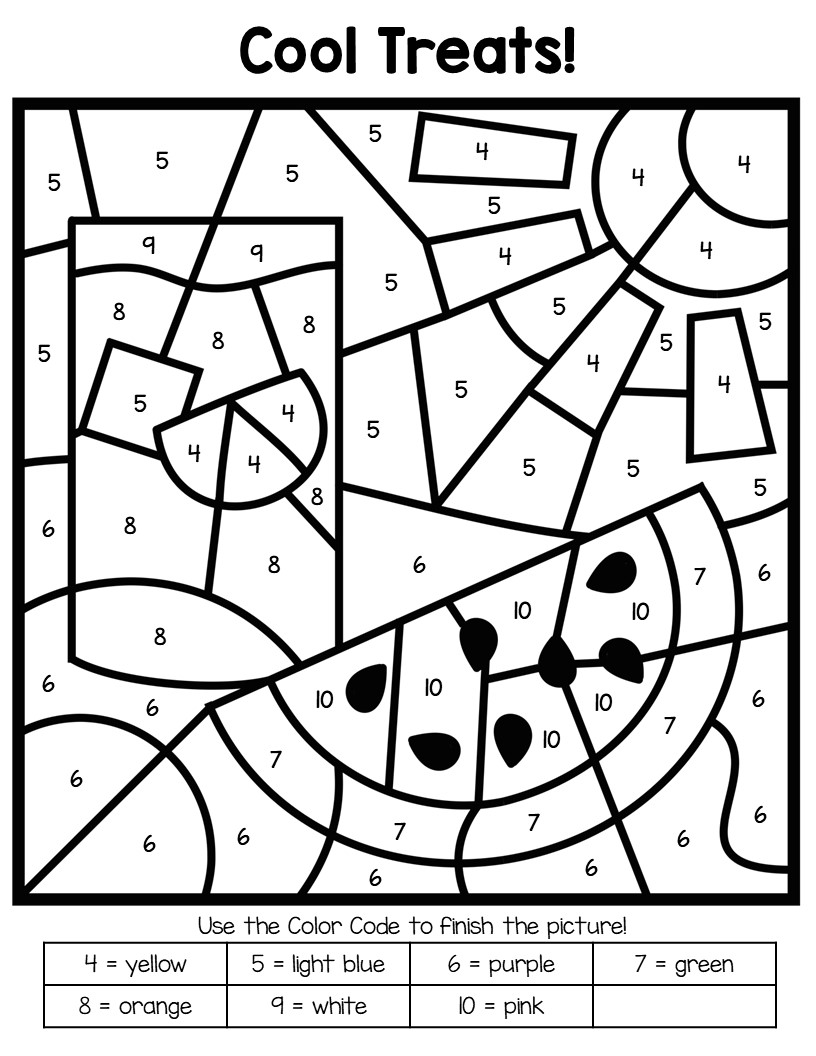
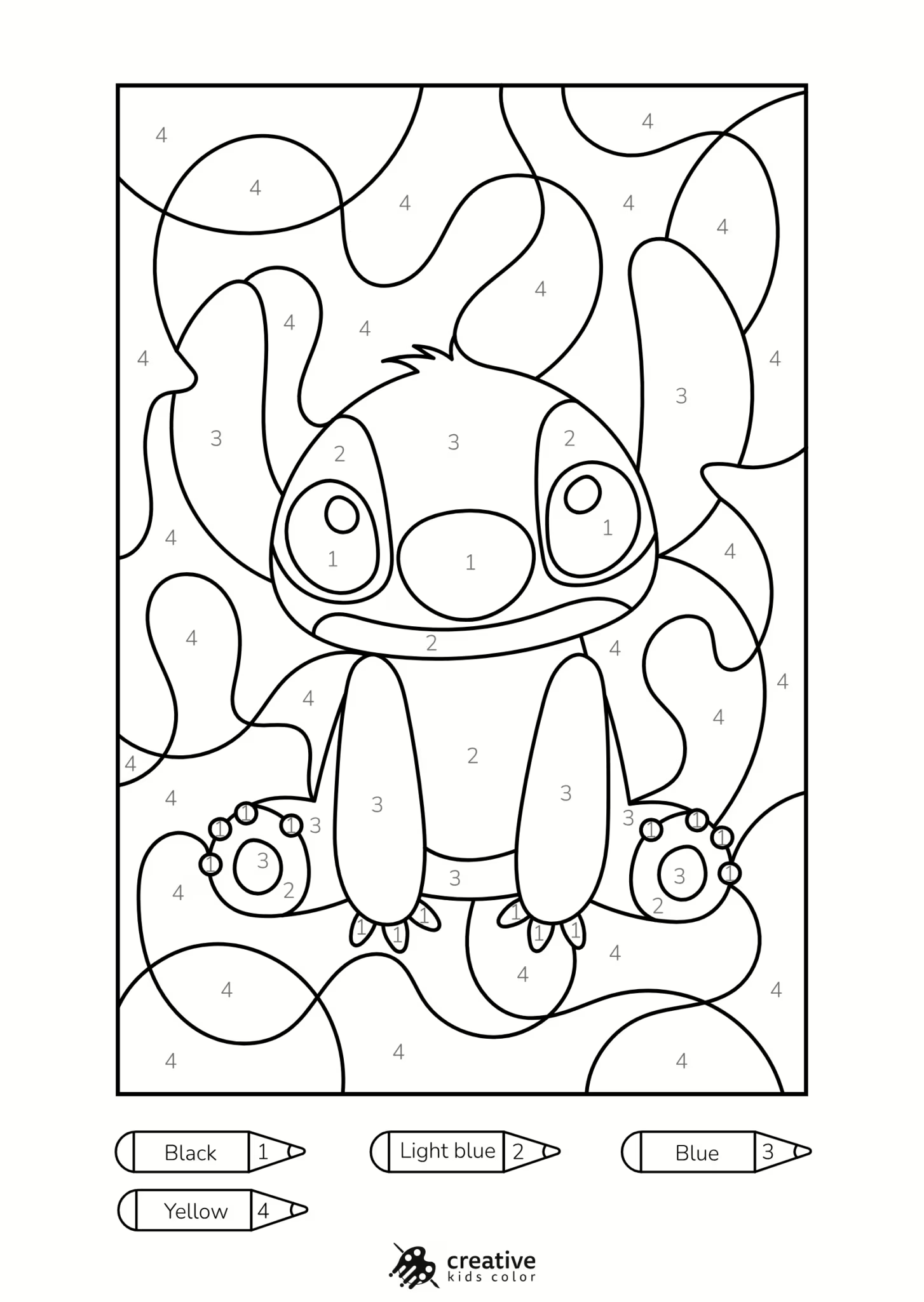
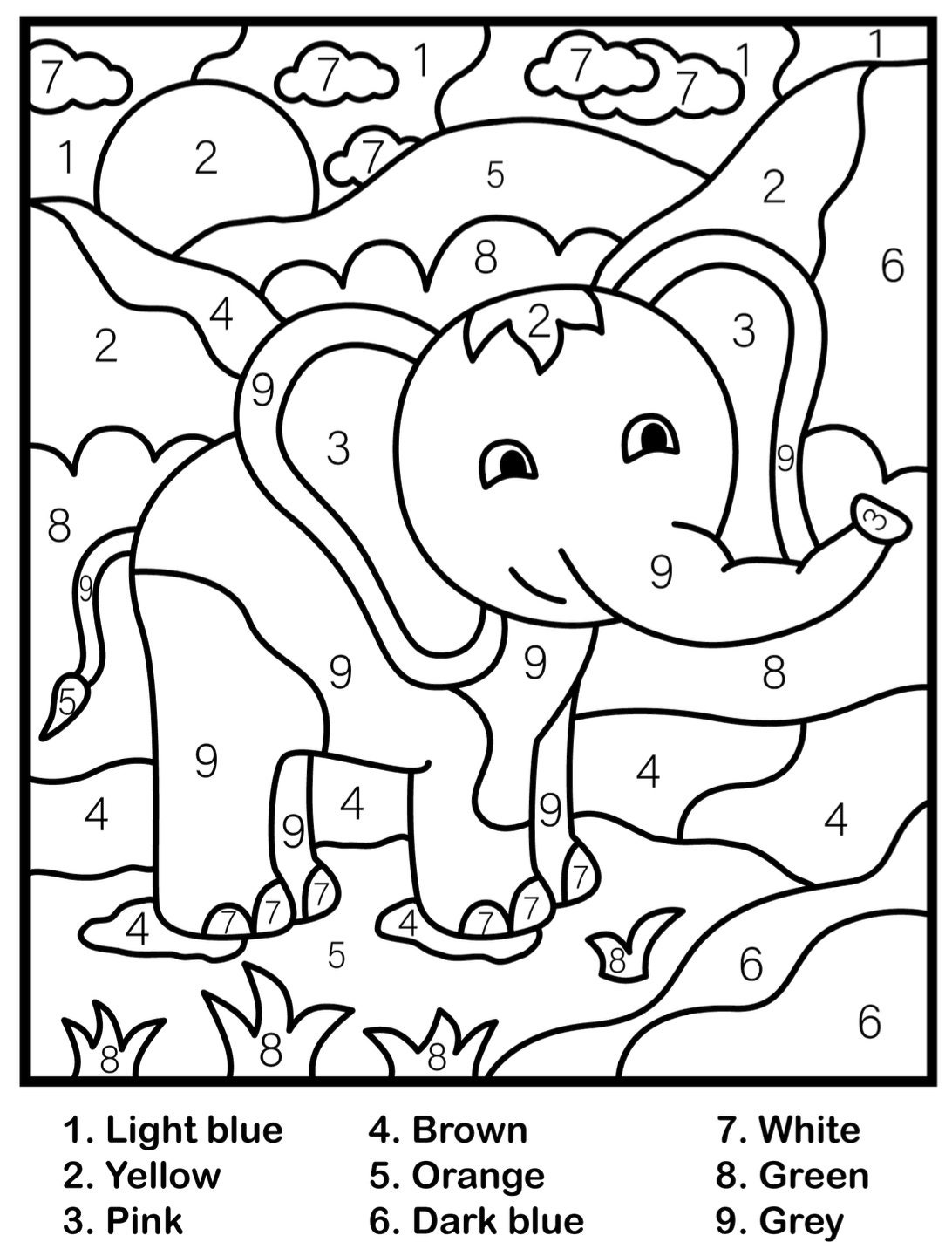
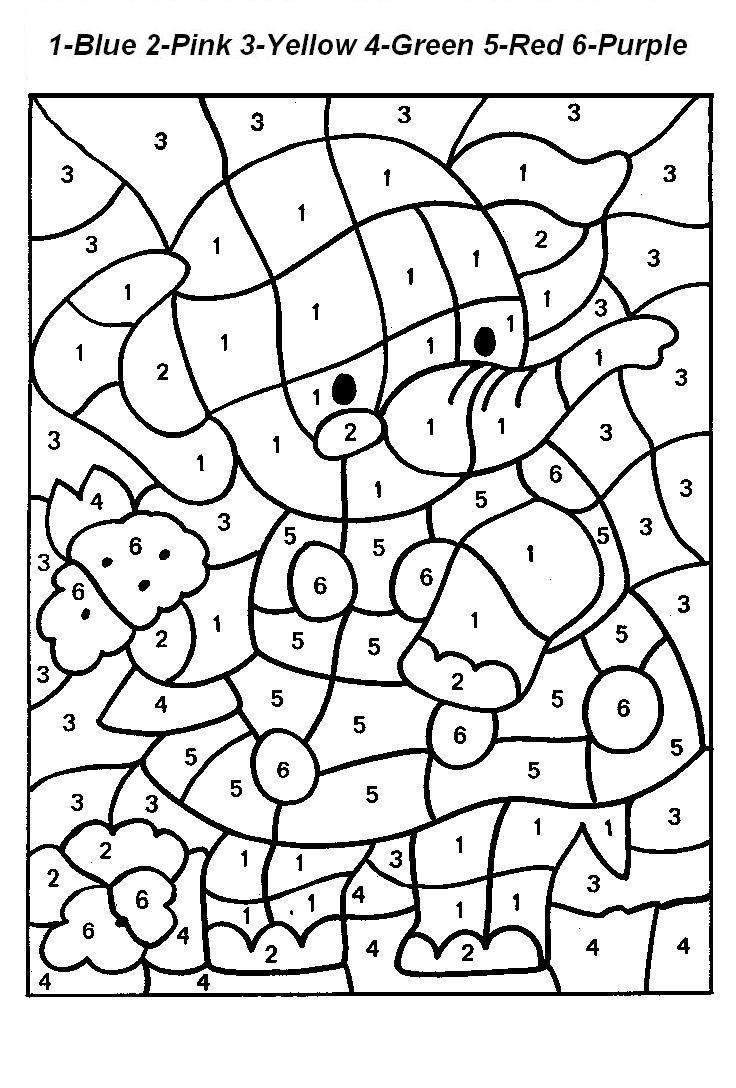
Coloring pages color by number provide structured visual-cognitive scaffolding that systematically reinforces numerical recognition, color matching, and fine-motor precision through guided spatial execution. According to the National Association for the Education of Young Children (NAEYC), purposeful manipulation of structured graphical worksheets actively supports foundational executive function and early mathematical schema development. Integrating these focused printables into early education curriculums bridges abstract symbol recognition with concrete visual-art expression, establishing an accessible entry point for children mastering hand-eye control. To expand foundational toolkits beyond standard numerical grids, educators frequently pair these exercises with diverse Coloring Pages that encourage open-ended chromatic exploration.
Visual Learning & Skill Snapshot:
- Core Focus: Systematic number-to-color mapping utilizing structured graphic regions.
- Target Skill: Visual discrimination, symbolic decoding, and fine-motor control.
- Key Recommendation: Match color palette complexity directly to developmental readiness and current spatial attention spans.
Core Principles and Learning Overview
Structured numerical illustration activities require learners to decode a specific digit or symbol, retrieve the corresponding chromatic rule from a legend, and inhibit impulsive strokes to color exclusively within designated boundary lines. This deliberate cognitive loop strengthens sustained attention, operational memory, and visual-spatial discrimination by breaking complex imagery into manageable visual segments. As children navigate these bounded areas, hand muscles coordinate with ocular tracking, reinforcing the precise grip strength necessary for future handwriting and technical drawing fluency. Transitioning from numerical decoding to expressive spatial composition becomes seamless when combining these worksheets with structured Drawing Worksheets that teach proportional layout and line confidence.
Key Specifications and Breakdown
| Age / Learning Stage | Visual Skill & Ratio | Pedagogical Application & Scaffolding |
|---|---|---|
| Early Preschool (Ages 3-4) | Large geometric zones with 3-4 primary colors. | Use high-contrast outlines and limit numerical range to single digits (1-4) to encourage immediate success and fundamental color association. |
| Kindergarten (Ages 5-6) | Medium-density shapes with 5-7 distinct shades. | Introduce mixed hues and secondary color keys, prompting learners to cross-reference a side legend while maintaining stroke containment. |
| Early Elementary (Ages 7-8) | Complex thematic matrices with 8+ subtle tones. | Incorporate gradient mixing, shading patterns, and multi-step pattern decoding to challenge advanced visual attention and fine motor stamina. |
Structured art activities that combine symbolic keys with manual execution significantly enhance visual-motor integration and sustained attention spans in early childhood. — National Art Education Association (NAEA)
Step-by-Step Practical Application and Guidelines
Executing number-matched graphics effectively demands a logical sequence of preparation, color mapping, and guided execution to maximize cognitive absorption. First, prepare the workspace by providing an accessible, well-lit surface and pre-sorting the exact colored pencils, crayons, or markers specified in the worksheet legend to eliminate cognitive clutter. Second, guide learners to review the master key thoroughly, identifying each numeral and linking it to its corresponding pigment before putting pigment to paper. Third, encourage starting from the top-left corner of the layout for right-handed participants (or top-right for left-handed participants) to prevent smudging wet mediums or wearing down hand edges against finished sections. Finally, complement these methodical graphing tasks with hands-on Printable Crafts to transform 2D spatial concepts into tactile 3D physical models.
Common Challenges and How to Avoid Them
Young learners frequently encounter hurdles such as rushing through boundary lines, misinterpreting closely matched color tones, or experiencing hand fatigue from excessive gripping pressure during prolonged sessions. Educators and parents can mitigate these challenges by intentionally limiting active working intervals to manageable ten-to-fifteen-minute spans, utilizing triangular ergonomic writing tools to encourage a relaxed tripod grip, and printing worksheets on heavy cardstock to prevent bleed-through and paper tearing. When visual fatigue occurs, pausing the exercise to review completed sections builds intrinsic motivation and reinforces accurate symbol decoding without inducing frustration.
💬 Frequently Asked Questions
Conclusion and Next Steps
Intentional integration of guided numerical art sheets establishes a robust cognitive foundation that bridges logical symbol processing with refined motor execution. By respecting developmental pacing and providing high-quality educational printables, educators and caregivers unlock lasting confidence in young learners. Explore the complete collection of high-resolution educational assets and thematic resources available across ColorLeaf Studio to support comprehensive early childhood learning.
Printable Coloring Page Previews