Introduction
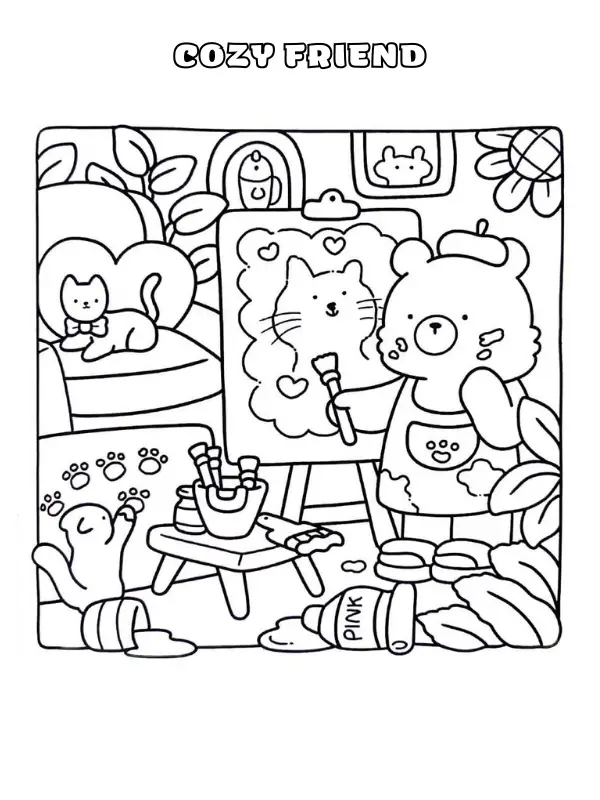
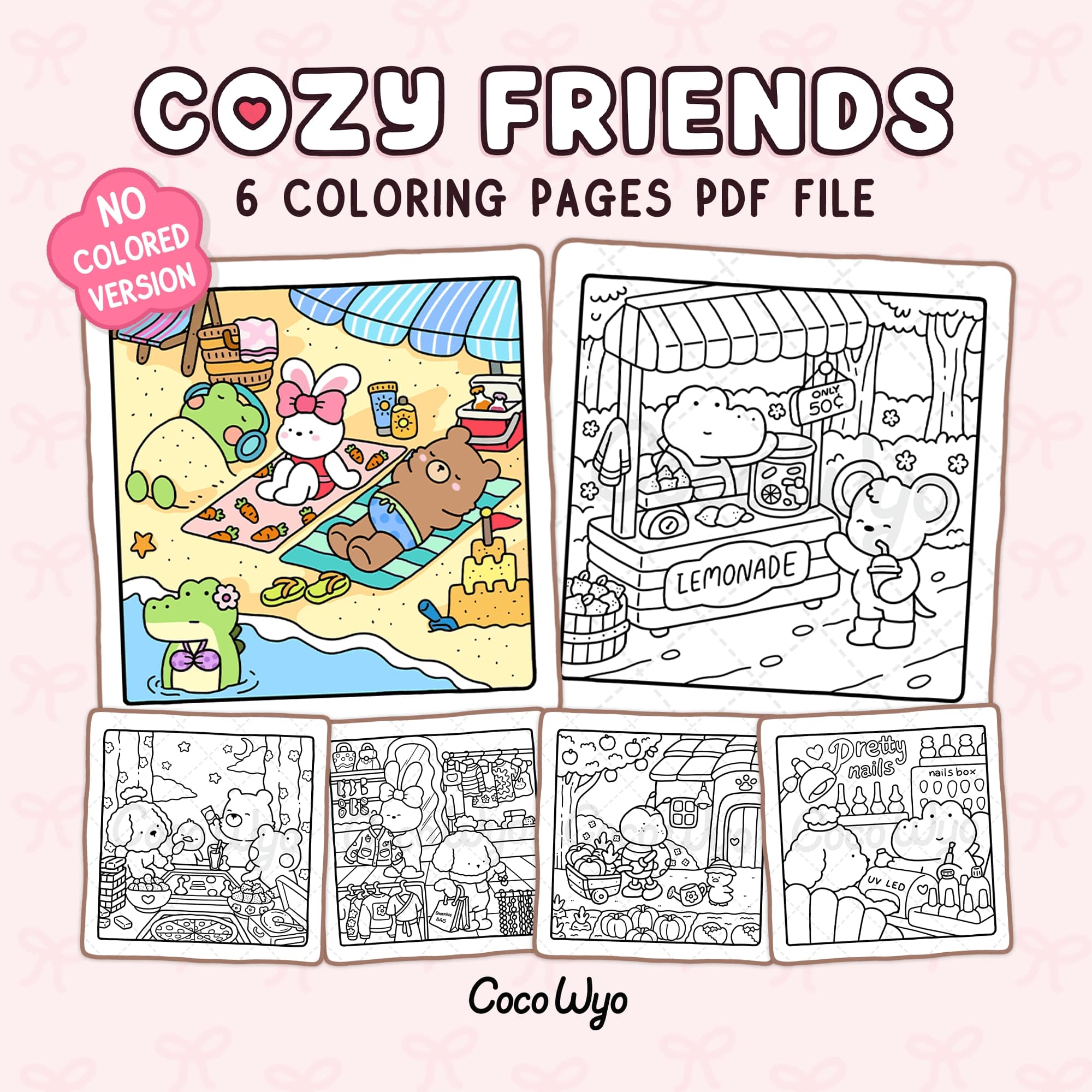
Coloring pages cozy friends serve as targeted visual learning templates designed to foster emotional literacy, fine-motor precision, and narrative comprehension in early childhood education. According to the National Association for the Education of Young Children (NAEYC), purposeful artistic engagement with relatable social themes actively supports self-regulation and positive emotional development in young learners. These curated sheets bridge traditional illustration with intentional art pedagogy, providing structured opportunities for children to explore interpersonal relationships and warm, comforting environments through color selection. Educators and parents leverage these printable assets alongside specialized Coloring Pages to build foundational hand-eye coordination and spatial awareness.
Visual Learning & Skill Snapshot:
- Core Focus: Comforting interpersonal art templates designed to encourage emotional expression and steady pencil control.
- Target Skill: Fine-motor proportion, emotional vocabulary mapping, and intentional color gradient application.
- Key Recommendation: Pair large-format prints with broad-tipped markers for early stages, transitioning to colored pencils for detailed collaborative scenes.
Core Principles and Learning Overview
Emotional connection through visual art establishes a secure foundation for cognitive processing and creative confidence in young children. Coloring pages cozy friends combine friendly character design with domestic or pastoral motifs, offering predictable visual structures that reduce cognitive load during complex creative tasks. When learners engage with themes of friendship and safety, the brain activates neural pathways associated with empathy, social recognition, and narrative formulation. This structured artistic framework aligns directly with broader curriculum goals found in comprehensive Art Activities designed for multi-age classrooms and home-school environments.
Key Specifications and Breakdown
| Age / Learning Stage | Visual Skill & Ratio | Pedagogical Application & Scaffolding |
|---|---|---|
| Ages 3-4 (Early Explorer) | Thick, bold outlines (3px+) with high-contrast character zones to support basic palmar grasp. | Focus on large color blocking to build foundational wrist stability and confidence. |
| Ages 5-7 (Developing Artist) | Medium line weight with internal pattern elements and contextual background details. | Encourage color choices that reflect mood, texture, and environmental storytelling. |
| Ages 8-10 (Advanced Learner) | Intricate multi-character compositions requiring perspective and light source awareness. | Integrate shading techniques and narrative extensions using matching Drawing Worksheets. |
Intentional creative activities involving comforting imagery reduce acute stress responses and enhance focus during fine-motor skill acquisition — National Art Education Association (NAEA)
Step-by-Step Practical Application and Guidelines
Implementing cozy-themed printables effectively requires preparing a calm workspace, selecting appropriate medium-weight paper, and establishing open-ended prompts that encourage independent artistic choices. Begin by introducing the characters featured on the sheet, asking learners to identify the emotional tone of the scene before touching any writing utensils. Provide a curated palette of warm and cool tones, prompting consideration of how color influences the perceived warmth of a shared environment. Educators can extend these tactile experiences into tangible classroom projects by pairing finished illustrations with multi-step Printable Crafts that turn flat coloring pages into standing tabletop displays.
Common Challenges and How to Avoid Them
Over-scaffolding and rushing fine-motor milestones frequently lead to child frustration during structured coloring sessions. Adults should avoid imposing rigid color rules or dictating realistic palettes, as arbitrary constraints stifle creative risk-taking and personal emotional expression. When learners experience hand fatigue or disinterest, reduce the complexity of the session by focusing on a single character or background element rather than completing an entire multi-figure composition in one sitting. Providing ergonomic grips and heavier cardstock prevents paper tearing and pencil slippage, ensuring a physically comfortable and rewarding creative experience.
💬 Frequently Asked Questions
Conclusion and Next Steps
Integrating empathetic and comforting visual themes into daily routines cultivates both technical artistic skill and emotional well-being. Educators and parents seeking to expand their creative libraries can explore additional curated educational resources and download fresh Coloring Pages directly from ColorLeaf Studio.
Printable Coloring Page Previews