Introduction
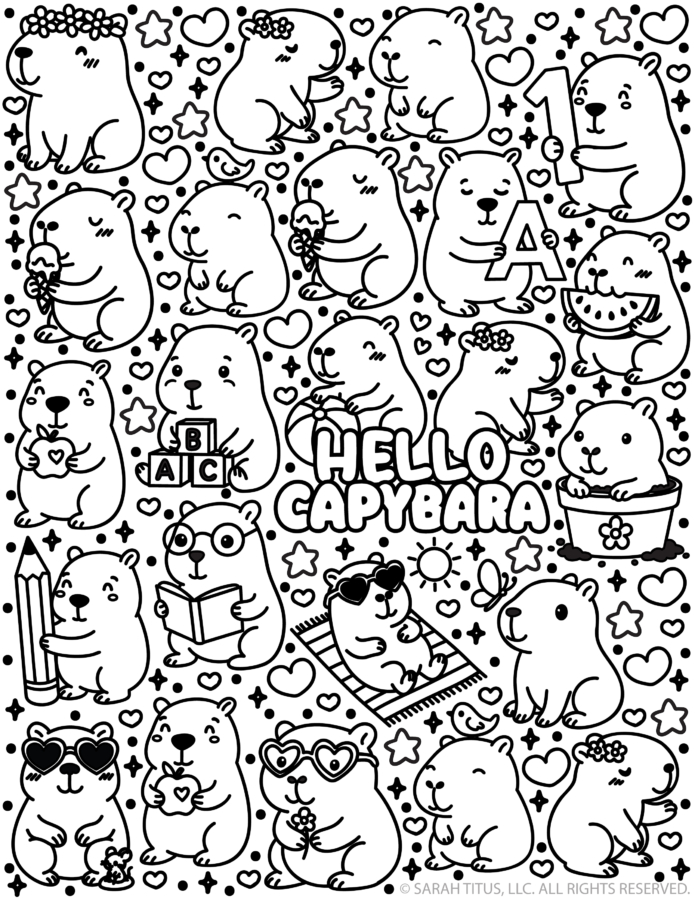
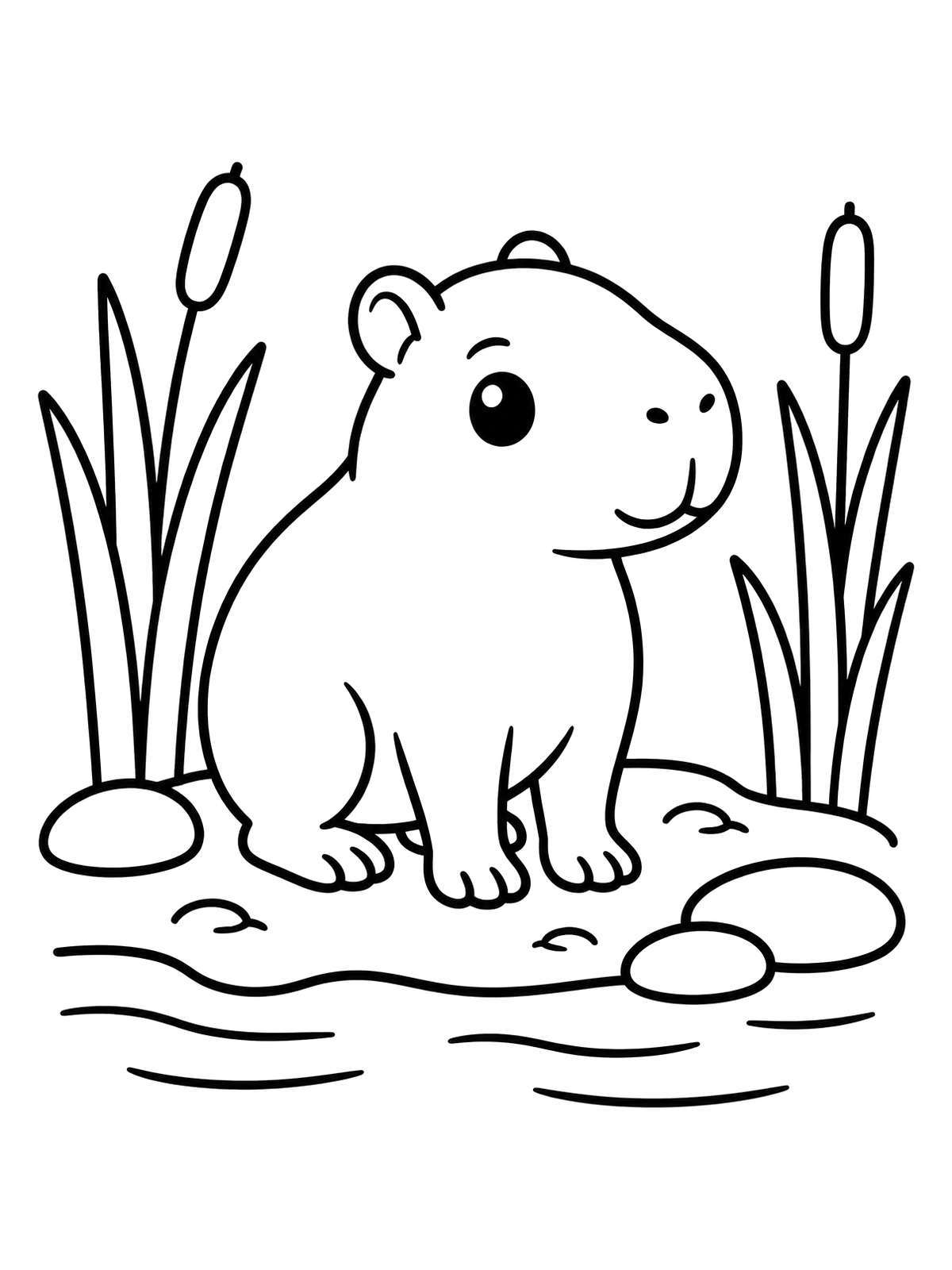
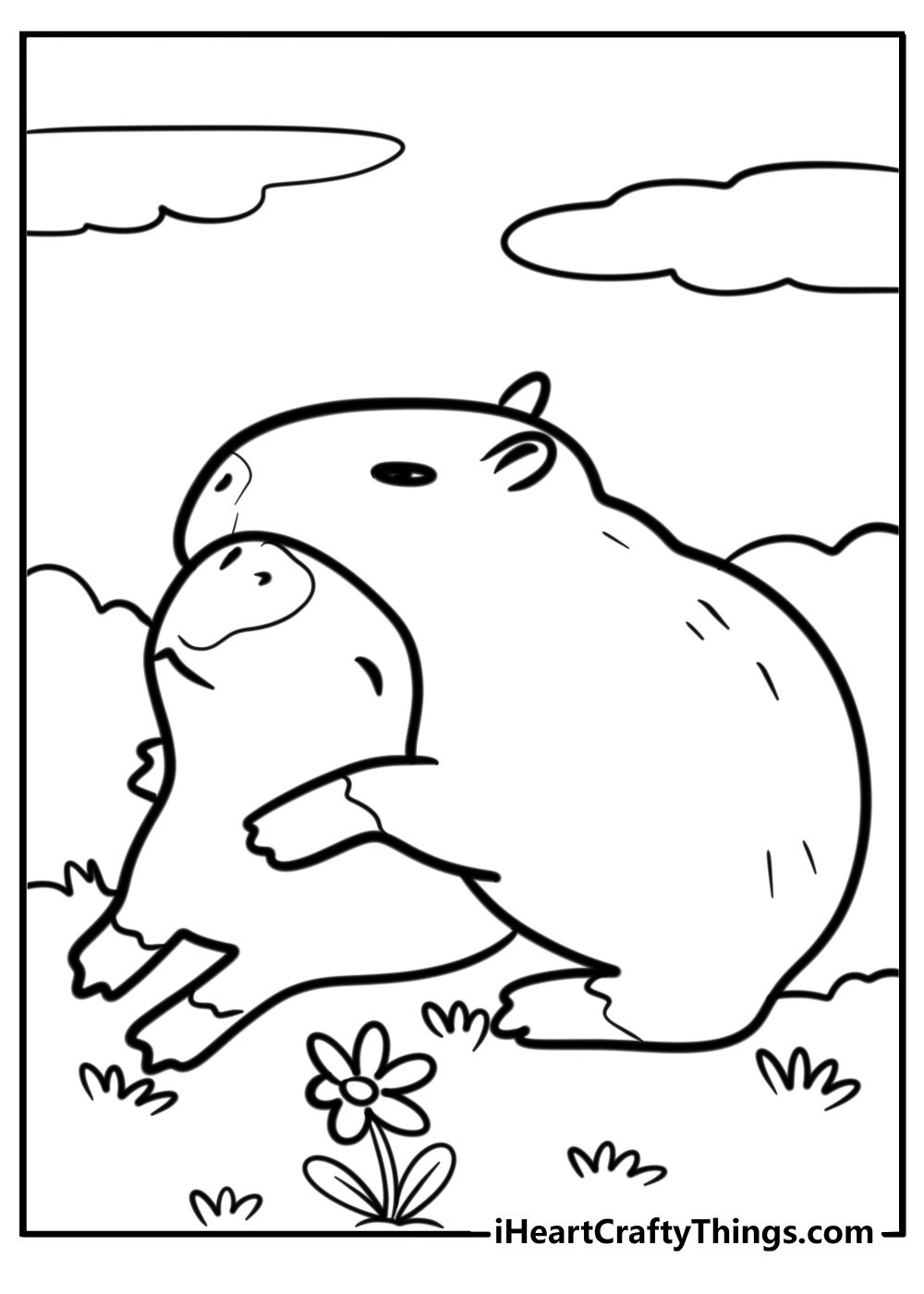
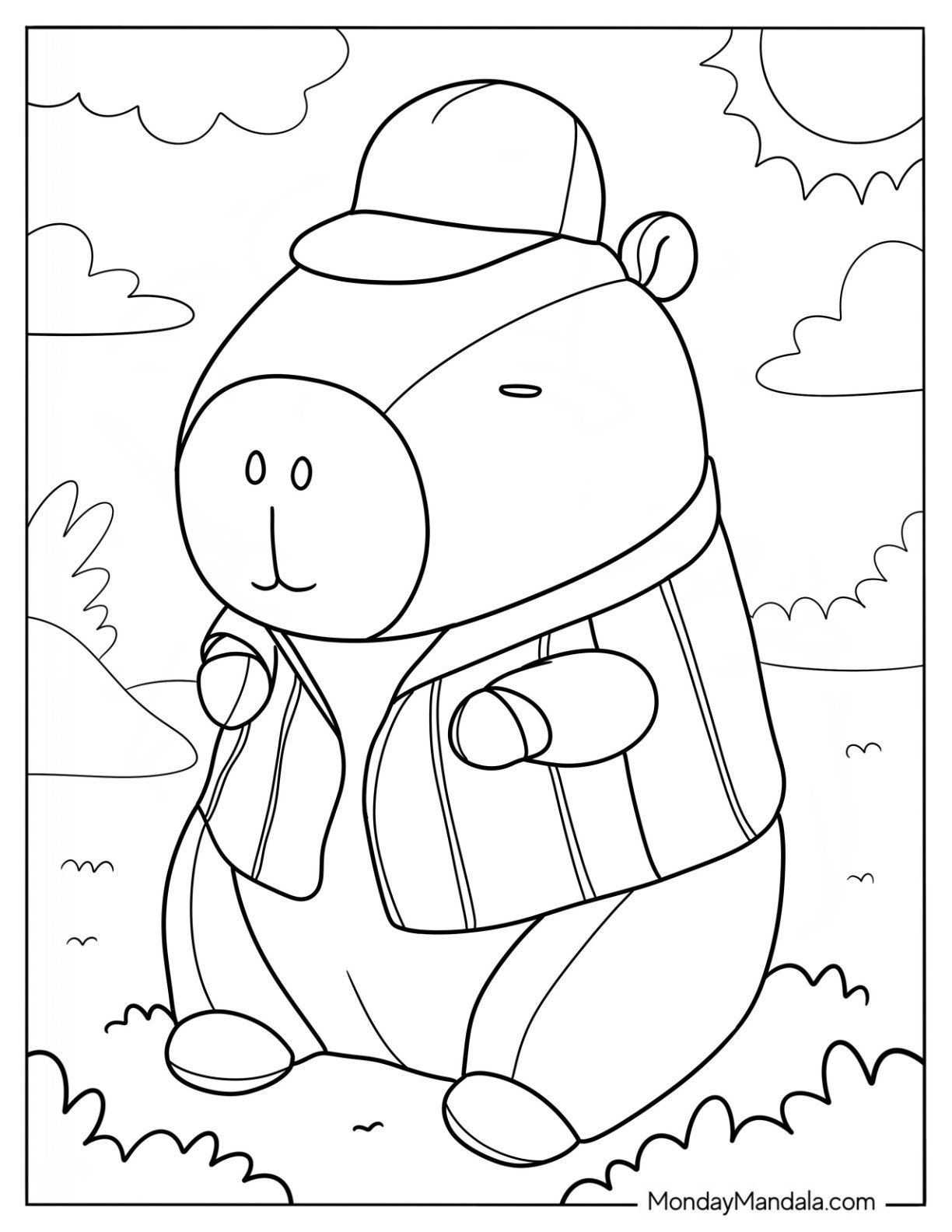
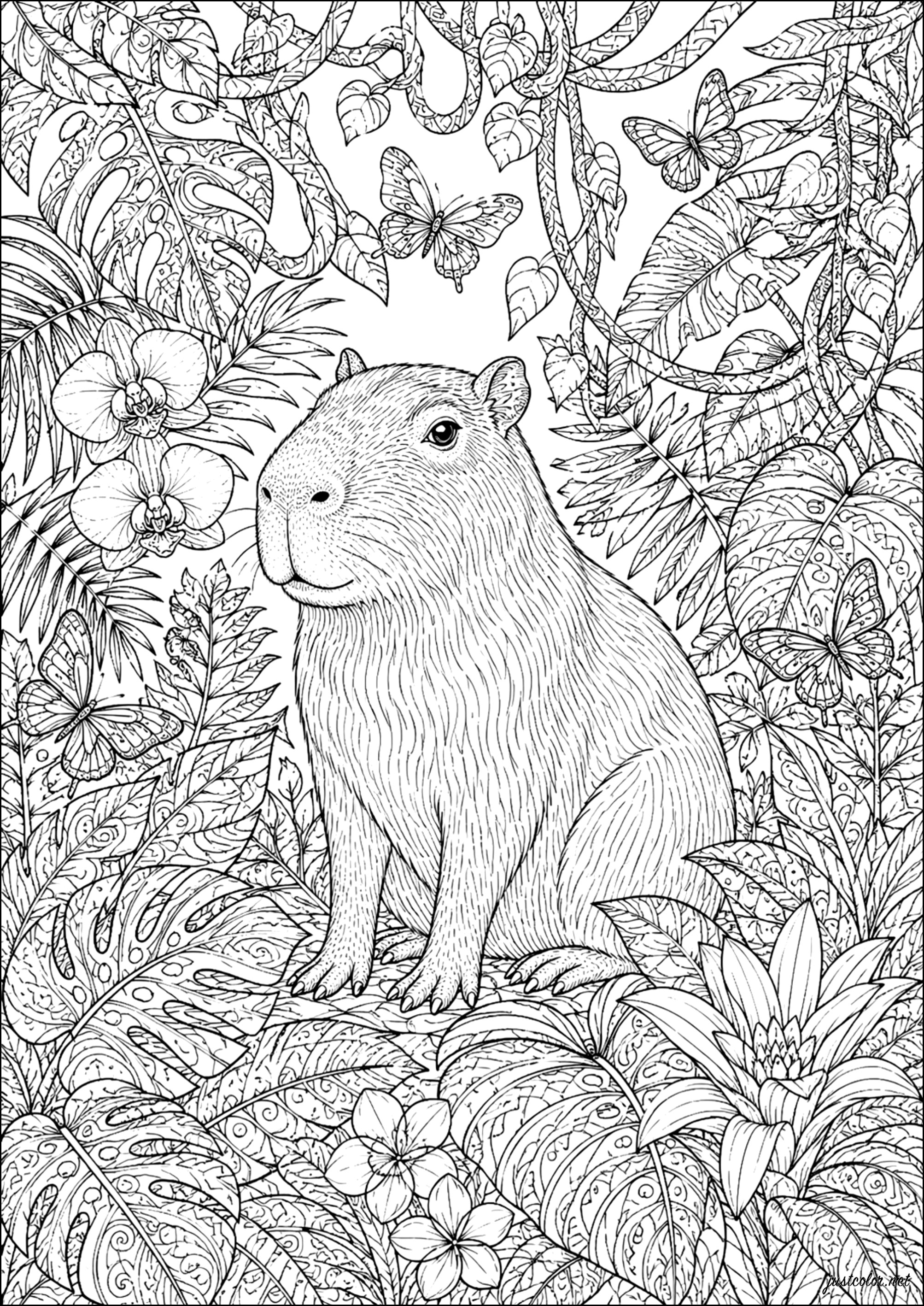
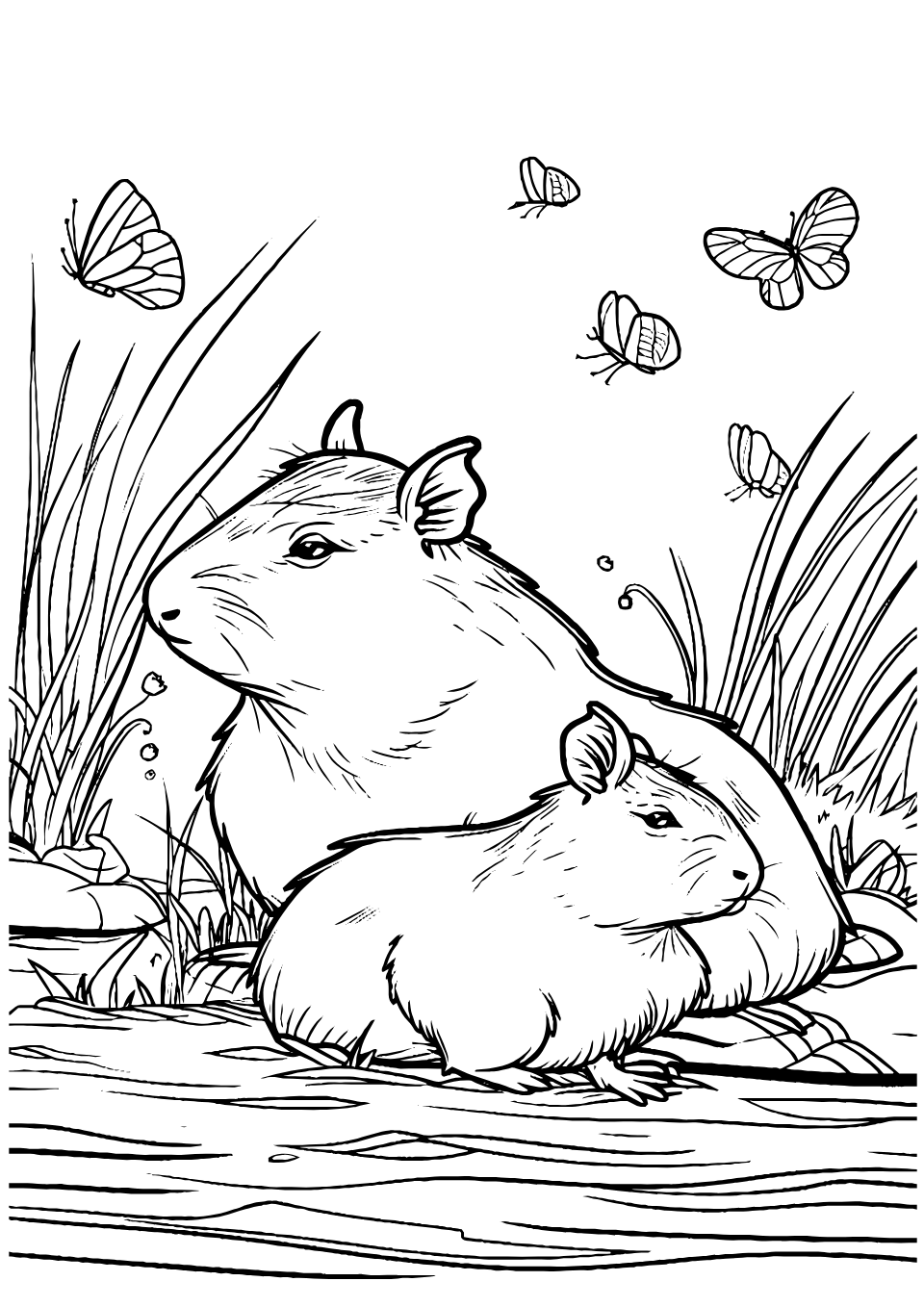
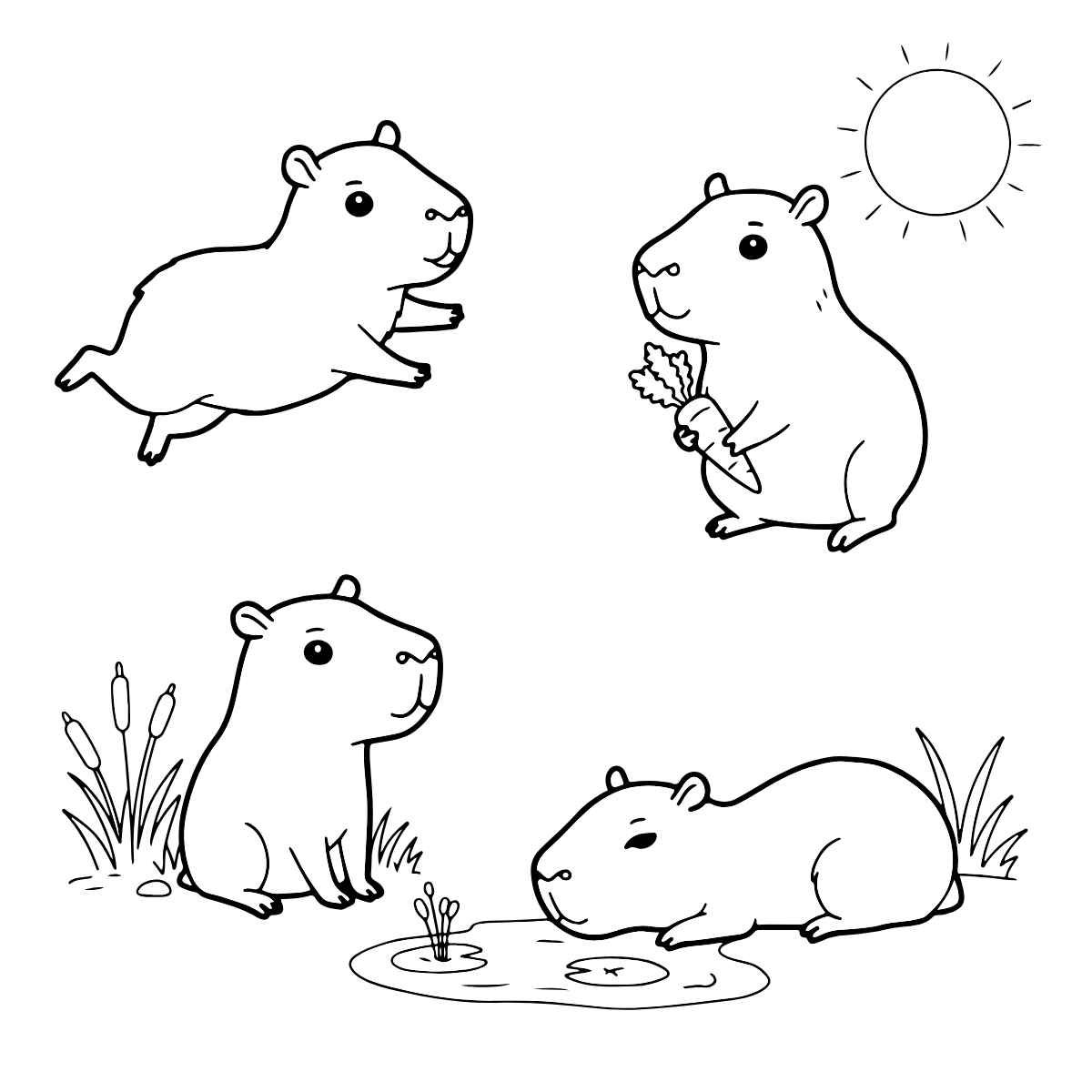
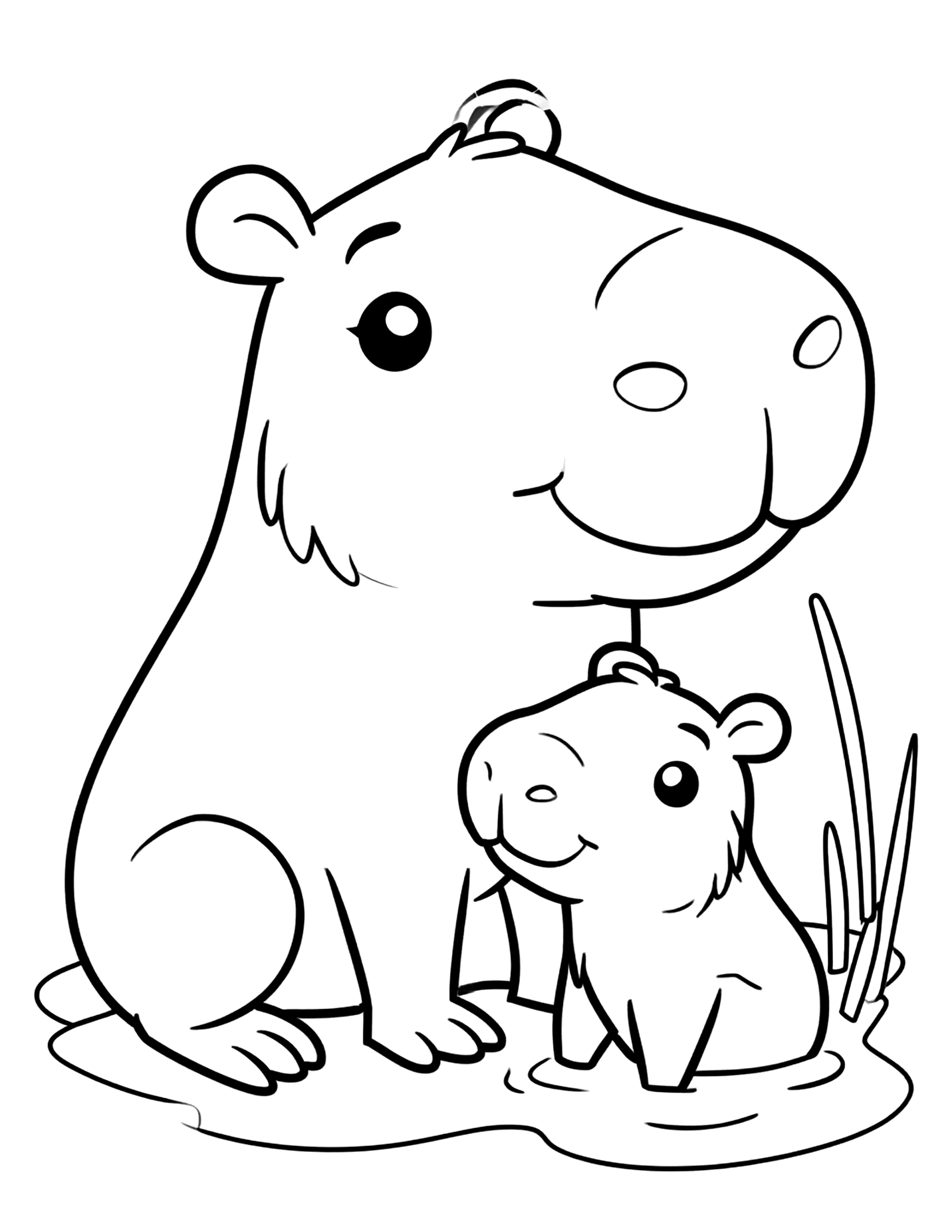
Coloring pages capybara provide targeted creative prompts that combine animal science exploration with foundational fine-motor skill acquisition for early learners. According to the National Association for the Education of Young Children (NAEYC), purposeful manipulation of handheld drawing media on structured graphical outlines builds critical hand-eye coordination and intentional grip strength essential for early writing proficiency. Integrating specialized subject matter, such as the world’s largest rodent in various habitats, transforms simple coloring tasks into engaging biology and geography lessons. Educators and caregivers can easily expand these artistic tasks into multidisciplinary Art Activities that reinforce cognitive engagement and spatial awareness in young children.
Visual Learning & Skill Snapshot:
- Core Focus: Printable botanical and wildlife-themed illustrations centered on capybara anatomy and natural environments.
- Target Skill: Fine-motor control, contour tracing, and visual texture differentiation.
- Key Recommendation: Pair thick-lined outlines with watercolor or coarse pigment pastels to develop fluid wrist movement.
Core Principles and Learning Overview
Structured coloring sheets featuring distinct animal subjects develop cognitive focus by requiring children to analyze contours, manage boundary constraints, and apply color theory purposefully. The unique physical proportions of the capybara—characterized by a blunt snout, small rounded ears, and stout body shape—challenge learners to adjust stroke length and pressure depending on anatomical sections. Utilizing curated Coloring Pages allows instructors to introduce ecosystem concepts, such as wetlands and tropical grasslands, while keeping cognitive loads balanced for early elementary students. Furthermore, structured artistic practice enhances patience and visual discrimination as children decide which textures represent fur, water, and surrounding flora.
Key Specifications and Breakdown
| Age / Learning Stage | Visual Skill & Ratio | Pedagogical Application & Scaffolding |
|---|---|---|
| Ages 3-4 (Preschool) | Thick outer borders, minimal interior detail, 1:1 scale matching. | Utilize thick crayons and finger-paints to master basic boundary containment without frustration. |
| Ages 5-6 (Kindergarten) | Moderate contour complexity, texture variation, basic shading. | Introduce colored pencils and directional hatching to represent coarse animal fur. |
| Ages 7-8 (Early Elementary) | Anatomical accuracy, background integration, layered blending. | Incorporate multi-media tools alongside detailed Drawing Worksheets for advanced proportion study. |
Artistic development in early childhood relies on balancing structured outline reinforcement with open-ended creative exploration to foster sustained attention spans. — National Art Education Association (NAEA)
Step-by-Step Practical Application and Guidelines
Successful implementation of wildlife coloring projects requires deliberate preparation of printing materials, workspace ergonomics, and medium selection to optimize developmental outcomes. Instructors should print sheets on heavy-weight cardstock (at least 65lb cover weight) to prevent bleeding when children utilize water-based markers or paints. Begin by introducing the real-world habitat of the subject through photographs before distributing the printouts. Encourage children to outline the primary silhouette with a dark wax crayon first, establishing a tactile boundary before filling in interior details with softer mediums. Conclude the session by having learners describe their color choices aloud, reinforcing vocabulary related to texture, tone, and zoological features.
Common Challenges and How to Avoid Them
Children frequently experience hand fatigue or frustration when attempting to color overly intricate backgrounds or illustrations with sparse line weight. Educators can eliminate these obstacles by selecting simplified designs with clear, uninterrupted contour lines for younger cohorts, while reserving complex background scenery for advanced learners. If a child consistently avoids staying within boundaries, reduce the physical scale of the working area or switch from thin colored pencils to broader triangular markers that naturally encourage correct tripod grasps. Providing consistent praise focused on effort and sustained concentration rather than flawless execution keeps intrinsic motivation high.
💬 Frequently Asked Questions
Conclusion and Next Steps
Embedding thematic animal art into daily schedules provides a reliable pathway for combining cognitive growth, biological curiosity, and essential motor skill refinement. Educators and parents seeking to expand their resource libraries can discover additional hands-on projects by exploring specialized Printable Crafts designed to complement traditional illustration sessions.
Printable Coloring Page Previews