Introduction
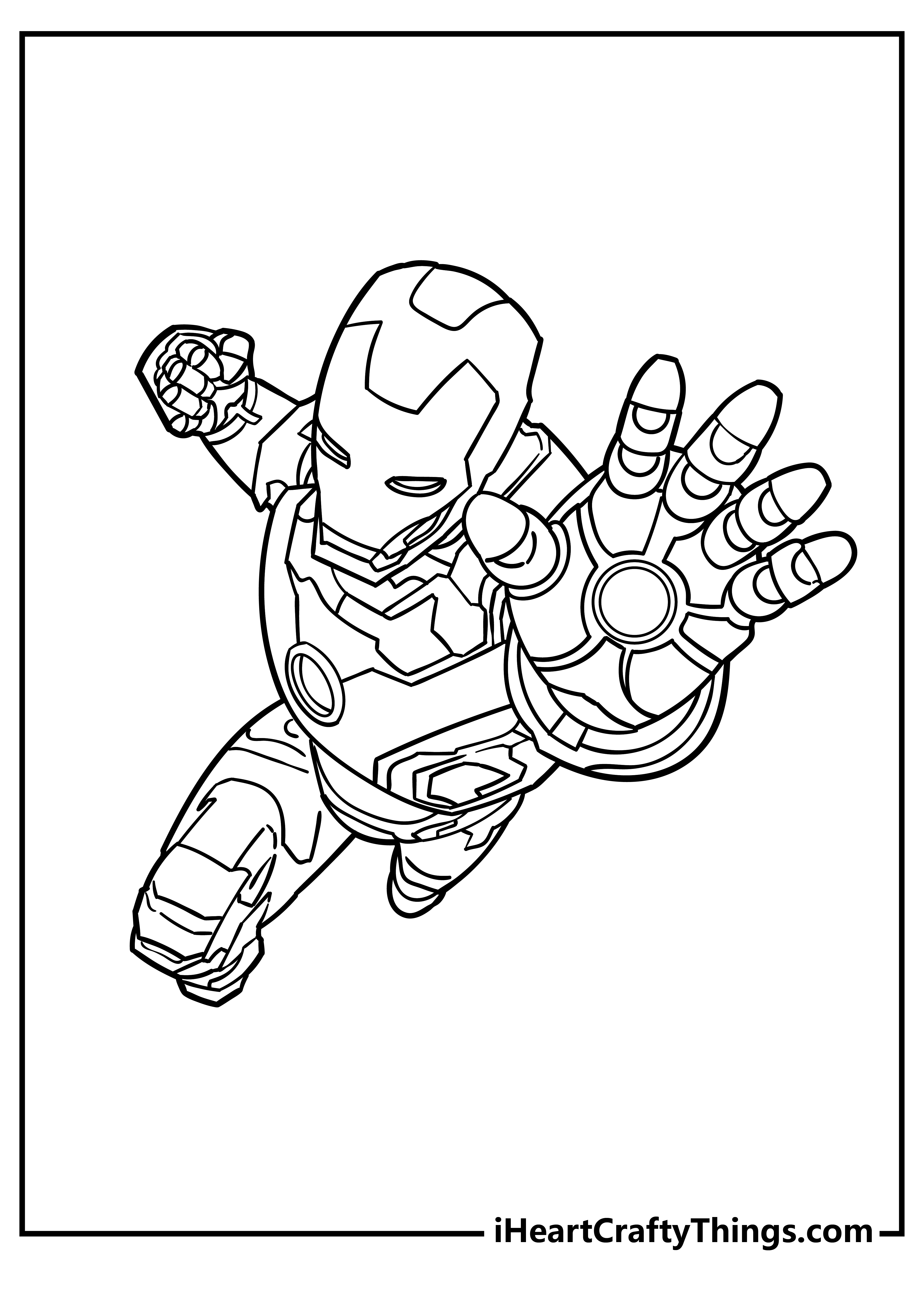
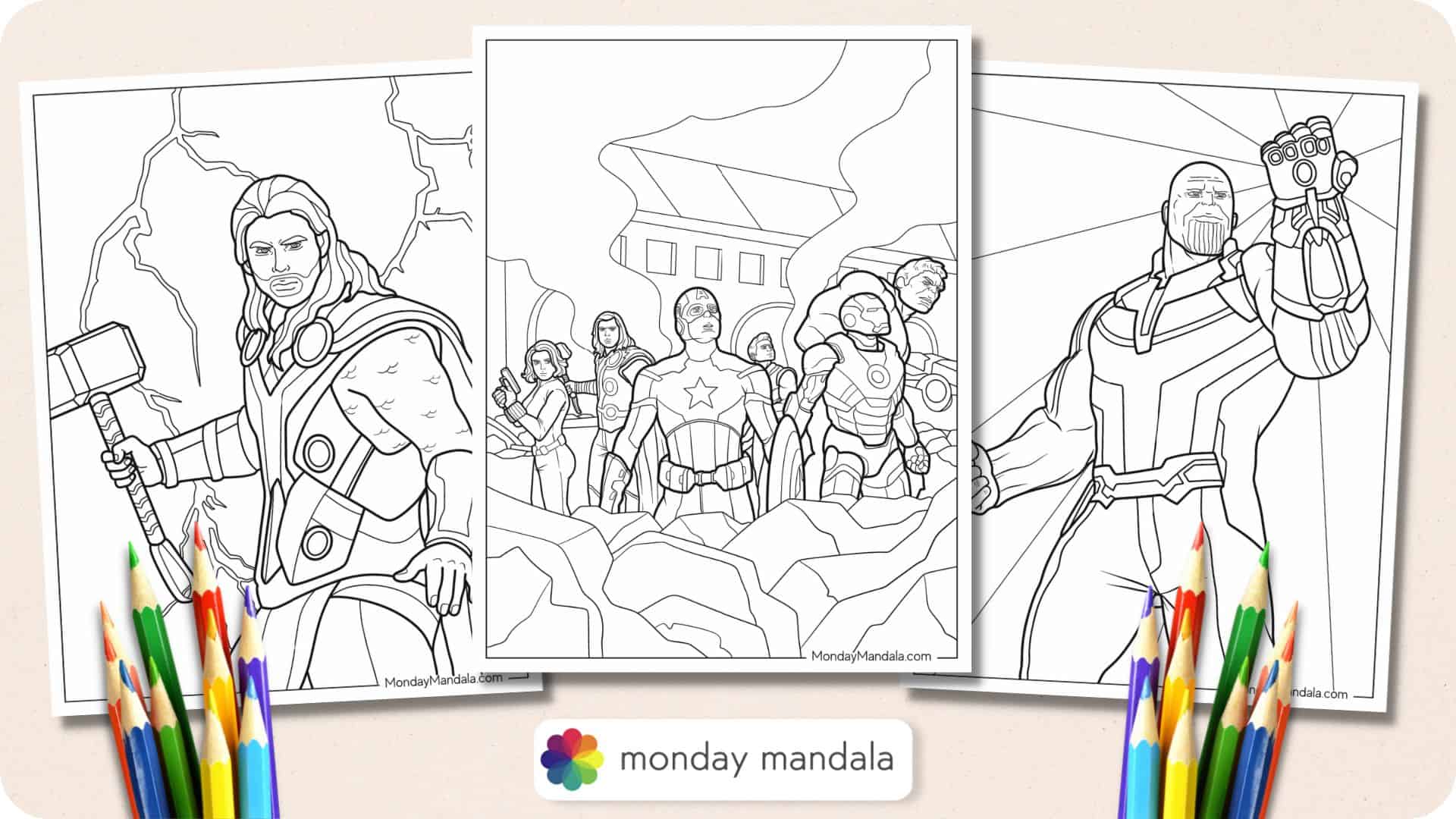
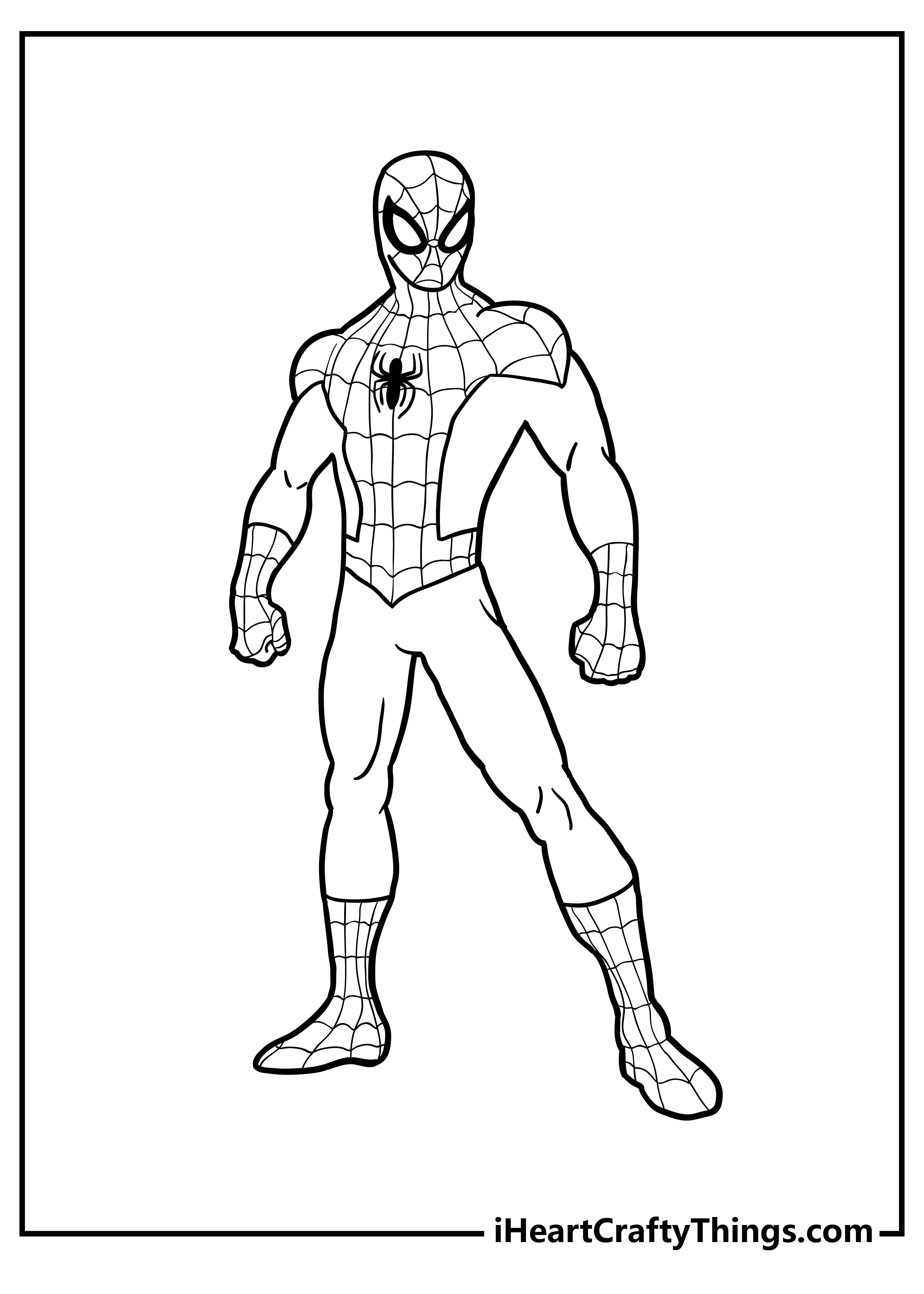
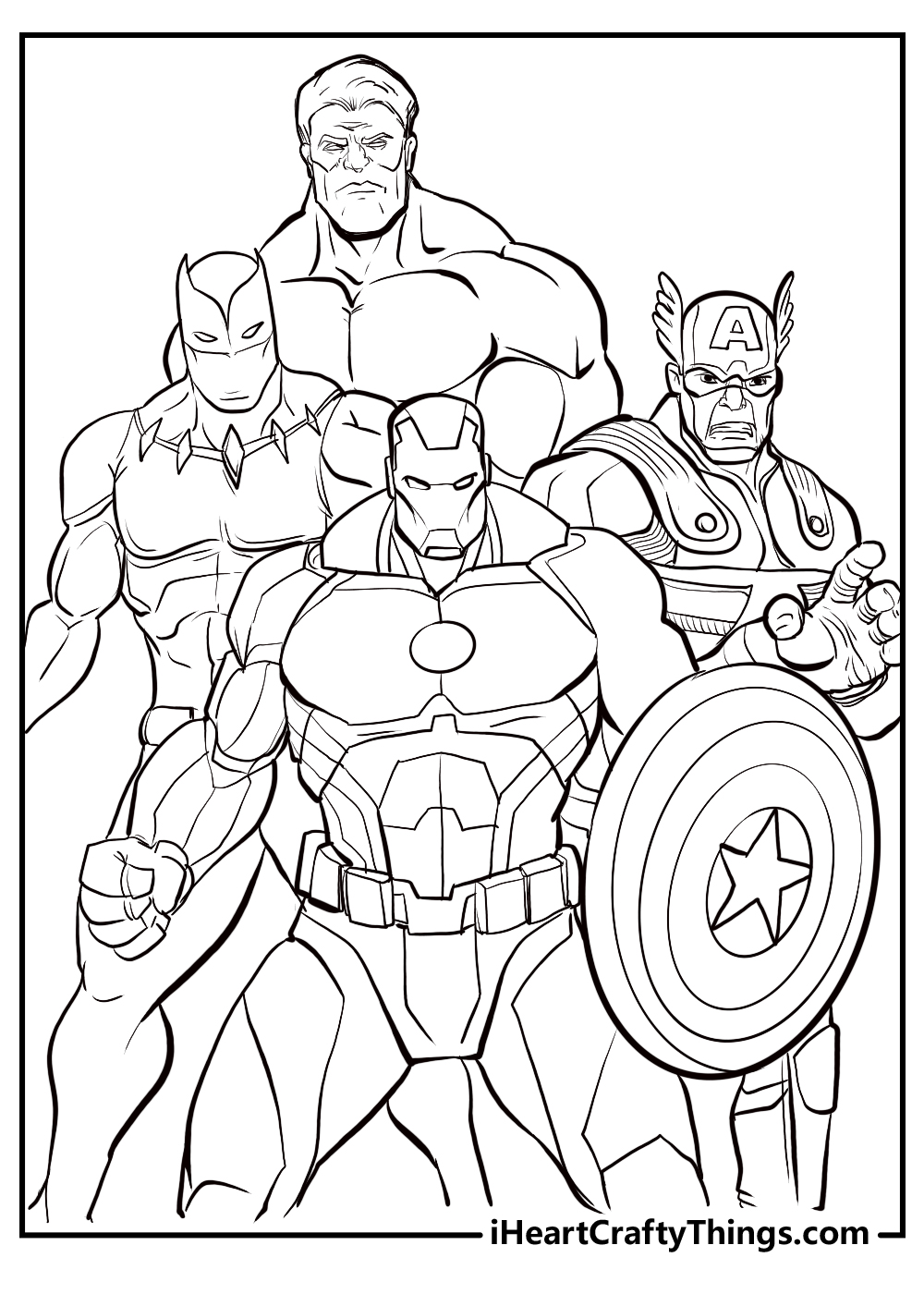
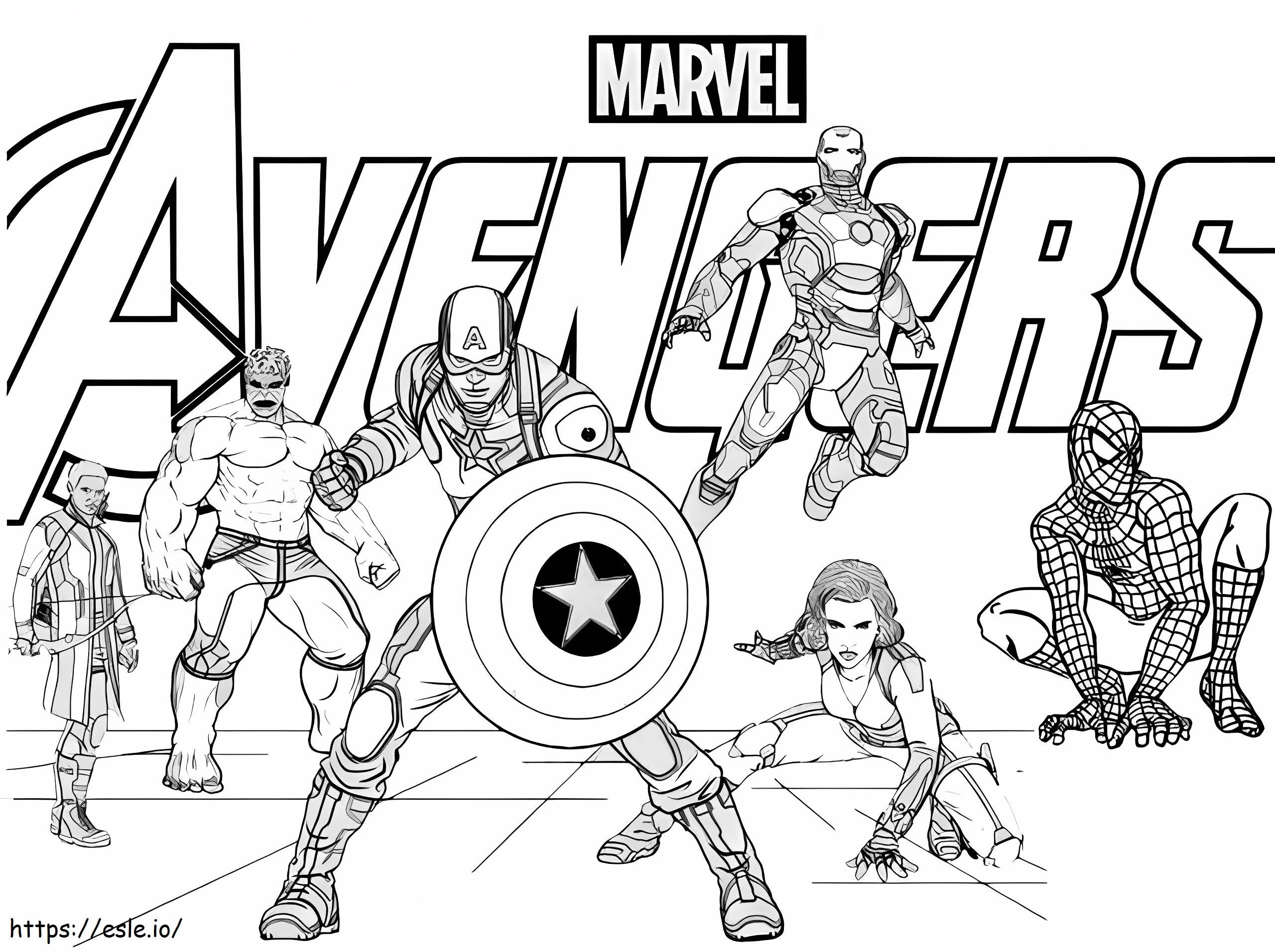
Coloring pages avengers serve as highly engaging visual learning tools that simultaneously build fine-motor precision, hand-eye coordination, and thematic narrative comprehension for early elementary learners. According to the National Association for the Education of Young Children (NAEYC), structured drawing and coloring experiences involving recognizable characters provide crucial opportunities for children to refine pencil grips, enhance spatial awareness, and engage in meaningful symbolic representation. Utilizing popular superhero icons channels intrinsic motivation directly into purposeful artistic output, transforming casual recreation into deliberate motor skill development.
Visual Learning & Skill Snapshot:
- Core Focus: Structural motor development through character-based line art.
- Target Skill: Fine-motor control, spatial scaling, and color-theory application.
- Key Recommendation: Pair character templates with structured Drawing Worksheets to build foundational sketching confidence.
Core Principles and Learning Overview
Fine-motor integration is systematically accelerated when children color complex character illustrations that require varied line-weight navigation and careful boundary management. Each printable asset acts as a visual map where young artists must analyze proportions, select complementary palettes, and execute controlled wrist and finger movements. Educators can easily integrate these assets into broader Art Activities to reinforce color mixing, cross-lateral coordination, and visual-spatial tracking essential for early literacy and mathematical geometry.
Key Specifications and Breakdown
| Age / Learning Stage | Visual Skill & Ratio | Pedagogical Application & Scaffolding |
|---|---|---|
| Ages 4-5 (Early Years) | Large-format shapes, thick boundary lines, primary color focus. | Use simplified outlines to build basic grip strength and reduce hand fatigue. |
| Ages 6-7 (Early Elementary) | Dynamic poses, intersecting lines, intermediate shade blending. | Introduce multi-tone shading and cross-hatching to test precision boundaries. |
| Ages 8-9 (Advanced Primary) | Detailed armor textures, high-density patterns, dynamic foreshortening. | Combine with Printable Crafts to transform 2D coloring into 3D storytelling models. |
Intentional creative mark-making combined with familiar character imagery significantly increases sustained task persistence and fine-motor muscular endurance in early childhood learners. — National Art Education Association (NAEA)
Step-by-Step Practical Application and Guidelines
Optimal pedagogical delivery requires selecting high-resolution vector sheets printed on heavy-weight cardstock to prevent bleed-through and support mixed-media application like watercolor pencils or pastels. Educators should initiate the session by asking learners to identify primary focal points, light sources, and background balance before any pigment touches the paper. Following this observational analysis, encourage children to start coloring from the central subject outward to minimize smudging and maximize spatial tracking control.
Common Challenges and How to Avoid Them
Frustration frequently occurs when children attempt intricate armor details without proper grip adjustment or hand stabilization techniques. Instructors can prevent fatigue by enforcing short creative intervals, introducing flexible ergonomic pencil grips, and offering simplified alternative sheets from standard Coloring Pages collections to rebuild confidence before tackling complex cinematic compositions.
💬 Frequently Asked Questions
Conclusion and Next Steps
Integrating thematic character art into early childhood environments successfully bridges recreational interests with rigorous developmental milestones. Educators and parents seeking to expand their creative resource libraries can explore the comprehensive collection of Coloring Pages available at ColorLeaf Studio to inspire the next generation of confident young artists.
Printable Coloring Page Previews