Introduction
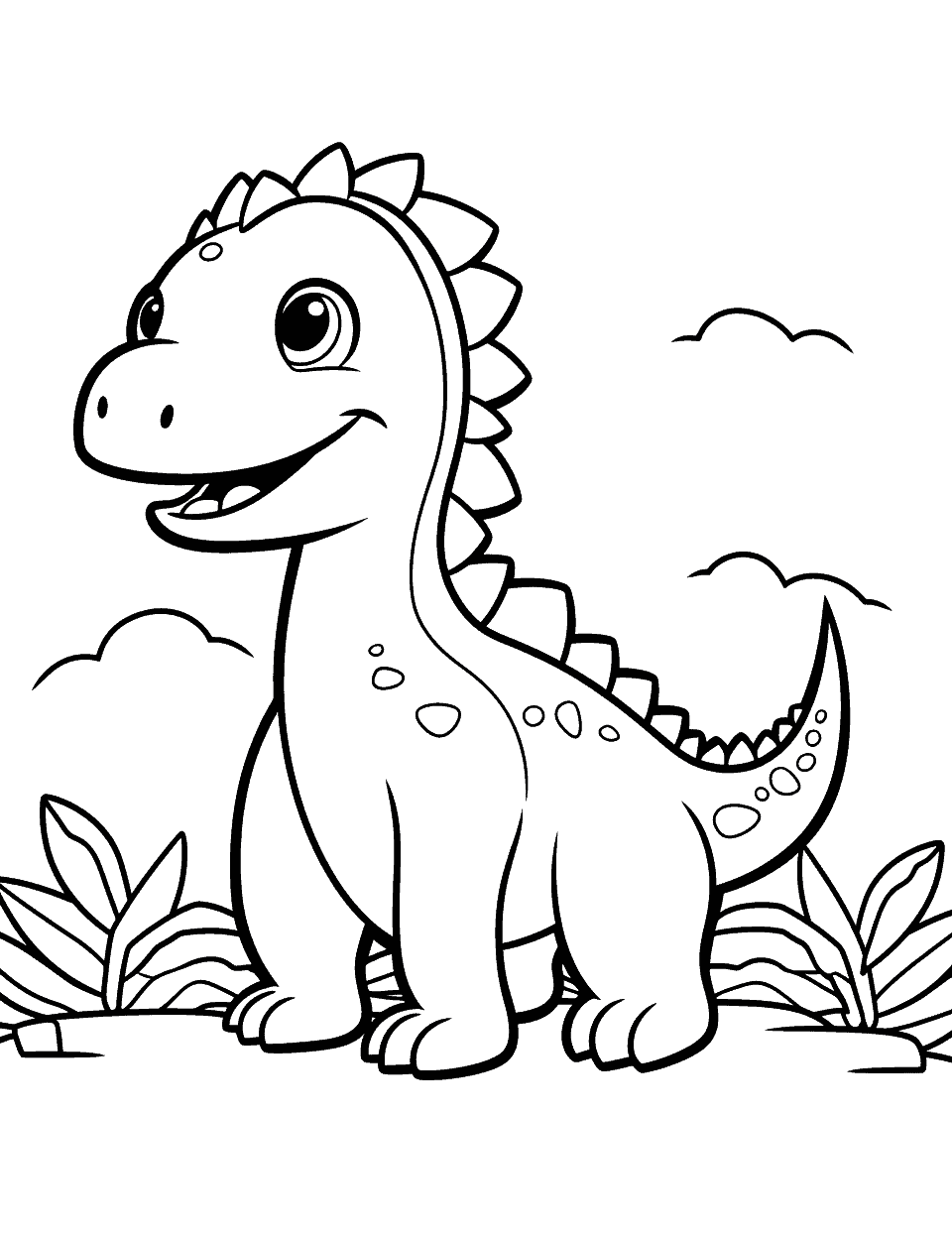
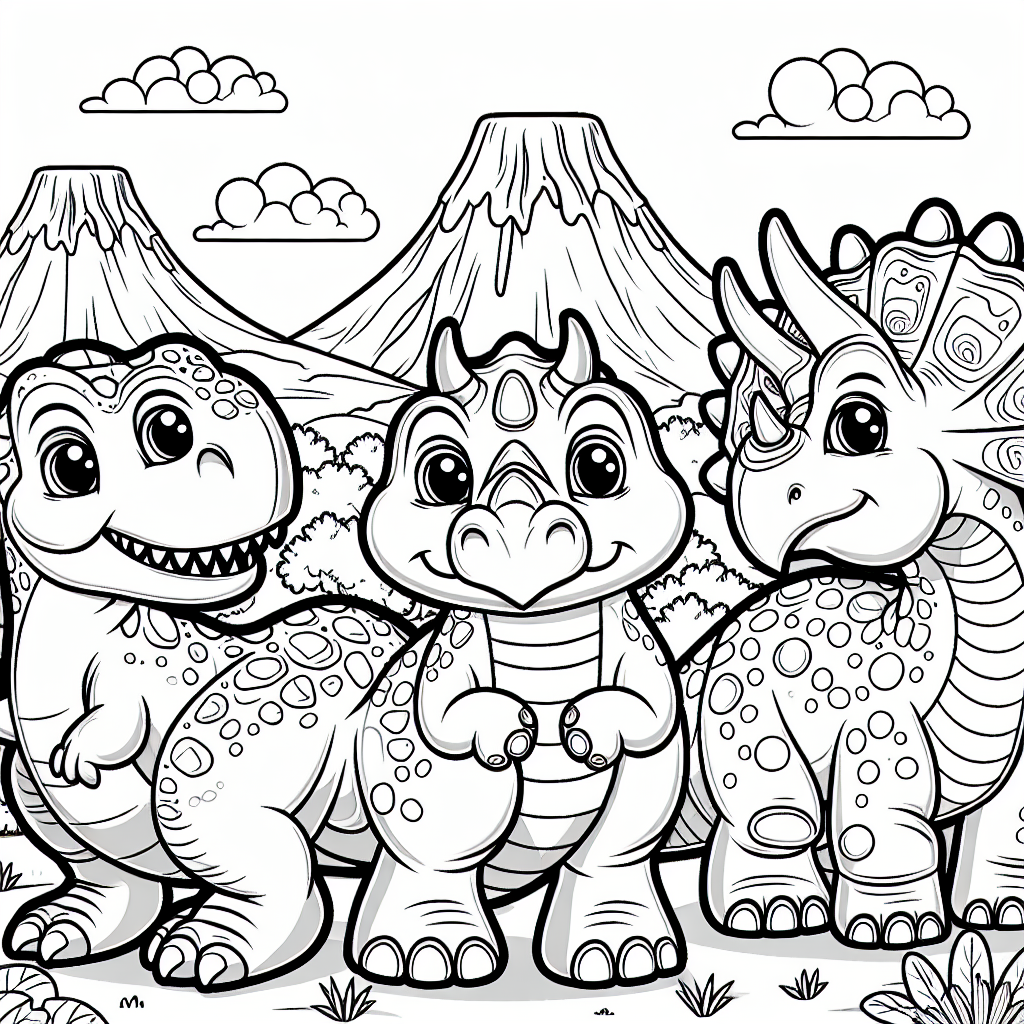
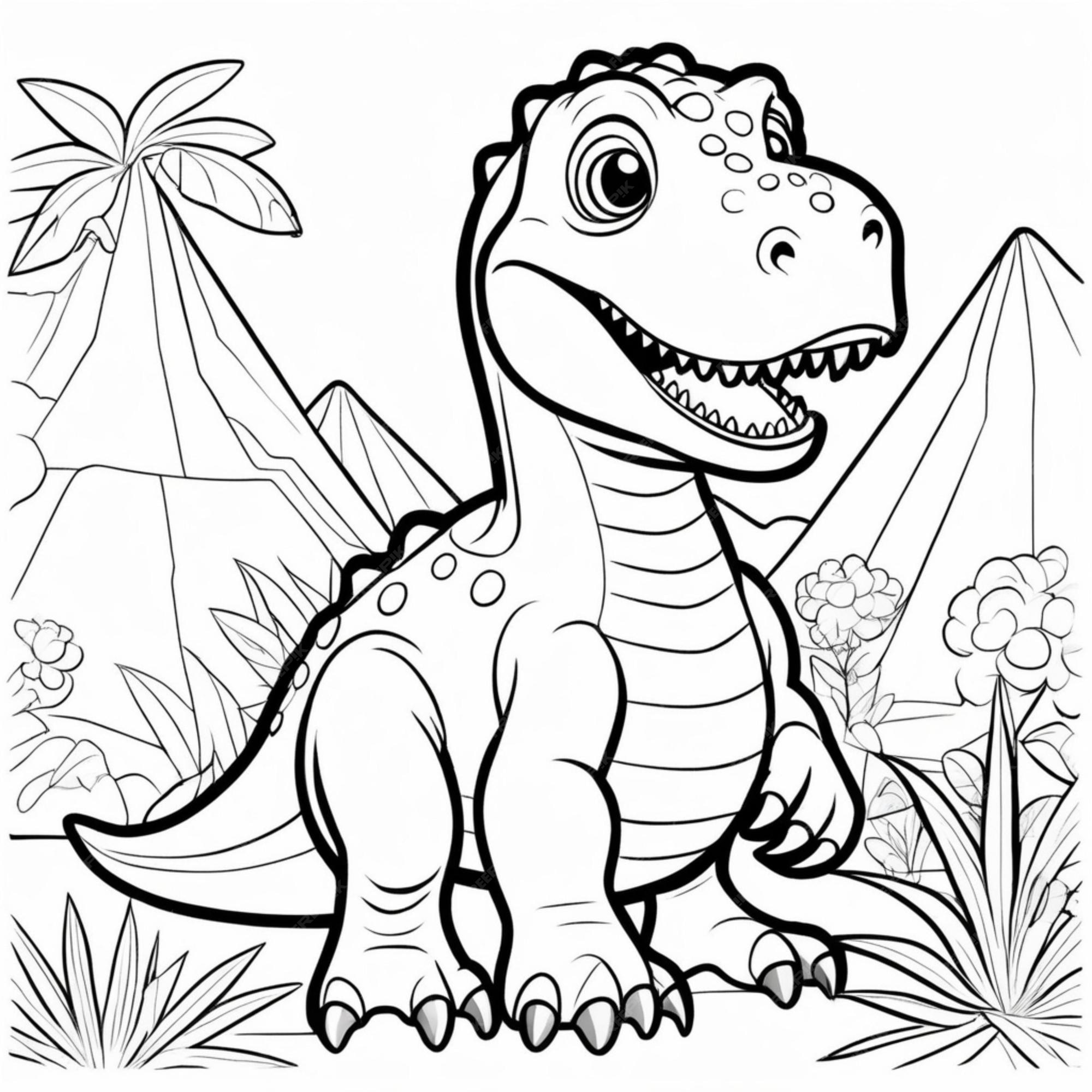
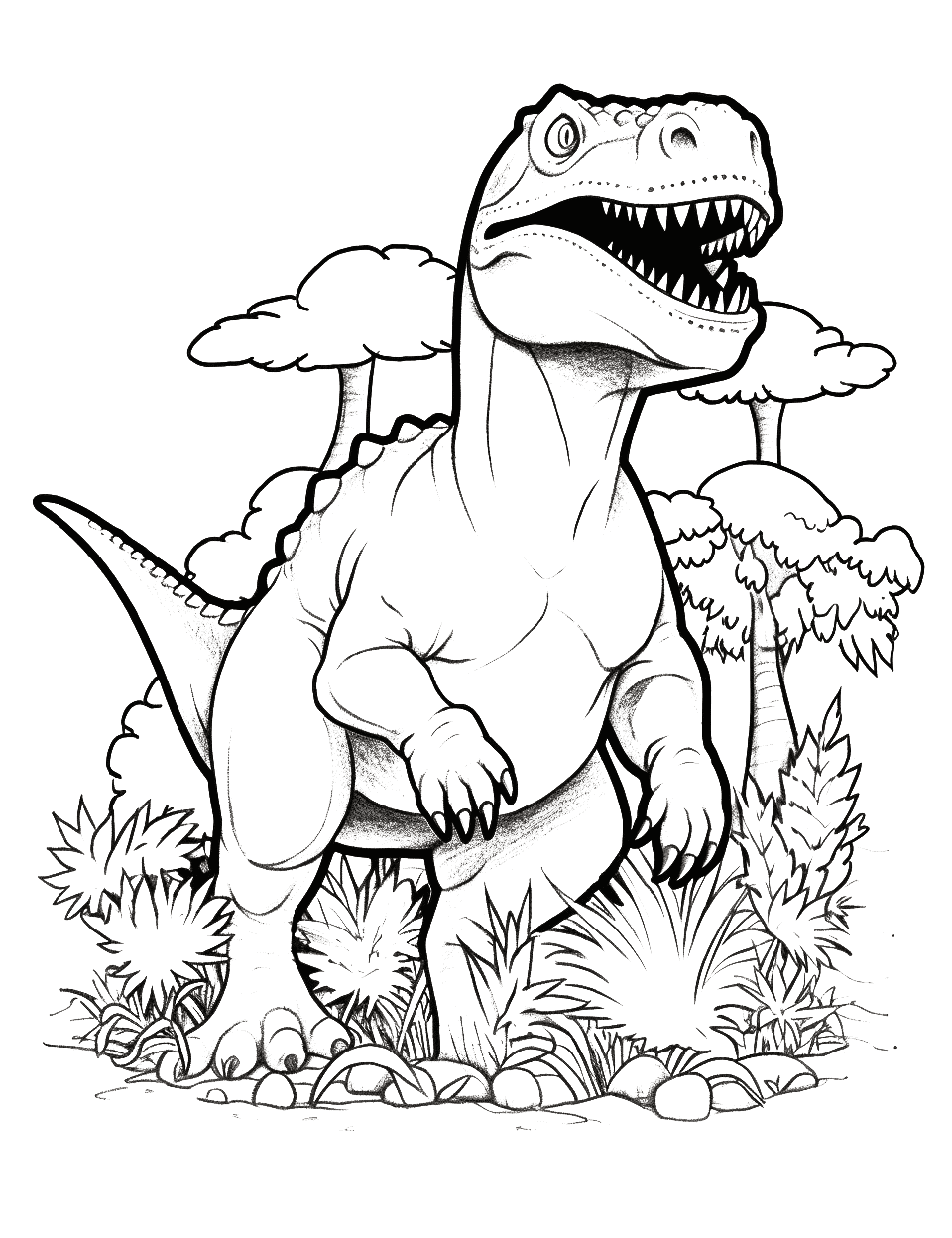
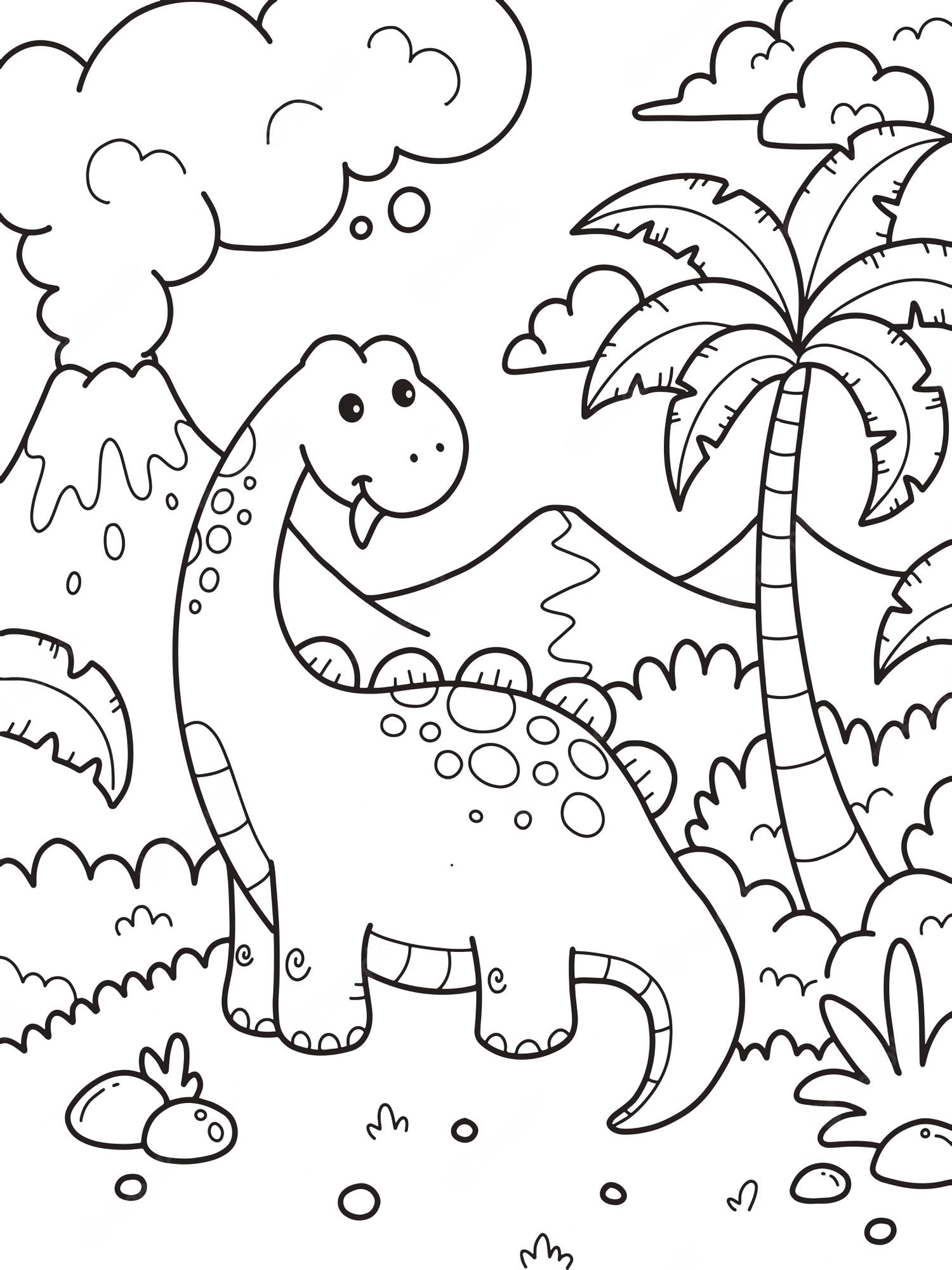
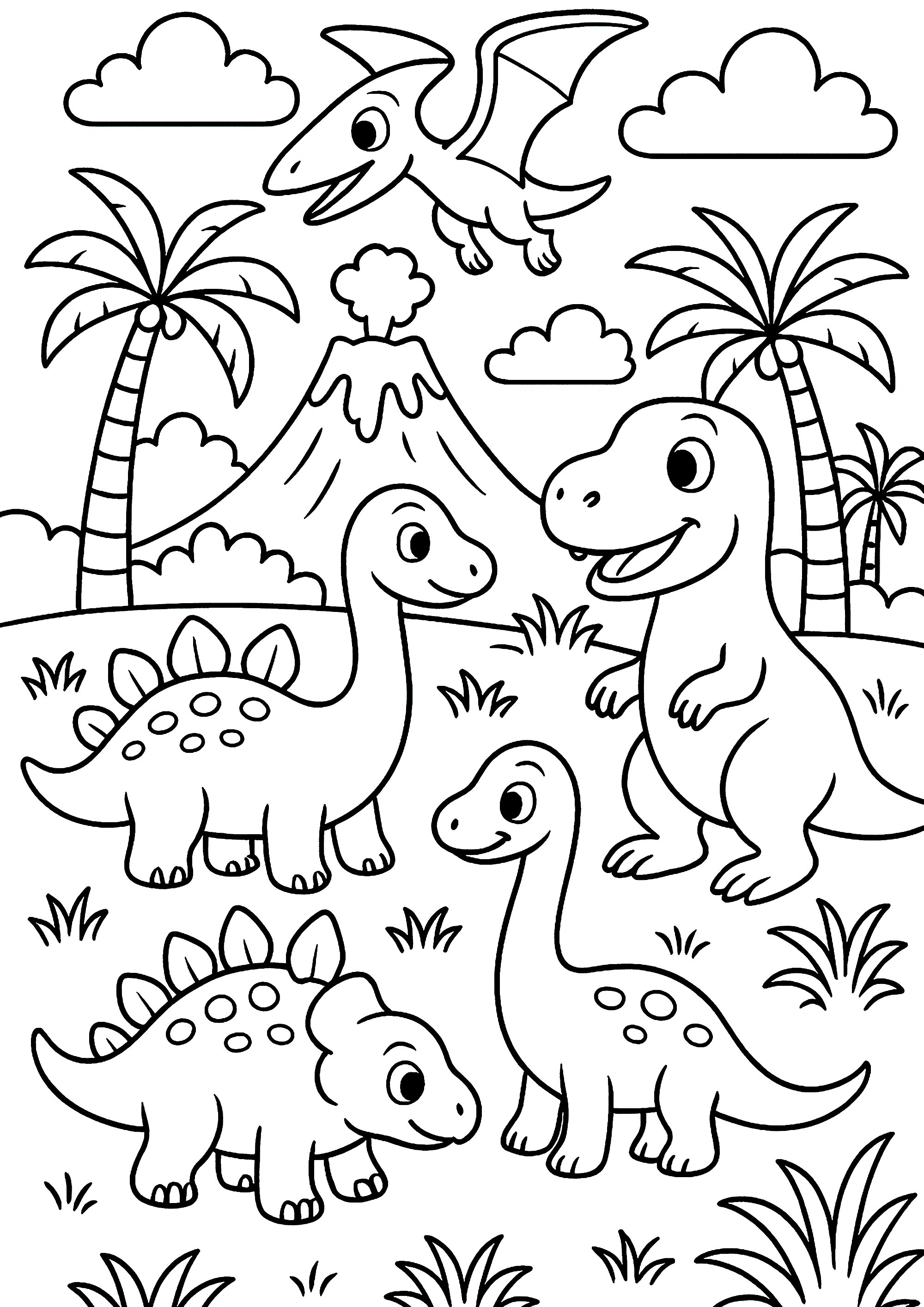
Coloring pages dinosaur provide structured visual-motor templates that enhance early childhood fine-motor control, spatial mapping, and cognitive engagement through paleontology-themed art exploration. According to the National Association for the Education of Young Children (NAEYC), purposeful manipulation of drawing and coloring materials builds the foundational bilateral coordination and pencil-grip strength essential for future literacy. Integrating structured Coloring Pages into early education bridges imaginative play with rigorous graphic-motor skill acquisition.
Visual Learning & Skill Snapshot:
- Core Focus: Utilizing thematic paleontology outlines to build fine-motor precision and visual-spatial awareness in early learners.
- Target Skill: Fine-motor proportion control, bilateral hand coordination, and contour tracking.
- Key Recommendation: Pair large-format outlines with varied writing utensils to optimize grip pressure and muscle endurance.
Core Principles and Learning Overview
Coloring pages dinosaur serve as dynamic cognitive tools that challenge young learners to navigate complex visual boundaries, scale proportions, and execute controlled wrist movements. When children interact with pre-drawn prehistoric templates, the task requires active visual discrimination to distinguish between overlapping anatomical features, such as spinal plates, textured scales, and sharp dental structures. This visual decoding process strengthens neurological connections between the visual cortex and motor planning centers in the brain. Beyond pure motor output, these themed templates naturally spark scientific curiosity, enabling educators to weave paleontology, prehistoric habitats, and natural history concepts seamlessly into daily Art Activities.
Key Specifications and Breakdown
| Age / Learning Stage | Visual Skill & Ratio | Pedagogical Application & Scaffolding |
|---|---|---|
| Toddler (Ages 2-3) | Thick, simplified outlines with minimal internal detail to support gross motor tracking. | Utilize jumbo wax crayons on heavy-stock paper to encourage palmar-to-digital grip transitions. |
| Preschool (Ages 3-5) | Medium line-weight templates featuring distinct body segments for spatial boundary practice. | Combine with structured Drawing Worksheets to teach basic shape replication. |
| Early Elementary (Ages 5-8) | Complex multi-element backgrounds requiring precision shading and pattern continuity. | Integrate paired Printable Crafts to transform completed illustrations into 3D dioramas. |
Structured drawing and coloring experiences provide the essential neuromuscular foundation required for advanced visual-spatial problem solving and written communication. — National Art Education Association (NAEA)
Step-by-Step Practical Application and Guidelines
Implementing coloring pages dinosaur effectively requires selecting high-resolution, vector-based print files and pairing them with developmentally appropriate marking tools. Educators should begin by ensuring print margins are set correctly to avoid cropping important boundary lines, utilizing heavyweight 80lb matte cardstock to prevent bleed-through from markers or heavy watercolor washes. Adults can scaffold the activity by demonstrating directional shading—such as coloring parallel to the contour lines of a dinosaur’s neck or tail—to model professional rendering techniques. Providing a quiet, well-lit workspace free from visual clutter allows children to sustain prolonged focus, transforming a simple coloring exercise into a disciplined exercise in visual patience and artistic execution.
Common Challenges and How to Avoid Them
Frustration during coloring tasks typically stems from overly intricate line work paired with inadequate motor stamina or slippery coloring utensils. To prevent hand fatigue, adults should substitute standard waxy crayons with triangular pencils or short stubby markers that naturally enforce a tripod grasp without requiring excessive downward force. When learners express anxiety over staying perfectly within complex border lines, educators must reframe the objective from rigid perfection to experimental color blending, texture exploration, and creative expression. Breaking massive prehistoric scenes into manageable sections across multiple printing sessions prevents cognitive overload and maintains high intrinsic motivation.
💬 Frequently Asked Questions
Conclusion and Next Steps
Incorporating well-designed prehistoric art templates into daily curricula offers a powerful gateway for merging fine-motor development with immersive natural history exploration. By providing structured, high-quality printing assets, educators and parents can foster lasting confidence, focus, and creativity in young learners. Explore the complete collection of educational resources, classroom printables, and creative templates available at Coloring Pages.
Printable Coloring Page Previews