Introduction
Art activities back to school serve as foundational cognitive tools that transition young learners into structured academic environments through fine-motor skill refinement, spatial reasoning practice, and visual literacy development. According to the National Association for the Education of Young Children (NAEYC), intentional integration of creative visual projects during early academic transitions significantly reduces stress while boosting self-regulation and tactile-visual coordination in children. Incorporating structured art activities during the initial weeks of a term establishes productive routines, fosters independent problem-solving, and prepares developing minds for complex graphic-motor tasks.
Visual Learning & Skill Snapshot:
- Core Focus: Bridging seasonal academic transitions through structured visual arts integration and guided creative exercises.
- Target Skill: Fine-motor control, pencil grip stamina, spatial proportion, and cognitive focus.
- Key Recommendation: Deploy multi-stage printable resources to systematically scaffold early academic expectations.
Core Principles and Learning Overview
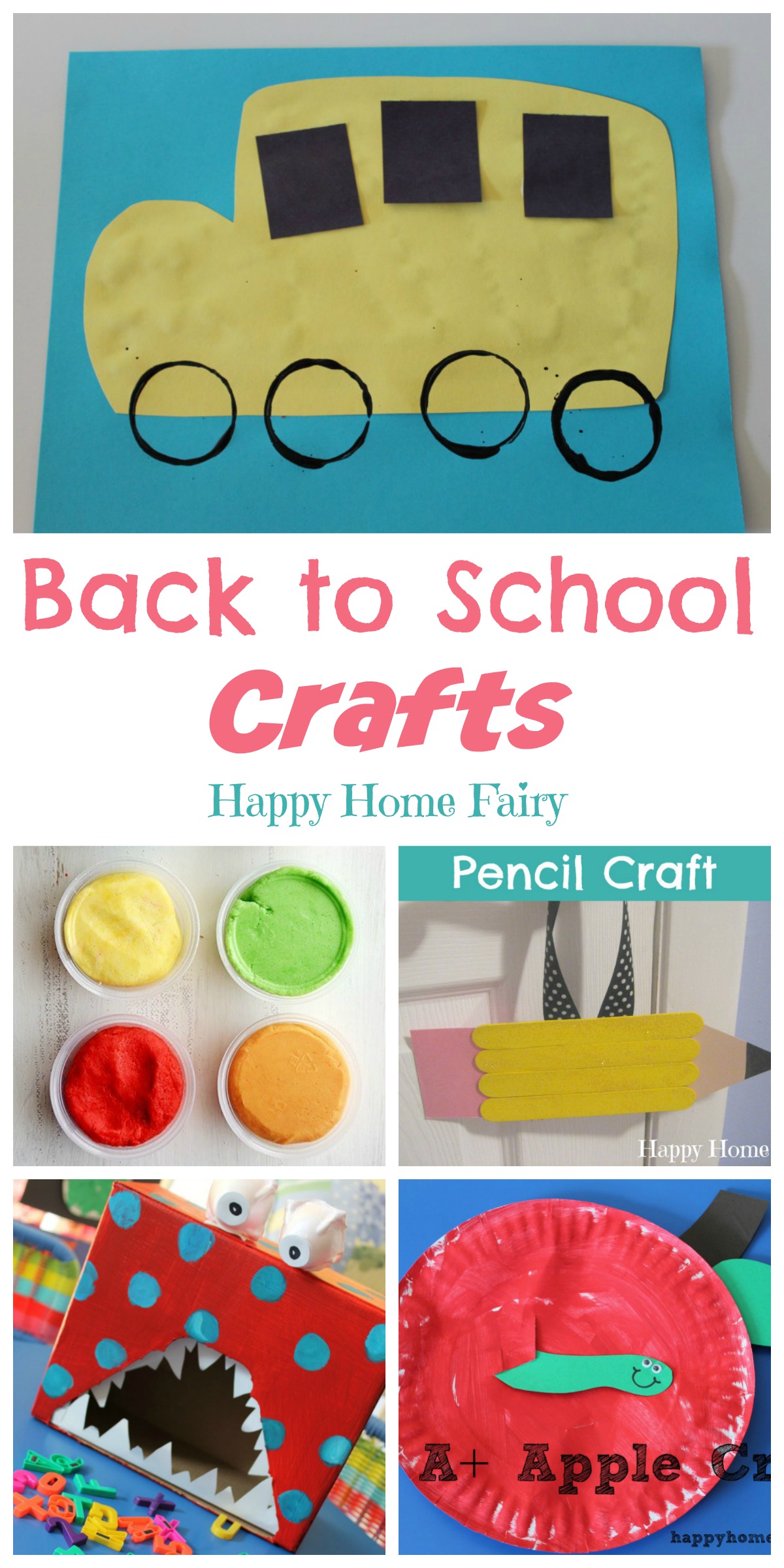
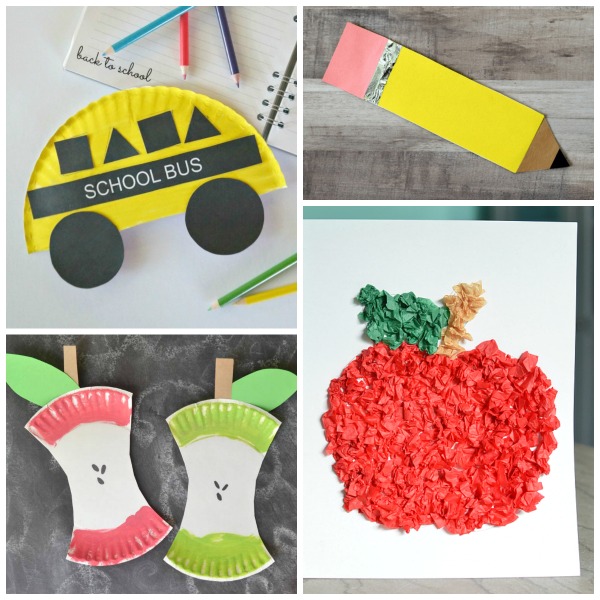
Art activities back to school optimize early childhood cognitive architecture by reinforcing bilateral coordination, visual-spatial mapping, and sustained attention spans through hands-on engagement. When educators utilize structured drawing worksheets alongside targeted coloring pages, children build essential pre-writing muscles while mastering boundary control, color theory, and pattern recognition. These versatile print-ready resources accommodate diverse learning styles, allowing both tactile and visual learners to process geometric concepts, balance, and compositional symmetry at an individualized pace without feeling overwhelmed by rigorous academic demands.
Key Specifications and Breakdown
| Age / Learning Stage | Visual Skill & Ratio | Pedagogical Application & Scaffolding |
|---|---|---|
| Ages 3–4 (Preschool) | Gross motor marks to controlled contour boundaries (1:1 ratio) | Utilize thick-line coloring pages to build palm grip strength and boundary awareness. |
| Ages 5–6 (Kindergarten) | Spatial proportion and geometric replication (2:1 ratio) | Implement structured drawing worksheets to transition from scribbles to controlled shapes. |
| Ages 7–8 (Early Elementary) | Complex spatial sequencing and dimensional construction (3:1 ratio) | Incorporate intricate printable crafts to refine scissor dexterity and multi-step execution. |
Early childhood visual arts integration promotes neural pathway development, enhances bilateral coordination, and directly supports foundational pre-literacy graphic skills. — National Art Education Association (NAEA)
Step-by-Step Practical Application and Guidelines
Implementing art activities back to school requires a deliberate, sequential approach that prioritizes process-oriented exploration before final product perfection. Educators and caregivers should begin by preparing a well-lit, organized workspace with premium-weight paper printouts that resist bleed-through from markers or watercolor paints. Introduce each exercise with a clear visual demonstration of proper tool handling, such as tripod pencil grips or safe scissor mechanics, before allowing children to explore independently. Rotate materials weekly—transitioning from crayon resist techniques to detailed coloring and cutting exercises—to maintain high engagement and systematically address varied developmental milestones across the classroom.
Common Challenges and How to Avoid Them
Common challenges during early term creative sessions typically stem from rushed fine-motor expectations, improper material scaling, or cognitive overload when presented with overly complex visual instructions. To prevent frustration, adults must assess each child’s current hand strength and select appropriate graphic complexity, avoiding intricate patterns for children who still rely on fist grasps. Providing clear physical boundaries, offering ergonomic coloring tools, and breaking larger multi-step craft projects into manageable daily increments ensures that young participants experience genuine creative confidence rather than task fatigue.
💬 Frequently Asked Questions
Conclusion and Next Steps
Integrating purposeful visual projects into the beginning of the academic year establishes an engaging, low-stress foundation for lifelong learning, cognitive growth, and creative expression. Educators, homeschoolers, and parents ready to equip their learning spaces with premium educational resources can explore the complete collection of printable crafts to inspire young minds this term.
Visual Reference Gallery