Introduction
Art activities babies encompass sensory-rich, exploratory creative tasks designed to foster early cognitive development, tactile awareness, and foundational motor coordination through safe visual expression. According to the National Association for the Education of Young Children (NAEYC), infants and toddlers naturally develop critical neural connections through multi-sensory art experiences that encourage tactile exploration and visual tracking. Engaging the youngest learners in foundational creative tasks supports neurological pathways essential for later spatial reasoning and symbolic thinking. Careful selection of non-toxic, age-appropriate materials ensures that early artistic engagement remains safe, highly stimulating, and supportive of infant neurodevelopment. Integrating structural visual resources, such as specialized Art Activities, provides educators and caregivers with structured frameworks to guide early sensory milestones safely and effectively.
Visual Learning & Skill Snapshot:
- Core Focus: Early sensory art exploration supporting neural connectivity and tactile processing in infants.
- Target Skill: Sensory discrimination, visual tracking, bilateral coordination, and tactile familiarity.
- Key Recommendation: Utilize taste-safe, non-toxic mediums paired with high-contrast visual supports for optimal infant safety and engagement.
Core Principles and Learning Overview
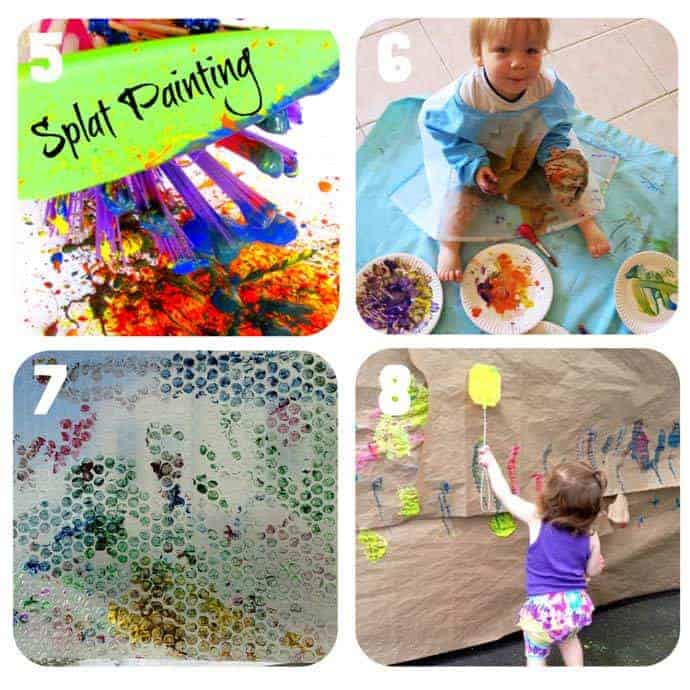
Sensory-driven mark-making forms the primary pedagogical foundation for all developmental art experiences during the first year of life. Direct answer: Art activities babies utilize tactile exploration, high-contrast visual stimulation, and grasp reflexes to bridge sensory input with early cognitive schema formation. Infants process their surrounding environment through touch, sight, and movement, making open-ended creative exploration an ideal medium for experiential learning. Caregivers and early childhood educators facilitate this growth by offering safe, high-contrast visual sheets, finger paints, and textured surfaces that encourage purposeful swatting, grasping, and smudging. Integrating printable visual guides alongside tactile exploration helps transition purely sensory reactions into structured visual awareness, establishing a seamless link toward subsequent Drawing Worksheets and advanced creative milestones as motor skills mature.
Key Specifications and Breakdown
| Age / Learning Stage | Visual Skill & Ratio | Pedagogical Application & Scaffolding |
|---|---|---|
| 0-6 Months (Sensory Immersion) | High-contrast tracking, primary color recognition, focus stamina. | Provide high-contrast visual stimulation cards and large, clean visual tracking sheets. |
| 6-12 Months (Tactile Exploration) | Pincer grasp development, bilateral hand use, cause-and-effect understanding. | Implement edible finger paints, textured collage touch-boards, and durable grip templates. |
| 12-18 Months (Expressive Mark-Making) | Intentional strokes, spatial boundary awareness, controlled release. | Introduce thick wax crayons, washable markers, and guided Coloring Pages. |
Early childhood art experiences must prioritize process-oriented tactile exploration over finished product outcomes to support healthy neurological wiring and intrinsic motivation in infants. — National Art Education Association (NAEA)
Step-by-Step Practical Application and Guidelines
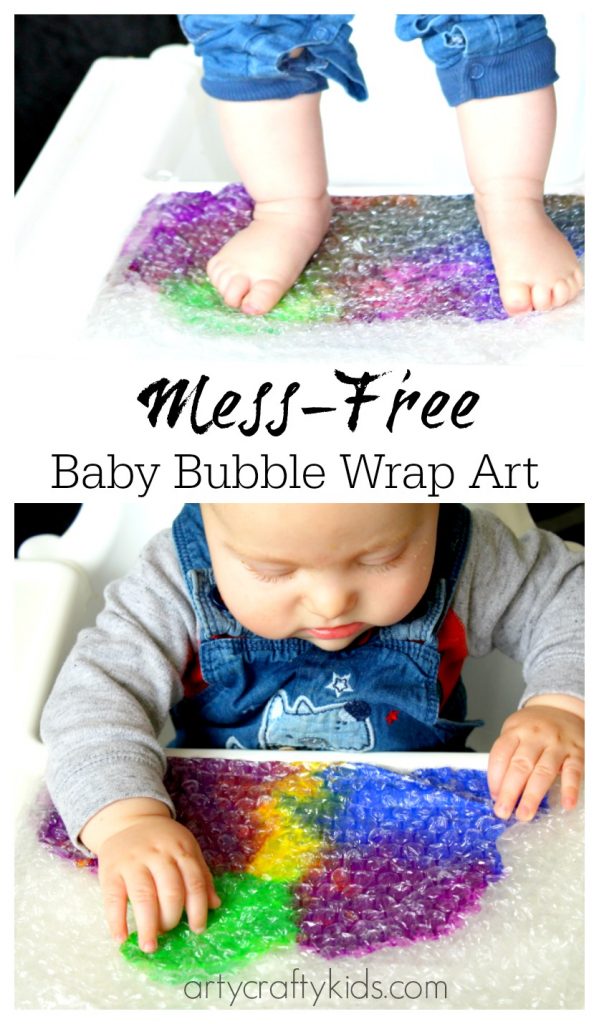
Implementing safe infant art sessions requires meticulous preparation of environment, materials, and supervisory frameworks to ensure optimal developmental outcomes. Direct answer: Secure non-toxic, taste-safe mediums on a low, wipeable surface, anchor heavy cardstock or laminated templates securely with tape, and allow infants to freely explore textures using hands and fingers. Educators should present simple, high-contrast visual outlines that do not overwhelm developing visual processing centers. Allowing infants to manipulate pages directly encourages hand-eye coordination and spatial awareness without inducing frustration. For tactile craft extensions, exploring Printable Crafts at a foundational sensory level offers additional opportunities for caregiver-guided bonding and tactile variety.
Common Challenges and How to Avoid Them
Over-stimulation, frustration from improper material scaling, and safety concerns regarding toxic ingredients represent the most frequent hurdles encountered during infant art sessions. Direct answer: Prevent sensory overload by keeping sessions short (five to ten minutes), utilizing heavy-weight waterproof papers, and strictly enforcing taste-safe, certified non-toxic material standards. Infants lack the fine motor stamina required for intricate tasks, meaning educators must replace traditional pencils or thin brushes with thick, graspable tools or direct finger application. Maintaining a flexible, low-expectation environment ensures that the primary focus remains entirely on joyful sensory discovery rather than neat execution.
💬 Frequently Asked Questions
Conclusion and Next Steps
Prioritizing process-driven creativity during infancy lays a robust cognitive, emotional, and motor foundation for lifelong artistic expression. By combining safe, tactile materials with structured visual resources, educators and parents create rich environments where early learners thrive. Explore the complete collection of developmental resources, printables, and creative guides available through ColorLeaf Studio to inspire your young learners today.
Visual Reference Gallery