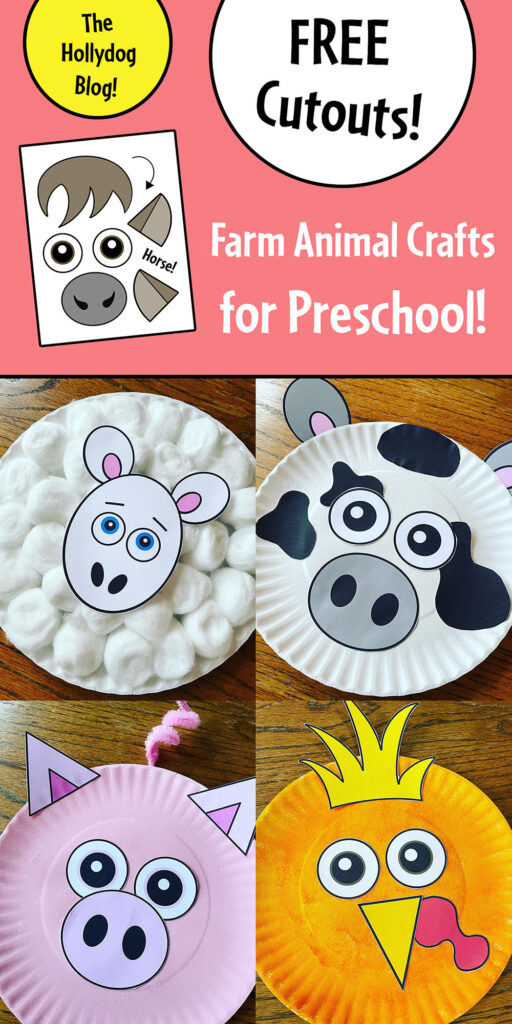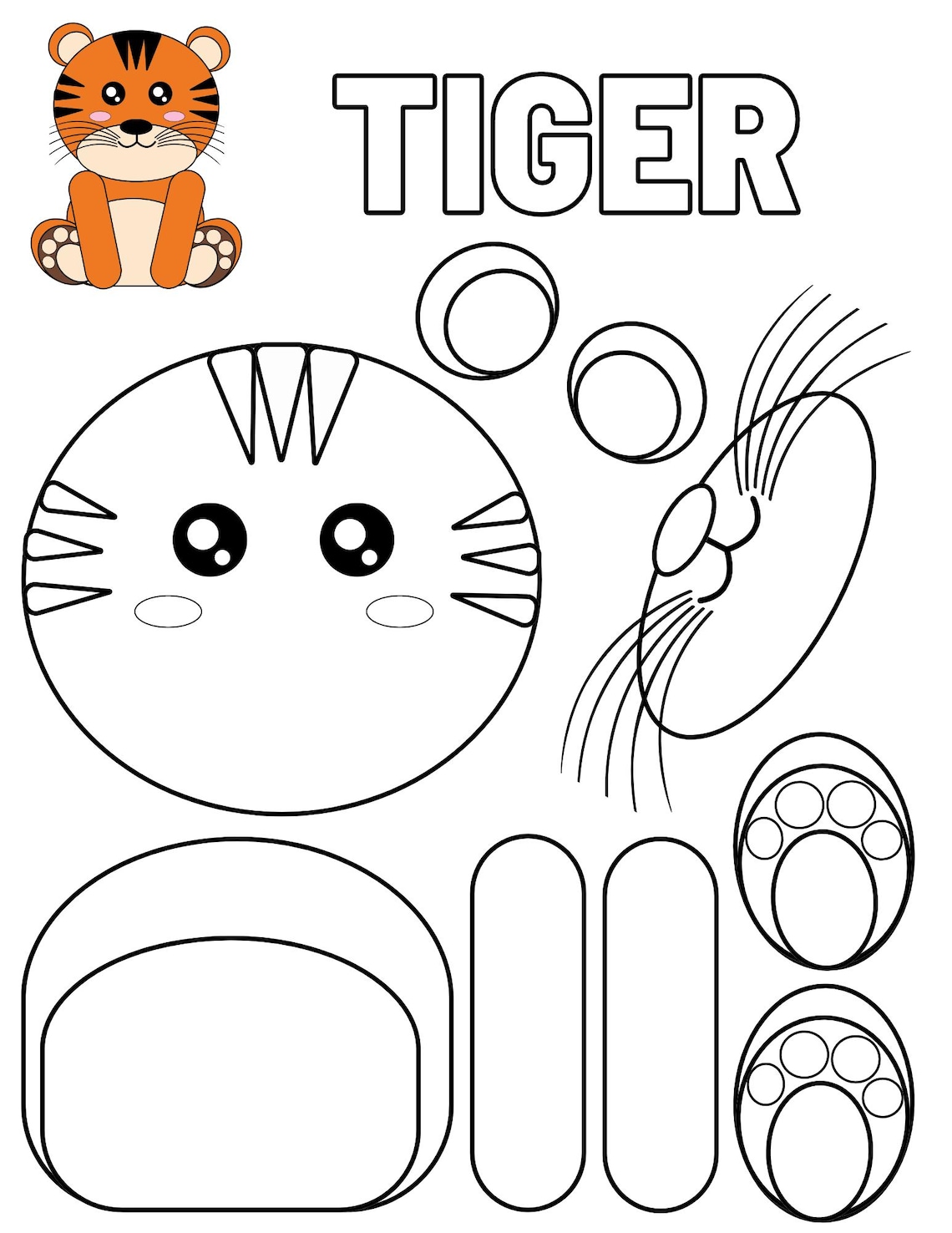
Introduction
Printable animal crafts for kids provide structured visual arts templates that simultaneously accelerate cognitive development and fine-motor control through hands-on construction. According to the National Association for the Education of Young Children (NAEYC), purposeful manipulation of tactile learning materials during early childhood directly strengthens neural pathways associated with spatial reasoning and bilateral coordination. Integrating these templates into early elementary curricula transforms passive observation into active spatial problem-solving. Educators and parents seeking to diversify lesson plans frequently transition from standard Coloring Pages to multidimensional paper-based assemblies that challenge children to interpret two-dimensional blueprints and translate them into three-dimensional forms.
Visual Learning & Skill Snapshot:
- Core Focus: Hands-on assembly of patterned animal templates designed to build dexterity and biological categorization skills.
- Target Skill: Fine-motor precision, scissor control, bilateral coordination, and spatial scaling.
- Key Recommendation: Print templates on heavyweight cardstock (65lb to 110lb) to maintain structural integrity during folding and gluing exercises.
Core Principles and Learning Overview
Printable animal crafts for kids merge foundational artistic expression with iterative design challenges, fostering critical cognitive foundations in early learners. When children engage with Printable Crafts, visual processing systems activate to decode assembly lines, cut guides, and symmetrical alignment markers. This iterative workflow mirrors early engineering principles, where patience, sequential ordering, and spatial mapping dictate the final structural outcome. Furthermore, pairing these tactile construction tasks with targeted Drawing Worksheets allows learners to deconstruct complex animal anatomies into basic geometric shapes, bridging freehand sketching with structured craft assembly.
Key Specifications and Breakdown
| Age / Learning Stage | Visual Skill & Ratio | Pedagogical Application & Scaffolding |
|---|---|---|
| Ages 3-4 (Preschool) | Gross motor cutting, color recognition, single-fold symmetry | Utilize thick, simplified outlines with wide cutting paths to build hand strength without frustration. |
| Ages 5-6 (Kindergarten) | Bilateral hand coordination, shape proportion, sequential tab gluing | Incorporate multi-part animal assemblies requiring matching flaps to designated base slots. |
| Ages 7-9 (Early Elementary) | Advanced spatial reasoning, 3D structural balance, autonomous scaling | Introduce kinetic paper mechanisms, movable joints, and layered fauna habitat dioramas. |
The integration of tactile arts and structured paper engineering supports essential sensorimotor milestones by promoting intentional hand-eye coordination and visuospatial planning in developing learners. — National Art Education Association (NAEA)
Step-by-Step Practical Application and Guidelines
Implementing printable animal crafts effectively requires a carefully prepared workspace that prioritizes ergonomic sitting postures and accessible cutting tools. Educators should begin by selecting grade-appropriate templates, ensuring that younger learners receive pre-punched or thick-bordered outlines while older elementary students navigate intricate vector lines. Instructors must demonstrate proper scissor grip and thumb-up positioning before letting children cut out animal components independently. Following the cutting phase, encourage learners to utilize non-toxic glue sticks or liquid adhesive drops sparingly to prevent paper warping. Once the physical animal construction is complete, extend the learning objective by guiding students to integrate their figures into broader Art Activities, such as painted ecosystem backdrops or narrative storytelling sessions.
Common Challenges and How to Avoid Them
Paper buckling and misaligned tabs represent the most frequent obstacles encountered during the construction of paper-based animal models. To prevent structural collapse, supervisors should strictly enforce the use of cardstock over standard printer paper, as heavier paper weights support folding tabs and movable parts reliably. Additionally, when young learners experience hand fatigue during extensive cutting sequences, educators should break projects into manageable phases—such as cutting on day one and assembly on day two. Providing clear visual cues using colored markers to highlight fold lines versus cut lines eliminates confusion and drastically reduces misplaced cuts.
💬 Frequently Asked Questions
Conclusion and Next Steps
Embracing hands-on paper engineering transforms abstract biological concepts into tangible, memorable learning milestones for young students. By integrating these structured templates into daily routines, educators and parents foster essential cognitive development, spatial awareness, and artistic confidence. Discover an expansive library of downloadable resources, expert lesson plans, and creative templates by exploring the curated collection at ColorLeaf Studio today.
Visual Reference Gallery