Introduction
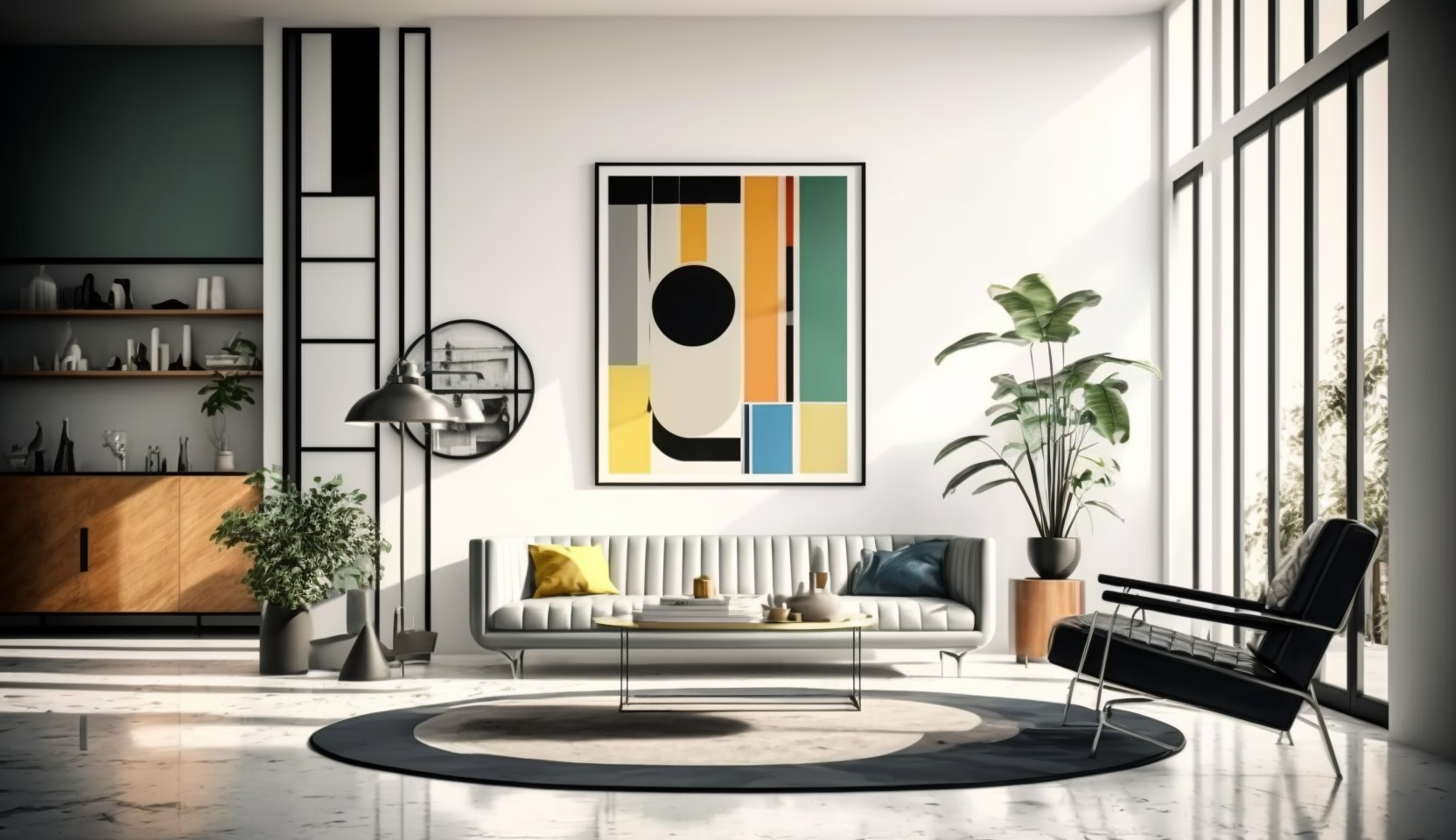
Art work design for house environments involves intentionally selecting, organizing, and displaying child-created or printable visual resources to optimize spatial learning, aesthetic appreciation, and cognitive engagement. According to the National Art Education Association (NAEA), intentional visual environments and structured creative tasks significantly enhance children’s critical thinking, observational skills, and emotional regulation. Integrating structured Coloring Pages and developmental visual templates transforms home spaces into dynamic galleries of learning. Visual art design requires balancing complexity, scale, and thematic alignment to ensure that displayed materials actively support early childhood development rather than causing sensory overload.
Visual Learning & Skill Snapshot:
- Core Focus: Strategic arrangement and implementation of visual art resources within domestic learning spaces.
- Target Skill: Spatial reasoning, visual discrimination, and fine-motor execution through structured creation.
- Key Recommendation: Rotate displayed resources regularly to match ongoing cognitive milestones and seasonal themes.
Core Principles and Learning Overview
Art work design for house settings relies on establishing structured visual hierarchies that promote independent learning, fine-motor coordination, and spatial awareness. Early childhood learners process visual information most effectively when domestic environments feature dedicated creative zones stocked with purposeful Drawing Worksheets and constructive Printable Crafts. Educators and parents must curate these spaces by considering eye-level alignment, color contrast, and task complexity. By organizing materials into accessible stations, children gain autonomy in selecting projects that challenge their current skill level, from basic stroke control to intricate geometrical rendering.
Key Specifications and Breakdown
| Age / Learning Stage | Visual Skill & Ratio | Pedagogical Application & Scaffolding |
|---|---|---|
| Ages 3-4 (Early Explorer) | Gross motor control, basic shape recognition, 1:1 color matching. | Utilize thick-bordered templates and tactile Art Activities to build foundational hand-eye coordination. |
| Ages 5-6 (Transition Learner) | Fine motor precision, bilateral coordination, spatial proportionality. | Introduce grid-based drawing sheets and guided cutting templates to refine wrist articulation and control. |
| Ages 7-8 (Independent Creator) | Perspective application, complex pattern replication, design composition. | Implement multi-step assembly crafts and open-ended design challenges that encourage independent aesthetic choices. |
Structured visual art engagement fosters neural pathway development in spatial reasoning and executive functioning during early childhood. — National Art Education Association (NAEA)
Step-by-Step Practical Application and Guidelines
Art work design for house execution begins by establishing a dedicated, well-lit vertical and horizontal workspace that accommodates both focused desk tasks and larger wall displays. Educators and parents should start by selecting high-contrast, developmentally appropriate templates tailored to the child’s precise motor skill level. Next, organize tools such as safety scissors, blunt pencils, and non-toxic pigments within arm’s reach to maintain uninterrupted creative flow. Once projects reach completion, mount them at the child’s exact eye level using low-tack, damage-free fasteners to validate their creative output and reinforce a sense of spatial ownership within the home environment.
Common Challenges and How to Avoid Them
Art work design for house projects frequently encounter obstacles such as sensory clutter, improper print scaling, and child frustration stemming from overly complex line work. To prevent cognitive fatigue, avoid overcrowding walls with too many simultaneous visual elements; instead, maintain a curated rotation of three to five active pieces. When printing digital resources, always verify scale settings to 100 percent to prevent distortion of geometric proportions. If a child demonstrates frustration with intricate tracing tasks, step backward in the developmental sequence by introducing simpler, thicker line weights before returning to detailed drafting exercises.
💬 Frequently Asked Questions
Conclusion and Next Steps
Art work design for house initiatives successfully bridge the gap between structured pedagogical theory and joyful domestic learning experiences. By curating thoughtful creative zones, utilizing professional-grade printable resources, and honoring children’s visual output, educators and parents create inspiring environments that nurture lifelong artistic appreciation. Explore the comprehensive collection of Art Activities to begin designing an engaging, developmentally sound studio space today.
Visual Reference Gallery