Introduction
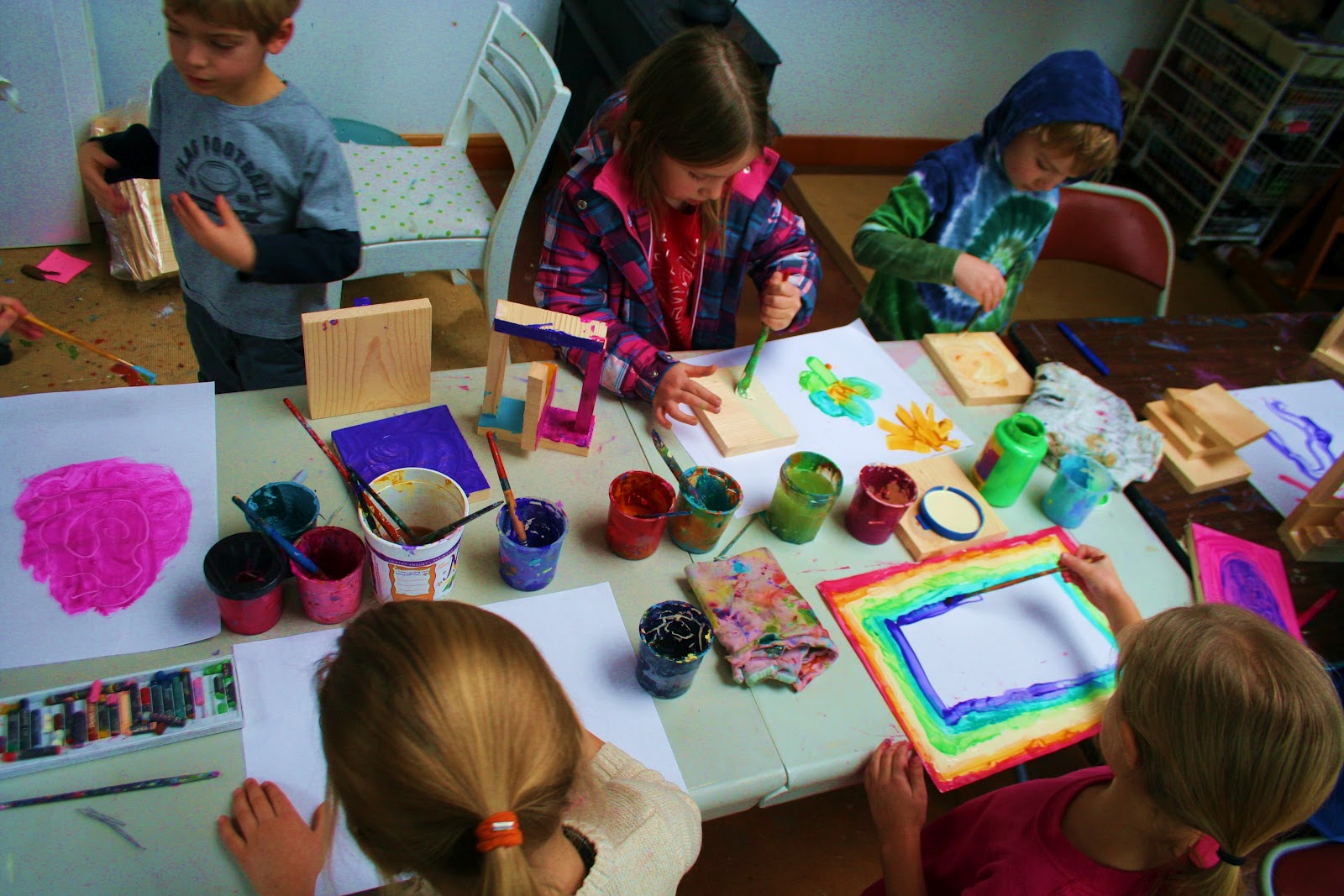
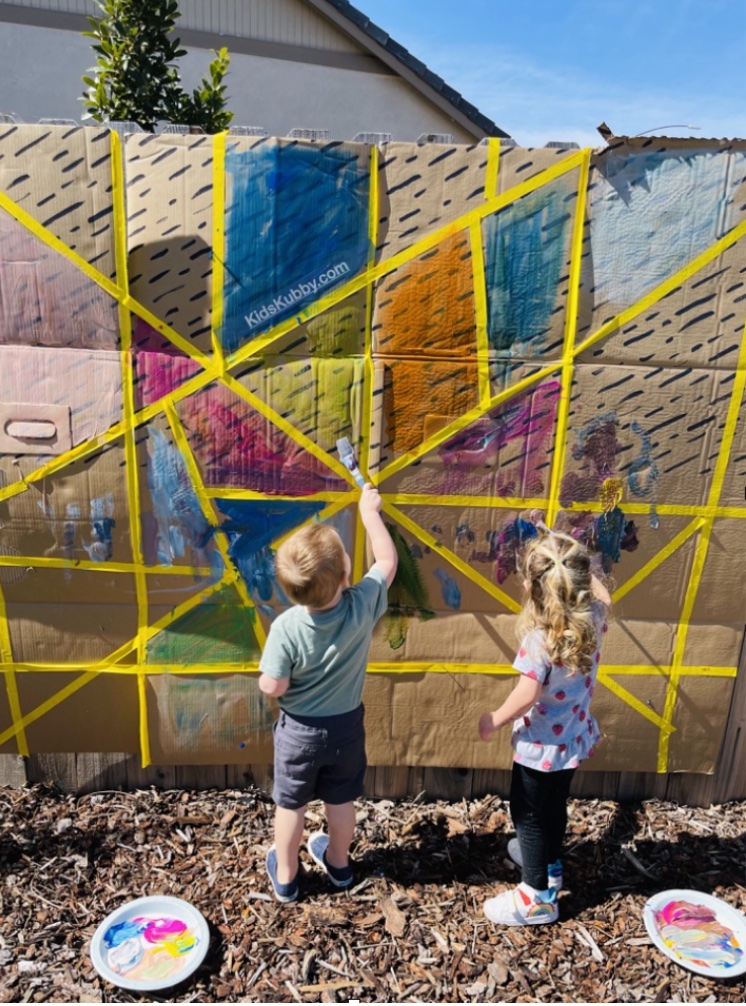
Art activities for kids near me represent accessible, structured creative exercises that children can complete at home or in local community learning spaces using readily available printouts and fundamental drawing tools. According to the National Art Education Association (NAEA), early engagement in visual arts instruction measurably enhances spatial memory, fine motor coordination, and divergent thinking patterns in young learners. Localized artistic engagement bridges the gap between digital screen consumption and tangible tactile creation, providing children with essential sensory-rich milestones.
Visual Learning & Skill Snapshot:
- Core Focus: Accessible, localized visual art experiences utilizing print-on-demand materials and standard drawing supplies.
- Target Skill: Spatial reasoning, pencil grip stabilization, bilateral coordination, and visual-spatial discrimination.
- Key Recommendation: Establish a dedicated, distraction-free home studio corner stocked with curated Art Activities sheets.
Core Principles and Learning Overview
Effective developmental art programs rely on balanced scaffolding that transitions young participants from rudimentary mark-making to complex geometric representation and intentional design execution. Localized print-based resources provide an immediate solution for educators seeking structured developmental prompts without the friction of complex material gathering. By integrating curated Drawing Worksheets into daily routines, instructors establish reliable frameworks that build visual literacy, foster sustained attention spans, and cultivate independent aesthetic decision-making.
Key Specifications and Breakdown
| Age / Learning Stage | Visual Skill & Ratio | Pedagogical Application & Scaffolding |
|---|---|---|
| Early Childhood (Ages 3-5) | Gross motor control to fine pincer grasp (1:1 ratio) | Utilizing broad Coloring Pages with thick borders to build hand strength. |
| Early Elementary (Ages 6-8) | Proportional scaling and structural line work (2:1 ratio) | Employing guided grid-based tracing and symmetry completion sheets. |
| Advanced Primary (Ages 9-11) | Perspective mapping and detailed texturing (3:1 ratio) | Executing multi-step 3D models via specialized Printable Crafts. |
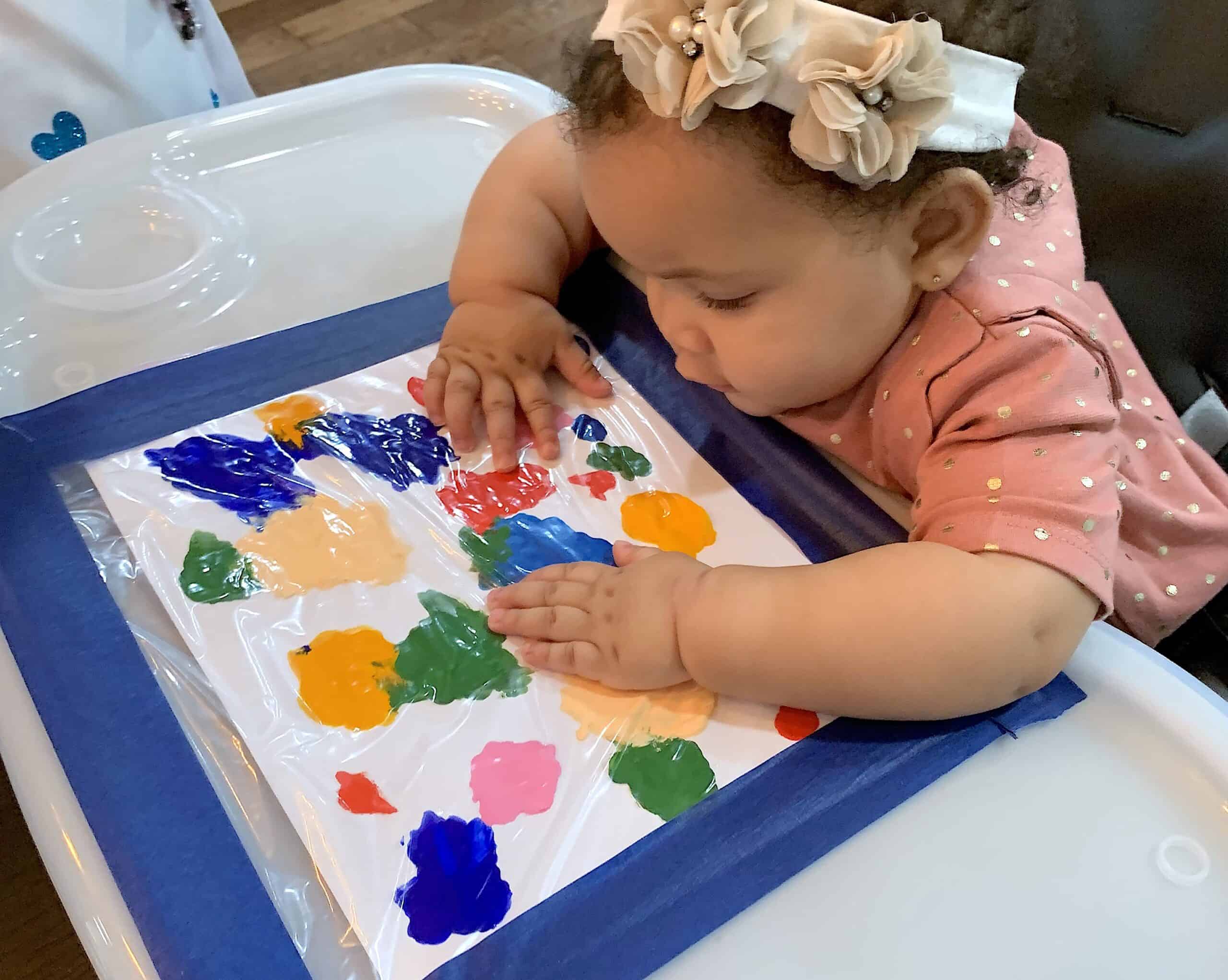
Artistic development directly supports neurocognitive architecture by strengthening neural pathways dedicated to visual-spatial processing, working memory, and fine-motor execution. — National Art Education Association (NAEA). For more related activities, check out our Art Activities For Babies.
Step-by-Step Practical Application and Guidelines
Implementing successful art sessions requires establishing a predictable environment equipped with high-quality, high-contrast printable resources that invite immediate participation. Begin selection processes by assessing current developmental milestones, then curate age-appropriate templates that challenge hand-eye coordination without causing frustration. Educators should print materials on heavy-weight paper stock to withstand multiple mediums, organize workspace trays with safe cutting tools, crayons, and water-based markers, and allow children unguided exploration time following structured template completion.
Common Challenges and How to Avoid Them
Frustration during creative tasks typically stems from unmanaged physical fatigue, overly complex spatial prompts, or insufficient workspace preparation for young children. Prevent burnout by limiting single drawing sessions to age-appropriate durations (15 to 30 minutes) and ensuring that initial templates feature simplified structural lines before introducing intricate geometric patterns. Adults must praise the effort of creative exploration rather than demanding rigid adherence to finished aesthetic perfection, thereby preserving intrinsic motivation.
💬 Frequently Asked Questions
Conclusion and Next Steps
Integrating consistent, accessible creative projects into a child’s daily schedule lays a durable foundation for spatial reasoning, emotional regulation, and academic confidence. Explore the complete collection of expert-designed resources at ColorLeaf Studio to discover engaging Art Activities tailored for every developmental stage.
Visual Reference Gallery