Introduction
Art activities based on children’s books translate narrative themes and illustrated pages into tactile, hands-on visual experiences that strengthen early childhood cognitive development and literary comprehension. According to the National Association for the Education of Young Children (NAEYC), integrating visual arts with literature significantly enhances children’s symbolic thought, spatial organization, and emotional expression. Transforming stories into hands-on creation bridges abstract reading concepts with concrete fine-motor skills, establishing deep neurological connections that support lifelong learning. Educators and caregivers can leverage structured Art Activities to turn traditional storytime into dynamic studio experiences.
Visual Learning & Skill Snapshot:
- Core Focus: Translating literary narratives into structured visual art and tactile design.
- Target Skill: Spatial reasoning, visual discrimination, fine-motor control, and narrative comprehension.
- Key Recommendation: Pair narrative rereadings directly with guided drawing and coloring tasks to anchor visual memory.
Core Principles and Learning Overview
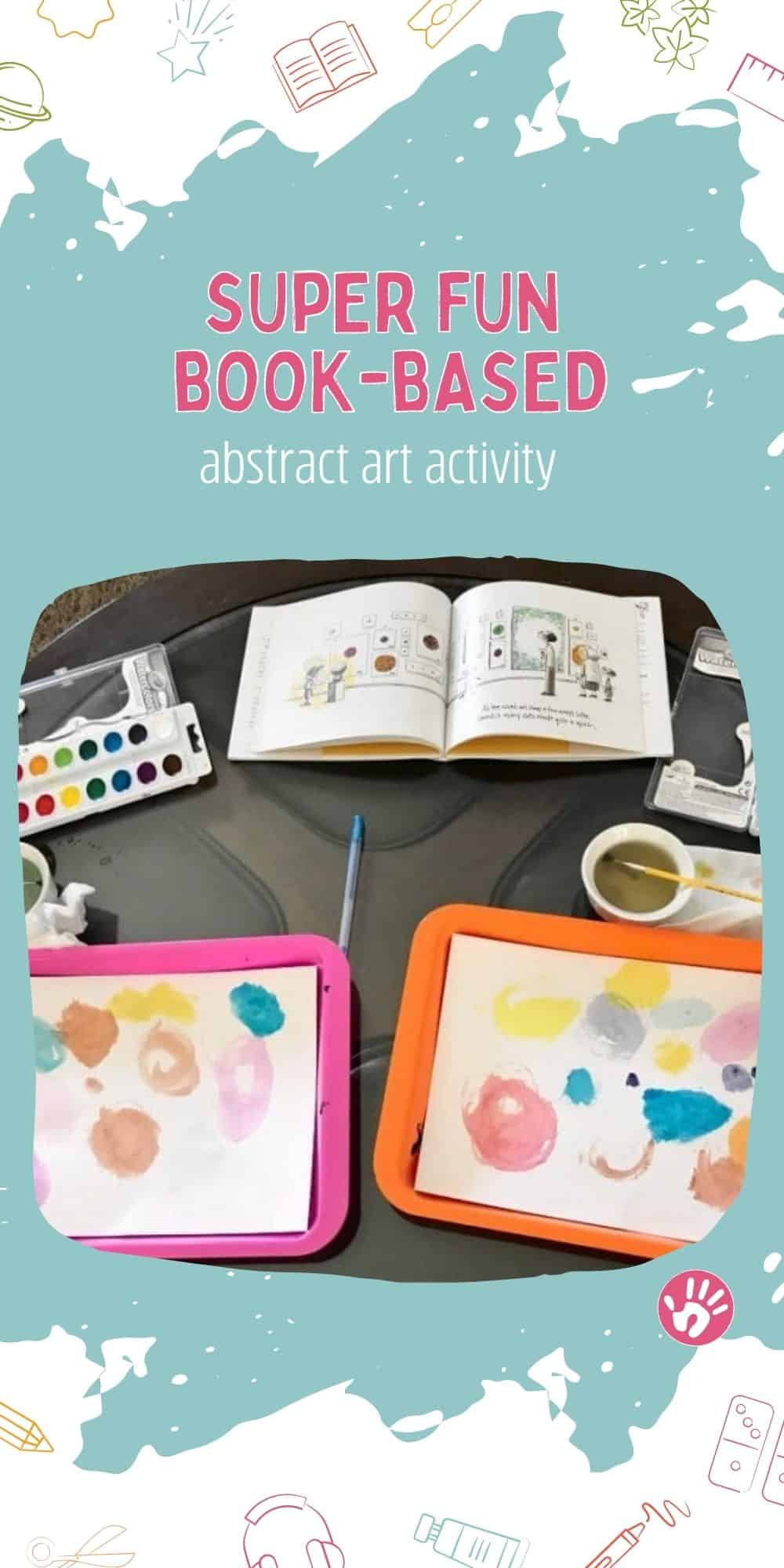
Literary-inspired visual projects provide structural scaffolds that guide children from passive listening to active creative interpretation. Direct answer: Narrative-based art projects anchor abstract story elements into tangible visual formats, reinforcing reading comprehension through deliberate mark-making and composition. When children engage with Drawing Worksheets derived from favorite picture books, they practice translating 2D printed illustrations into their own unique graphic representations. This process encourages young learners to analyze character proportions, color palettes, and foreground-background relationships, fostering critical visual literacy alongside early reading fluency.
Key Specifications and Breakdown
| Age / Learning Stage | Visual Skill & Ratio | Pedagogical Application & Scaffolding |
|---|---|---|
| Ages 3–4 (Early Preschool) | Gross motor control, primary color recognition | Utilize large-scale Coloring Pages featuring bold outlines and simple character shapes to build wrist dexterity. |
| Ages 5–6 (Kindergarten) | Shape constancy, proportional spatial placement | Introduce guided step-by-step templates to recreate key story settings and character expressions accurately. |
| Ages 7–8 (Early Elementary) | Complex composition, narrative sequencing | Implement Printable Crafts that require multi-step cutting, folding, and sequential visual storytelling. |
Early childhood art education functions best as an exploratory process where open-ended visual manipulation directly supports cognitive categorization and linguistic expansion. — National Art Education Association (NAEA)
Step-by-Step Practical Application and Guidelines
Executing story-based art effectively requires a deliberate three-phase instructional sequence consisting of literary immersion, technical scaffolding, and open creation. Direct answer: Educators should first read the text aloud while pointing out illustrative styles, follow with targeted worksheet practice, and conclude with independent artistic interpretation. Begin by examining the book’s artistic medium, whether watercolor, collage, or ink line-work. Provide structured templates that match the story’s geometry, allowing learners to experiment with color theory and texture without the frustration of blank-page anxiety. Ensure that materials—such as crayons, safety scissors, and watercolors—are organized logically to maintain a focused, creative studio environment.
Common Challenges and How to Avoid Them
Young creators frequently encounter frustration when trying to replicate complex book illustrations without adequate foundational steps. Direct answer: Mitigate perfectionism and fine-motor fatigue by breaking intricate story scenes down into manageable, isolated component sheets rather than demanding immediate whole-page mastery. When children struggle with scale or proportions, avoid drawing directly on their work; instead, offer reference cards or simplified geometric breakdowns of the character. Emphasize that artistic interpretation involves personal expression rather than photographic replication, keeping the focus on joyful engagement and storytelling.
💬 Frequently Asked Questions
Conclusion and Next Steps
Integrating literature with visual arts transforms passive listening into an active, multisensory developmental journey. By bridging printed stories with creative physical output, educators and parents unlock deeper cognitive processing and foster a genuine, lasting love for both reading and drawing. Explore the comprehensive collection of Art Activities to discover ready-to-use resources designed to elevate your next storytime session.
Visual Reference Gallery