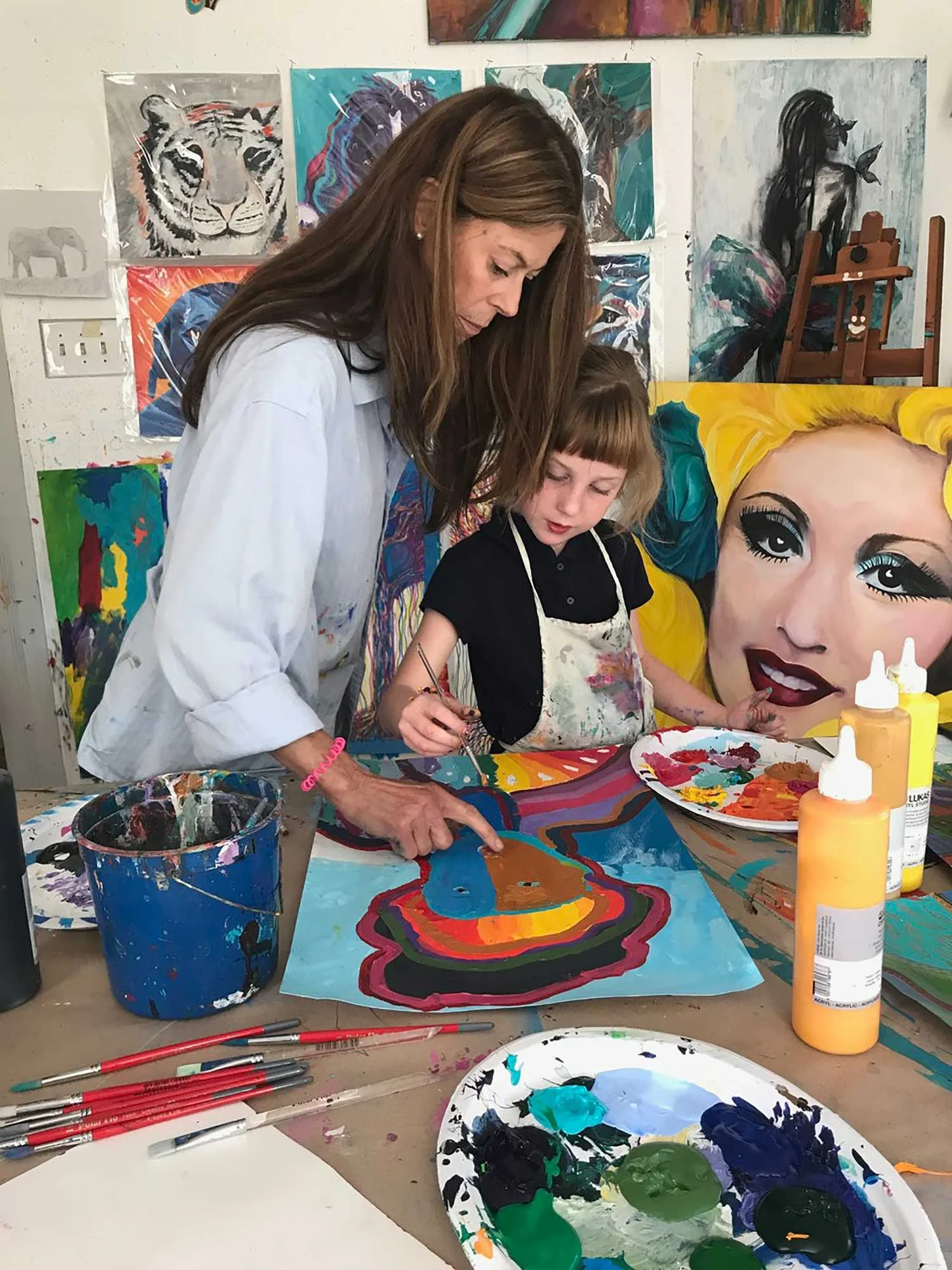
Introduction
Art activities austin represent structured, location-inspired visual exercises that foster fine-motor mastery, spatial awareness, and creative expression through printable media. According to the National Association for the Education of Young Children (NAEYC), engaging children in regular print-based artistic exploration enhances cognitive flexibility, promotes self-regulation, and builds foundational hand-eye coordination essential for early literacy. Integrating local artistic inspirations into printable formats bridges community aesthetics with developmental milestones.
Visual Learning & Skill Snapshot:
- Core Focus: Location-inspired visual exercises utilizing printable sheets and structured craft templates.
- Target Skill: Spatial reasoning, visual discrimination, fine-motor proportion, and concept mastery.
- Key Recommendation: Pair structured templates with open-ended coloring pages to encourage both boundary control and personal expression.
Core Principles and Learning Overview
Structured art activities austin center on utilizing accessible, high-resolution templates that scaffold drawing and coloring competencies for young learners. Early childhood development relies heavily on visual-spatial training, which allows children to interpret shapes, lines, and negative space accurately. Educators and parents leverage professional-grade Art Activities to establish daily creative routines that require minimal material preparation while maximizing cognitive engagement. By systematically varying line density and geometric complexity, these materials support gradual skill acquisition across diverse learning environments.
Key Specifications and Breakdown
| Age / Learning Stage | Visual Skill & Ratio | Pedagogical Application & Scaffolding |
|---|---|---|
| Ages 3–4 (Early Preschool) | Primary shape recognition and 1:1 color-to-area ratio. | Utilize thick-line Coloring Pages to build gross motor control and boundary awareness. |
| Ages 5–7 (Kindergarten / Grade 1) | Proportion estimation, overlapping shapes, and symmetry. | Implement precise Drawing Worksheets to reinforce line continuity and spatial mapping. |
| Ages 8–10 (Early Elementary) | Multi-step structural composition and intricate design coordination. | Execute complex Printable Crafts requiring spatial folding, cutting, and assembly. |
Art education provides critical scaffolding for cognitive development, sensory integration, and problem-solving capacities in early childhood. — National Art Education Association (NAEA). For more related activities, check out our Art Activities Auckland.
Step-by-Step Practical Application and Guidelines
Implementing effective art activities austin begins with preparing a distraction-free workspace equipped with heavy-weight paper, non-toxic coloring mediums, and clearly printed templates scaled to the child’s developmental tier. Educators should first demonstrate proper grip mechanics and line-following techniques before allowing independent exploration, ensuring learners understand how to interpret directional arrows or segment boundaries on worksheets. Regular assessment of hand fatigue and posture prevents frustration, while positive reinforcement of creative risk-taking cultivates long-term artistic confidence.
Common Challenges and How to Avoid Them
Frustration during detailed visual exercises typically stems from mismatched template complexity or inadequate workspace ergonomics, which can be mitigated by selecting developmentally appropriate material ratios. When children rush through fine-motor tasks or struggle with intricate lines, slowing the pace through guided-observation prompts helps redirect focus toward shape analysis rather than rushed completion. Providing varied drawing tools, ranging from broad markers for early preschoolers to fine-tip pencils for older elementary students, ensures that physical dexterity matches the visual demands of the activity.
💬 Frequently Asked Questions
Conclusion and Next Steps
Incorporating structured visual exercises into daily routines empowers children to build essential cognitive, motor, and creative competencies in an engaging manner. Educators and parents seeking to expand their creative curriculum can explore specialized resources available through ColorLeaf Studio Art Activities to discover print-ready materials designed for every developmental milestone.
Visual Reference Gallery