Introduction
Art activities for two-year-olds serve as foundational sensory-motor experiments that build neural pathways essential for early cognitive and visual development. According to the National Association for the Education of Young Children (NAEYC), open-ended creative exploration during toddlerhood supports fine motor control, spatial awareness, and emotional expression without the pressure of rigid academic outcomes. Engaging toddlers in structured creative experiences introduces foundational visual concepts through tactile manipulation, color observation, and intentional mark-making.
Visual Learning & Skill Snapshot:
- Core Focus: Process-oriented art activities designed specifically for toddler cognitive development and fine-motor mastery.
- Target Skill: Bilateral coordination, hand-eye calibration, pincer grasp refinement, and sensory visual processing.
- Key Recommendation: Prioritize tactile exploration and large-format surfaces over finished craft perfection to build intrinsic motivation.
Core Principles and Learning Overview
Process art at age two prioritizes physical execution, material interaction, and sensory discovery over the production of a recognizable finished product. Direct answers to developmental needs involve supplying oversized, non-toxic media that encourage palmar and transitional pincer grasps. Educators and caregivers must structure environments to allow toddlers freedom of movement, utilizing specialized Art Activities that stimulate curiosity and encourage physical confidence with diverse art tools.
Key Specifications and Breakdown
| Age / Learning Stage | Visual Skill & Ratio | Pedagogical Application & Scaffolding |
|---|---|---|
| Early Toddler (24-28 Months) | Palmar grasp; uncontrolled vertical and horizontal strokes | Provide chunky crayons and heavy-grade Coloring Pages with thick outlines. |
| Mid Toddler (28-32 Months) | Beginning transition to transitional thumb-forefinger grasp | Incorporate large Drawing Worksheets designed for gross-motor stability. |
| Late Toddler (32-36 Months) | Intentional dotting, circular scribbling, and shape awareness | Introduce simple tearing and pasting via guided Printable Crafts. |
Early childhood art experiences must focus on exploratory sensory engagement rather than product-driven replication to foster authentic cognitive growth and problem-solving skills. — National Art Education Association (NAEA). For more related activities, check out our Art Activities For Kids.
Step-by-Step Practical Application and Guidelines
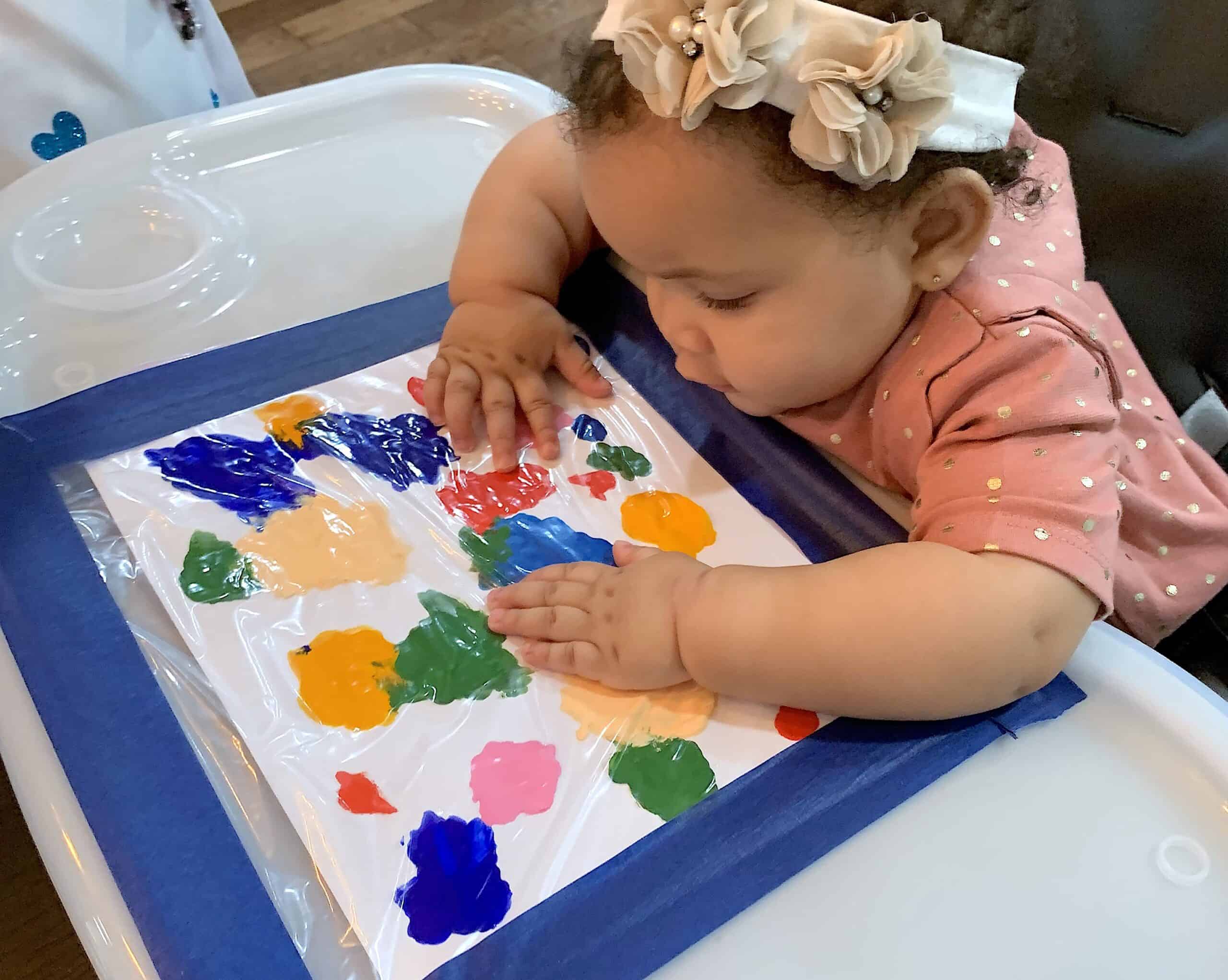
Implementing successful creative sessions requires preparing a low-mess, accessible environment equipped with age-appropriate tools. Educators begin by securing heavyweight paper with painter’s tape to prevent slipping, which stabilizes the workspace for uncoordinated motor movements. Adults then introduce single-medium applications—such as water-soluble finger paints or thick washable markers—allowing toddlers to explore cause-and-effect relationships through visual trails left on the page without sensory overload.
Common Challenges and How to Avoid Them
Frustration during toddler art sessions typically stems from inappropriate material scale or overly complex instructions that exceed current neurological capacity. Adults prevent these issues by avoiding adult-centric expectations of staying inside lines or creating representational drawings. Providing oversized canvases, durable substrates, and open-ended prompts ensures that young learners remain engaged, confident, and eager to experiment.
💬 Frequently Asked Questions
Conclusion and Next Steps
Integrating intentional creative practices into early childhood routines lays a robust groundwork for future academic and artistic success. Caregivers and educators can explore a comprehensive collection of downloadable resources to support this developmental journey by browsing professional Art Activities designed specifically for early learners.
Visual Reference Gallery