Introduction
Art activities for infants 6-12 months are sensory-driven exploratory experiences that build foundational neurological pathways through visual tracking, tactile engagement, and early cause-and-effect discoveries. According to the National Association for the Education of Young Children (NAEYC), sensory exploration and unstructured creative play during early infancy build critical neural connections that support later cognitive and artistic problem-solving. Introducing structured visual stimuli and tactile exploration materials early helps infants process contrast, color theory foundations, and spatial awareness.
Visual Learning & Skill Snapshot:
- Core Focus: Sensory-rich tactile art experiences designed for pre-walking babies.
- Target Skill: Bilateral coordination, visual tracking, and sensory processing.
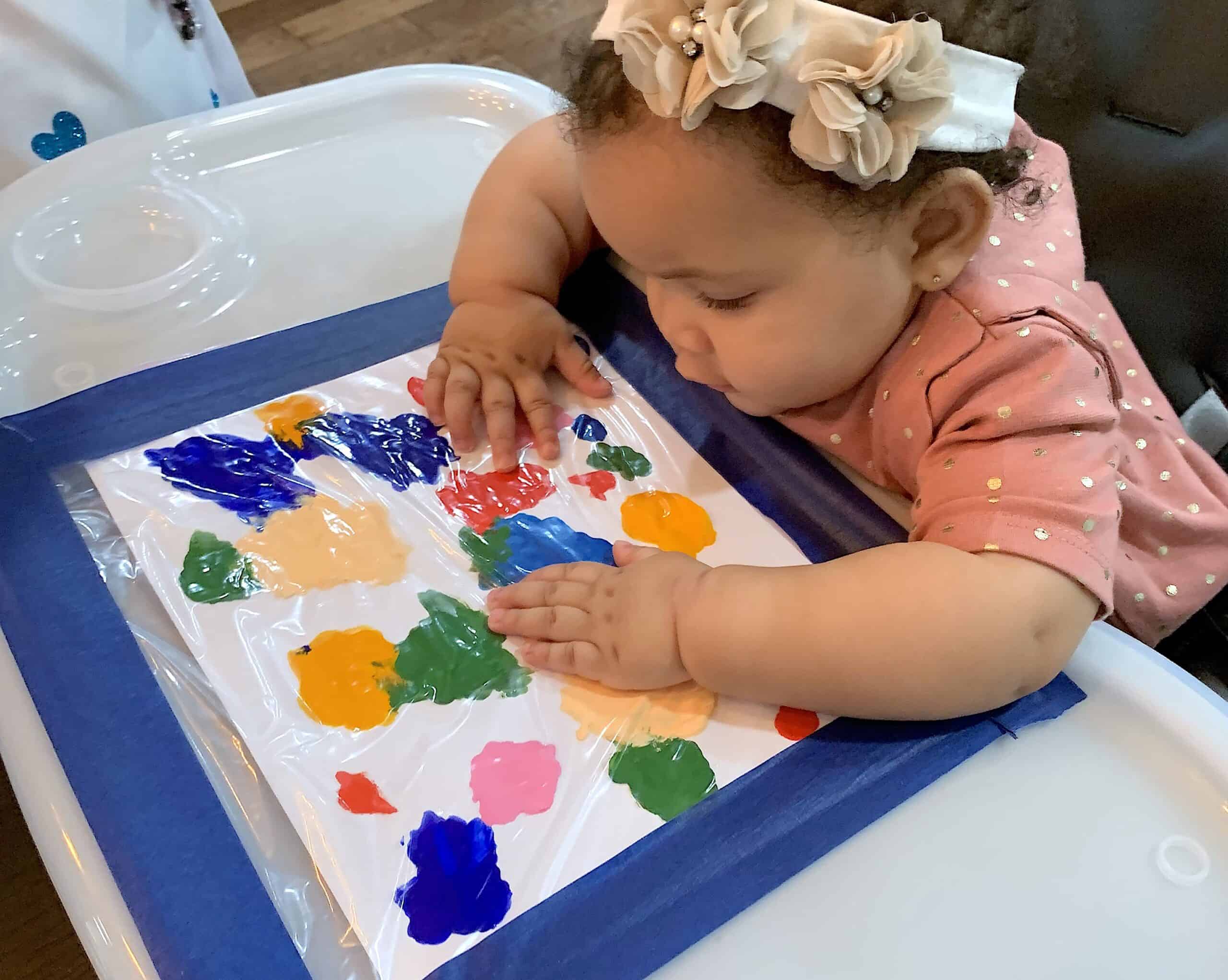
- Key Recommendation: Use edible, non-toxic mediums secured in sealed plastic pouches for mess-free tactile exploration.
Core Principles and Learning Overview
Art activities for infants 6-12 months prioritize process over product by encouraging babies to interact freely with high-contrast surfaces, washable paints, and textured tools. These foundational interactions strengthen hand-eye coordination as infants swipe, pat, and grasp different materials. Educators and parents can expand learning opportunities by pairing tactile trays with curated Art Activities that emphasize safe sensory stimulation and visual engagement.
Key Specifications and Breakdown
| Age / Learning Stage | Visual Skill & Ratio | Pedagogical Application & Scaffolding |
|---|---|---|
| 6-8 Months (Sitting & Reaching) | High-contrast visual tracking (black, white, primary red) | Provide laminated cards and high-contrast Coloring Pages on the floor during tummy time. |
| 8-10 Months (Pincer Grasp Emergence) | Bilateral hand coordination and texture differentiation | Introduce large-scale Drawing Worksheets taped securely to flat surfaces for palmar scribbling. |
| 10-12 Months (Intentional Marking) | Spatial awareness and cause-and-effect association | Facilitate guided finger-painting sessions using non-toxic washable pigments on thick cardstock. |
Early childhood art experiences must focus on open-ended sensory engagement and motor skill development rather than aesthetic outcomes — National Art Education Association (NAEA)
Step-by-Step Practical Application and Guidelines
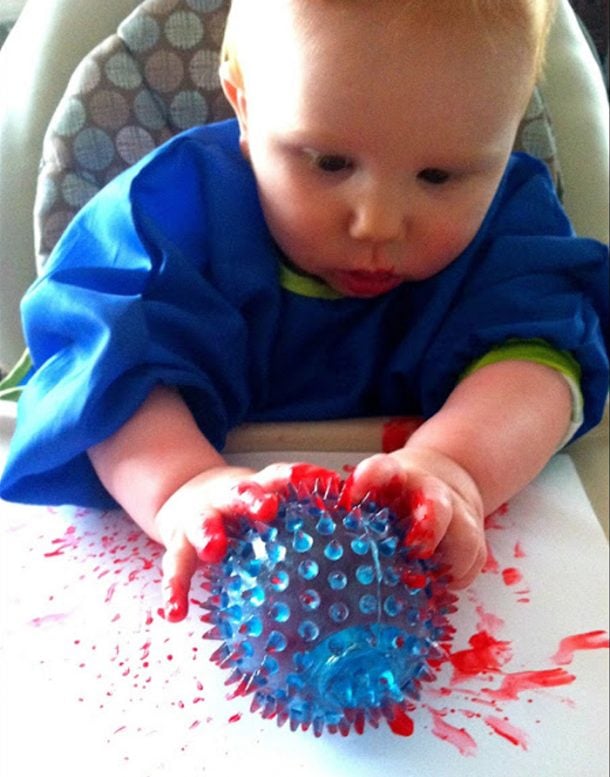
Implementing art activities for infants 6-12 months requires a carefully prepared environment that guarantees safety while encouraging uninhibited exploration. Begin by securing heavy cardstock or printed Printable Crafts to a high chair tray or clean floor using painter’s tape to prevent slipping. Offer edible finger paints made from yogurt and natural food dye, allowing the infant to safely smear, tap, and slide hands across the page while observing the permanent marks left behind.
Common Challenges and How to Avoid Them
Managing frustration and sensory overload is the primary challenge when introducing early art materials to infants under one year old. Prevent overstimulation by keeping sessions short—typically five to ten minutes—and stopping immediately if the infant displays signs of fatigue or distress. Always select non-toxic, taste-safe materials because mouthing objects remains a primary method of environmental investigation at this developmental stage.
💬 Frequently Asked Questions
Conclusion and Next Steps
Art activities for infants 6-12 months lay a solid foundation for lifelong creativity, fine motor dexterity, and sensory integration. By maintaining a focus on safe, process-driven exploration, caregivers can transform daily play into meaningful developmental milestones. Explore structured educational resources and download professional templates by visiting the complete Art Activities collection today.
Visual Reference Gallery