Introduction
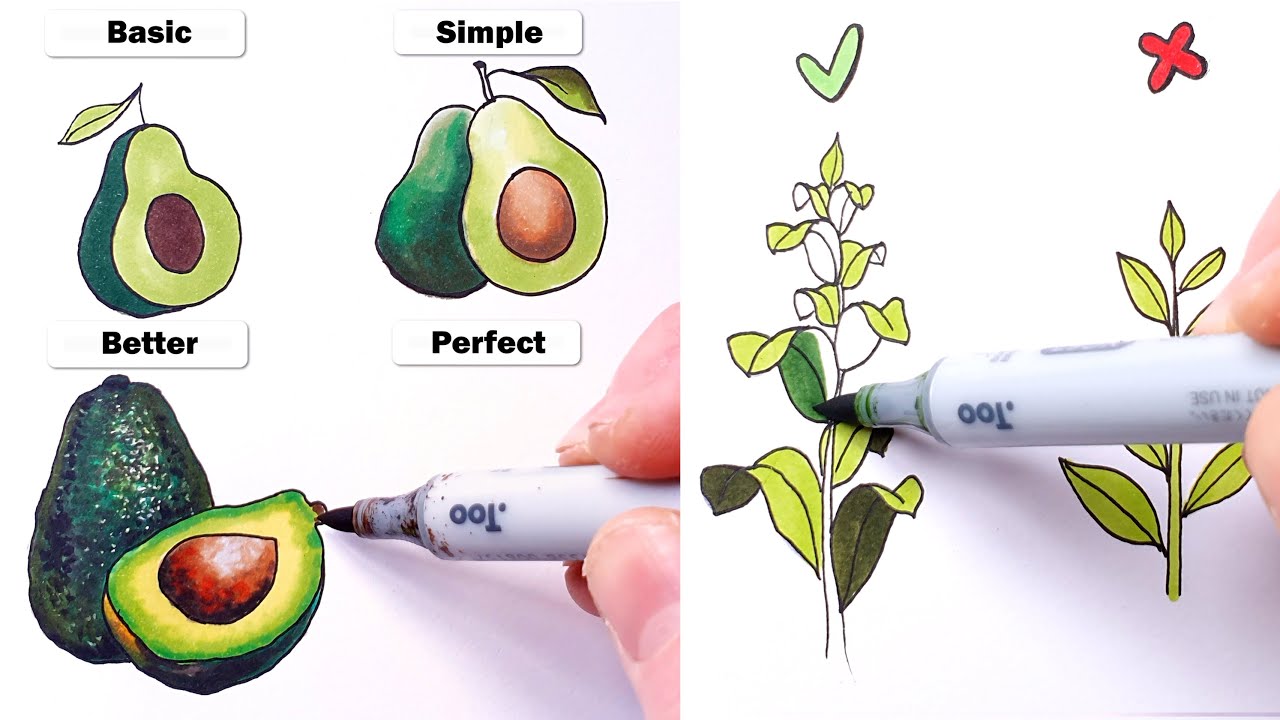
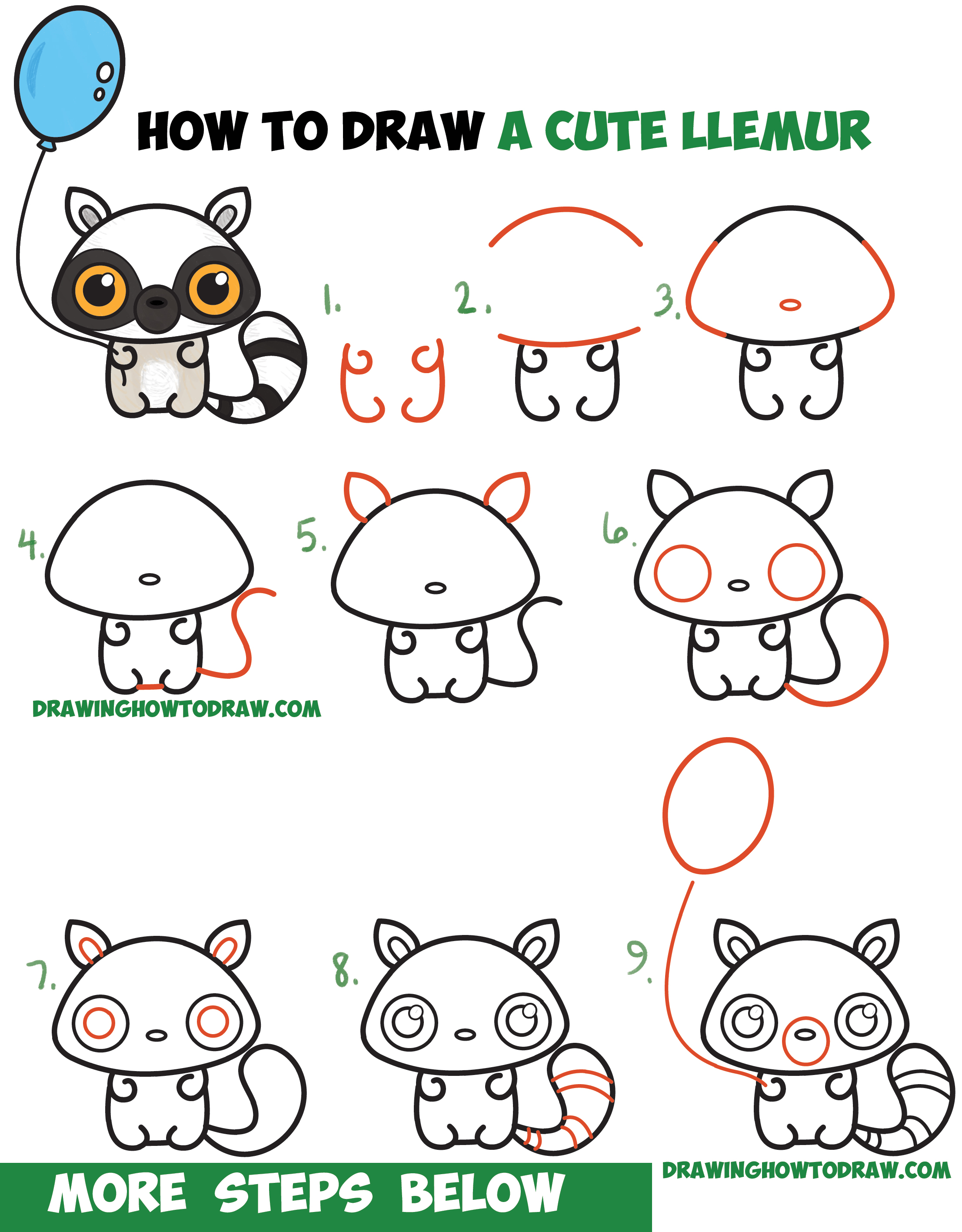
Simplified artistic creation involves breaking complex visual subjects into fundamental geometric shapes that young children can easily replicate, thereby building foundational graphic confidence. According to the National Art Education Association (NAEA), structured early graphic expression directly strengthens eye-hand coordination, cognitive mapping, and spatial perception in early childhood. Utilizing structured Drawing Worksheets allows educators and parents to transform abstract concepts into approachable, step-by-step visual markers. These guided developmental tools remove the intimidation factor of a blank page, allowing young learners to master line control and proportional balance without cognitive overload.
Visual Learning & Skill Snapshot:
- Core Focus: Scaffolding complex visual imagery into accessible geometric components for early learners.
- Target Skill: Spatial reasoning, visual discrimination, and fine-motor proportion.
- Key Recommendation: Pair structured tracing templates with open-ended coloring opportunities to reinforce line retention.
Core Principles and Learning Overview
Simplified illustration techniques rely on visual scaffolding, a pedagogical framework where complex tasks are broken down into manageable visual increments for novice learners. By emphasizing basic shapes like circles, triangles, and vertical lines, instructional assets eliminate cognitive fatigue and reduce frustration during early mark-making exercises. Integrating specialized Art Activities alongside guided sketching bridges the gap between passive observation and active graphic execution. Children who engage with incremental drawing exercises demonstrate superior pencil grip persistence, enhanced visual-spatial awareness, and greater confidence when tackling more advanced composition tasks in subsequent learning stages.
Key Specifications and Breakdown
| Age / Learning Stage | Visual Skill & Ratio | Pedagogical Application & Scaffolding |
|---|---|---|
| Ages 3-4 (Early Explorer) | Horizontal/Vertical lines, closed circles | Utilize thick-bordered templates to teach basic contour tracing and pressure control. |
| Ages 5-6 (Emerging Artist) | Intersecting shapes, basic symmetry | Implement grid-based copying sheets to encourage proportional spatial placement. |
| Ages 7-8 (Confident Creator) | Overlapping forms, directional shading | Provide multi-step directional prompts that merge independent drawing with creative storytelling. |
Structured art instruction during early childhood significantly enhances neurological pathways responsible for visual-spatial processing and problem-solving flexibility. — National Art Education Association (NAEA)
Step-by-Step Practical Application and Guidelines
Executing accessible drawing lessons requires preparing a distraction-free workspace equipped with ergonomic seating, blunt-tip safety instruments, and high-contrast printed materials. Begin by presenting the chosen template or prompt, allowing the child to visually trace the contour lines with an index finger before applying any writing utensil. Introduce texture and color variation by incorporating complementary Coloring Pages that reinforce the identical thematic subject matter. Educators should encourage a fluid trial-and-error mindset, praising intentional line choices rather than rigid perfectionism to foster long-term creative resilience.
Common Challenges and How to Avoid Them
Young learners frequently experience hand fatigue, perfectionist paralysis, or spatial disorientation when confronted with complex graphic prompts that exceed their current developmental threshold. Educators can prevent these setbacks by scaling down the visual density of worksheets and swapping narrow, rigid pencils for thicker triangular crayons that promote a natural tripod grasp. Providing varied tactile extensions, such as Printable Crafts, reinforces fine motor dexterity through cutting and pasting when direct drawing frustration peaks. Maintaining short, engaging sessions ensures that children associate visual arts with enjoyment rather than academic pressure.
💬 Frequently Asked Questions
Conclusion and Next Steps
Embracing simplified visual arts education creates a strong foundation for lifelong cognitive growth, fine motor proficiency, and creative expression. Educators, parents, and caregivers can immediately expand their instructional toolkits by exploring the comprehensive library of Drawing Worksheets available at ColorLeaf Studio to inspire the next generation of confident young creators.
Visual Reference Gallery