Introduction
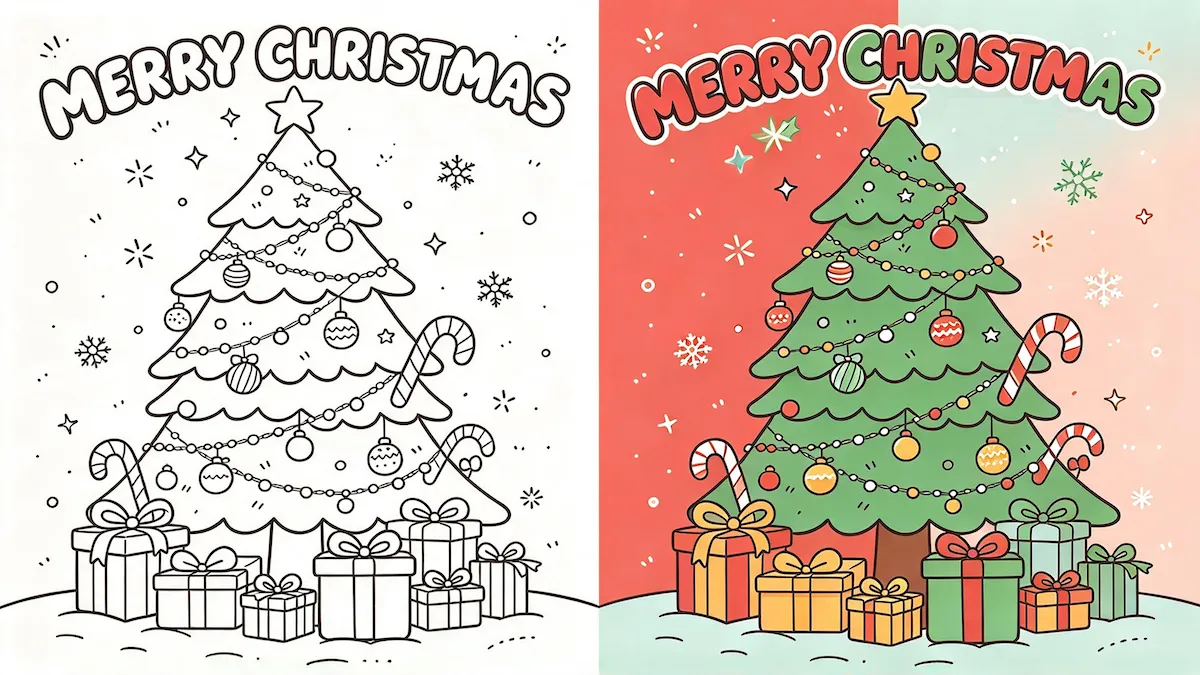
Holiday coloring pages christmas templates function as structured visual-motor tools that strengthen fine motor control, bilateral coordination, and spatial awareness in young learners through intentional pencil grip and border containment. According to the National Association for the Education of Young Children (NAEYC), purposeful manipulation of writing and coloring instruments during early childhood directly accelerates neural pathway development related to handwriting and visual discrimination. Utilizing seasonal assets from Coloring Pages offers educators and caregivers a reliable method to merge thematic engagement with rigorous cognitive practice. These printable sheets act as foundational precursors to advanced design, geometry, and literacy by requiring children to analyze boundaries, interpret contours, and execute controlled hand movements.
Visual Learning & Skill Snapshot:
- Core Focus: Structured holiday-themed coloring pages christmas worksheets designed to refine fine-motor mechanics and visual literacy.
- Target Skill: Spatial orientation, color theory application, bilateral integration, and pencil grip endurance.
- Key Recommendation: Pair structured printable sheets with varied media such as crayons, colored pencils, and watercolors to build tactile dexterity.
Core Principles and Learning Overview
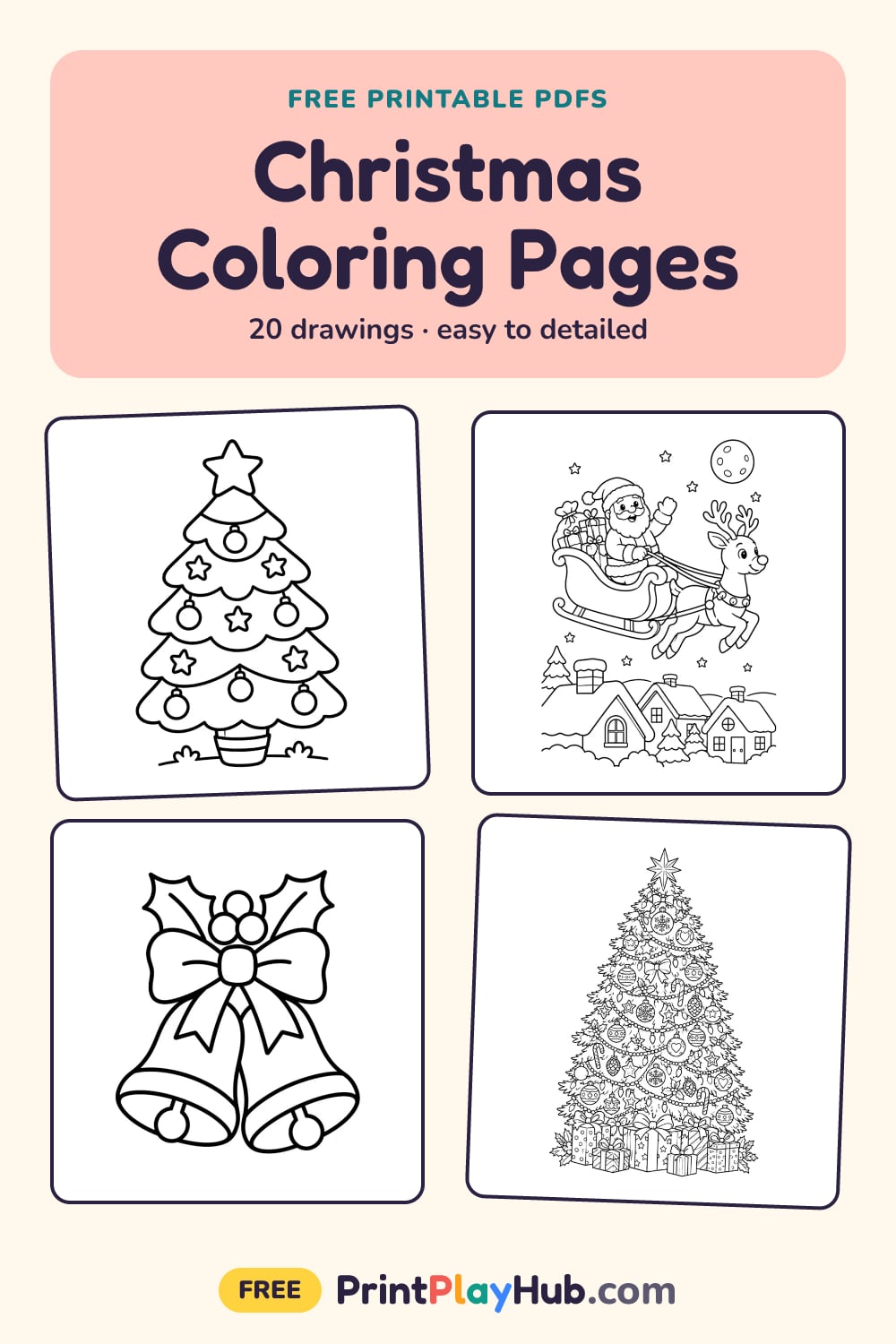
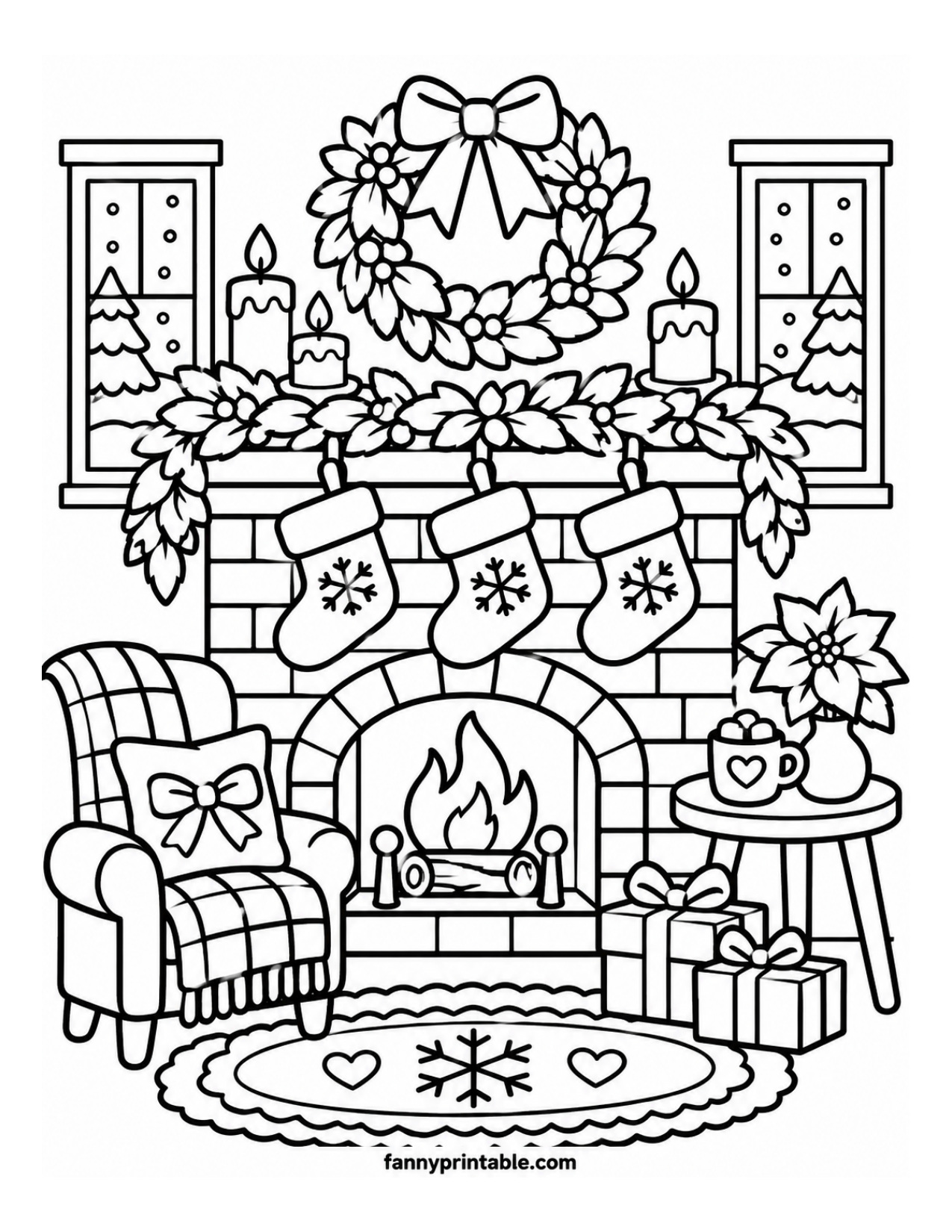
Deliberate engagement with coloring pages christmas templates fosters cognitive patience, visual attention to detail, and emotional regulation through creative focus. When children process intricate holiday motifs such as ornamented evergreens, geometric snowflakes, and detailed gift packages, visual cortex networks process contour lines, angles, and negative space proportions. This deliberate visual analysis translates into enhanced hand-eye synchronization and better physical mastery of writing implements. Educators frequently integrate these printable resources alongside specialized Art Activities to encourage creative exploration while reinforcing foundational graphic communication abilities necessary for early elementary writing readiness.
Key Specifications and Breakdown
| Age / Learning Stage | Visual Skill & Ratio | Pedagogical Application & Scaffolding |
|---|---|---|
| Ages 3-4 (Preschool) | Thick outlines, large forms, low visual density | Utilize simplified shapes to encourage palmar-to-digital grip transition and basic boundary awareness. |
| Ages 5-6 (Kindergarten) | Moderate detail, varied line widths, intermediate motifs | Integrate directional shading practices and color-pattern sequencing to strengthen focus and dexterity. |
| Ages 7-8 (Early Elementary) | High-complexity patterns, intricate geometric mandalas | Combine with Drawing Worksheets to promote independent structural sketching and spatial planning. |
Structured art experiences and purposeful coloring tasks foster crucial fine-motor coordination, self-regulation, and visual-spatial competence across early childhood development stages. — National Art Education Association (NAEA)
Step-by-Step Practical Application and Guidelines
Successful implementation of coloring pages christmas lessons requires preparing a quiet, well-lit workspace with high-quality paper stock and diverse coloring media to maximize engagement. Instructors should begin by guiding learners to inspect the overall layout of the sheet, identifying major focal points like center figures and background elements before applying any pigment. Introduce color theory concepts by asking children to select contrasting palettes for foreground objects versus background scenery, enhancing visual depth perception. For extended seasonal projects, educators can transition these completed sheets into tactile projects by incorporating materials from Printable Crafts to create classroom banners, greeting cards, or window displays.
Common Challenges and How to Avoid Them
Frustration over staying inside intricate lines often occurs when children attempt complex designs without adequate prior motor skill scaffolding or improper writing grip adjustments. To mitigate hand fatigue and visual overload, adults should select simpler holiday layouts for younger participants, gradually increasing graphic complexity as endurance improves. Additionally, providing chunky triangular crayons or ergonomic colored pencils prevents grip fatigue, allowing learners to maintain comfortable control and positive attitudes toward structured creative tasks.
💬 Frequently Asked Questions
Conclusion and Next Steps
Integrating purposeful holiday art resources into early education programs bridges seasonal excitement with critical cognitive and motor skill milestones. Educators and parents can expand this creative momentum by exploring curated Coloring Pages collections to support engaging, skill-building lessons throughout the entire academic year.
Printable Coloring Page Previews