Introduction
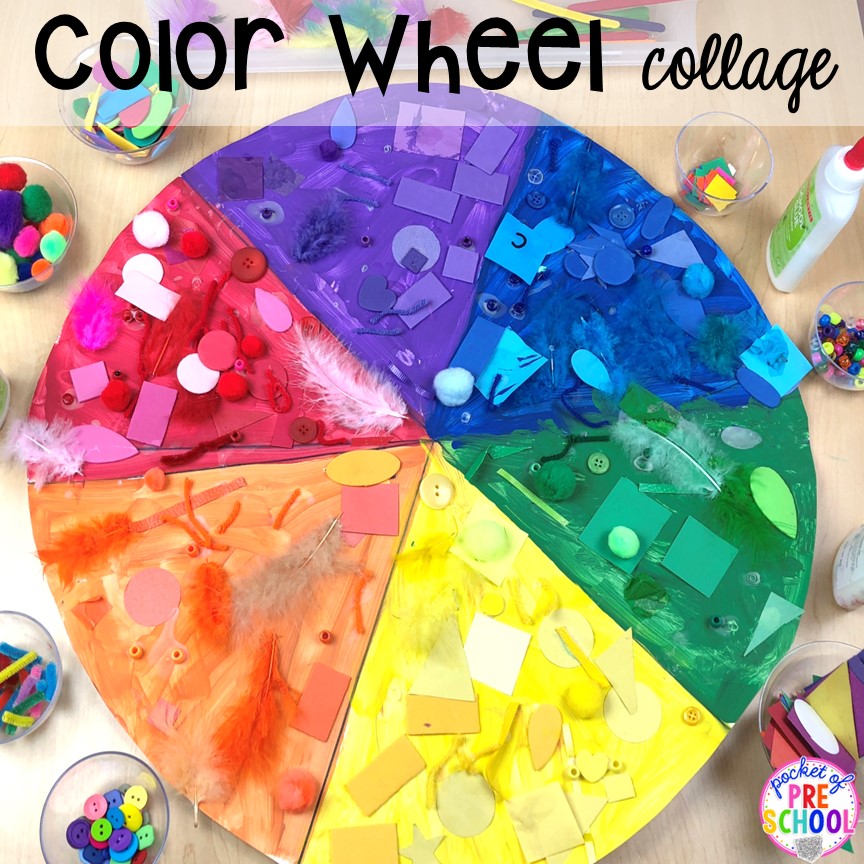
Art activities about colors for preschoolers serve as essential developmental milestones that bridge sensory exploration and cognitive categorization through intentional visual expression. According to the National Association for the Education of Young Children (NAEYC), engaging young learners in structured creative color investigation systematically enhances visual literacy, fine-motor dexterity, and analytical processing. By utilizing curated resources such as Art Activities, educators and caregivers provide foundational opportunities for children to observe, mix, and apply chromatic concepts in tangible formats.
Visual Learning & Skill Snapshot:
- Core Focus: Systematic color recognition and manipulation through hands-on creative expression.
- Target Skill: Visual discrimination, fine-motor control, and chromatic categorization.
- Key Recommendation: Combine open-ended pigment exploration with structured printable templates to reinforce color theory.
Core Principles and Learning Overview
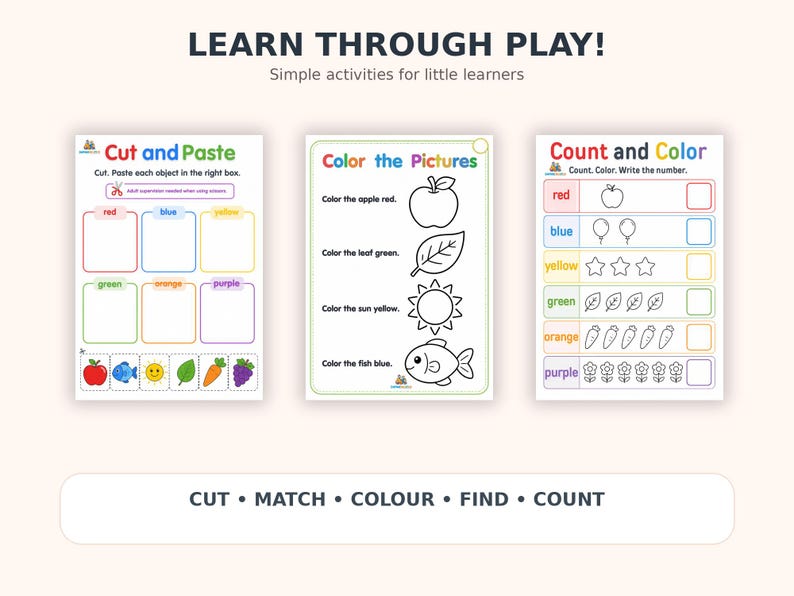
Targeted color art initiatives optimize cognitive development by connecting abstract hue identification with physical fine-motor execution. Direct answer: These specialized exercises build neural pathways responsible for spatial awareness and color matching by encouraging children to actively isolate, identify, and replicate distinct visual shades. Utilizing structured resources like Coloring Pages ensures that learners practice pencil grip, hand-eye coordination, and boundary awareness while reinforcing primary and secondary color categories.
Key Specifications and Breakdown
| Age / Learning Stage | Visual Skill & Ratio | Pedagogical Application & Scaffolding |
|---|---|---|
| Ages 3 to 4 (Early Exploration) | Primary color identification; 1:1 color matching | Focus on single-hue Drawing Worksheets to build basic recognition. |
| Ages 4 to 5 (Intermediate Mixing) | Secondary color creation; boundary containment | Utilize guided Printable Crafts for tactile pigment blending. |
| Ages 5 to 6 (Advanced Application) | Shade differentiation; intentional design selection | Implement multi-step chromatic sequences and independent color planning. |
Early childhood art curricula must prioritize process-oriented exploration coupled with intentional structural frameworks to secure optimal cognitive and motor skill transfer — National Art Education Association (NAEA)
Step-by-Step Practical Application and Guidelines
Implementing effective color exploration requires a deliberate balance between unstructured sensory play and guided visual templates. Direct answer: Educators achieve optimal learning outcomes by first introducing a single focal color through physical objects, followed immediately by targeted coloring and tracing exercises that solidify the visual concept. Preparing a workspace with minimal distractions, high-quality printing materials, and designated pigment tools encourages sustained attention span and deep engagement during creative sessions.
Common Challenges and How to Avoid Them
Over-complicating color theory concepts too early frequently leads to cognitive overload and frustration among preschool learners. Direct answer: Prevent learning fatigue by limiting initial sessions to primary hues and utilizing clear, bold outlines that support independent visual navigation without adult over-direction. Providing appropriately scaled tracing and coloring templates guarantees that children experience immediate success, thereby boosting creative confidence and sustained motivation.
💬 Frequently Asked Questions
Conclusion and Next Steps
Integrating purposeful chromatic exercises into daily early childhood schedules yields profound cognitive, motor, and creative dividends. By providing structured opportunities for visual expression, educators and parents empower young learners to master foundational design concepts with confidence. Discover a comprehensive collection of high-quality educational resources by visiting the primary Art Activities section to elevate the preschool curriculum today.
Visual Reference Gallery