Introduction
Drawing worksheets adults refer to structured, printable visual guides designed to foster advanced spatial reasoning, fine-motor precision, and creative stress reduction through deliberate line work and observational rendering. According to the National Art Education Association (NAEA), structured visual exercises actively support neurological integration, cognitive flexibility, and stress mitigation across adult demographics. Utilizing precision-engineered printables bridges the gap between traditional fine art instruction and accessible at-home mindfulness practices. Educators, homeschool parents, and lifelong learners frequently incorporate these resources to refine technical rendering capabilities, enhance hand-eye coordination, and support mental well-being through tactile creative engagement. Exploring specialized collections of Drawing Worksheets provides an effective foundation for mastering intricate perspective, shading techniques, and geometric proportions without the intimidation of a blank canvas.
Visual Learning & Skill Snapshot:
- Core Focus: Structured, printable templates for adult skill-building, observation practice, and artistic mindfulness.
- Target Skill: Advanced spatial reasoning, observational accuracy, fine-motor control, and stress reduction.
- Key Recommendation: Pair structured grid exercises with heavy-weight drawing paper to maximize ink retention and eraser durability.
Core Principles and Learning Overview
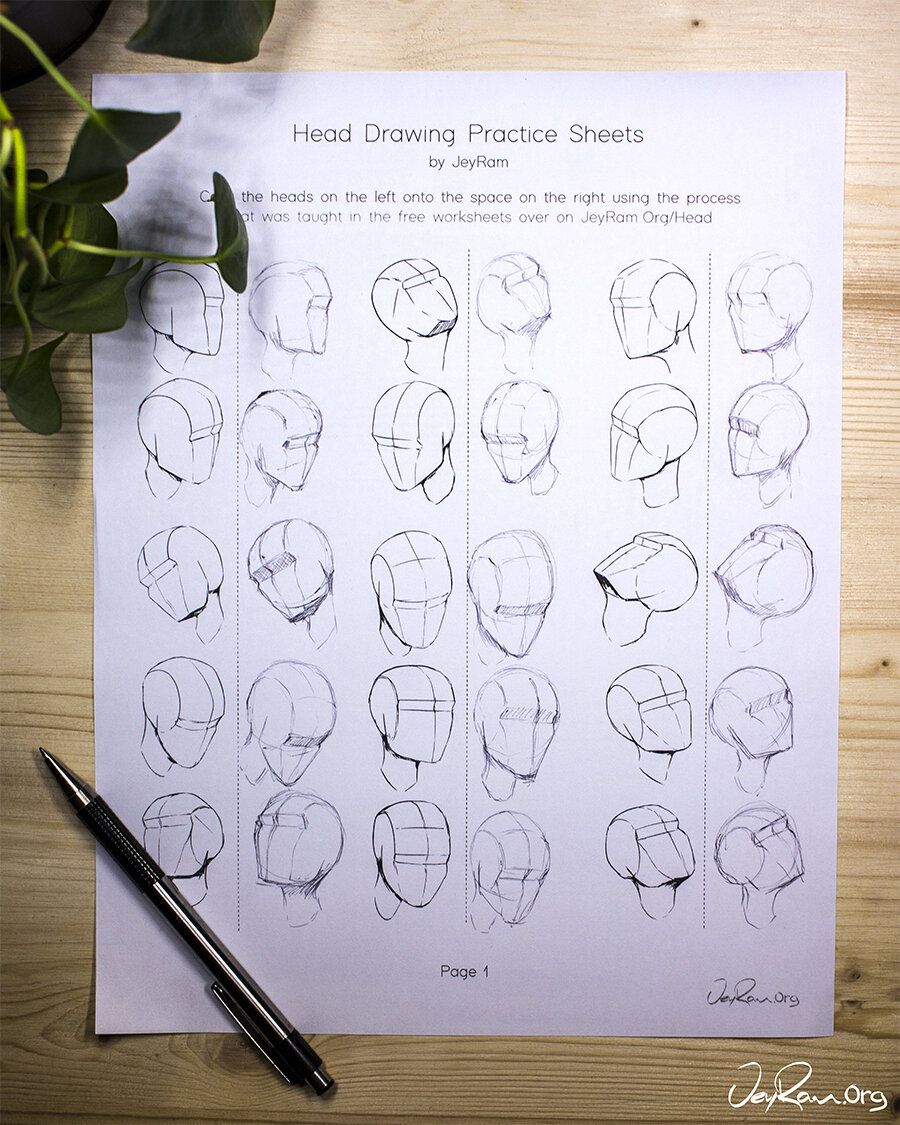
Drawing worksheets adults provide a scaffolded framework that breaks complex visual subjects down into manageable, geometrically sound steps. Direct cognitive engagement with grid-based rendering, contour mapping, and perspective alignment strengthens the neural pathways responsible for visual-spatial processing and problem-solving. When adults engage in guided artistic exercises, the cerebral cortex activates regions linked to focused attention and emotional regulation, producing a state of meditative flow. Educators utilize these structured assets to transition learners from basic outline tracing to independent perspective drawing. Incorporating complementary Art Activities alongside these printable sheets enriches the overall learning experience by combining technical precision with expressive mixed-media exploration.
Key Specifications and Breakdown
| Age / Learning Stage | Visual Skill & Ratio | Pedagogical Application & Scaffolding |
|---|---|---|
| Novice / Beginner | Contour mapping and basic 1:1 proportion scaling | Utilize baseline grids to build hand confidence and hand-eye coordination. |
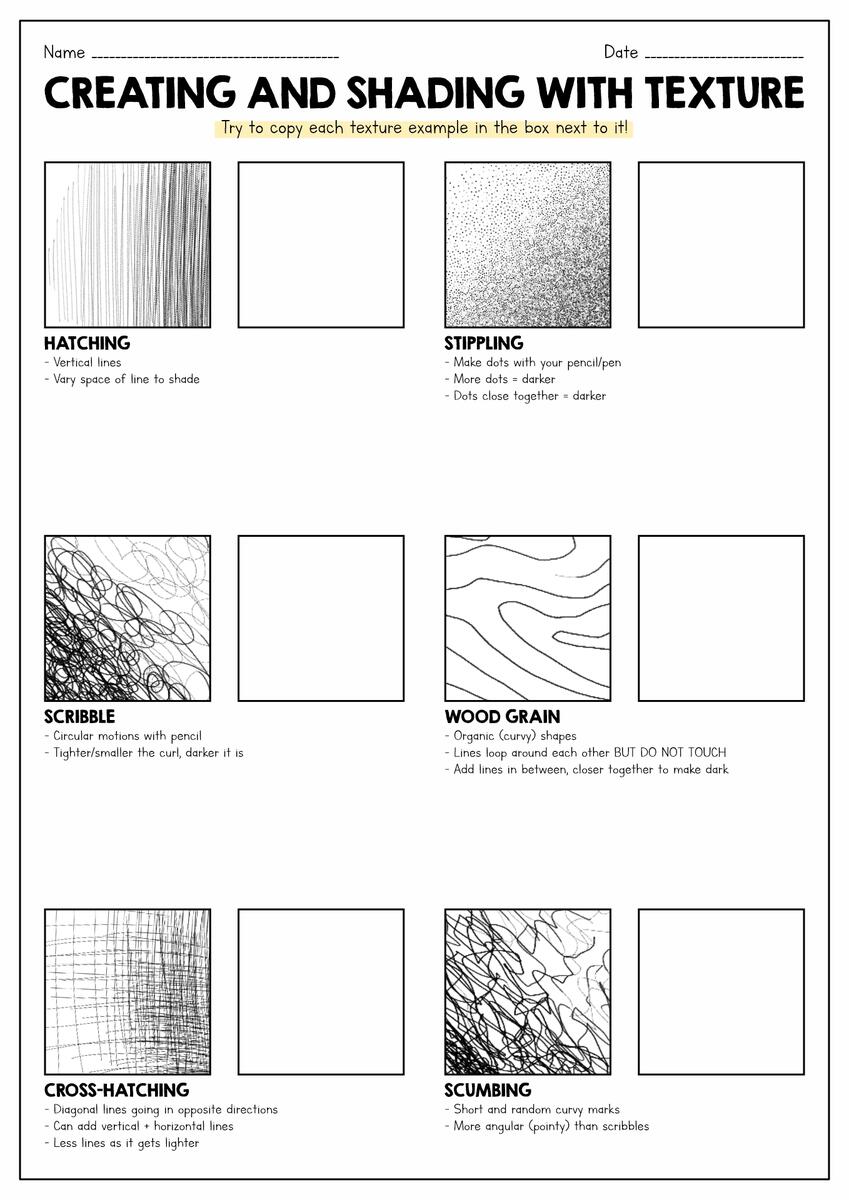
| Intermediate Learner | Cross-contour hatching and 2-point perspective | Apply tonal variation exercises to understand light source direction and depth. |
| Advanced Practitioner | Complex organic rendering and architectural detail | Focus on negative space isolation and micro-proportion adjustments for mastery. |
Regular engagement in structured visual arts and drawing exercises promotes cognitive flexibility, reduces cortisol levels, and enhances sustained attention span in adult learners. — National Art Education Association (NAEA)
Step-by-Step Practical Application and Guidelines
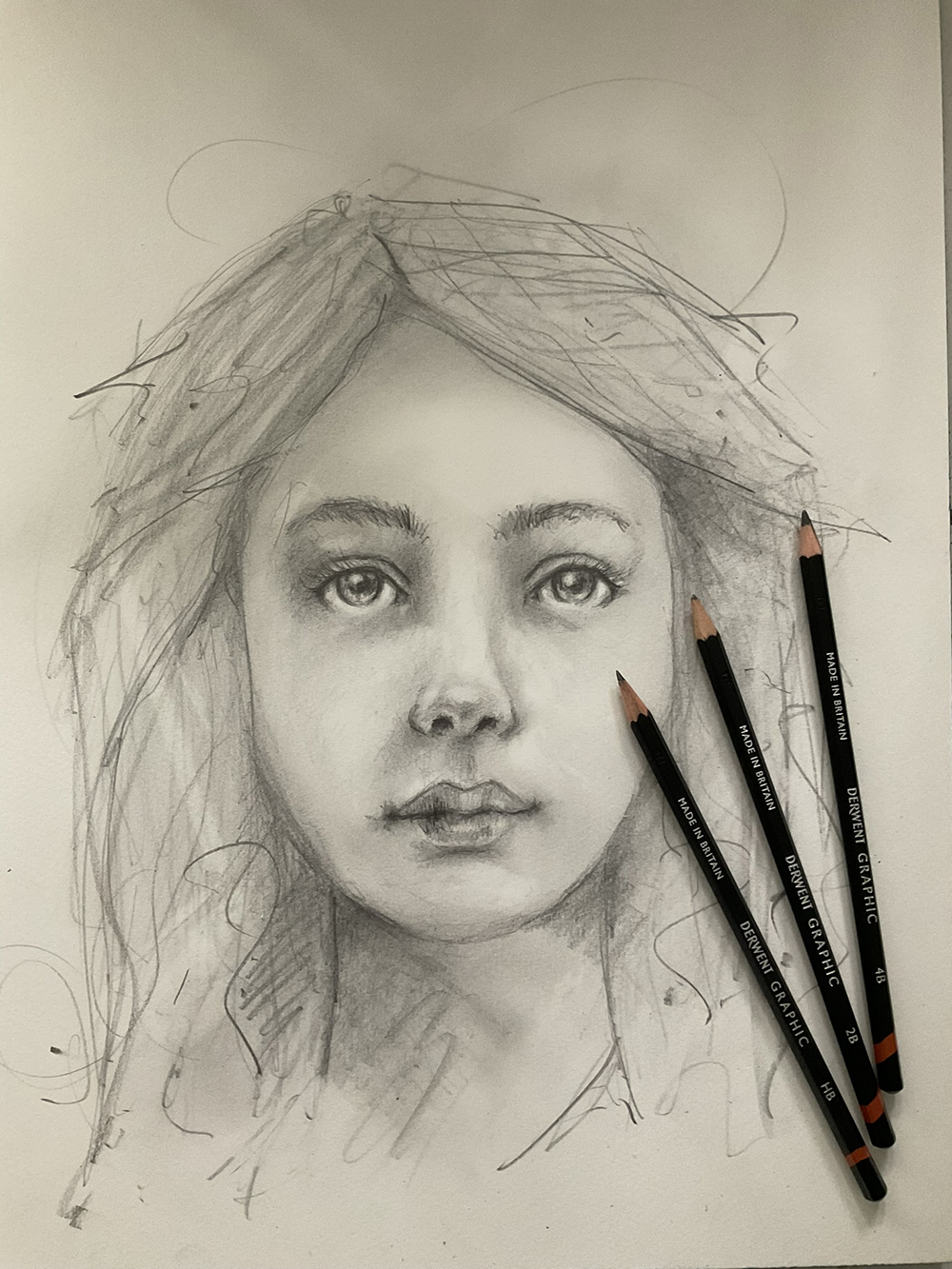
Implementing drawing worksheets adults requires preparing an optimized workspace equipped with professional-grade drawing pencils, kneaded erasers, and heavyweight paper stock. Printing templates at 100% scale ensures that geometric ratios remain exact, preventing distortion during observational scaling exercises. Learners begin by analyzing the negative space surrounding the primary reference lines before committing graphite to paper. Tonal gradients should be built up in gradual layers rather than heavy, immediate pressure, preserving the structural integrity of the worksheet surface. Integrating relaxing Coloring Pages into the routine serves as an excellent warm-up exercise to loosen wrist tension prior to undertaking intricate technical rendering worksheets.
Common Challenges and How to Avoid Them
Common obstacles when utilizing drawing worksheets adults include rigid hand-grip pressure, impatience with proportional scaling, and smudging graphite across fine details. Educators mitigate these technical hurdles by encouraging soft-grip techniques, employing a blending stump to manage tonal transitions, and placing a protective clean sheet of paper under the drawing hand. Recognizing that visual precision develops incrementally prevents frustration and fosters a sustainable, enjoyable creative practice. To expand beyond two-dimensional rendering, practitioners frequently transition finished line art into three-dimensional creations using detailed guides found within Printable Crafts.
💬 Frequently Asked Questions
Conclusion and Next Steps
Integrating professional visual resources into a regular routine unlocks profound benefits for both technical artistic growth and mental relaxation. By utilizing structured materials that challenge spatial perception while offering meditative release, learners cultivate a sustainable, rewarding creative habit. Exploring the curated collection of Drawing Worksheets provides immediate access to high-quality printables designed to elevate artistic confidence and technique.
Worksheet Previews & Reference Materials