Introduction
Art activities for babies encompass sensory-rich, tactile exploratory processes designed to stimulate neural pathways, visual tracking, and cognitive development through safe, open-ended manipulation of materials. According to the National Association for the Education of Young Children (NAEYC), early sensory-based creative exploration builds critical neurological foundations that support future spatial awareness, problem-solving abilities, and fine motor dexterity. Introducing infants to age-appropriate textures, high-contrast visual stimuli, and foundational mark-making materials lays the structural groundwork for advanced creative thinking long before formal schooling begins.
Visual Learning & Skill Snapshot:
- Core Focus: Sensory-driven early creative exploration utilizing non-toxic, tactile, and high-contrast developmental mediums.
- Target Skill: Bilateral coordination, visual tracking, tactile discrimination, and early cause-and-effect cognitive mapping.
- Key Recommendation: Prioritize process-oriented sensory engagement over finished visual products, focusing strictly on exploration and material safety.
Core Principles and Learning Overview
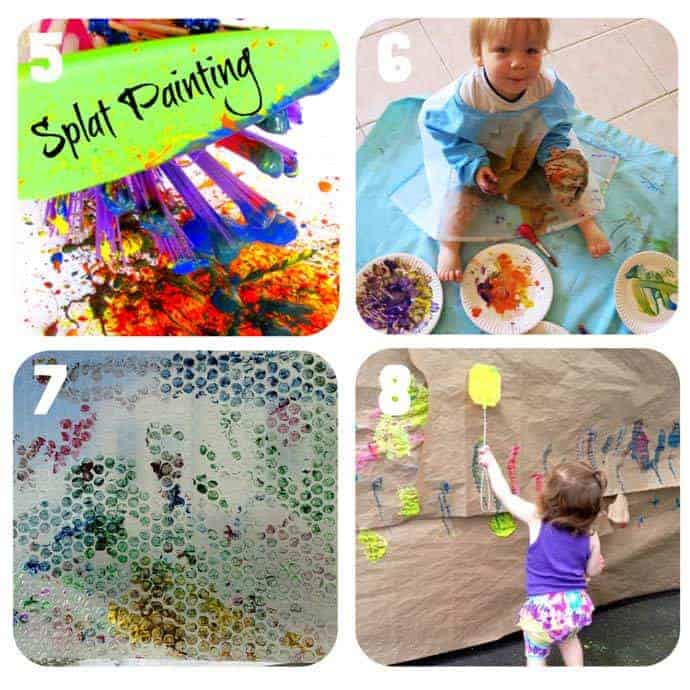
Art activities for babies function primarily as neurological and sensory exercises where tactile feedback directly informs early brain development. By integrating resources like structured Art Activities adapted for infancy, educators and caregivers stimulate peripheral vision, finger-grasp reflex integration, and spatial orientation. Infants interact with visual stimuli by observing high-contrast shapes, sweeping limbs across textured surfaces, and tracking shifting color planes, which collectively strengthen ocular muscles and cognitive processing speeds without inducing cognitive overload.
Key Specifications and Breakdown
| Age / Learning Stage | Visual Skill & Ratio | Pedagogical Application & Scaffolding |
|---|---|---|
| 0-6 Months (Sensory Awakening) | High-contrast tracking; 1:1 focal depth perception | Utilize bold black-and-white visual patterns and safe tactile boards for tracking exercises. |
| 6-12 Months (Tactile Exploration) | Bilateral hand awareness; pincer grasp initiation | Introduce edible finger paints and textured papers secured to low surfaces for sweeping movements. |
| 12-18 Months (Mark-Making & Motion) | Hand-eye coordination; cause-and-effect recognition | Incorporate chunky, non-toxic writing tools alongside guided Drawing Worksheets for broad strokes. |
Early childhood art curricula must prioritize unstructured sensory exploration and non-toxic material safety to foster optimal cognitive growth and secure physical development in infants. — National Art Education Association (NAEA)
Step-by-Step Practical Application and Guidelines
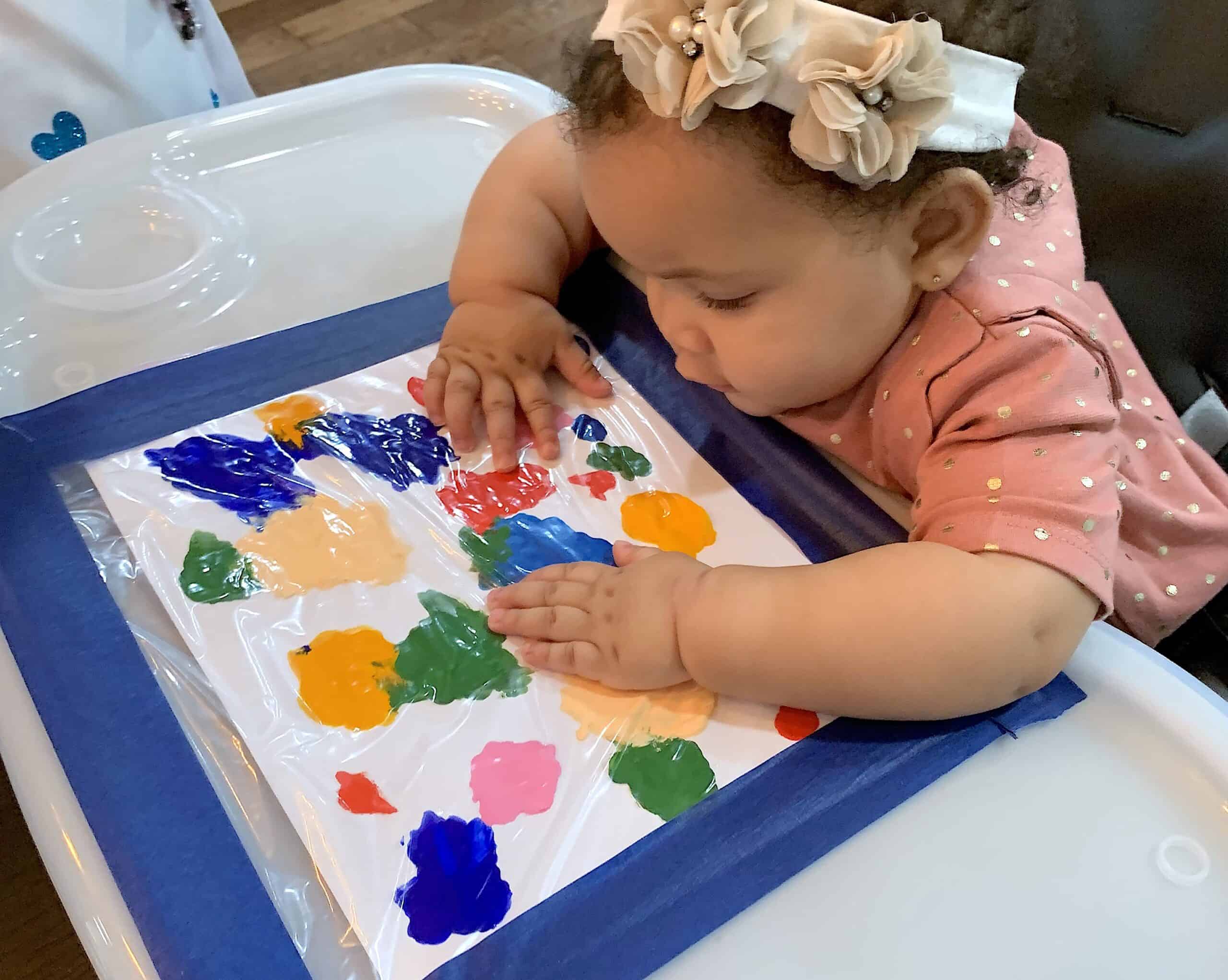
Implementing art activities for babies requires setting up safe, contained, and highly engaging environments that eliminate choking hazards while encouraging uninhibited exploration. Caregivers should secure heavy-duty washable mats on the floor, affix heavy cardstock or specialized Printable Crafts templates directly to surfaces using painter’s tape to prevent slipping, and present a single medium at a time. Guiding an infant’s hand gently through finger-paints or allowing independent patting on damp watercolor paper builds physical confidence, spatial understanding, and positive associations with creative expression.
Common Challenges and How to Avoid Them
Preventing sensory overload and material ingestion remains the primary challenge when conducting creative sessions with infants. Educators mitigate these risks by strictly selecting certified non-toxic, edible-grade materials, limiting session durations to short, attention-span-appropriate intervals of five to ten minutes, and removing loose components immediately. Shifting the evaluative focus away from pristine outcomes ensures that early sessions remain enjoyable, stress-free developmental milestones rather than frustrating performance exercises.
💬 Frequently Asked Questions
Conclusion and Next Steps
Embracing process-oriented creative play lays a vital foundation for lifelong cognitive growth, spatial reasoning, and artistic appreciation. Caregivers and educators can expand these developmental opportunities by exploring professional resources and printable materials designed to support every early learning milestone found within the comprehensive Art Activities collection.
Visual Reference Gallery