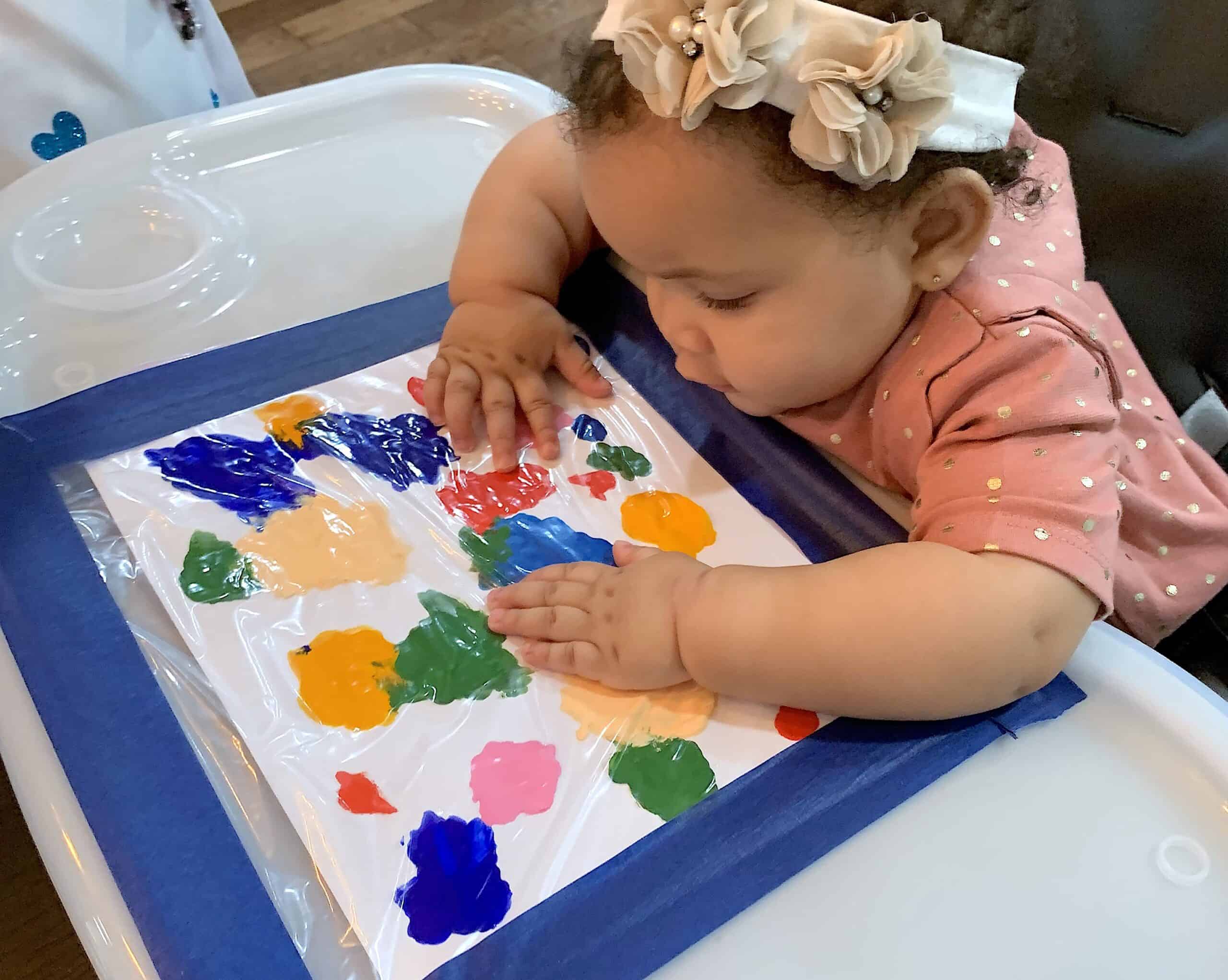
Introduction
Art activities for kids encompass structured drawing, coloring, and crafting exercises that systematically build fine-motor coordination, cognitive flexibility, and visual-spatial processing. According to the National Association for the Education of Young Children (NAEYC), engaging young learners in purposeful creative experiences directly supports foundational brain architecture, bilateral coordination, and symbolic thinking necessary for academic readiness. Educators and parents leverage these visual tasks to bridge sensory exploration with structured conceptual learning, utilizing resources such as specialized Coloring Pages to build pencil control and focus.
Visual Learning & Skill Snapshot:
- Core Focus: Structured visual-motor exercises and tactile creative production for early development.
- Target Skill: Spatial reasoning, visual discrimination, fine-motor proportion, and concentration.
- Key Recommendation: Provide open-ended printable assets that encourage incremental complexity without rigid output expectations.
Core Principles and Learning Overview
Art activities for kids function as essential catalysts for neurological development by transforming abstract visual information into tangible tactile outcomes. Structured creative tasks promote bilateral integration, requiring both hands to work in tandem—one stabilizing the paper while the other manipulates crayons, scissors, or brushes. Integrating progressive Drawing Worksheets ensures that learners transition smoothly from basic geometric tracing to complex representational rendering. This structured progression nurtures visual memory, pattern recognition, and proportion judgment across varying developmental stages.
Key Specifications and Breakdown
| Age / Learning Stage | Visual Skill & Ratio | Pedagogical Application & Scaffolding |
|---|---|---|
| Ages 3-4 (Early Preschool) | Gross motor control, basic contour awareness, color differentiation. | Utilize thick-lined coloring assets and foundational tactile explorations. |
| Ages 5-6 (Kindergarten) | Bilateral hand coordination, shape proportion, spatial boundaries. | Implement guided tracing models and sequenced Printable Crafts. |
| Ages 7-8 (Early Elementary) | Advanced perspective, detail retention, cross-curricular visual synthesis. | Incorporate complex structural line work and multi-step composition sheets. |
Early childhood art experiences must prioritize process-oriented exploration over product perfection to foster genuine cognitive resilience and intrinsic problem-solving capabilities. — National Art Education Association (NAEA)
Step-by-Step Practical Application and Guidelines
Implementing effective art activities for kids requires preparing a dedicated, distraction-free creative workspace equipped with standardized, high-contrast printed materials. Educators should begin by presenting a clear visual model, demonstrating proper grip mechanics and spatial orientation before distributing resources. Facilitators must encourage children to observe negative space, experiment with pressure variation, and verbalize their creative choices throughout the drafting process. Regularly rotating specialized Art Activities maintains high engagement levels while targeting distinct motor milestones.
Common Challenges and How to Avoid Them
Frustration during visual-motor tasks typically stems from unaligned developmental expectations or overly complex initial prompts that exceed current fine-motor capacity. Adults prevent this friction by scaling down complexity, utilizing thicker writing utensils for early learners, and validating effort over aesthetic neatness. Establishing a predictable routine of short, focused creative sessions builds stamina and eliminates the cognitive overload associated with unstructured open drawing.
💬 Frequently Asked Questions
Conclusion and Next Steps
Maximizing the developmental impact of creative education requires a balanced collection of structured printables that support both motor control and imaginative freedom. Exploring the curated resources available across professional educational platforms provides immediate access to reliable materials designed to inspire young creators. Discover a comprehensive selection of printable assets by visiting the hub for creative Art Activities today.
Visual Reference Gallery