Introduction
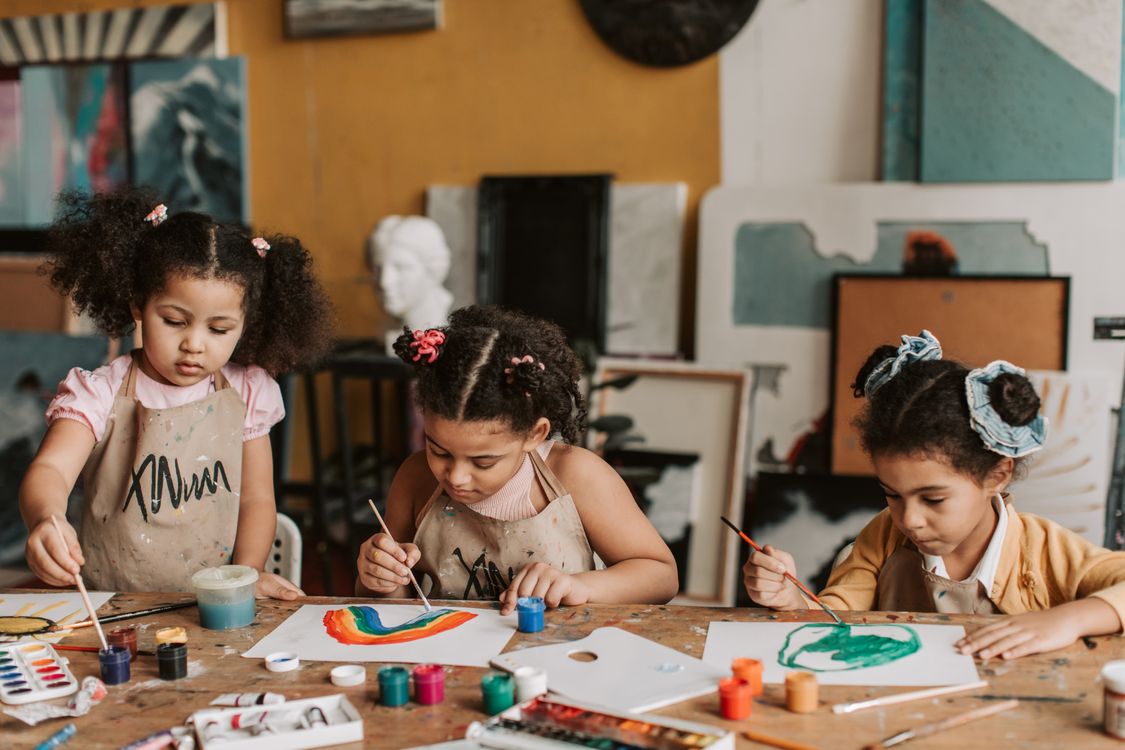
Art and activities for kids function as vital cognitive frameworks that accelerate fine-motor coordination, spatial reasoning, and visual-spatial literacy during early childhood development. According to the National Association for the Education of Young Children (NAEYC), hands-on creative experiences and structured visual engagements build foundational neural pathways essential for advanced problem-solving, symbolic thinking, and emotional regulation. Educators, parents, and homeschoolers continually seek structured materials—ranging from fine-line vectors to geometric patterns—to optimize cognitive growth in early elementary settings. Accessing well-designed resources like Art Activities transforms abstract concepts into tangible visual milestones for young learners.
Visual Learning & Skill Snapshot:
- Core Focus: Systematic implementation of structured art and activities for kids to foster cognitive and motor integration.
- Target Skill: Bilateral hand coordination, visual-spatial perception, pencil grasp precision, and design proportion.
- Key Recommendation: Combine structured outlines with open-ended creative extensions to balance technical skill with artistic expression.
Core Principles and Learning Overview
Art and activities for kids require a careful balance between guided motor repetition and open-ended creative exploration to maximize cognitive retention. Structured worksheets, precise contour illustrations, and interactive paper crafts offer predictable boundaries that help children manage spatial orientation, edge detection, and proportional scaling. Integrating specialized assets such as Drawing Worksheets allows educators to scaffold complex visual tasks, breaking down intricate shapes into manageable strokes that strengthen hand-eye calibration.
Key Specifications and Breakdown
| Age / Learning Stage | Visual Skill & Ratio | Pedagogical Application & Scaffolding |
|---|---|---|
| Ages 3-4 (Early Preschool) | Gross motor sweeps, simple geometric recognition | Utilize thick-outline coloring assets to teach boundaries and pencil control. |
| Ages 5-6 (Kindergarten) | Bilateral coordination, contour tracking | Incorporate guided line tracing and symmetrical shape completion. |
| Ages 7-8 (Early Elementary) | Proportional scaling, perspective shading | Deploy multi-step multi-media projects requiring spatial calculation. |
Engagement in visual arts directly correlates with enhanced executive function, working memory capacity, and fine-motor dexterity in preschool and early elementary cohorts. — National Art Education Association (NAEA)
Step-by-Step Practical Application and Guidelines
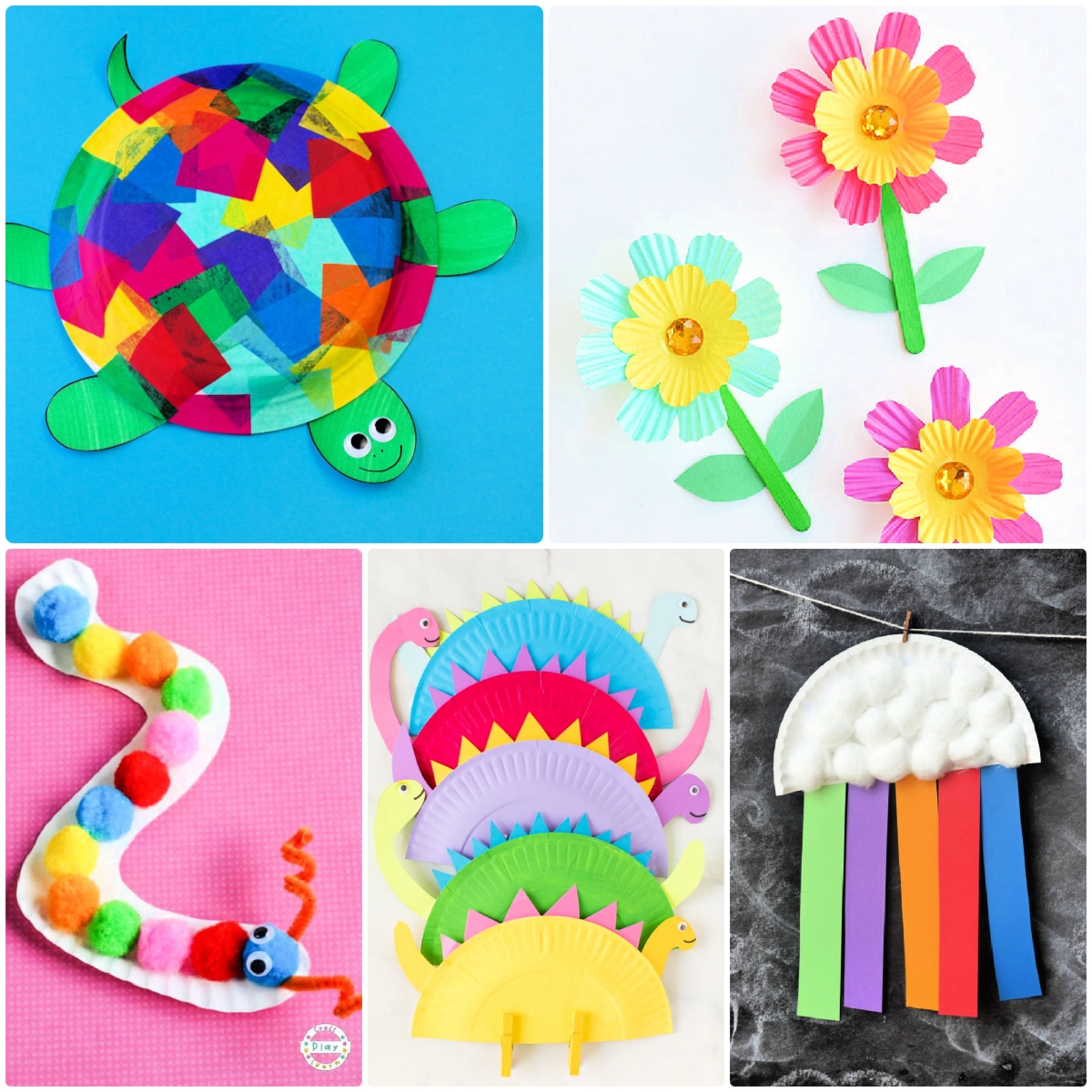
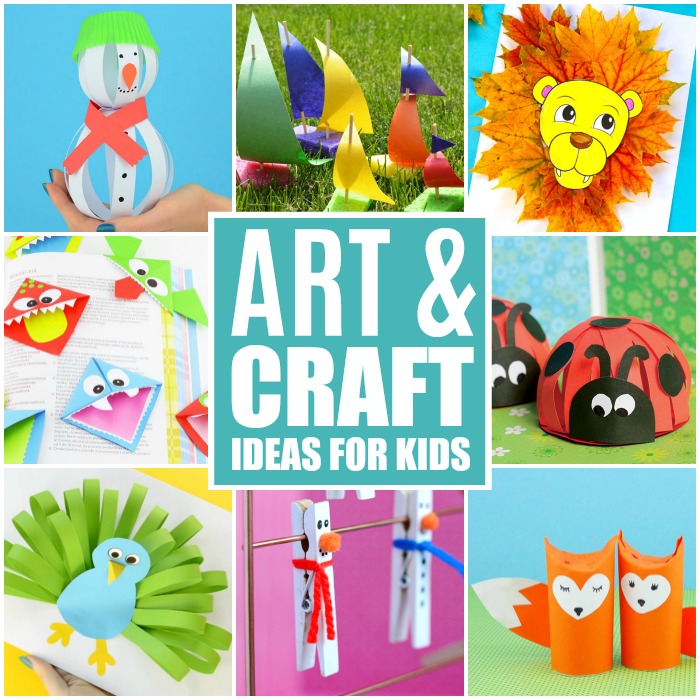
Implementing effective art and activities for kids involves selecting appropriate printable media, establishing ergonomic workspaces, and guiding children through sequential completion steps. Educators begin by printing high-resolution templates, such as specialized Printable Crafts, on heavy cardstock to withstand glue, scissors, and wet mediums. Adults should demonstrate proper tool handling—such as tripod pencil grips and scissor safety rules—before allowing independent exploration, ensuring physical comfort and reducing frustration during intricate cutting or coloring tasks.
Common Challenges and How to Avoid Them
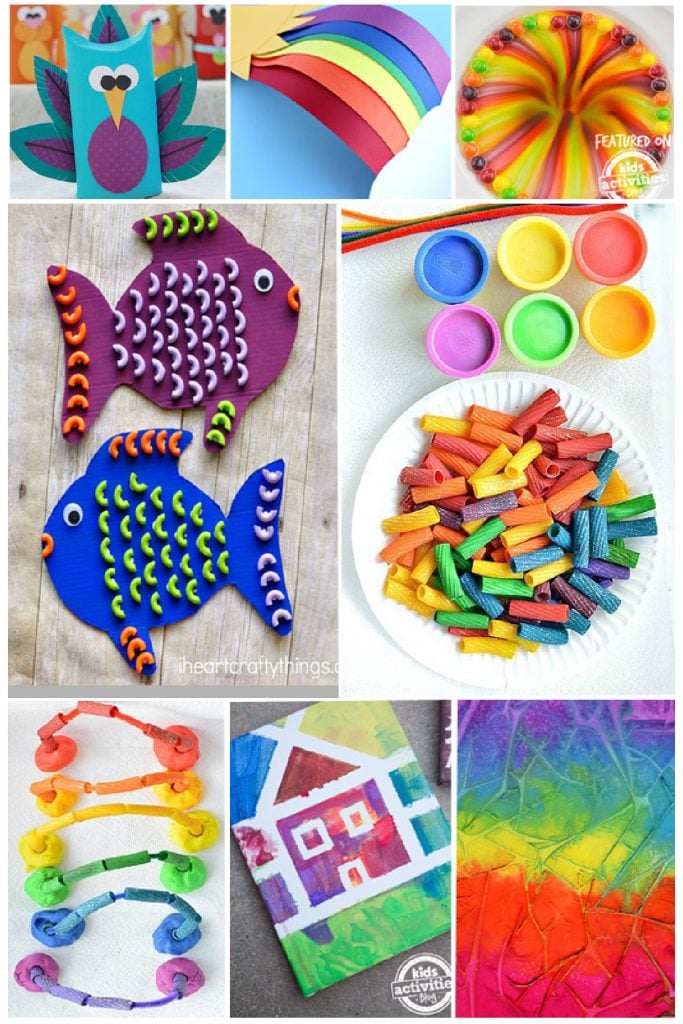
Common obstacles in children’s art instruction include hand fatigue, premature frustration with complex outlines, and a lack of spatial proportion awareness. Adults mitigate these challenges by scaling complexity gradually, providing thicker writing utensils for younger hands, and focusing praise on the effort of line-tracking rather than flawless execution. Introducing diverse palettes through structured Coloring Pages maintains high engagement while reinforcing color theory, contrast management, and deliberate motor control.
💬 Frequently Asked Questions
Conclusion and Next Steps
Integrating reliable, developmentally appropriate creative projects into daily schedules significantly boosts early childhood learning outcomes. Educators and parents can explore the comprehensive library of Art Activities at ColorLeaf Studio to access premium resources designed to inspire and educate young minds.
Visual Reference Gallery