Introduction
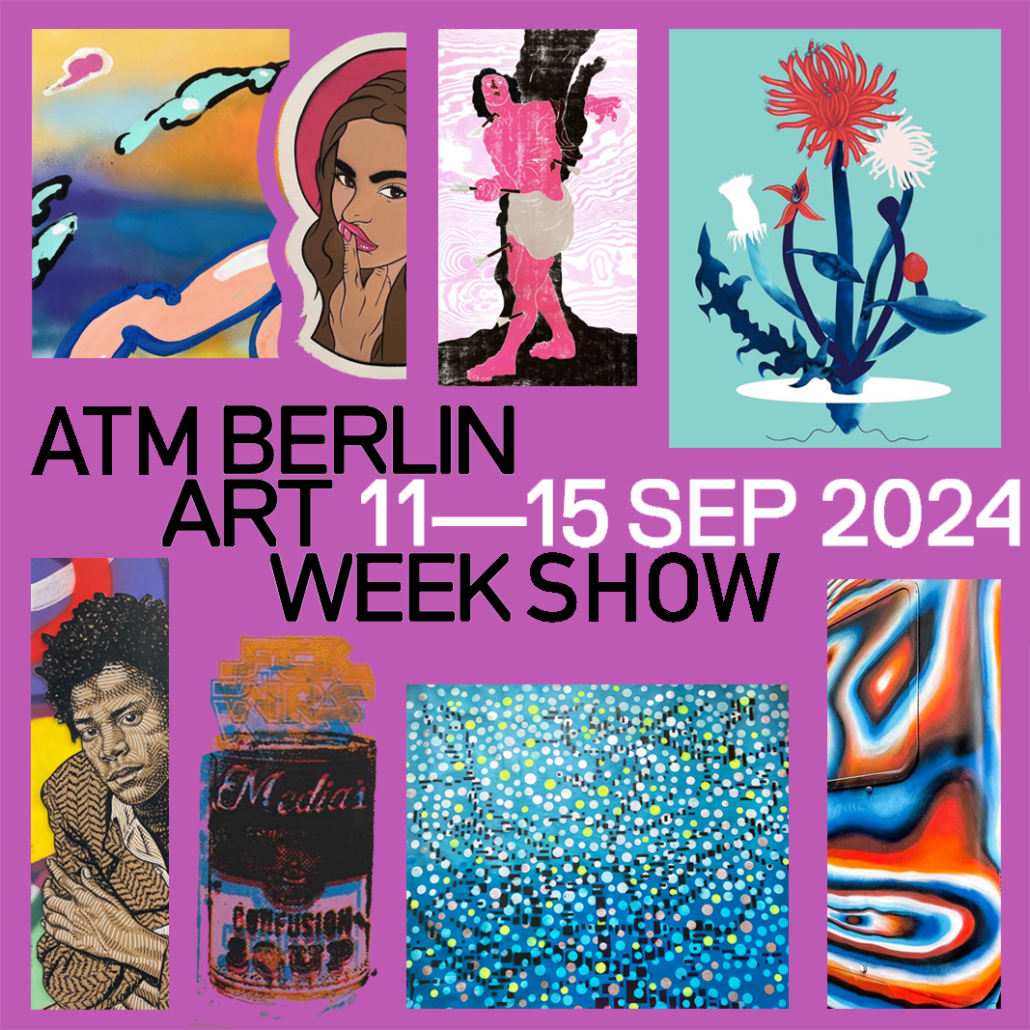
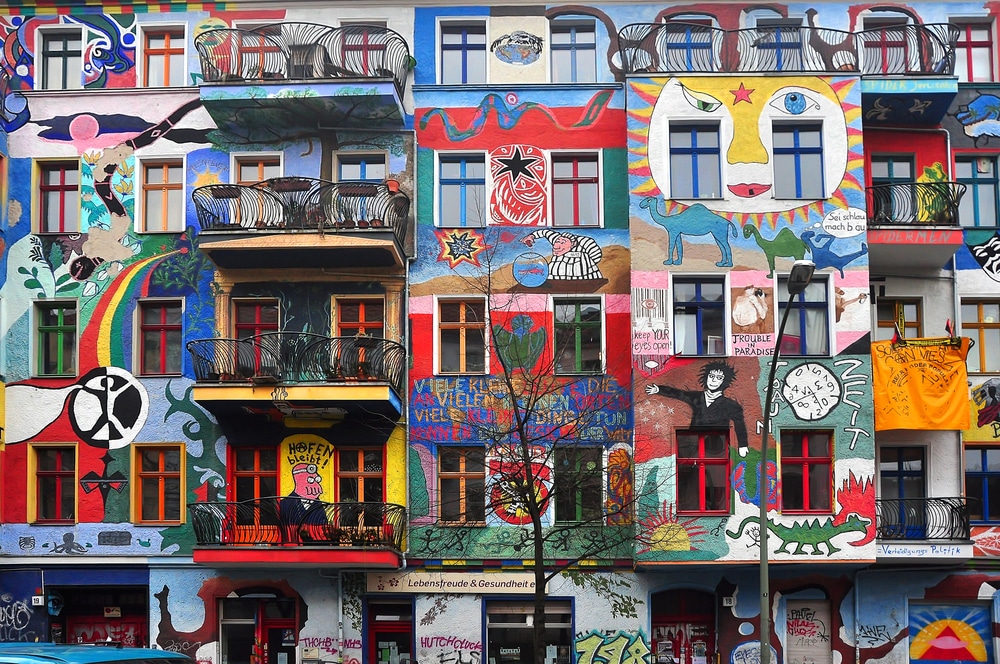
Art activities berlin encompass structured creative exercises inspired by European urban design, modernist architecture, and expressionist sketching frameworks tailored for early childhood development. According to the National Art Education Association (NAEA), early visual arts engagement directly fosters cognitive flexibility, spatial intelligence, and fine-motor precision in young learners. Translating metropolitan cultural aesthetics into accessible printables allows educators and caregivers to anchor global art history within foundational motor skill routines. Utilizing specialized Art Activities provides children with structured tactile pathways to explore geometric abstraction and cultural expression.
Visual Learning & Skill Snapshot:
- Core Focus: Urban-inspired creative worksheets, sketching prompts, and architectural papercrafts.
- Target Skill: Spatial reasoning, visual discrimination, and fine-motor proportion.
- Key Recommendation: Pair high-contrast line work with open-ended coloring exercises to reinforce structural comprehension.
Core Principles and Learning Overview
Integrating urban-themed creative exercises into early childhood curricula bridges visual literacy with tangible fine-motor development through systematic line work and shape recognition. Direct engagement with structured blueprints, geometric cityscapes, and minimalist composition teaches children how complex forms decompose into basic shapes. When learners manipulate scaled architectural outlines, cognitive processing speeds improve as visual perception aligns with physical hand movements. Educators often utilize Drawing Worksheets to build foundational pencil control and spatial orientation before introducing complex multi-step artistic challenges.
Key Specifications and Breakdown
| Age / Learning Stage | Visual Skill & Ratio | Pedagogical Application & Scaffolding |
|---|---|---|
| Ages 3-4 (Early Explorer) | Macro-motor line tracing and primary shape identification | Use simplified geometric outlines to practice basic wrist rotation and crayon grip. |
| Ages 5-6 (Emerging Artist) | Bilateral coordination and pattern replication | Introduce symmetrical architectural layouts and detailed Coloring Pages. |
| Ages 7-8+ (Advanced Maker) | Proportional scaling and perspective comprehension | Deploy complex spatial grids, multi-layer Printable Crafts, and observational sketching prompts. |
Early art experiences that incorporate architectural forms and spatial patterns significantly enhance non-verbal problem-solving capabilities and geometric reasoning in young children. — National Art Education Association (NAEA)
Step-by-Step Practical Application and Guidelines
Implementing structured metropolitan art exercises requires a sequential approach that transitions young learners from passive observation to active spatial creation. Begin by selecting high-resolution downloadable templates that feature clean, distinct vector outlines to prevent visual clutter and cognitive overload. Introduce the exercise by discussing the basic shapes hidden within the reference imagery, prompting children to trace contours with an index finger before applying physical writing utensils. Encourage independent color choices while maintaining structural boundaries to reinforce executive functioning, emotional regulation, and intentional mark-making.
Common Challenges and How to Avoid Them
Children frequently experience frustration when fine-motor fatigue interferes with completing intricate architectural lines or complex geometric patterns. Educators and parents can mitigate this hurdle by scaling down session durations and providing thicker, ergonomically sound writing instruments that reduce hand strain. Avoid overly rigid color expectations; instead, prioritize the cognitive process of spatial mapping and line fidelity over strict aesthetic uniformity. Supplying properly weighted paper stock ensures that markers and watercolor pencils do not bleed through, preserving the integrity of the workspace and maintaining learner enthusiasm.
💬 Frequently Asked Questions
Conclusion and Next Steps
Embracing metropolitan-themed creative exercises equips children with essential visual-spatial competencies while celebrating global design aesthetics within the learning environment. Consistent practice through structured worksheets and guided projects transforms basic motor exercises into profound cognitive milestones. Explore the curated collection of Art Activities to expand creative opportunities today.
Visual Reference Gallery