Introduction
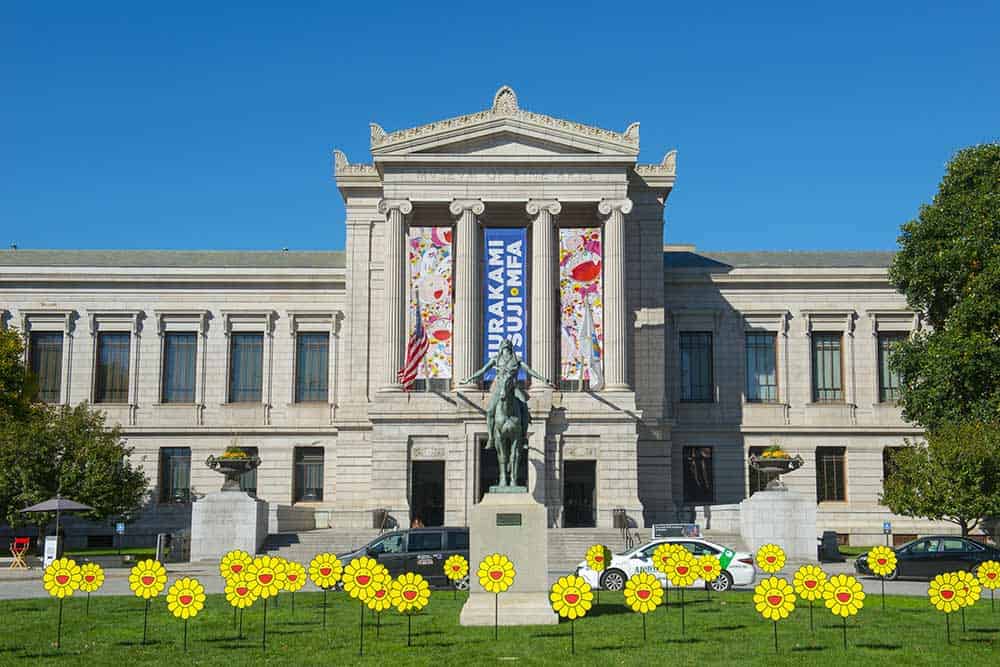
Art activities boston frameworks encompass place-based creative exercises and printable instructional materials that connect local historical iconography with foundational early childhood visual arts pedagogy. According to the National Association for the Education of Young Children (NAEYC), structured engagement with culturally contextual visual arts significantly accelerates fine motor precision, spatial reasoning, and symbol-to-concept translation in young learners. Integrating these localized design paradigms into homeschool settings and early elementary classrooms bridges abstract motor exercises with meaningful cultural references. Educators seeking reliable developmental resources often utilize specialized Art Activities to enrich daily curricula.
Visual Learning & Skill Snapshot:
- Core Focus: Place-based creative exercises merging local cultural iconography with foundational early childhood motor skill development.
- Target Skill: Spatial reasoning, visual discrimination, fine-motor proportion, and symbolic representation mastery.
- Key Recommendation: Pair structured architectural outline templates with open-ended coloring materials to reinforce line-control and perspective.
Core Principles and Learning Overview
Art activities boston principles rely on systematic visual scaffolding that transitions children from basic contour recognition to complex multi-step spatial compositions. Direct pedagogical execution requires balancing structured geometric guides with open-ended creative freedom, ensuring that cognitive overload is avoided during early drawing exercises. When children interact with curated printable media, neural pathways responsible for hand-eye coordination and visual-motor integration strengthen rapidly. Incorporating detailed Drawing Worksheets into weekly lesson plans provides the repetitive structural foundation necessary for long-term artistic confidence.
Key Specifications and Breakdown
| Age / Learning Stage | Visual Skill & Ratio | Pedagogical Application & Scaffolding |
|---|---|---|
| Early Childhood (Ages 3-5) | Gross motor line control and primary contour matching (1:1 ratio) | Utilize bold-outline Coloring Pages to build finger dexterity and hand strength. |
| Early Elementary (Ages 6-8) | Mid-range spatial proportion and architectural symmetry (2:1 ratio) | Implement structured grid drawing sheets and localized landmark rendering tasks. |
| Advanced Primary (Ages 9-11) | Perspective depth, negative space analysis, and cross-hatching | Deploy multi-layered Printable Crafts requiring precise cutting and folding. |
Early childhood art experiences must prioritize process-oriented motor skill refinement and cognitive exploration over rigid aesthetic perfection, supporting healthy neurological development through tactile engagement. — National Art Education Association (NAEA)
Step-by-Step Practical Application and Guidelines
Implementing effective art activities boston sessions requires selecting high-contrast printable templates, preparing ergonomic writing instruments, and establishing a predictable workspace routine. Begin by introducing the thematic background of the visual subject, such as historical architecture or regional flora, to build conceptual context before marker or crayon application. Next, guide children to trace primary geometric boundaries before coloring interior segments to reinforce disciplined boundary adherence and spatial awareness. Educators should maintain low-distraction environments to maximize sustained attention spans during fine-motor execution.
Common Challenges and How to Avoid Them
Common obstacles in early childhood visual arts instruction include premature frustration with complex line intersections, improper pencil gripping, and cognitive fatigue from overly dense templates. Educators can prevent these setbacks by scaling down initial task complexity, offering jumbo-sized ergonomically shaped coloring tools, and breaking multi-step projects into distinct 15-minute intervals. Providing positive reinforcement centered on effort and persistence rather than final product neatness ensures that young learners maintain intrinsic motivation and emotional safety during creative exploration.
💬 Frequently Asked Questions
Conclusion and Next Steps
Embracing structured regional art education empowers young learners to connect physical motor practice with rich cultural context and advanced cognitive problem-solving. Educators and parents are encouraged to explore the comprehensive collection of Art Activities available to elevate daily visual arts curricula.
Visual Reference Gallery