Introduction
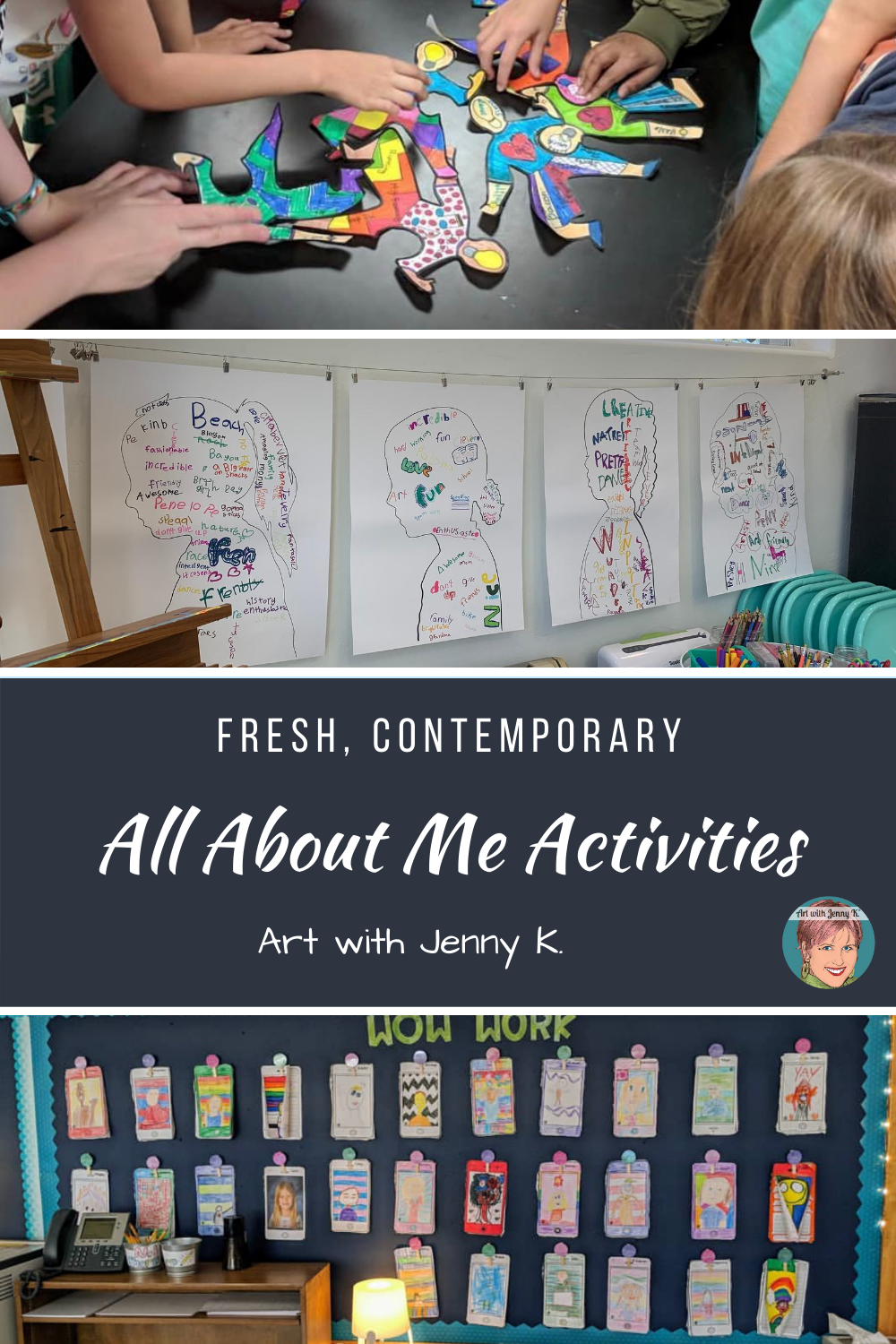
Art activities all about me provide foundational opportunities for young learners to build self-identity, spatial awareness, and fine motor precision through structured visual expression. According to the National Association for the Education of Young Children (NAEYC), creative self-portraiture and identity-focused projects directly support early childhood emotional regulation and body schema development. When children engage with structured prompts, they translate internal self-perceptions into tangible marks using targeted Drawing Worksheets. This process anchors cognitive growth by validating individual experiences within a classroom or homeschool environment, bridging abstract self-concept with concrete visual art techniques.
Visual Learning & Skill Snapshot:
- Core Focus: Art activities all about me foster self-awareness, emotional articulation, and fine-motor control through identity exploration.
- Target Skill: Spatial mapping of facial features, proportion calibration, and personal narrative representation.
- Key Recommendation: Pair structured printable templates with open-ended materials to balance guided symmetry with individual artistic freedom.
Core Principles and Learning Overview
Art activities all about me systematically guide learners through the complex process of observing, mapping, and illustrating personal identity traits. These exercises move beyond simple tracing by encouraging children to examine physical proportions, cultural elements, and personal preferences through guided visual inquiry. Educators utilize developmental scaffolding, beginning with basic body outlines and progressing toward detailed facial mapping. Integrating specialized resources like thematic Coloring Pages offers children accessible entry points to explore color theory and line variation while establishing a secure baseline for independent creation.
Key Specifications and Breakdown
| Age / Learning Stage | Visual Skill & Ratio | Pedagogical Application & Scaffolding |
|---|---|---|
| Ages 3-4 (Preschool) | Tadpole figures and basic circular head-mapping | Use simplified outlines to build fundamental hand-eye coordination without rigid perfectionism. |
| Ages 5-6 (Kindergarten) | Mid-torso scaling and feature placement ratios | Implement grid-based proportion guides to help learners position eyes, nose, and mouth correctly. |
| Ages 7-8 (Early Elementary) | Detailed profile mapping and symbolic background integration | Combine self-portraits with narrative elements, showcasing hobbies, family structures, and personal interests. |
Art-making acts as an external representation of an individual’s developing self-concept, providing a vital sensory channel for emotional expression and cognitive organization during early developmental years. — National Art Education Association (NAEA)
Step-by-Step Practical Application and Guidelines
Successful implementation of art activities all about me relies on combining sequential visual planning with accessible hands-on media. Educators begin by distributing structured outline templates that establish basic spatial boundaries. Learners then use mirrors or photo references to observe individual eye shape, hair texture, and skin tone variations before committing marks to paper. To expand physical manipulation skills beyond two dimensions, instructors frequently pair these drawing exercises with interactive Printable Crafts that allow children to assemble multi-layered, tactile representations of themselves. Maintaining a supportive, non-critical workspace ensures children feel psychologically safe to experiment with unconventional color palettes and expressive line work.
Common Challenges and How to Avoid Them
Frustration regarding realistic proportions and perceived artistic inadequacy represents the most frequent obstacle during identity-based art projects. Young learners often struggle when facial features do not match internal expectations, leading to premature abandonment of the task. Educators prevent this by emphasizing process over product, utilizing incremental sketching steps, and referencing abstract or whimsical portrait styles that remove the pressure of absolute photorealism. Providing varied medium choices, such as thick oil pastels or flexible markers, helps accommodate different grip strengths and sensory preferences across diverse student groups.
💬 Frequently Asked Questions
Conclusion and Next Steps
Art activities all about me serve as powerful developmental tools that validate personal identity while strengthening essential fine-motor and cognitive capacities. By integrating structured templates with creative freedom, educators and parents create supportive environments where young learners thrive visually and emotionally. Explore the complete collection of developmental resources to enhance upcoming lesson plans.
Visual Reference Gallery