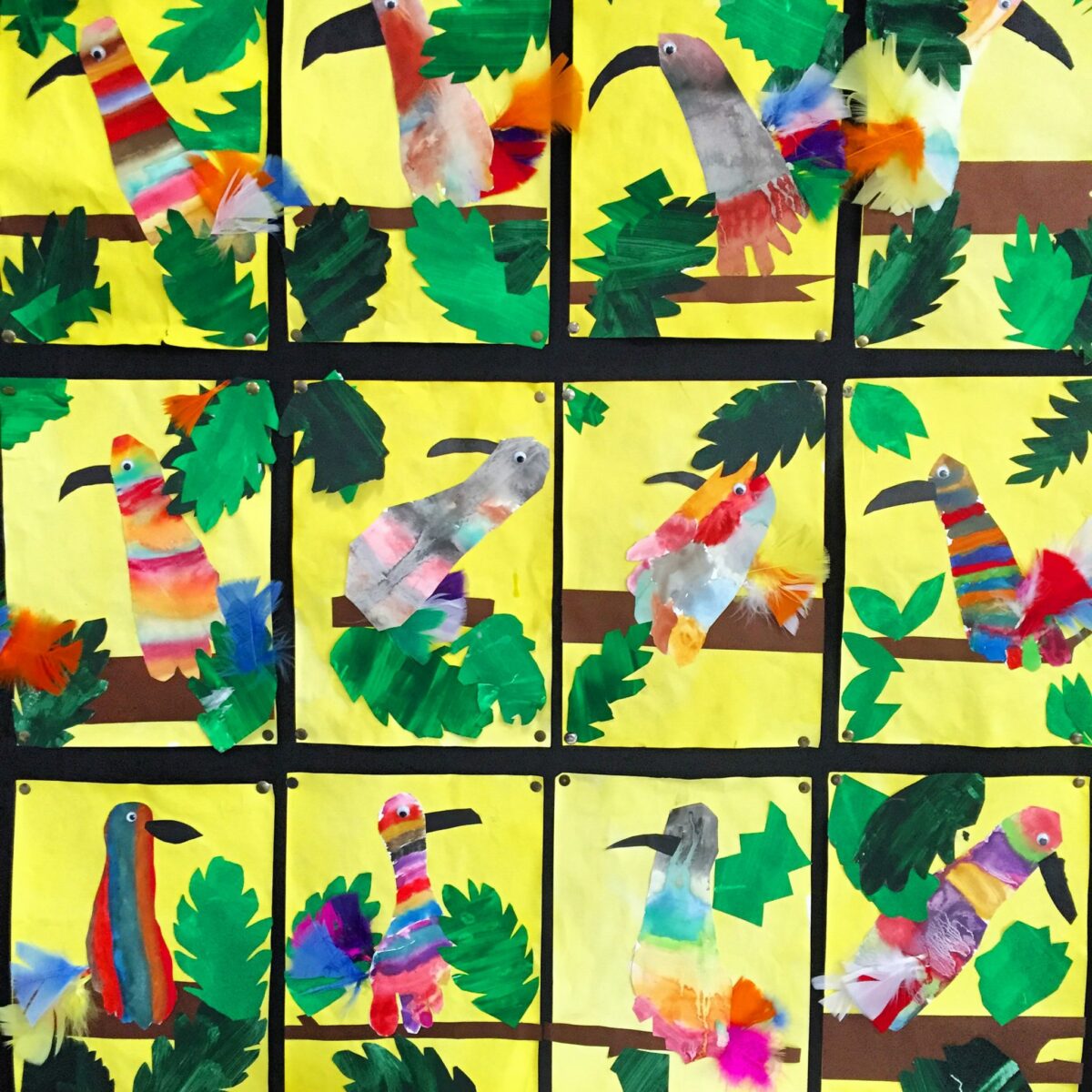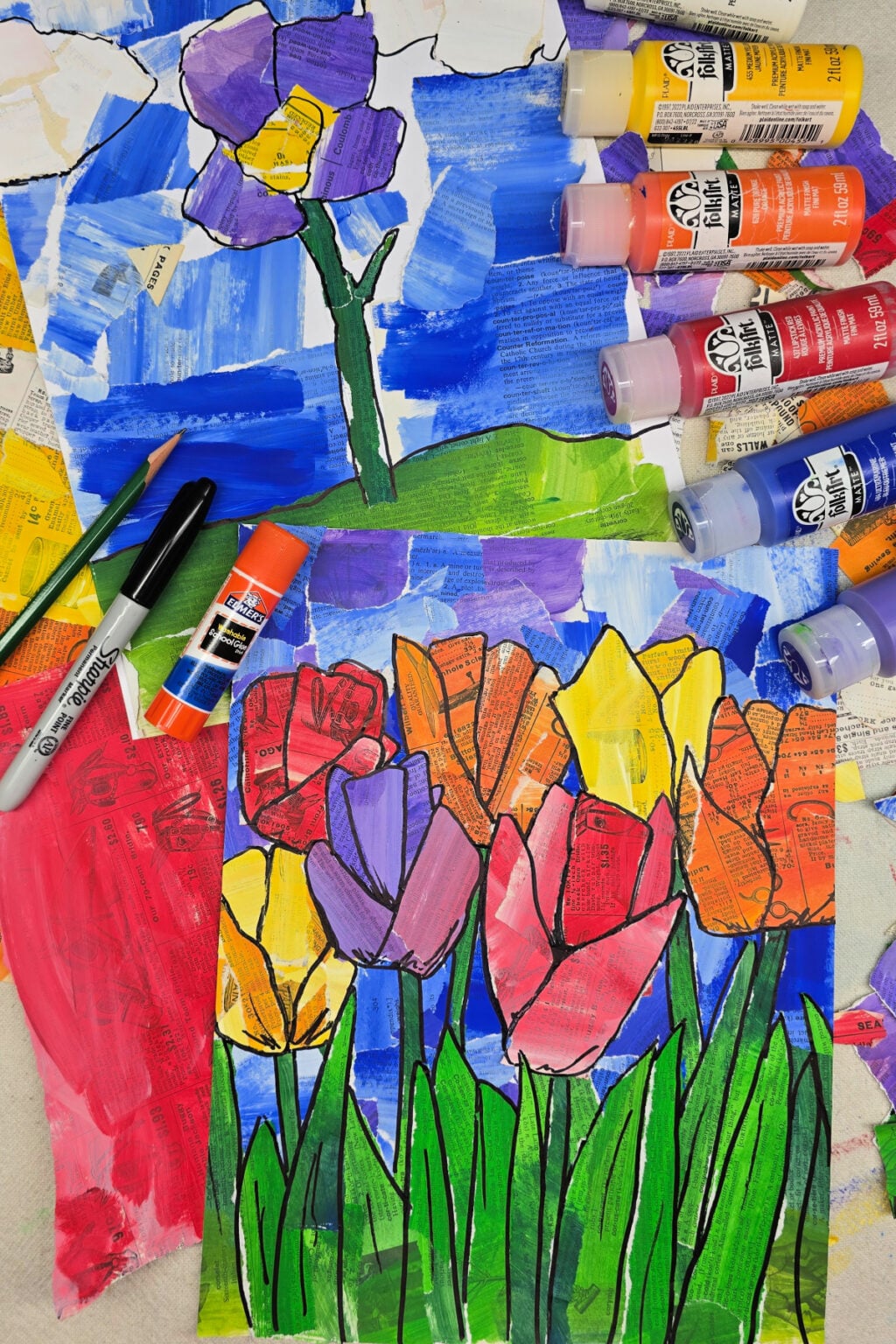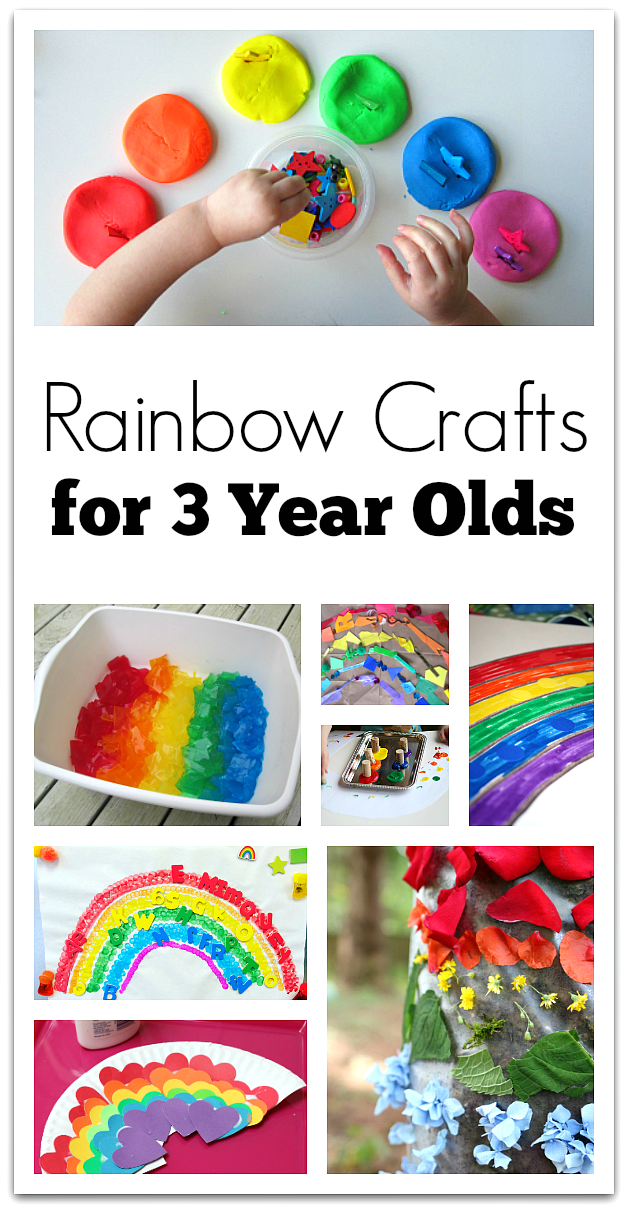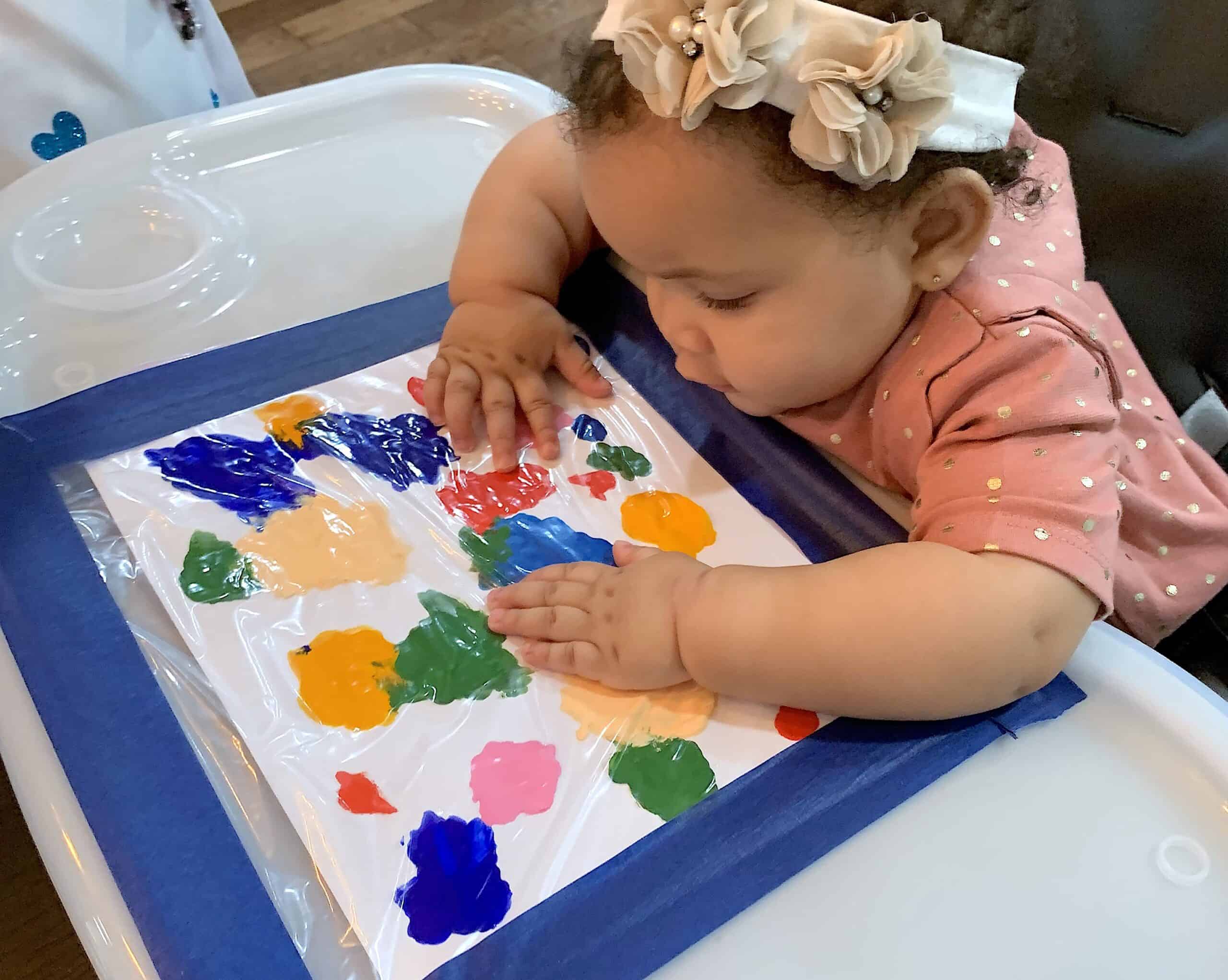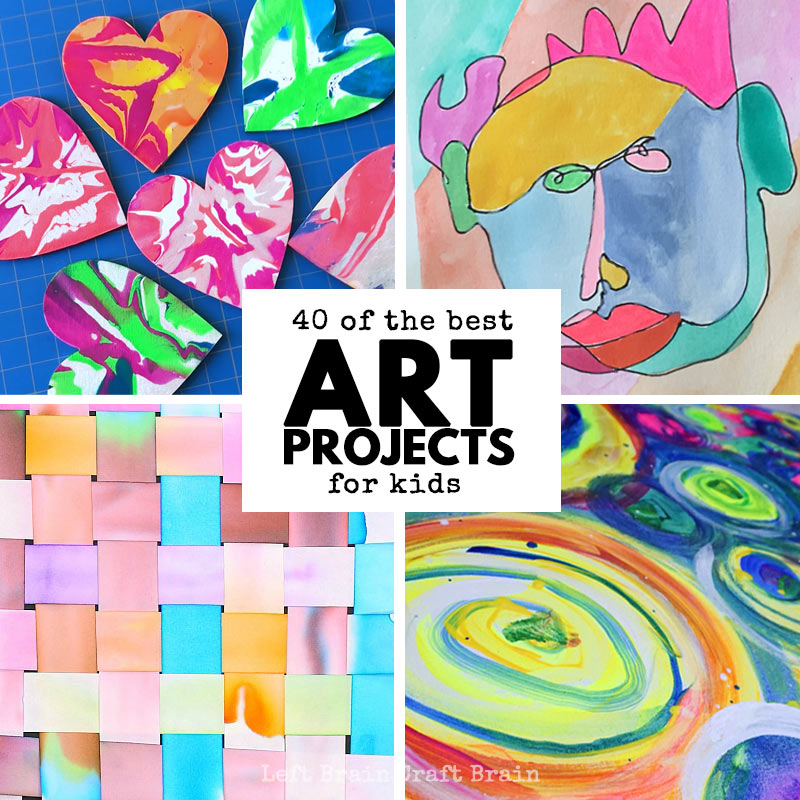
Introduction
Art activities for students represent structured creative tasks that systematically build fine-motor precision, visual-spatial awareness, and cognitive flexibility across early childhood development. According to the National Art Education Association (NAEA), intentional visual arts instruction directly strengthens neural connectivity and critical thinking skills essential for foundational academic achievement. Integrating reliable printables, Art Activities, and structured exercises guarantees that learners acquire critical perceptual capabilities while exploring open-ended creativity.
Visual Learning & Skill Snapshot:
- Core Focus: Structured visual-spatial exercises supporting foundational cognitive growth and motor dexterity.
- Target Skill: Spatial reasoning, visual discrimination, fine-motor proportion, and concept mastery.
- Key Recommendation: Combine structured printable resources with open-ended creative extension tasks for optimal learning outcomes.
Core Principles and Learning Overview
Art activities for students function as vital pedagogical tools that bridge physical coordination with abstract conceptual understanding. Educators and caregivers utilize specialized Coloring Pages to enhance pencil grip, hand-eye coordination, and boundary awareness. Simultaneously, integrating targeted Drawing Worksheets allows children to practice line-weight control, symmetry, and geometric recognition. These materials transform abstract visual concepts into tangible learning experiences that accommodate diverse developmental paces within classrooms and homeschool settings.
Key Specifications and Breakdown
| Age / Learning Stage | Visual Skill & Ratio | Pedagogical Application & Scaffolding |
|---|---|---|
| Ages 3-4 (Preschool) | Gross motor control & color identification (1:1 shape ratio) | Utilize simplified thick-line templates to foster confidence and grip strength. |
| Ages 5-6 (Kindergarten) | Fine motor precision & spatial positioning (1:2 line ratio) | Incorporate guided Printable Crafts and patterned tracing exercises. |
| Ages 7-8 (Early Elementary) | Perspective basics & proportional scaling (1:4 detail ratio) | Deploy multi-step grid drawing templates and thematic illustration prompts. |
Regular engagement in developmentally appropriate visual arts instruction fosters cognitive flexibility, spatial reasoning, and sustained attention spans in young learners. — National Art Education Association (NAEA)
Step-by-Step Practical Application and Guidelines
Implementing effective art activities for students requires preparing a distraction-free workspace, selecting developmentally appropriate print resources, and providing encouraging, process-oriented feedback. Educators should begin by introducing the visual worksheet, clearly explaining the target lines or shapes without imposing rigid aesthetic constraints. Providing high-quality printing media, such as heavy-weight paper stock, ensures that mediums like markers, watercolors, or crayons do not bleed through, preserving the integrity of the exercise and maximizing the tactile learning experience.
Common Challenges and How to Avoid Them
Frustration during visual learning tasks typically stems from uncalibrated difficulty levels, poor physical ergonomics, or overly rigid outcome expectations set by adults. Preventing these hurdles involves matching the complexity of the printable material directly to the current fine-motor capacity of the child rather than chronological age. Educators must praise effort, focus, and creative problem-solving rather than strict adherence to pre-determined color schemes, thereby nurturing intrinsic motivation and long-term artistic confidence.
💬 Frequently Asked Questions
Conclusion and Next Steps
Deliberate integration of structured visual exercises significantly accelerates fine-motor development, spatial awareness, and creative confidence in young learners. Equipping learning environments with reliable, engaging materials ensures children receive a balanced foundation in both technical precision and artistic expression. Explore the curated collection of Art Activities to discover versatile resources designed to inspire the next generation of creative thinkers.
Visual Reference Gallery